
Choosing the right youth football cleats can make a significant difference in your young athlete’s performance on the field. Whether your child is just starting their football journey or competing at an elite level, proper footwear provides the foundation for speed, agility, stability, and injury prevention. The right cleats enhance traction, reduce slipping on grass or artificial surfaces, and give young players the confidence to make explosive cuts and accelerate without hesitation.
Youth football is a demanding sport that requires specialized equipment designed specifically for growing bodies and developing athletic skills. Unlike general athletic shoes, football cleats are engineered with strategic stud placement, ankle support, and responsive cushioning to meet the unique demands of the gridiron. This comprehensive guide explores everything parents and young athletes need to know about selecting the best youth football cleats, from understanding cleat types to evaluating top brands and ensuring proper fit for maximum performance and safety.
Beyond mere aesthetics or brand names, the ideal youth football cleat combines biomechanical support, durability, comfort, and value. We’ve analyzed dozens of options, consulted performance metrics, and reviewed expert recommendations to help you navigate this important purchase decision with confidence.
Understanding Youth Football Cleat Types
Football cleats come in three primary configurations, each designed for specific field conditions and playing styles. Understanding these distinctions helps you make an informed decision based on where your young athlete will primarily compete.
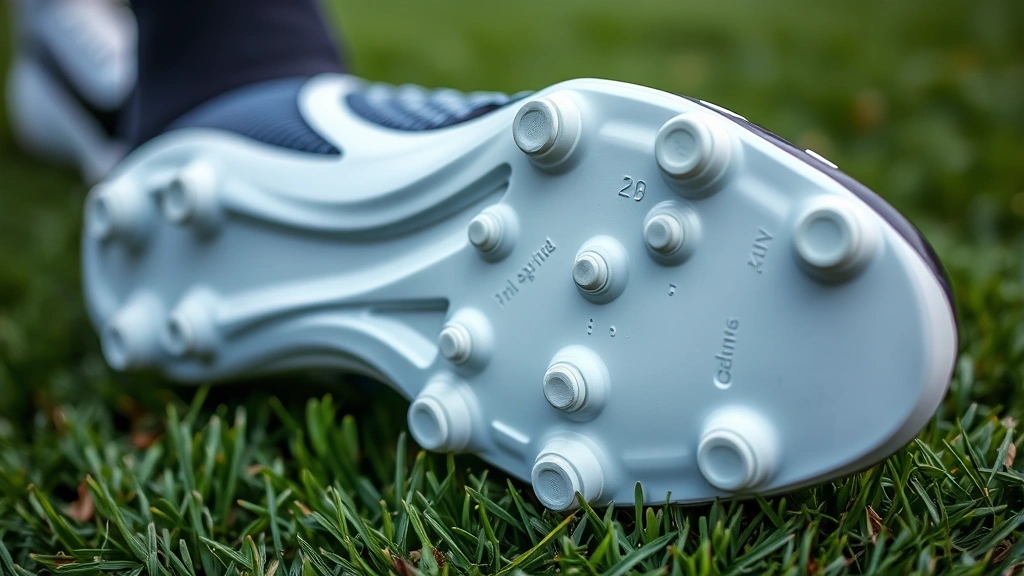
Firm Ground (FG) Cleats feature a traditional stud pattern with multiple plastic or rubber studs arranged across the outsole. These are the most versatile option for youth players, performing well on natural grass fields and providing reliable traction across various conditions. FG cleats are ideal for recreational leagues, school programs, and most youth competitions where field conditions vary throughout the season.
Soft Ground (SG) Cleats have fewer, more prominent studs that dig deeper into wet or muddy surfaces. These are excellent for youth athletes playing in rainy climates or on particularly soft, waterlogged fields. However, SG cleats can feel unstable on harder ground, making them a specialized choice rather than an all-purpose option.
Artificial Ground (AG) Cleats feature numerous small rubber studs designed specifically for artificial turf surfaces. Many modern youth football facilities use synthetic turf, making AG cleats increasingly popular. These cleats provide superior grip on artificial surfaces while reducing the rotational stress that can lead to knee injuries. Check your high school football scores venue to determine which surface type you’ll encounter most frequently.
Most youth athletes benefit from FG cleats as their primary option, with AG cleats as a secondary choice if they frequently play on synthetic surfaces. This dual approach covers the majority of playing scenarios without requiring excessive equipment investment.
Key Features That Matter Most
Beyond cleat type, several critical features distinguish high-quality youth football cleats from mediocre options. Understanding these elements ensures you’re investing in footwear that genuinely enhances performance rather than simply looking the part.
Ankle Support and Collar Design play crucial roles in injury prevention and stability. Youth football involves rapid directional changes, lateral cuts, and explosive movements that place significant stress on ankle structures. Look for cleats with padded collars that provide snug support without restricting blood flow or causing discomfort. Mid-cut designs offer more ankle stability than low-cut options, though some athletes prefer the lighter feel of low-cuts. This decision often comes down to individual preference and ankle strength, but developing players generally benefit from added support. Understanding how to avoid sports injuries includes selecting equipment that minimizes ankle-related trauma.
Cushioning Technology impacts comfort during extended play and training sessions. Modern youth football cleats incorporate foam padding in the insole, heel counter, and forefoot areas to absorb impact forces during running, jumping, and cutting movements. Responsive cushioning reduces fatigue, allows players to maintain explosive performance throughout games, and protects developing growth plates from excessive stress.
Upper Material Quality determines durability, breathability, and touch on the ball. Premium synthetic materials or leather uppers provide better ball control feedback, essential for developing young athletes learning proper technique. Quality materials also resist tearing and maintain their structural integrity throughout the season, justifying slightly higher initial investment through extended product lifespan.
Stud Configuration and Composition directly affect traction without compromising comfort. Molded rubber studs provide excellent all-around performance and durability, while conical studs offer superior rotation and agility. The number and spacing of studs influence stability and ground contact, with wider spacing reducing mud accumulation on artificial surfaces.
Heel-to-Toe Drop refers to the height difference between heel and forefoot. Most youth football cleats feature 8-12mm drops, providing a balanced platform that encourages natural running mechanics. Excessive drops can alter biomechanics, while minimal drops require stronger foot and ankle muscles to stabilize.
Top Youth Football Cleat Brands and Models
Leading athletic manufacturers have invested heavily in youth football cleat development, recognizing the importance of proper footwear for young athletes. These established brands combine performance technology with durability and style.
Nike Phantom and Mercurial Series dominate the youth football market with innovative designs and proven performance features. The Phantom line emphasizes ball control and stability, making it excellent for developing technique and confidence. Mercurial cleats prioritize speed and agility, appealing to youth athletes focused on acceleration and explosive movements. Both lines offer multiple colorways and sizing options specifically for younger players.
Adidas Predator and Copa Models represent another premium option trusted by youth programs nationwide. Predator cleats feature textured upper surfaces that enhance ball control and striking accuracy, particularly beneficial for developing young kickers and receivers. Copa cleats provide exceptional comfort and a traditional feel that many youth athletes prefer, with leather construction that molds to individual foot shapes over time.
Puma Future and Ultra Collections offer excellent value propositions without sacrificing performance. These cleats provide solid ankle support, responsive cushioning, and reliable traction at price points more accessible to families managing multiple youth sports expenses. Puma’s innovative sock-like collar design offers unique comfort benefits and a secure fit.
New Balance Tekela and Furon Models cater to youth athletes seeking alternatives to dominant brands. These cleats feature responsive cushioning, stable platforms, and quality construction that rivals premium competitors while maintaining competitive pricing. New Balance’s sizing tends to run true, simplifying the fitting process.
Consult Peak Play Arena Blog for detailed reviews and comparative analysis of these top performers, helping you narrow options based on specific needs and preferences.
Proper Fit and Sizing Guidelines
Incorrect sizing represents one of the most common mistakes parents make when purchasing youth football cleats. Ill-fitting footwear causes blisters, reduces performance, increases injury risk, and creates negative associations with the sport.
Measurement Process should occur in the afternoon or evening when feet are naturally slightly swollen from daily activity. Measure both feet, as slight asymmetries are common. Stand on a flat surface with weight distributed evenly, and measure from heel to longest toe. This measurement provides your baseline shoe size.
Sizing Considerations differ between brands, so always check specific sizing charts rather than assuming consistency. Generally, youth football cleats should fit snugly through the midfoot and heel while allowing approximately one thumb’s width of space at the toe box. This prevents excessive sliding during cuts while accommodating natural foot swelling during play. Socks designed for football—thicker than casual options—should be worn during fitting sessions to account for their bulk.
Growth Accommodation presents a challenge for youth athletes experiencing rapid foot development. Purchasing cleats one-half size larger than current measurements seems tempting for extended wear, but oversized cleats compromise stability and increase blister risk. Instead, plan for annual replacement during growth years, or purchase from retailers offering hassle-free returns if growth occurs faster than anticipated.
Break-In Period typically requires 2-3 wearing sessions before cleats feel completely comfortable. Expect minor stiffness in new cleats, but severe pain or blistering indicates sizing problems. Wear cleats during practice sessions rather than immediately before important games, allowing time for material softening and foot adjustment.
Visit college football predictions pages to see what equipment elite-level athletes use, as proper fit principles remain consistent across all competitive levels.

Maintenance and Longevity
Proper maintenance extends youth football cleat lifespan, protecting your investment and ensuring consistent performance throughout the season.
Cleaning Protocol should occur after each practice or game. Remove dried mud using a soft brush or cloth, then gently rinse cleats with cool water. Avoid pressure washers or hot water, which can damage materials and adhesives. Air dry naturally at room temperature, never placing cleats near direct heat sources that can warp the structure. Stuff newspaper inside cleats during drying to absorb moisture and maintain shape.
Stud Maintenance ensures optimal traction throughout the season. Periodically inspect studs for damage or excessive wear. Molded studs cannot be replaced, so excessive wear may necessitate new cleats. Screw-in studs, available on premium models, can be replaced individually as they wear, extending overall cleat lifespan significantly.
Storage Conditions impact material longevity. Store cleats in cool, dry locations away from direct sunlight, which can fade colors and degrade materials. Ensure complete drying before storage to prevent mold and mildew growth. Use shoe bags or storage boxes to protect cleats from dust and damage.
Off-Season Care preserves cleats during months of non-use. Clean thoroughly before storage, ensure complete dryness, apply leather conditioner if applicable, and store in climate-controlled environments. This preparation ensures cleats remain ready for the next season without deterioration.
Budget Considerations
Youth football cleat pricing ranges dramatically, from budget options under $50 to premium models exceeding $200. Understanding value at different price points helps optimize your investment.
Budget Options ($40-$80) provide basic functionality for recreational players or those just beginning their football journey. These cleats offer adequate support and traction without advanced cushioning or premium materials. They’re ideal for young athletes still determining their commitment level or families managing tight budgets. Expect shorter lifespan and less refined comfort compared to premium options.
Mid-Range Cleats ($80-$140) represent the sweet spot for most youth athletes. These options combine quality construction, solid performance features, and respectable durability at accessible prices. Most young players competing at competitive levels find mid-range cleats provide excellent value without excessive expense. Brands competing in this segment continuously innovate to differentiate offerings.
Premium Cleats ($140-$220+) feature cutting-edge technology, premium materials, and brand prestige. While these cleats offer superior comfort and performance, the additional benefits may not justify the cost for developing young athletes still learning fundamentals. Premium options make sense for elite-level youth competitors or those playing multiple seasons in the same pair.
Cost-Saving Strategies include purchasing previous season models at discount prices, buying from outlet retailers, and timing purchases for holiday sales. Many retailers offer significant discounts on last season’s colorways when new models launch. Additionally, investing in proper best strength training exercises for runners and developing athletes reduces injury risk, potentially extending cleat lifespan by minimizing stress-related damage.
Consider purchasing from retailers offering price matching or return policies, allowing exchanges if sizing proves incorrect or performance disappoints. This flexibility reduces financial risk when purchasing for growing young athletes.
Building sports team bonding activities often includes group equipment purchases, where coaches negotiate bulk discounts with retailers—a strategy worth exploring with your youth program.
FAQ
What’s the difference between youth and adult football cleats?
Youth cleats feature narrower widths, shorter overall lengths, and proportionally larger toe boxes suited to developing feet. They incorporate age-appropriate cushioning and ankle support, recognizing that young athletes’ growth plates remain sensitive to excessive stress. Adult cleats would feel uncomfortable and potentially cause injury if worn by youth players.
Can my child wear soccer cleats for football?
While soccer and football cleats share similar basic designs, they’re optimized for different sports. Football cleats typically feature more aggressive ankle support and different stud configurations suited to football’s multidirectional movements and cutting patterns. Soccer cleats prioritize ball control and lighter weight. Using soccer cleats for football is possible but suboptimal, potentially increasing injury risk and reducing performance.
How often should youth football cleats be replaced?
Replacement frequency depends on usage intensity, player weight, and playing surface. Most youth athletes require new cleats annually due to rapid foot growth and wear accumulation. Heavier players or those playing year-round may need replacements every 6-8 months. Inspect studs regularly—when studs become significantly worn or damaged, replacement is necessary.
Are screw-in studs better than molded studs for youth players?
Screw-in studs offer versatility and extended lifespan through individual replacement, but they’re typically found on premium cleats. Molded studs are permanent and cannot be replaced, but they provide excellent all-around performance and durability for most youth applications. For developing players, molded studs are usually adequate and more affordable.
Should youth athletes wear insoles or orthotics in their cleats?
Standard insoles included with quality cleats provide adequate support for most youth players with normal foot structure. Custom orthotics may benefit players with specific foot conditions or biomechanical issues, but these should be recommended by sports medicine professionals or podiatrists. Ensure any additional insoles don’t create excessive bulk, which can compromise fit.
Can my child wear cleats on artificial turf?
Yes, but surface-specific cleats perform better. Firm ground cleats work on artificial turf but may catch excessively, increasing injury risk. Artificial ground cleats are specifically designed for synthetic surfaces with numerous small studs that provide traction without excessive catching. If your child plays primarily on artificial turf, AG cleats are the superior choice.


