
OSAA Football Workouts: Expert Tips for Peak Performance
The Oregon School Activities Association (OSAA) sets the standard for high school football excellence across the state, and athletes competing at this level need training programs that go beyond basic conditioning. Whether you’re preparing for high school football scores recognition or building a foundation for collegiate opportunities, understanding the science-backed workout principles that elite OSAA programs utilize is essential for dominating on the field.
OSAA football demands explosive power, sustained endurance, tactical intelligence, and injury resilience. The athletes who excel combine periodized strength training, sport-specific conditioning, and recovery protocols that align with modern exercise physiology. This comprehensive guide reveals the expert strategies that transform ordinary athletes into championship-caliber performers ready to compete at Oregon’s highest competitive levels.
Understanding OSAA Football Demands
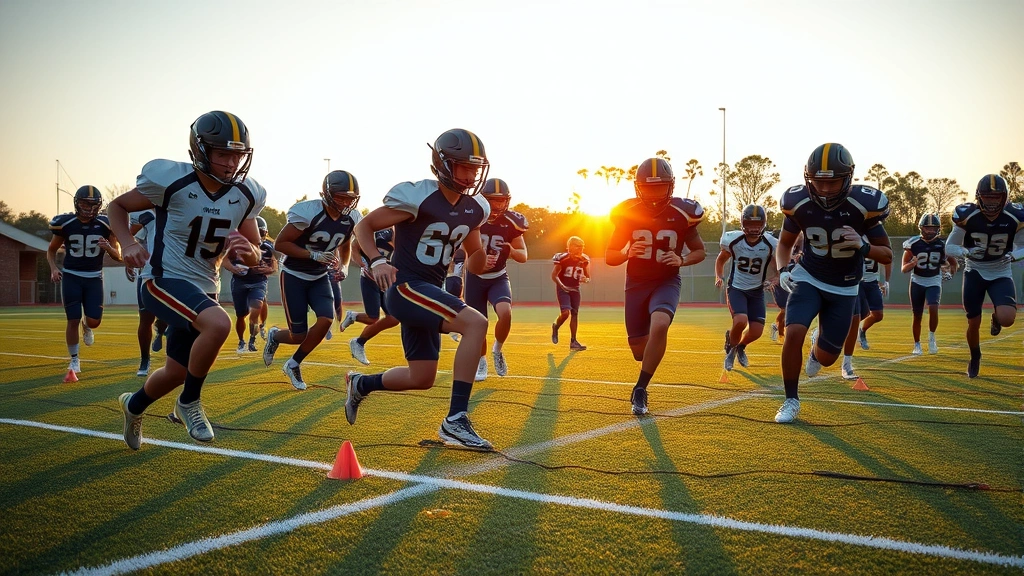
OSAA football operates within Oregon’s competitive high school athletic framework, featuring multiple classification levels from 6A to 1A, each presenting unique challenges and competitive intensities. Athletes in this system face multi-directional movement demands, rapid acceleration-deceleration cycles, and sustained cardiovascular output across four 12-minute quarters with minimal rest periods.
The biomechanical requirements of football—including linear sprinting, lateral shuffling, vertical jumping for contested catches, and explosive tackling mechanics—demand a comprehensive training approach that addresses all three energy systems: the phosphocreatine system (0-10 seconds), anaerobic glycolytic system (10 seconds to 2 minutes), and aerobic oxidative system (2+ minutes). According to research from the American College of Sports Medicine, football players require training adaptations across all three energy pathways, with emphasis shifting based on positional demands.
Defensive linemen need explosive power and sustained strength endurance. Wide receivers require acceleration, top-end speed, and change-of-direction ability. Quarterbacks demand rotational power, upper-body stability, and cardiovascular consistency. Linebackers need multidirectional agility combined with maximal strength. Understanding your specific positional demands allows you to customize training recommendations from fitness experts for maximum relevance.
Periodized Strength Training Programs
Periodization represents the cornerstone of effective OSAA football training, organizing the training year into distinct phases that progressively build strength, power, and sport-specific capabilities. The annual macrocycle typically divides into four phases: preparation (hypertrophy and work capacity), strength development, power conversion, and competition maintenance.
Preparation Phase (Weeks 1-4)
Begin the training year with higher volume, moderate intensity work establishing the muscular foundation. This phase emphasizes:
- Compound lift variations: back squats, deadlifts, bench press, overhead press
- Repetition ranges of 8-12 reps per set at 70-80% one-rep maximum
- 3-4 sets per exercise with 60-90 second rest intervals
- Inclusion of accessory work addressing muscular imbalances
- General conditioning circuits building work capacity
Strength Development Phase (Weeks 5-8)
Transition to lower volume, higher intensity training maximizing neuromuscular recruitment:
- Primary lifts performed at 3-5 rep ranges at 85-95% one-rep maximum
- 2-3 sets of compound movements with 2-3 minute rest periods
- Supplemental exercises at 6-8 reps addressing weak points
- Explosive movement inclusion: medicine ball throws, plyometric circuits
- Sport-specific conditioning maintaining cardiovascular capacity
Power Conversion Phase (Weeks 9-11)
Apply developed strength to sport-specific explosive movements:
- Olympic lift variations: power cleans, push presses, hang snatches
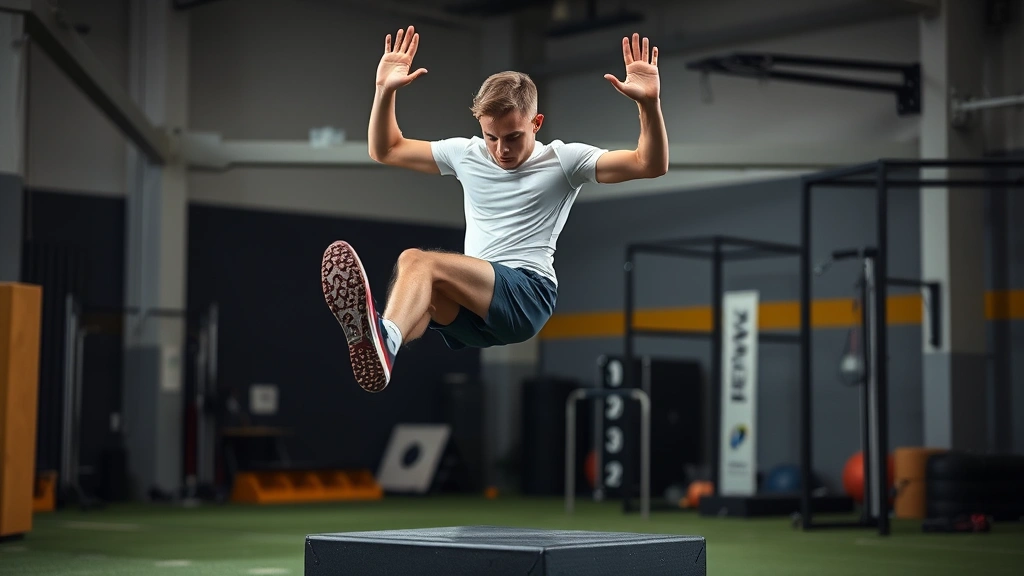
- Plyometric progressions: box jumps, bounding sequences, reactive drills
- Movement velocities emphasizing speed and acceleration
- Position-specific power work simulating game demands
- Tactical field conditioning increasing game-realistic intensity
Competition Phase (Weeks 12+)
Maintain developed qualities while prioritizing recovery and tactical preparation:
- Reduced training volume (60-70% of preparation phase)
- Maintenance lifts at 80-85% one-rep maximum, 2-3 sets
- Explosive movement maintenance: 1-2 sessions weekly
- Position-specific skill work and film study
- Enhanced recovery protocols and injury prevention emphasis
Research from the National Strength and Conditioning Association demonstrates that periodized training produces superior strength gains and injury reduction compared to non-periodized approaches in adolescent athletes.
Explosive Power Development
Explosive power separates elite OSAA football players from average competitors. The ability to generate maximum force in minimal time—measured in watts per kilogram of body weight—directly correlates with sprint acceleration, vertical jump height, and tackle intensity. Power development requires specific training methodologies distinct from pure strength work.
Plyometric Progressions
Plyometric exercises exploit the stretch-shortening cycle, training muscles to rapidly transition from eccentric (lengthening) to concentric (shortening) contractions. Implement progressions based on individual readiness:
- Beginner: Double-leg box jumps (12-18 inches), broad jumps for distance, medicine ball chest passes
- Intermediate: Single-leg box jumps, depth jumps from 18-24 inches, rotational medicine ball slams
- Advanced: Reactive depth jumps with immediate vertical rebound, single-leg bounding sequences, explosive lateral bounds
Perform plyometric work 2-3 times weekly on non-consecutive days, completing 3-6 sets of 3-5 reps per exercise with complete neurological recovery between sets (3-5 minutes rest). The nervous system requires substantial recovery after maximal power efforts; inadequate rest compromises movement quality and increases injury risk.
Olympic Lift Variations
Power cleans, hang snatches, and push presses develop explosive hip extension, rapid ankle plantarflexion, and upper-body power transfer—movement patterns directly applicable to football. These lifts require technical proficiency; athletes should develop foundational strength before Olympic lift integration.
Perform Olympic variations at the beginning of training sessions when neural capacity is optimal. Use weights at 70-85% one-rep maximum for 2-3 reps per set, completing 3-5 sets with 2-3 minute rest intervals. Quality trumps quantity; fatigued Olympic lift execution increases injury risk substantially.
Ballistic Training Methods
Ballistic exercises emphasize rapid force application through projectile acceleration. Medicine ball throws (chest pass, overhead slam, rotational slam), kettlebell swings, and explosive dumbbell movements train power at velocities matching game demands. Implement 3-4 sets of 5-8 reps with 90-120 second rest periods.
Sport-Specific Conditioning Protocols
OSAA football conditioning must replicate the intermittent nature of competition: brief explosive efforts interspersed with variable recovery periods. Traditional steady-state running fails to develop the specific energy system demands football requires.
High-Intensity Interval Training (HIIT)
HIIT protocols alternate maximal-effort work intervals with recovery periods, developing both anaerobic power and aerobic capacity. Effective football-specific HIIT includes:
- 40-yard sprint intervals: 10-15 maximal sprints with 60-90 second recovery (walk/light jog between reps)
- Shuttle runs: 5-10-5 yard shuttle patterns (sprint 5 yards, backpedal 10 yards, sprint 5 yards in opposite direction) repeated 8-12 times with 90-120 second recovery
- Agility ladder circuits: Complex footwork patterns through agility ladders, performed for 20-30 seconds at maximal intensity with 30-60 second recovery
- Sled push/pull intervals: 30-40 yard explosive sled pushes with 90-120 second recovery, completing 6-10 reps
Implement HIIT 2-3 times weekly on non-consecutive days to allow recovery between sessions. Monitor heart rate recovery; players should achieve 70-80% maximum heart rate during work intervals and recover to 60% during rest periods.
Position-Specific Conditioning
Tailor conditioning to positional demands. Defensive linemen require sustained strength-endurance circuits combining compound lifts with minimal rest (push-ups, box jumps, medicine ball slams in 40-60 second circuits). Skill position players (receivers, defensive backs) emphasize change-of-direction speed through cone drills and reactive agility work. Injury prevention during conditioning requires progressive intensity increases and proper movement mechanics.
Game-Realistic Practice Simulation
The most effective conditioning replicates actual game demands. Implement practice structures featuring:
- Competitive 7-on-7 or 11-on-11 segments at full intensity
- Down-to-down transitions with 25-40 second rest (mirroring actual play-calling)
- Situational work (red zone offense, goal-line defense, two-minute drill scenarios)
- Environmental stress (heat acclimatization, altitude simulation if applicable)
Injury Prevention Strategies
OSAA football’s collision nature demands comprehensive injury prevention. The most common football injuries—ACL tears, shoulder dislocations, ankle sprains, hamstring strains—respond to specific preventive interventions supported by sports medicine research.
Movement Quality Assessment
Conduct baseline movement assessments identifying biomechanical deficiencies predisposing athletes to injury. Functional Movement Screen (FMS) protocols, single-leg stance stability tests, and dynamic knee valgus assessments reveal compensatory patterns requiring corrective exercise.
Eccentric Strength Development
Eccentric training—emphasizing the lengthening phase of muscle contractions—builds tissue resilience and injury tolerance. Eccentric hamstring work specifically reduces ACL injury risk in football populations. Implement:
- Nordic hamstring curls: 3-4 sets of 6-8 reps, 2x weekly
- Eccentric calf raises: 3 sets of 8-10 reps from elevated surface
- Slow eccentric push-ups: 3-4 second lowering phase, 2-3 sets of 8-10 reps
Ankle and Knee Stability
Single-leg balance training, proprioceptive ankle work, and lateral chain strengthening (glute medius, tensor fasciae latae) reduce ankle sprain and knee injury incidence. Include 10-15 minutes of stability work 3-4 times weekly:
- Single-leg balance on unstable surfaces (BOSU ball, balance disc)
- Lateral band walks with resistance band
- Carioca (grapevine) walks for lateral hip stability
- Monster walks combining forward progression with lateral band resistance
Shoulder Health and Rotator Cuff Resilience
Football demands generate substantial shoulder stress through throwing, blocking, and tackling. Rotator cuff strengthening prevents impingement and instability:
- External rotation at 90/90 position (shoulder abducted 90°, elbow flexed 90°)
- Prone Y-T-W raises for posterior shoulder chain
- Scapular push-ups emphasizing scapular retraction
- Band pull-aparts for rear deltoid activation
Perform rotator cuff work 3-4 times weekly, completing 2-3 sets of 12-15 reps with light resistance emphasizing control.
Proper Technique and Tackling Mechanics
Coaching proper tackling technique—maintaining neutral spine, driving through legs, keeping head up—prevents cervical spine injuries and improves tackle effectiveness. Dedicate practice time to tackling instruction and progression from bag drills to controlled partner work before full-contact implementation.
Recovery and Nutrition Optimization
Training stimulus creates adaptation potential; recovery and nutrition determine whether adaptation occurs. OSAA athletes competing at peak intensity require sophisticated recovery strategies.
Sleep Optimization
Sleep represents the most powerful recovery modality, driving hormone regulation, immune function, and neuromuscular adaptation. Target 8-10 hours nightly through:
- Consistent sleep-wake schedules (even weekends)
- Cool, dark sleeping environment (65-68°F optimal)
- Elimination of blue light 60-90 minutes before bed
- Avoidance of caffeine after 2 PM
- Pre-sleep relaxation routines (deep breathing, meditation)
Nutrition for Performance and Recovery
Macronutrient targets supporting OSAA football performance include:
- Protein: 1.6-2.2 grams per kilogram body weight daily, distributed across 4-5 meals for optimal muscle protein synthesis
- Carbohydrates: 5-7 grams per kilogram for moderate training intensity; 7-10 grams per kilogram during competition weeks
- Fat: 1.0-1.5 grams per kilogram supporting hormone production and nutrient absorption
Implement strategic carbohydrate timing: consume 1-4 grams per kilogram 1-4 hours pre-workout and 1.0-1.2 grams per kilogram immediately post-workout with protein to maximize glycogen repletion and muscle protein synthesis.
Hydration Protocols
Dehydration impairs strength output, power production, and cognitive function. Implement individualized hydration strategies:
- Pre-practice baseline hydration: 400-600 mL (14-20 oz) fluid 2-3 hours before activity
- During practice: 150-250 mL (5-8 oz) every 15-20 minutes during activity exceeding 60 minutes
- Post-practice rehydration: 150% of fluid lost (measured by body weight change) over 4-6 hours with sodium inclusion promoting retention
Active Recovery Modalities
Implement 1-2 active recovery sessions weekly featuring low-intensity movement (10-30 minutes walking, swimming, or cycling at conversational intensity) promoting blood flow and metabolic waste clearance without additional training stress.
Mental Performance Enhancement
Physical preparation represents only half of OSAA football excellence. Mental resilience, tactical intelligence, and competitive focus determine performance in high-pressure situations.
Visualization and Mental Rehearsal
Elite athletes utilize visualization, mentally rehearsing successful performance. Implement daily visualization sessions (5-10 minutes) featuring:
- Detailed sensory imagery: sight, sound, proprioceptive feedback
- Successful execution of position-specific skills
- Pressure situations handled with composure and excellence
- Post-success emotional states (confidence, determination, focus)
Stress Inoculation Training
Controlled exposure to stressful training conditions builds psychological resilience. Implement:
- High-pressure practice situations with consequences
- Environmental stressors (heat, fatigue, time pressure)
- Competition simulation with scorekeeping and team evaluation
- Deliberate practice of critical situations (fourth-quarter scenarios, pressure kicks, red-zone offense)
Goal Setting and Performance Tracking
Establish specific, measurable, achievable, relevant, time-bound (SMART) goals addressing:
- Strength metrics: squat, deadlift, and bench press one-rep maximums
- Power outputs: vertical jump height, broad jump distance, 40-yard dash time
- Sport-specific skills: completion percentage (QBs), yards after catch (receivers), tackle efficiency (defense)
- Behavioral targets: practice attendance, film study hours, recovery compliance
Track progress weekly, celebrating improvements and adjusting strategies based on performance data. Research from sports psychology demonstrates goal-directed athletes achieve superior outcomes compared to those without formal goal structures.
Implement these expert strategies systematically, recognizing that OSAA football success requires coordinated emphasis on strength, power, conditioning, injury prevention, recovery, and mental resilience. Athletes committing to comprehensive periodized programs, sport-specific conditioning, and recovery optimization position themselves to dominate competition and potentially advance to collegiate football opportunities.
FAQ
What’s the ideal training frequency for OSAA football athletes?
Training frequency depends on competition schedule and training phase. During off-season preparation, 4-5 training days weekly optimizes adaptation. During competition, reduce to 2-3 strength sessions plus position-specific skill work, prioritizing recovery and injury prevention. Always include 1-2 complete rest days weekly.
How long should OSAA football training sessions last?
Optimal training sessions span 60-90 minutes including warm-up, primary strength work, supplemental exercises, and conditioning. Sessions exceeding 90 minutes compromise performance quality and recovery capacity. Efficiency trumps duration; prioritize movement quality over volume.
When should athletes begin Olympic lift training?
Athletes should develop foundational strength (ability to perform 20+ push-ups, single-leg squats, and planks for 90+ seconds) before Olympic lift introduction. Begin with simplified variations (hang power cleans, push presses) under qualified coaching before progressing to full Olympic lifts.
How does OSAA football training differ from other classifications?
Core principles remain consistent across OSAA classifications, but intensity and sophistication scale with competitive level. 6A programs typically feature more advanced periodization and specialized coaching, while smaller classifications emphasize fundamental strength and conditioning principles. Regardless of classification, systematic progression and injury prevention remain paramount.
What role does film study play in OSAA football preparation?
Film study develops tactical intelligence and decision-making speed. Dedicate 30-45 minutes weekly to opponent film and personal performance review, analyzing schemes, tendencies, and execution. Mental preparation through film study complements physical training for comprehensive athlete development.
Should OSAA athletes use supplements?
Prioritize food-based nutrition before supplements. Whole foods provide superior micronutrient profiles and bioavailability. Creatine monohydrate (5g daily) and whey protein powder represent evidence-supported supplements when food intake proves insufficient. Consult sports dietitians before implementing other supplements.


