
Best Cardio Workouts? Fitness Coach Recommends
Cardiovascular fitness stands as one of the most transformative pillars of athletic performance and overall health. Whether you’re an aspiring athlete preparing for competition or someone committed to building endurance capacity, strategic cardio training delivers measurable results. Elite athletes across all sports—from football to distance running—rely on scientifically-designed cardio protocols to maximize oxygen utilization, improve heart health, and enhance recovery capabilities. This comprehensive guide reveals the evidence-backed cardio strategies that fitness coaches recommend for achieving peak performance and sustainable fitness gains.
The intersection of sports performance and cardiovascular conditioning has never been more critical. Modern athletes understand that cardio workouts extend far beyond simple running on a treadmill. Instead, they employ varied intensities, strategic recovery periods, and sport-specific movements to build the aerobic and anaerobic systems necessary for competitive excellence. Understanding these methodologies helps you structure training that delivers real-world athletic improvements.

High-Intensity Interval Training (HIIT) for Maximum Performance
High-Intensity Interval Training represents the gold standard for athletes seeking rapid cardiovascular adaptations and improved work capacity. HIIT protocols alternate between maximum-effort bursts and recovery periods, triggering metabolic responses that extend far beyond the workout itself. According to research from the American College of Sports Medicine, HIIT produces superior cardiovascular improvements compared to moderate-intensity continuous training in significantly less time.
The physiological mechanisms behind HIIT effectiveness include elevated excess post-exercise oxygen consumption (EPOC), improved mitochondrial density, and enhanced insulin sensitivity. For football players and other competitive athletes, these adaptations translate directly to improved sprint performance, faster recovery between plays, and sustained energy throughout competition. A typical HIIT session might include 30 seconds of all-out effort followed by 90 seconds of active recovery, repeated 8-12 times. This structure creates sufficient stimulus for adaptation while maintaining movement quality and reducing injury risk.
Implementing HIIT safely requires proper progression. Begin with shorter work intervals and longer recovery periods, gradually adjusting the ratio as your fitness improves. This approach allows your nervous system to adapt while building the muscular endurance necessary for repeated high-intensity efforts. Athletes should incorporate HIIT sessions 1-2 times weekly, allowing adequate recovery for nervous system restoration and injury prevention.
Steady-State Cardio and Aerobic Base Building
While HIIT captures headlines, steady-state cardio remains foundational for long-term athletic development. Moderate-intensity continuous exercise performed at 60-75% maximum heart rate builds aerobic capacity, improves fat oxidation, and enhances recovery between intense training sessions. This aerobic base allows athletes to sustain efforts longer while maintaining technical proficiency and decision-making quality.
Steady-state cardio sessions typically last 30-60 minutes at conversational intensity—you should maintain the ability to speak in complete sentences. For football athletes specifically, this might include distance running, cycling, or rowing at controlled paces. The benefits extend beyond physical adaptation; consistent aerobic work reduces inflammation, improves cardiovascular health markers, and builds psychological resilience through sustained effort.
Coaches recommend incorporating 2-3 steady-state sessions weekly, strategically placed on days following intense training or competition. This active recovery approach accelerates lactate clearance, reduces muscle soreness, and maintains fitness without imposing additional stress on the nervous system. The combination of steady-state and high-intensity work creates a comprehensive training stimulus that addresses multiple fitness qualities simultaneously.
IMAGE_2
Sport-Specific Cardio Conditioning
Effective cardio training mirrors the demands of competitive performance. Football requires explosive acceleration, rapid directional changes, and sustained efforts interrupted by brief recovery periods. This distinct pattern demands sport-specific conditioning that transcends traditional running protocols. Preventing sports injuries becomes easier when training mimics actual competition demands.
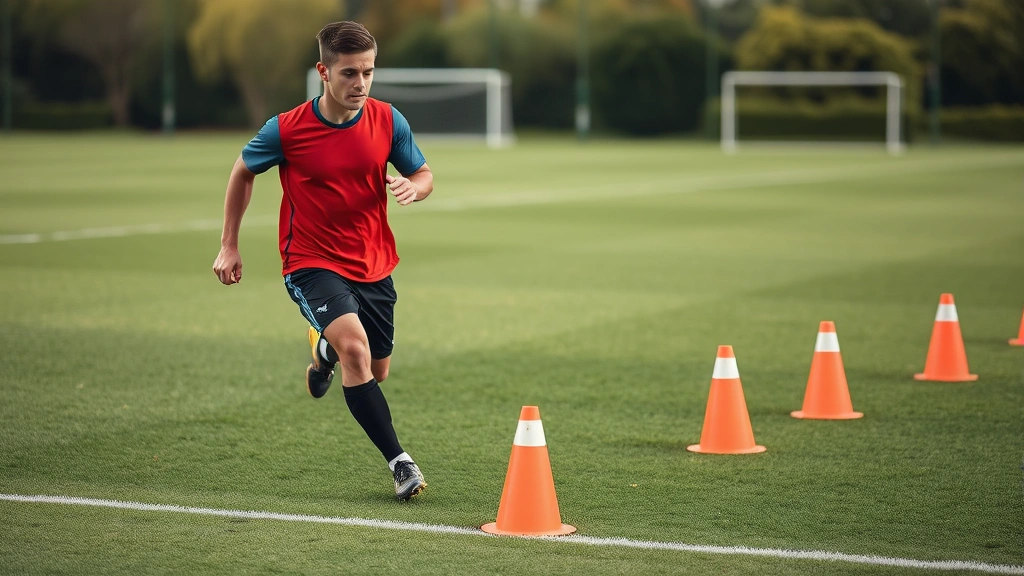
Shuttle running, cone drills, and agility-based circuits replicate the intermittent nature of football play. These movements develop cardiovascular fitness while simultaneously improving change-of-direction ability, deceleration control, and body awareness. Resisted sprints using sleds or parachutes provide additional stimulus, forcing athletes to overcome external resistance while maintaining cardiovascular intensity.
Sport-specific conditioning also addresses positional demands. Linemen require sustained low-speed efforts with explosive bursts, while skill position players need rapid acceleration capacity with extended recovery periods. Tailoring cardio work to these specific demands ensures training transfers directly to competitive performance. Coaches analyzing high school football scores recognize that teams with superior conditioning consistently outperform opponents in fourth-quarter situations.
Recovery and Active Cardio Sessions
Strategic recovery sessions represent an underutilized component of comprehensive cardio programming. Active recovery at very low intensities (50-60% maximum heart rate) promotes blood flow, facilitates nutrient delivery to recovering muscles, and accelerates waste product removal without imposing additional training stress. These sessions should feel genuinely easy—if you’re breathing hard, intensity is too high.
Walking, light cycling, swimming, and rowing at conversational paces all serve as effective recovery modalities. The duration typically ranges from 20-40 minutes, long enough to stimulate circulatory benefits without triggering significant metabolic demand. Athletes often underestimate recovery’s importance, yet consistent low-intensity activity separates elite performers from their peers.
Recovery sessions also provide mental benefits. The psychological relief from sustained intense training, combined with time for reflection and planning, enhances overall athlete well-being. Incorporating sports team bonding activities into recovery sessions strengthens team cohesion while maintaining fitness.
Cardio Workouts for Football Athletes
Football demands unique cardiovascular capabilities. Players experience explosive efforts lasting 5-10 seconds, followed by 30-40 second recovery periods, repeated throughout 60-minute contests. This work-to-rest ratio demands specific conditioning protocols that build both aerobic capacity and anaerobic power.
The “football conditioning” protocol alternates 10-second maximum-effort sprints with 50 seconds of walking recovery, repeated 12-15 times. This structure precisely matches competitive demands while developing the capacity to produce repeated high-intensity efforts. Players emerge from these sessions significantly more prepared for fourth-quarter situations when fatigue compromises decision-making and technique.
Sled pushes, prowler training, and battle rope circuits provide additional conditioning stimulus while building lower body strength simultaneously. These movements develop the explosive power necessary for rapid acceleration while building the aerobic capacity required for sustained performance. Athletes interested in comparing competitive performances benefit from understanding Thursday night football scheduling and player conditioning requirements across leagues.
Implementing periodized cardio programming ensures consistent progress. Early season emphasizes aerobic base building through steady-state work. Mid-season introduces interval training to build work capacity. Late season maintains fitness through maintenance protocols requiring less volume. This strategic progression prevents plateaus while managing fatigue and injury risk throughout extended competitive seasons.
IMAGE_3
Measuring Progress and Adjusting Intensity
Effective cardio programming requires objective progress measurement. Heart rate recovery—the decrease in heart rate during the first minute following exercise—provides a reliable fitness indicator. Improved heart rate recovery reflects enhanced cardiovascular efficiency and aerobic capacity. Athletes should measure resting heart rate weekly; improvements indicate positive training adaptations.
VO2 max testing offers the most comprehensive fitness assessment. This measurement quantifies maximum oxygen utilization during maximal exercise, directly correlating with endurance performance. While laboratory testing provides precise values, field tests like the 1.5-mile run or Yo-Yo Intermittent Recovery Test offer practical alternatives for coaches and athletes. Tracking these metrics quarterly ensures training produces measurable improvements.
Subjective measures matter equally. Rate of perceived exertion (RPE) helps athletes self-regulate intensity appropriately. The ability to complete predetermined distances faster or cover greater distances in fixed timeframes indicates improved fitness. Coaches should establish baseline measurements before implementing new cardio protocols, then reassess every 4-6 weeks to document progress.
Adjusting intensity based on performance data prevents overtraining while maximizing adaptation. If athletes show inadequate progress, increasing work interval duration or decreasing recovery periods provides additional stimulus. Conversely, persistent fatigue, elevated resting heart rate, or performance plateaus signal the need for reduced volume and increased recovery emphasis.
Understanding sports science principles enhances programming effectiveness. The National Center for Biotechnology Information publishes extensive research on exercise physiology and training adaptation. Coaches interested in fitness coaching insights should regularly review current research to incorporate evidence-backed methodologies.
FAQ
How often should athletes perform HIIT workouts?
Incorporate HIIT sessions 1-2 times weekly maximum. These intense efforts require substantial recovery; performing HIIT more frequently compromises quality and increases injury risk. Most athletes benefit from spacing HIIT sessions 48-72 hours apart, allowing complete nervous system recovery.
What’s the ideal duration for steady-state cardio sessions?
Steady-state cardio typically lasts 30-60 minutes at conversational intensity. Beginners should start at 20-30 minutes, gradually increasing duration as aerobic capacity improves. Longer sessions build superior aerobic base but require adequate recovery and injury prevention strategies.
Can cardio training replace strength training?
Absolutely not. While cardio builds cardiovascular fitness, strength training develops muscular power, prevents injury, and improves athletic performance. Elite athletes combine both modalities strategically. Comprehensive programming includes 2-3 strength sessions weekly plus 3-4 cardio sessions of varying intensity.
How does cardio training improve football performance?
Improved cardiovascular fitness enhances oxygen delivery to muscles, delays fatigue onset, accelerates recovery between plays, and improves decision-making during intense competition. Athletes with superior conditioning maintain technique and cognitive function when opponents fade.
Should athletes perform cardio before or after strength training?
Prioritize strength training when nervous system resources peak—typically early in sessions. Perform light cardio before strength work for warm-up purposes, then complete more substantial cardio afterward or on separate days. This sequencing preserves strength development while building cardiovascular fitness.
What role does nutrition play in cardio training adaptations?
Nutrition fundamentally supports training recovery and adaptation. Adequate carbohydrates fuel high-intensity efforts, protein supports muscle repair, and hydration maintains performance. Athletes should consume balanced meals containing protein, carbohydrates, and healthy fats while staying consistently hydrated throughout training.
Comprehensive cardio programming transforms athletic performance through strategic application of evidence-backed principles. Whether implementing training across top sports globally or focusing on specific competitive demands, the combination of HIIT, steady-state work, and sport-specific conditioning builds the cardiovascular foundation necessary for excellence. Begin with honest assessment of current fitness, implement progressive increases in training stimulus, and consistently monitor objective progress indicators. The discipline required for consistent cardio training develops mental toughness equally valuable in competitive situations. Your commitment to strategic cardiovascular conditioning directly determines your capacity to perform when competition matters most.


