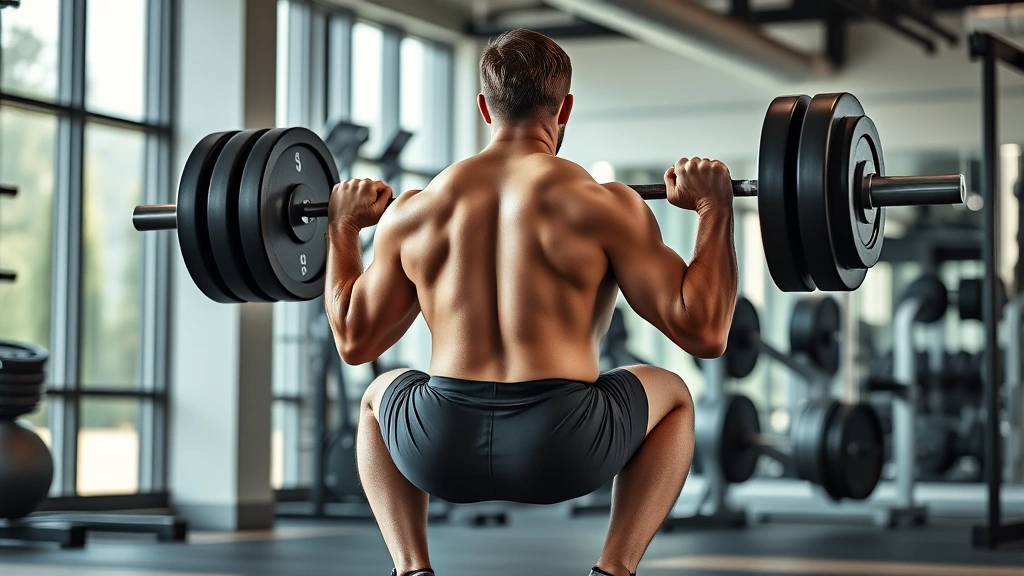
Do Squats Build Muscle? Trainer Insights on Lower Body Development
Squats stand as one of the most effective exercises for building muscle, particularly in the lower body. Whether you’re an athlete training for competitive sports performance or someone focused on general fitness, understanding how squats contribute to muscle growth is essential. The answer is unequivocally yes—squats build significant muscle mass when performed correctly with progressive overload and proper nutrition.
From personal trainers to strength coaches working with elite athletes, the consensus is clear: squats are a cornerstone of any serious muscle-building program. The exercise engages multiple muscle groups simultaneously, creating an anabolic environment that triggers hypertrophy and strength gains. This comprehensive guide explores the science behind squat-induced muscle growth, training strategies, and practical implementation for maximum results.

How Squats Build Muscle: The Science
Squats trigger muscle growth through mechanical tension, metabolic stress, and muscle damage—the three primary drivers of hypertrophy according to contemporary exercise physiology research. When you perform a squat, you create significant mechanical tension on muscle fibers, which signals your body to adapt and build stronger, larger muscles.
The squat’s effectiveness stems from its compound nature. Unlike isolation exercises that target single muscles, squats recruit multiple muscle groups working synergistically. This coordinated effort elevates hormonal responses, particularly testosterone and growth hormone release, which are critical for muscle protein synthesis.
Research from the American College of Sports Medicine demonstrates that resistance training with progressive overload produces measurable hypertrophy within 6-8 weeks. Squats, being a multi-joint movement, produce superior hormonal responses compared to single-joint exercises, making them exceptionally efficient for building muscle mass across the entire lower body.
The eccentric (lowering) phase of the squat deserves particular attention. This phase creates the most muscle damage, which triggers the repair and growth process. Controlling your descent for 2-3 seconds amplifies this effect significantly.

Muscle Groups Activated During Squats
Understanding which muscles work during squats helps you appreciate why this exercise is so valuable for comprehensive lower body development. The primary movers include:
- Quadriceps: The front thigh muscles bear primary responsibility for knee extension during the squat. The vastus lateralis, vastus medialis, vastus intermedius, and rectus femoris all contribute substantially to the movement.
- Gluteus Maximus: Your largest muscle group activates powerfully during hip extension, particularly as you drive upward from the bottom position. This makes squats exceptional for glute development.
- Hamstrings: Located on the posterior thigh, hamstrings assist in hip extension and knee stability throughout the movement.
- Adductors: Inner thigh muscles stabilize your knees and contribute to the pressing action.
Secondary muscles also engage substantially during squats:
- Erector spinae (lower back stabilizers)
- Rectus abdominis and obliques (core stability)
- Gastrocnemius and soleus (calf muscles)
- Tibialis anterior (shin muscles)
This comprehensive muscle recruitment explains why squats produce such dramatic systemic effects. When you’re training for athletic performance, as discussed in our guide on avoiding sports injuries, understanding muscle activation patterns helps you train smarter and prevent imbalances.
Training Variables for Optimal Growth
Building muscle through squats requires manipulating specific training variables. Progressive overload—gradually increasing demands on your muscles—is non-negotiable for continued growth.
Repetition Ranges: Research indicates that hypertrophy occurs optimally in the 6-12 rep range, though growth can occur from 3-30 reps when taken near muscular failure. Most trainers recommend training in the 8-12 rep range for balanced strength and size gains.
Sets and Volume: Accumulating sufficient training volume drives muscle growth. Most evidence suggests 3-4 sets per exercise, performed 2-3 times weekly per muscle group, promotes optimal hypertrophy. For squats, this might mean 9-12 total sets per week targeting the legs.
Rest Periods: Shorter rest periods (60-90 seconds) create greater metabolic stress, while longer rest periods (2-3 minutes) allow heavier loads and greater mechanical tension. Alternating between these approaches throughout your training cycle optimizes multiple growth mechanisms.
Movement Tempo: Controlling your movement speed amplifies muscle damage and time under tension. A tempo of 3 seconds down, 1 second pause, 1 second up (3-1-1) creates substantial mechanical tension without requiring maximal loads.
Progressive Overload Strategies
Progressive overload is the master variable determining whether you’ll continue building muscle or plateau. Without consistently increasing demands, your muscles adapt and growth stagnates.
Implement these proven strategies:
- Increase Load: Add weight to the bar each week or every other week. Even 2.5-5 pound increments drive adaptation.
- Add Reps: If you’re performing 8 reps at a given weight, aim for 9 reps next week, then 10 before increasing weight.
- Reduce Rest Periods: Perform the same workout with shorter rest intervals, increasing metabolic stress.
- Increase Frequency: Add an additional squat session weekly, spreading volume strategically.
- Enhance Range of Motion: Move deeper within your mobility limits to increase muscle fiber recruitment.
- Decrease Deload Frequency: Extend training blocks before deloading, accumulating greater total volume.
Elite strength coaches working with athletes check our latest fitness insights regularly to stay current with progressive overload methodologies.
Nutrition and Recovery Essentials
Muscle doesn’t build in the gym—it builds during recovery. Training creates the stimulus, but nutrition and rest facilitate the actual growth process.
Protein Intake: Consume 0.7-1 gram of protein per pound of body weight daily. Protein provides amino acids necessary for muscle protein synthesis. Distribute intake across 3-4 meals for optimal muscle building efficiency.
Caloric Surplus: Building muscle requires additional energy. Maintain a modest caloric surplus of 300-500 calories above maintenance. This provides energy for intense training while supporting protein synthesis without excessive fat gain.
Carbohydrates: These fuel your training performance and support recovery. Consume 2-3 grams per pound of body weight from whole grains, fruits, and vegetables.
Healthy Fats: Support hormone production by consuming 0.3-0.4 grams per pound of body weight from nuts, seeds, avocados, and fish oils.
Hydration: Dehydration impairs muscle protein synthesis and reduces training performance. Drink at least half your body weight in ounces daily, more on training days.
Sleep: Growth hormone releases primarily during deep sleep. Prioritize 7-9 hours nightly for optimal recovery and muscle growth.
Squat Variations for Muscle Building
Varying your squat stimulus prevents adaptation plateaus and targets muscles from different angles, maximizing overall development.
Barbell Back Squat: The gold standard for building maximum muscle mass. The heavy load and posterior load position emphasize glute and hamstring development while challenging the entire lower body.
Barbell Front Squat: Places greater emphasis on quadriceps development due to anterior load positioning. Excellent for balanced leg development.
Goblet Squat: Holding a weight at chest level allows deeper ranges of motion and emphasizes quadriceps, particularly valuable for mobility development.
Bulgarian Split Squat: Single-leg variation that increases muscle activation per leg and addresses strength imbalances.
Pause Squat: Holding the bottom position for 2-3 seconds increases time under tension and metabolic stress, driving hypertrophy.
Tempo Squat: Manipulating movement speed increases muscle damage and growth stimulus.
Incorporate 1-2 squat variations weekly alongside your primary squat movement for comprehensive development.
Common Mistakes Limiting Growth
Even with perfect form, certain training errors prevent optimal muscle building. Awareness prevents these costly mistakes.
Insufficient Volume: Many lifters perform too few sets and reps to trigger significant hypertrophy. Ensure you’re accumulating 9-12 sets per muscle group weekly.
No Progressive Overload: Training with identical loads and reps produces zero growth. Systematically increase demands each week.
Poor Form Consistency: Sloppy reps reduce muscle fiber recruitment and increase injury risk. Master proper form before adding weight.
Inadequate Recovery: Skimping on sleep, nutrition, or rest days sabotages muscle growth. Recovery is non-negotiable.
Excessive Frequency: Training the same muscles daily prevents recovery and reduces growth. 2-3 sessions per muscle group weekly is optimal.
Ignoring Weak Points: Avoiding challenging exercises or ranges of motion limits balanced development. Address weaknesses directly.
Squats for Athletic Performance
Athletes from various sports recognize squats as essential for performance development. Whether competing in high school football or collegiate athletics, lower body strength from squats translates to improved performance.
Squats develop the strength foundation necessary for explosiveness, acceleration, and deceleration. Football players, basketball athletes, and track competitors all benefit from squat-induced strength gains. The exercise builds the resilience necessary to resist injuries common in collision sports.
For athletes, we recommend reviewing comprehensive sports training resources to understand how strength training complements sport-specific skill development.
Research from strength and conditioning specialists confirms that athletes performing consistent squat training demonstrate improved vertical jump height, sprint speed, and change-of-direction ability. These power markers directly translate to competitive success.
Practical Implementation Protocol
Apply these principles through a structured approach:
Weeks 1-4 (Foundation): Perform 3 squat sessions weekly at 8-10 reps per set for 3-4 sets. Focus on perfect form and consistent execution. Progress by adding 5 pounds weekly.
Weeks 5-8 (Strength Focus): Reduce reps to 5-6 per set while increasing load. Perform 4-5 sets. This builds strength foundation necessary for heavier hypertrophy work.
Weeks 9-12 (Hypertrophy Emphasis): Return to 8-12 rep range with moderate loads. Incorporate varied tempos and pause squats. Accumulate greater total volume through additional sets.
Week 13 (Deload): Reduce volume by 50% with lighter loads. Prioritize recovery and assess progress before the next cycle.
Repeat this cycle while progressively increasing baseline loads, creating long-term muscle development.
FAQ
How long before squats produce visible muscle growth?
Consistent training with proper nutrition produces measurable muscle growth within 4-6 weeks. Visible aesthetic changes typically appear within 8-12 weeks of dedicated training. Genetic factors and training experience influence individual timelines.
Can beginners build muscle with squats?
Absolutely. Beginners experience rapid muscle growth initially due to “newbie gains,” where the body responds dramatically to novel stimulus. Focus on mastering form with moderate loads before pursuing progressive overload.
How many squats per week for maximum muscle growth?
Most evidence supports 2-3 squat sessions weekly, accumulating 9-12 total sets targeting the legs. This frequency allows sufficient stimulus while permitting adequate recovery between sessions.
Do bodyweight squats build muscle?
Bodyweight squats build some muscle, particularly for untrained individuals. However, progressive resistance training with external loads produces superior hypertrophy. Bodyweight squats work best as supplementary exercises or mobility tools.
Should I squat heavy or light for muscle building?
Both approaches build muscle when volume and intensity are sufficient. Heavy loads (3-6 reps) emphasize mechanical tension, while moderate loads (8-12 reps) balance mechanical tension with metabolic stress. Combining both approaches throughout training blocks optimizes growth.
What if my knees hurt during squats?
Knee pain often indicates form issues, mobility limitations, or inadequate recovery. Review your form carefully, ensure proper knee tracking over toes, and address hip mobility limitations. Consider consulting a certified strength coach for personalized assessment.
Can women build significant muscle with squats?
Women build substantial muscle through squats, though generally less total muscle mass than men due to hormonal differences. The principles remain identical: progressive overload, adequate protein, and consistent training produce impressive results.
How does squat depth affect muscle growth?
Greater range of motion increases muscle fiber recruitment and growth stimulus. Squatting to parallel or deeper engages more muscle tissue than partial squats. Prioritize depth within your mobility limits for optimal hypertrophy.


