
Are Football Cards a Good Investment? Expert View on Topps Football Cards
The collectible sports card market has experienced explosive growth over the past decade, with Topps football cards emerging as one of the most sought-after investment vehicles for enthusiasts and serious collectors alike. Whether you’re a seasoned investor or someone exploring alternative investment opportunities beyond traditional stocks and bonds, understanding the dynamics of football card collecting requires a comprehensive analysis of market trends, player performance, card rarity, and long-term value retention. This expert guide explores whether Topps football cards represent a legitimate investment opportunity or simply a speculative bubble waiting to burst.
The resurgence of interest in collectible trading cards has transformed what was once considered a nostalgic hobby into a legitimate alternative asset class. Professional athletes, celebrities, and institutional investors have poured millions into rare cards, driving prices to unprecedented levels. However, like any investment, football cards come with inherent risks, market volatility, and factors that can dramatically impact their value. Understanding these nuances is essential before committing your capital to this market.
The Football Card Market Explosion
The collectible sports card industry has witnessed unprecedented growth, with the global market valued at over $5 billion annually. Topps football cards, particularly those from vintage eras and rookie cards of Hall of Famers, have become highly coveted by collectors worldwide. The surge began around 2020 when pandemic-driven nostalgia and stimulus payments flooded the market with new collectors seeking tangible assets and entertainment during lockdowns.
This explosion created a perfect storm of increased demand, limited supply, and media attention that drove prices skyward. Rare cards that sold for hundreds of dollars suddenly commanded five or six-figure prices. For instance, a 1952 Topps Mickey Mantle card sold for over $12 million in 2021, establishing new benchmarks for what collectors would pay for premium vintage cards. However, this meteoric rise has also attracted speculators and investors looking for quick profits, which has introduced significant volatility into the market.
Understanding the latest football news and market updates can provide valuable context for how player performance influences card values. When a quarterback or running back has an exceptional season, their card values typically surge. Conversely, injuries, trades, or declining performance can dramatically decrease card values, sometimes by 50% or more.
Understanding Topps Football Card Value Drivers
Several critical factors determine whether a Topps football card appreciates or depreciates in value. Recognizing these value drivers is essential for making informed investment decisions and avoiding costly mistakes.
Player Performance and Career Trajectory: The most significant factor affecting card value is the player’s on-field performance and career success. Rookie cards of players who become superstars or Hall of Famers appreciate substantially over time. Conversely, cards of players who underperform, suffer career-ending injuries, or face legal troubles typically decline in value. Monitoring college football predictions and player development can help identify promising prospects before their values spike.
Card Rarity and Production Numbers: Topps has produced millions of football cards across different eras, but production numbers vary significantly. Early cards from the 1950s and 1960s are inherently rarer because fewer were printed and even fewer have survived in good condition. Modern cards produced in massive quantities have lower scarcity, making appreciation more challenging. Limited edition releases, special parallel versions, and autographed variants command premium prices due to their restricted availability.
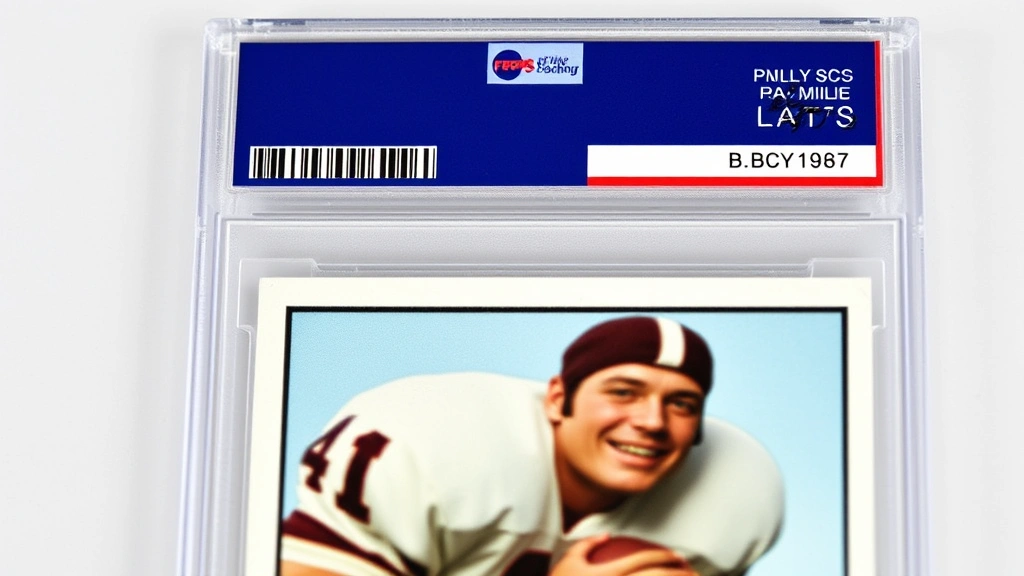
Condition and Grading: A card’s physical condition dramatically impacts its investment value. Two identical cards in different conditions can vary in price by thousands of dollars. Professional grading services like PSA, BGS, and SGC evaluate cards on a scale of 1-10, with higher grades commanding exponentially higher prices. A PSA 10 (gem mint) card is worth substantially more than a PSA 8 (near mint-mint) version of the same card.
Historical Significance: Cards with historical importance—such as a player’s rookie card, cards from championship seasons, or cards documenting significant career milestones—tend to appreciate more reliably. These cards have narrative value that extends beyond mere statistics, making them more desirable to collectors.
Market Sentiment and Trends: Like all investment markets, football card values are influenced by sentiment, trends, and speculative behavior. Social media communities, YouTube collectors, and online marketplaces like eBay drive demand and influence pricing. Understanding market psychology helps investors identify when cards are overvalued or represent genuine buying opportunities.
Investment Potential and Risk Factors
The investment potential of Topps football cards is real, but it comes with substantial risks that prudent investors must carefully evaluate before committing capital.
Positive Investment Factors: Rare, high-grade football cards have demonstrated impressive returns over extended periods. Vintage Topps cards from the 1950s-1970s have appreciated significantly, with many increasing 10-20% annually. Rookie cards of elite players typically appreciate faster than the overall market. The collectible card market has achieved mainstream acceptance, with major auction houses like Heritage Auctions and Sotheby’s now dedicating significant resources to sports cards. This institutional recognition has legitimized the asset class and attracted serious investors.
Significant Risk Factors: The market remains highly speculative, with prices driven partly by hype rather than fundamental value. Bubble risks are real—many modern cards purchased at inflated prices during the 2020-2021 frenzy have since declined 60-80% in value. Liquidity can be challenging, especially for mid-tier cards; finding buyers at reasonable prices requires patience. Market manipulation through artificial scarcity, grading service inconsistencies, and counterfeit cards pose real threats. Additionally, personal circumstances—injuries, scandals, or career disappointments—can instantly crater a player’s card value.
The fantasy football community and broader football culture create demand drivers that extend beyond traditional investment metrics. Cultural relevance, team loyalty, and regional preferences all influence card values in ways that pure financial analysis might miss.
How to Evaluate Cards for Investment
Successful football card investment requires developing evaluation skills that go beyond aesthetic appreciation. Investors must conduct thorough due diligence before purchasing cards.
Research Player Fundamentals: Before investing in a player’s cards, thoroughly research their career trajectory, statistics, injury history, and long-term potential. Consult sports analytics platforms and expert opinions. Check whether the player is positioned for Hall of Fame consideration—these cards typically appreciate more reliably than those of average players. Consider team stability and organizational strength, as players on poorly-managed franchises may underperform expectations.
Assess Card Scarcity: Determine how many copies of the specific card exist in the marketplace. Consult PSA’s population reports, which track how many cards have been graded at each grade level. Cards with lower populations are generally better investments. Be wary of cards from massive print runs—even if a player becomes a Hall of Famer, oversupply can suppress appreciation.
Verify Authentication: Purchase only cards graded by reputable services like PSA (Professional Sports Authenticator) or BGS. Ungraded cards carry counterfeit risk and are difficult to resell. The grading fee is a worthwhile investment for high-value cards, providing insurance and verification of authenticity.
Compare Market Pricing: Track historical pricing data for similar cards using platforms like eBay sold listings and specialized pricing guides. Identify pricing trends—whether values are appreciating, stable, or declining. Be cautious of cards priced significantly above market comparables; they may be overvalued speculative positions.
Consider Time Horizon: Football card investment works best with longer time horizons. Short-term trading exposes you to maximum volatility and transaction costs. Conservative investors should target 5-10 year holding periods for vintage cards and 3-5 years for modern rookies of promising players.
Authentication and Grading Importance
The authentication and grading process is absolutely critical to football card investment success. This single factor can determine whether your investment thrives or becomes worthless.
Why Grading Matters: Professional grading provides independent verification of a card’s authenticity and condition. A graded card in a tamper-evident holder commands premium pricing because buyers have confidence in its legitimacy and condition. Ungraded cards, regardless of actual quality, are viewed with suspicion and typically sell at 30-50% discounts compared to graded equivalents.
Selecting Grading Services: PSA remains the industry standard for football cards, with BGS (Beckett Grading Services) as a respected alternative. SGC, while historically important, has less market recognition for modern cards. Avoid lesser-known grading services; their grades lack market credibility and won’t command premium prices. The cost of grading—typically $20-100 per card depending on value—is worthwhile for cards with significant investment potential.
Understanding Grade Scales: PSA grades cards 1-10, with 10 being perfect. A PSA 8 means near mint-mint condition with minor imperfections visible only under close inspection. PSA 9 (mint) cards are exceptional and command substantial premiums. For investment purposes, target PSA 7 or higher; lower grades rarely appreciate reliably and represent poor investments.
Building a Strategic Football Card Portfolio
Rather than chasing individual cards, sophisticated investors approach football cards like any investment portfolio—with diversification, strategic allocation, and clear objectives.
Diversification Strategy: Don’t concentrate investments in single players or eras. Build a balanced portfolio including: vintage Hall of Famers (stable appreciation), current elite players (moderate growth potential), promising rookies (high growth potential but higher risk), and different positions and teams. This diversification reduces risk from any single player’s career disappointment.
Vintage vs. Modern Allocation: Vintage cards (pre-1980) from established Hall of Famers offer stability but appreciate slower. Modern cards offer higher growth potential but greater volatility. A 60/40 or 70/30 vintage-to-modern split provides reasonable balance between stability and appreciation potential.
Budget Allocation: Determine your total investment budget and allocate systematically rather than making impulsive purchases. Consider allocating 40% to established Hall of Famers, 30% to current elite players, and 30% to promising rookies. This framework balances risk and opportunity.
Condition Targeting: Focus on PSA 8-9 cards rather than PSA 10s. Perfect cards command premium prices that often exceed their appreciation potential. PSA 8 cards offer better value and still command significant market respect.
Storage and Insurance: Properly store graded cards in climate-controlled environments away from direct sunlight. Consider insurance for collections exceeding $5,000, as cards represent tangible assets vulnerable to theft or damage. Document your collection with photographs and maintain detailed acquisition records for tax purposes.
Understanding football training equipment and player development can provide context for understanding which players are likely to have sustained success versus those who may underperform.

Exit Strategy: Develop a clear exit strategy before purchasing. Determine your target appreciation threshold (e.g., 50% gain) and timeline (e.g., 5 years). When targets are reached, seriously consider selling rather than holding indefinitely. This disciplined approach prevents emotional decision-making and locks in gains.
The fantasy football community provides valuable real-time feedback on player performance and market sentiment that can inform investment decisions. Monitoring how players are valued in fantasy contexts often correlates with card market movements.
Market Comparison: Topps vs. Other Card Manufacturers
While this analysis focuses on Topps, understanding how Topps cards compare to other manufacturers provides important context for investment decisions.
Topps has historically been the primary manufacturer of NFL trading cards, giving Topps football cards significant brand recognition and market dominance. However, Panini, Leaf Trading Cards, and Donruss have also produced NFL cards, each with distinct collector bases and market dynamics. Topps cards generally command higher prices due to their historical significance and broader collector appeal. For investment purposes, Topps cards typically represent safer choices than lesser-known manufacturers.
Expert Consensus on Football Card Investment
Leading sports economics researchers and investment experts offer nuanced perspectives on football card investments. According to industry research, alternative asset classes like collectible cards have demonstrated strong returns but with higher volatility than traditional investments. Expert consensus suggests that football cards can be legitimate investments for patient, knowledgeable collectors who approach the market systematically rather than speculatively.
Financial advisors generally recommend limiting sports card investments to 5-10% of total alternative asset allocation, treating them as speculative positions rather than core portfolio components. This conservative approach acknowledges both the investment potential and the genuine risks inherent in this market.
FAQ
What makes a Topps football card valuable for investment?
Card value depends on player performance and career success, card rarity and production numbers, physical condition and professional grading, historical significance, and market demand. Rookie cards of Hall of Famers appreciate most reliably.
Is now a good time to invest in football cards?
Market conditions have stabilized after the 2020-2021 speculative bubble burst. Current prices are more reasonable, making now potentially attractive for disciplined, long-term investors. However, avoid overpaying for modern cards—focus on undervalued vintage cards instead.
How much should I invest in football cards?
Limit sports card investments to 5-10% of your alternative asset portfolio. Start with modest investments while developing expertise, then scale gradually as your knowledge increases. Never invest money you cannot afford to lose.
Which Topps football cards appreciate most reliably?
Rookie cards of eventual Hall of Famers appreciate most consistently. 1950s-1970s vintage cards from established superstars offer stability. Current elite players’ cards offer moderate appreciation potential. Avoid over-speculating on unproven rookies.
Should I grade all my football cards?
Grade only cards with significant investment value ($500+). The grading cost and time make it impractical for lower-value cards. Ungraded cards in excellent condition may still appreciate, but graded cards command premium prices and sell faster.
What’s the biggest risk in football card investing?
Market speculation and bubble risk represent the primary dangers. Additionally, individual player circumstances (injuries, scandals, underperformance) can instantly crater card values. Liquidity challenges can make selling difficult at desired prices.
How do I avoid counterfeit football cards?
Purchase only from reputable dealers and graded cards from established services. Verify seller credibility through feedback ratings and industry standing. Be extremely suspicious of unusually low prices—counterfeits are often priced to move quickly.
Can I make quick profits flipping football cards?
While possible, short-term trading is highly speculative and exposes you to maximum volatility. Transaction costs eat into profits significantly. Successful card investing requires patience and longer time horizons—typically 3-10 years for meaningful appreciation.


