
Permian Football: High School Legend’s Legacy
Permian High School football stands as one of the most dominant and culturally significant programs in American high school sports history. Located in Odessa, Texas, the Permian Panthers have built a legacy that transcends athletics, becoming a symbol of excellence, determination, and the transformative power of sports. The program’s success has inspired generations of players and coaches while establishing a blueprint for high school football dominance that continues to influence programs nationwide.
The story of Permian football is more than just wins and losses—it’s about building a winning culture, developing exceptional athletes, and creating an environment where excellence becomes the standard. From their historic championship runs to their influence on college football recruitment, the Panthers have demonstrated that commitment to fundamentals and strength-based training creates sustainable success. This comprehensive guide explores the legacy of Permian football, the principles that drive their success, and how their approach to player development continues shaping high school athletics.
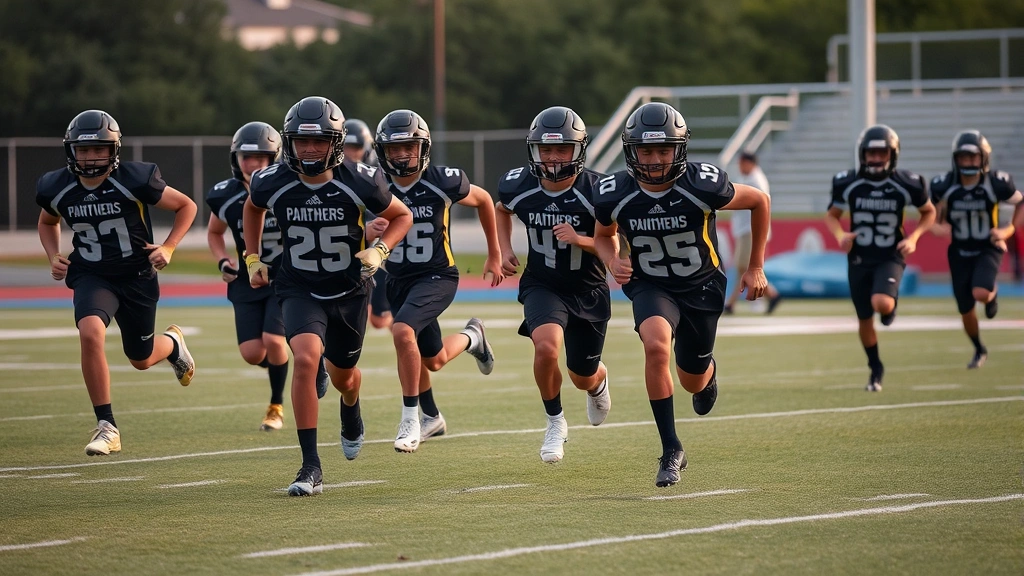
The Rise of Permian Football Dominance
Permian High School’s football program emerged as a powerhouse during the 1970s and 1980s, establishing itself as one of the most successful high school programs in Texas history. The Panthers’ success wasn’t accidental—it resulted from systematic development, coaching excellence, and a community commitment to athletic achievement. Under legendary coaches, Permian built a reputation for producing college-ready athletes and winning state championships with consistency that few programs could match.
The program’s rise coincided with increased emphasis on strength and conditioning, which became a cornerstone of Permian’s competitive advantage. While other programs relied on natural talent and basic training methods, Permian invested in comprehensive athletic development programs that prepared players physically and mentally for high-level competition. This forward-thinking approach to athletic excellence gave Permian a distinct edge that competitors struggled to replicate.
The cultural significance of Permian football extended beyond the field. The program became central to Odessa’s identity, with Friday night games drawing massive crowds and generating community pride. This atmosphere created additional motivation for players—performing well meant representing not just themselves and their families, but an entire community. This psychological element, combined with superior training methods, created a self-reinforcing cycle of excellence.
Building Championship Culture and Team Identity
Championship culture doesn’t develop overnight—it requires deliberate construction through consistent messaging, high standards, and accountability. Permian football excelled at establishing a team identity where excellence became non-negotiable. Players understood that joining the Panthers meant accepting elevated expectations for performance, behavior, and commitment to improvement.
The program’s coaching staff implemented several key principles that became foundational to Permian’s success:
- Consistency in fundamentals: Every practice emphasized proper technique, footwork, and execution of core plays. Coaches believed that mastering fundamentals created the foundation for tactical complexity.
- Accountability systems: Players knew that performance standards applied equally to starters and reserves. This created internal competition that elevated overall team quality.
- Community integration: Coaches involved parents, local businesses, and community leaders in supporting the program, creating a network of accountability and encouragement.
- Mentorship structure: Veteran players actively mentored younger athletes, transmitting the program’s values and expectations through peer relationships rather than solely through coaching directives.
This cultural foundation proved more valuable than any single tactical innovation. When leadership changes occurred or opponents adapted strategically, Permian’s strong culture allowed the program to maintain competitive excellence. Players entering the program already understood what success required because the expectations had been clearly communicated and consistently enforced across generations.
Strength Training and Athletic Development Programs
Permian’s approach to athletic development represented a significant departure from traditional high school football training methods. While many programs relied on repetitive practice and game-experience learning, Permian integrated comprehensive strength and conditioning programs that improved players’ physical capabilities across multiple dimensions.
The strength training philosophy at Permian focused on:
- Compound movement patterns: Programs emphasized squats, deadlifts, bench presses, and Olympic lifting variations that developed functional strength applicable to football movements.
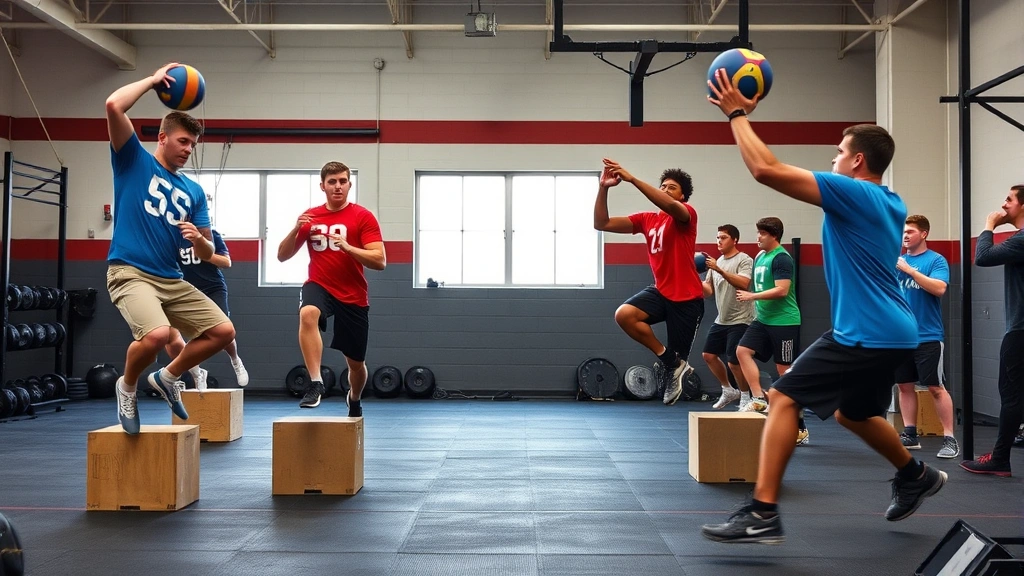
- Explosive power development: Plyometric training, sprint work, and agility drills enhanced athletes’ ability to generate force quickly—essential for blocking, tackling, and breaking tackles.
- Injury prevention: Systematic work on mobility, flexibility, and stabilization reduced injuries while improving movement quality. This allowed players to train consistently throughout the season.
- Position-specific conditioning: Linemen developed different physical attributes than skill position players. Permian’s programs were customized to position-specific demands rather than using one-size-fits-all approaches.
Research from the American College of Sports Medicine supports Permian’s emphasis on structured strength training for high school athletes. Properly designed programs improve athletic performance, reduce injury risk, and support long-term athletic development. Permian’s early adoption of these evidence-based methods provided competitive advantages that contributed significantly to their sustained success.
Recruiting Excellence and Player Development
Permian’s reputation attracted talented young athletes who recognized the program’s commitment to developing college-ready players. The program didn’t simply recruit the most naturally gifted athletes—instead, coaches identified players with strong work ethic, coachability, and commitment to improvement. This selection process created rosters filled with athletes motivated to maximize their potential.
Player development at Permian followed a systematic progression:
- Freshman foundation: Young players learned proper technique, program expectations, and fundamental skills while developing physical capabilities through age-appropriate strength and conditioning.
- Sophomore advancement: Increased responsibility and game experience allowed developing players to apply skills in competitive situations while continuing strength development.
- Junior leadership emergence: Players with two years of development became mentors to younger athletes while assuming increased leadership roles within the program.
- Senior excellence: By their final year, elite Permian players had developed the physical capabilities, technical skills, and leadership maturity expected of college-ready athletes.
This progression meant that by the time players reached senior year, they had experienced multiple years of high-quality coaching, strength training, and competitive football. College coaches recognized that Permian graduates arrived on campuses already conditioned to execute complex systems and maintain high performance standards. This reputation made recruiting Permian athletes attractive to major college programs.
The Permian Impact on College Football
Permian’s influence extended beyond high school football into college athletics. Numerous Permian graduates went on to play significant roles at major universities, carrying the program’s values and work ethic into college football environments. This pipeline of well-prepared athletes contributed to Permian’s reputation and created reciprocal benefits—college coaches actively recruited from Permian because they knew the program’s graduates possessed exceptional preparation.
The program’s impact on college football recruitment strategies became evident as major universities increasingly valued high school programs that emphasized strength training, technical development, and character formation. Permian became a model that other high school programs studied when seeking to improve their own college placement rates. Major college programs recognized that investing in relationships with quality high school programs like Permian created advantages in recruitment and team building.
Beyond recruitment, Permian’s approach to athletic development influenced how college strength and conditioning coaches evaluated incoming athletes. Players from Permian arrived with baseline strength levels and movement competency that reduced the adjustment period for college training. This efficiency meant that college coaches could progress athletes more rapidly toward performance standards, creating additional competitive advantages.
Modern Permian Football Strategy
Contemporary Permian football continues honoring the program’s foundational principles while adapting to modern competitive realities. The program maintains emphasis on strength development, fundamental technique, and cultural excellence while incorporating new training methodologies and technological tools. This balance between tradition and innovation has allowed Permian to remain competitive despite the increasingly sophisticated approaches used by other high school programs.
Modern Permian strategy includes:
- Data-driven athlete assessment: Programs now utilize biomechanical analysis, force plate testing, and performance metrics to optimize training individualization.
- Nutrition and recovery optimization: Systematic attention to nutrition, sleep quality, and recovery protocols enhances athletes’ training capacity and performance sustainability.
- Mental performance coaching: Psychological training, visualization techniques, and stress management support athletes’ ability to perform under pressure.
- Technology integration: Video analysis, wearable technology, and data management systems provide coaches with detailed information supporting tactical and training decisions.
These modern additions build upon rather than replace the fundamentals that established Permian’s legacy. The program continues emphasizing that excellence requires commitment to training principles, accountability to teammates, and dedication to continuous improvement—principles that remain timeless regardless of technological advancement.
Lessons for Other Programs
Permian football offers valuable lessons for coaches, administrators, and athletic organizations seeking to build sustained excellence. The program demonstrates that championship success results from systematic development rather than shortcuts or individual talent dependence. Several principles emerge from studying Permian’s sustained dominance:
Culture precedes performance. Establishing clear expectations, consistent standards, and accountability systems creates the foundation for sustained excellence. Teams with strong cultures weather competitive challenges and maintain performance standards across coaching transitions.
Investment in development yields returns. Systematic strength training, skill development, and character formation require resource commitment but produce athletes who perform at higher levels. Programs that view development as ongoing rather than incidental achieve superior results.
Community engagement amplifies impact. Programs that involve families, local businesses, and community organizations create support networks that reinforce team standards and enhance motivation. This ecosystem of accountability and encouragement accelerates athlete development.
Coach quality determines program quality. Permian’s success reflects exceptional coaching—individuals who understood their sport, communicated effectively, and committed to continuous improvement. Recruiting and retaining quality coaches represents one of the most important investments athletic organizations can make.
Research from The National Strength and Conditioning Association supports many of Permian’s approaches, demonstrating that evidence-based strength training, systematic skill development, and structured progression create superior athletic outcomes. Programs implementing similar principles across different sports and levels consistently achieve improved performance.
FAQ
What makes Permian football’s training approach unique?
Permian’s approach combines systematic strength development, technical skill refinement, and cultural emphasis on excellence. Rather than relying on natural talent or game experience alone, the program invests in comprehensive athletic development across physical, technical, and psychological dimensions. This multi-faceted approach creates compound advantages that accumulate across players’ high school careers.
How does Permian develop college-ready athletes?
The program follows a systematic progression where athletes spend multiple years developing strength, technique, and competitive experience under quality coaching. By senior year, Permian players have experienced years of high-quality training, competitive football, and mentorship from experienced coaches. This comprehensive preparation means graduates arrive at colleges with exceptional baseline capabilities.
Can other high school programs replicate Permian’s success?
While specific circumstances vary, other programs can implement the principles underlying Permian’s success: strong coaching, systematic strength development, cultural emphasis on excellence, and community engagement. Programs nationwide have achieved significant improvements by adopting these foundational principles, even if they haven’t matched Permian’s historic success.
What role does strength training play in Permian’s success?
Strength training represents a cornerstone of Permian’s approach. Systematic development of explosive power, functional strength, and injury resilience gives athletes competitive advantages across all positions. Research confirms that properly designed strength programs improve athletic performance and reduce injury risk, supporting Permian’s emphasis on this training component.
How important is community support to Permian’s program?
Community support creates accountability, motivation, and resources that enhance program quality. When communities embrace their high school athletic programs, athletes feel additional responsibility to perform well and represent their communities with excellence. This psychological element, combined with practical support, amplifies the program’s effectiveness.
What separates legendary high school programs from average ones?
Legendary programs like Permian distinguish themselves through consistent coaching quality, systematic athlete development, strong cultural standards, and long-term commitment to excellence. These programs view single seasons within the context of multi-year development, prioritizing sustainable excellence over short-term success.


