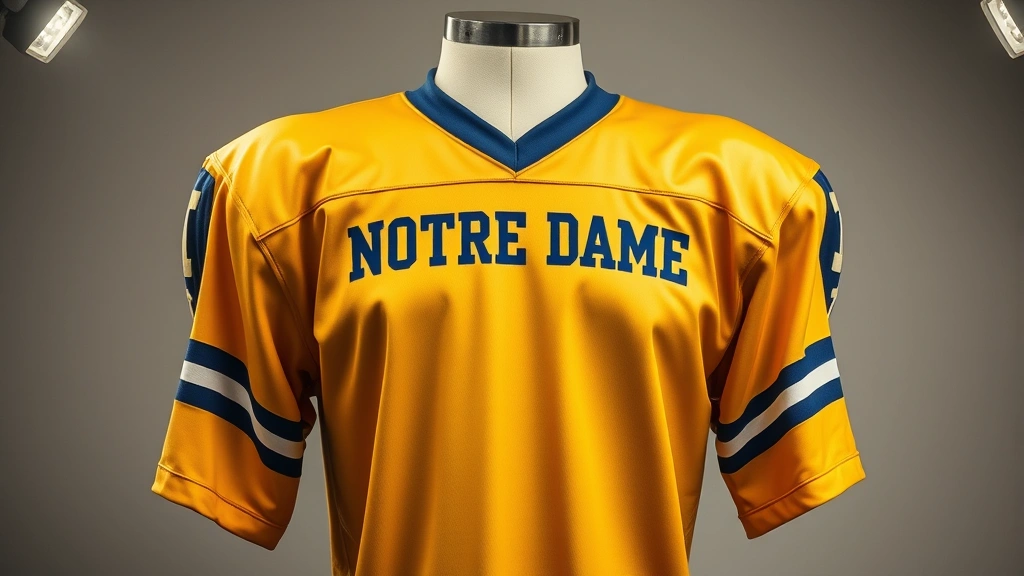
Notre Dame Jerseys: Fan or Collector’s Insight?
The iconic Notre Dame football jersey represents more than just team apparel—it’s a symbol of tradition, excellence, and athletic heritage that spans over a century. Whether you’re a passionate fan looking to show your support or a serious collector seeking authentic pieces, understanding the nuances of Notre Dame jerseys can significantly enhance your appreciation and investment value. This comprehensive guide explores everything from historical significance to authentication tips, helping you make informed decisions about your collection.
Notre Dame’s distinctive gold and blue colors have become synonymous with college football excellence. The university’s athletic program has produced legendary players, iconic moments, and some of the most recognizable uniforms in sports history. For collectors, a Notre Dame football jersey isn’t merely clothing—it’s a tangible connection to decades of gridiron glory and an investment in sports memorabilia that often appreciates over time.
Historical Significance and Evolution
The Notre Dame football jersey has undergone fascinating transformations throughout the program’s storied history. The Fighting Irish first began competing in the 1880s, and their uniform design has evolved dramatically from those early leather-helmet days to modern performance-engineered apparel. The classic gold jersey with blue trim emerged as the standard look, becoming instantly recognizable on fields across America.
Understanding the historical context of your jersey is crucial for both appreciation and valuation. Early jerseys from the 1920s-1940s featured different construction methods, fabric compositions, and design elements compared to modern replicas. The transition from wool to synthetic materials in the 1970s-1980s marked a significant turning point in jersey manufacturing. Jerseys from the iconic 1977 National Championship team, for example, command premium prices due to their historical significance and rarity.
The program’s most memorable eras—including the Knute Rockne era (1918-1930), the Frank Leahy dynasty (1941-1953), and the Ara Parseghian years (1964-1974)—each produced jerseys with distinct characteristics. Game-worn jerseys from these periods are exceptionally valuable to serious collectors. The evolution from simple numbered jerseys to modern ones with player names and advanced manufacturing represents a fascinating journey through sports apparel history.
Visit our Peak Play Arena Blog for more sports memorabilia insights, or explore college football predictions to stay updated on current Notre Dame performance and player developments that impact jersey values.
Authenticating Your Jersey
Authentication is paramount when investing in a Notre Dame football jersey, especially for vintage or game-worn pieces. Counterfeit jerseys flood the market, and distinguishing genuine articles from replicas requires careful examination of multiple factors.
Key authentication elements include:
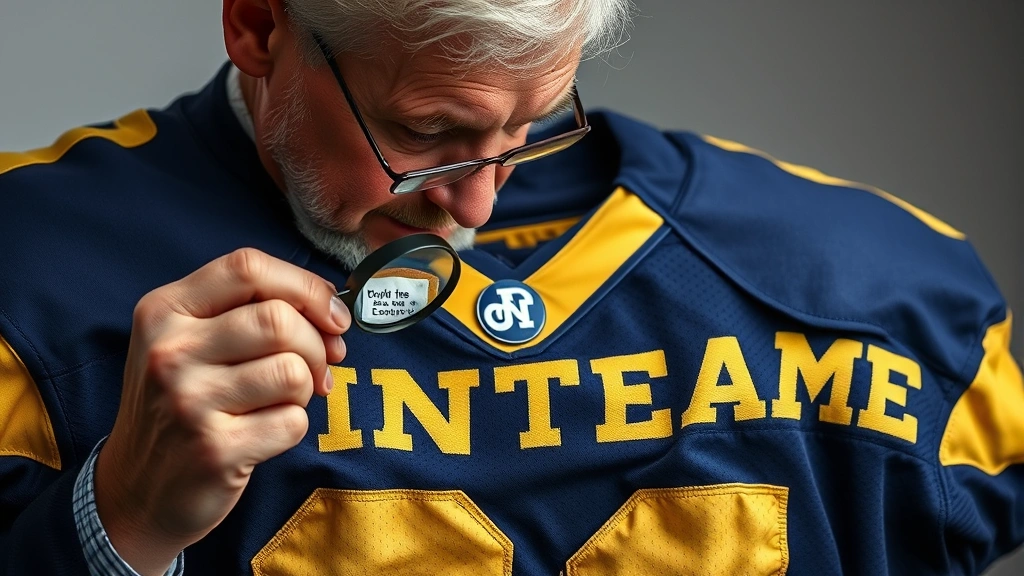
- Stitching Quality: Authentic jerseys feature tight, even stitching with consistent thread colors. Counterfeit versions often display loose, irregular stitching or misaligned seams. Examine the numbers and letters closely—authentic pieces have perfectly aligned, professional-grade stitching.
- Material Composition: Vintage Notre Dame jerseys used specific fabric blends appropriate to their era. Pre-1970s jerseys typically feature heavier cotton or wool blends, while modern authentic jerseys use performance-engineered synthetic materials. Check tags for material information and cross-reference with known authentic examples.
- Tag Authentication: The manufacturer’s tag provides crucial information. Authentic Notre Dame jerseys feature tags from legitimate manufacturers like Russell Athletic, Champion, or Nike (depending on era). Font styles, tag colors, and label construction vary by decade and should match documented examples.
- Numbering Style: The specific style, font, and construction of numbers changed throughout different eras. Game-worn jerseys often show authentic wear patterns that counterfeiters struggle to replicate convincingly. Look for natural fading, thread pulls, and stain patterns consistent with actual game use.
- Color Accuracy: Notre Dame’s specific gold and blue shades have remained relatively consistent, but lighting and age affect appearance. Compare your jersey’s colors against verified authentic examples, accounting for aging and fading.
For high-value purchases, consider obtaining professional authentication from reputable sports memorabilia authentication services. Organizations specializing in college football memorabilia can provide detailed analysis and certification, protecting your investment and establishing provenance for future resale.
Collector’s Value and Investment
The investment potential of a Notre Dame football jersey depends on numerous factors that collectors should understand before purchasing. Unlike mass-produced replica jerseys, authentic game-worn or vintage pieces can appreciate significantly over time, particularly those connected to legendary players or historically significant seasons.
Factors affecting jersey value:
- Player Significance: Jerseys worn by Heisman Trophy winners, All-Americans, or players who went on to NFL stardom command premium prices. A jersey worn by Joe Montana, Paul Hornung, or Tim Brown represents a direct connection to football greatness.
- Game Significance: Jerseys from championship games, rivalry victories, or record-breaking performances hold greater value. A jersey from the 1977 National Championship game carries substantially more weight than one from a regular season loss.
- Condition: Pristine condition jerseys are rarer and more valuable than heavily worn examples. However, authentic game wear, when properly documented, can actually increase value by proving the jersey’s legitimacy and historical use.
- Provenance: Documentation proving the jersey’s history—including chain of custody, authentication certificates, and player signatures—significantly enhances value. Jerseys with clear provenance from reputable sources command prices 2-3 times higher than undocumented pieces.
- Rarity: Limited production runs, early examples, or jerseys from specific eras increase collectibility. Pre-1960 Notre Dame jerseys are exceptionally rare, making them highly sought after.
Recent market analysis shows Notre Dame football memorabilia experiencing steady appreciation, particularly as the program maintains its competitive status. Vintage jerseys from the 1960s-1980s have appreciated 8-12% annually over the past decade, outpacing general inflation and demonstrating solid investment characteristics.
Proper Display and Maintenance
Protecting your Notre Dame football jersey investment requires understanding proper storage, display, and maintenance techniques. Environmental factors like light, humidity, and temperature significantly impact jersey longevity and appearance.
Display best practices:
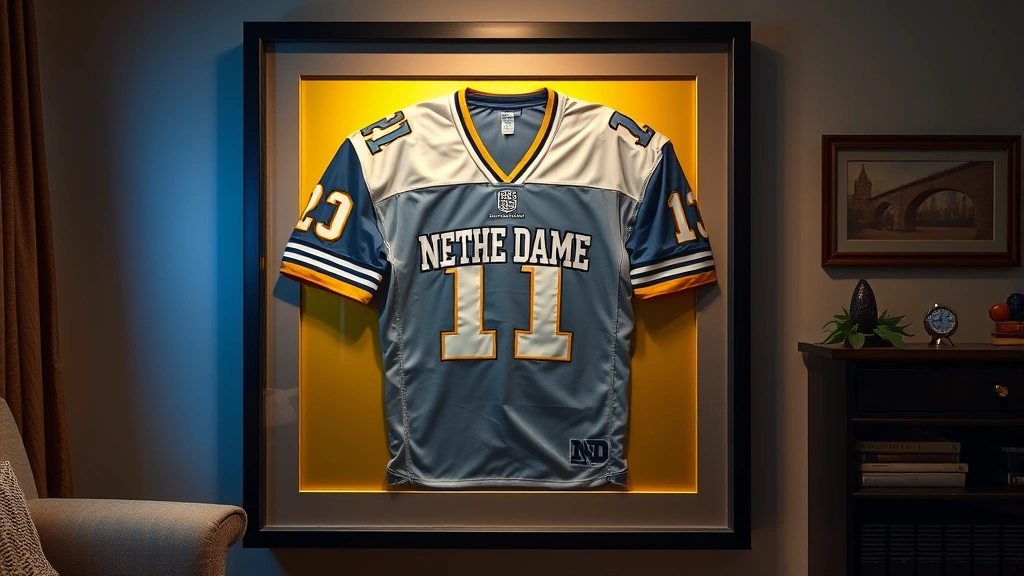
- UV Protection: Display cases with UV-filtering glass prevent color fading and material degradation. Direct sunlight accelerates deterioration, particularly affecting the vibrant gold color that makes Notre Dame jerseys iconic.
- Climate Control: Maintain consistent temperature (65-70°F) and humidity levels (45-55%) to prevent material stress, mold growth, and fabric brittleness. Basements and attics with fluctuating conditions are unsuitable for valuable jerseys.
- Framing Techniques: Use acid-free matting and backing materials when framing jerseys. Avoid direct contact between the jersey and frame components, as acidic materials cause permanent staining and deterioration.
- Storage Methods: For long-term storage, use acid-free tissue paper and archival-quality storage boxes. Never use plastic bags, as they trap moisture and promote mold growth. Fold jerseys carefully along original seams to minimize creasing.
- Cleaning Precautions: Never dry-clean vintage jerseys, as harsh chemicals damage delicate fabrics and stitching. For light cleaning, use conservation-grade materials and consult professional textile conservators for valuable pieces.
Investing in proper display infrastructure protects your collection’s condition and visual impact. A well-preserved jersey maintains its appearance and investment value for decades, while neglected pieces deteriorate rapidly.
Legendary Player Jerseys
Certain Notre Dame football jersey numbers and players have achieved legendary status, making their memorabilia exceptionally valuable to collectors. Understanding which players command premium prices helps inform purchasing decisions and collection strategy.
Most sought-after Notre Dame player jerseys:
- Joe Montana (#3): Perhaps the most iconic Notre Dame player, Montana’s jersey represents excellence and NFL success. Game-worn examples from his 1977-1978 seasons command prices exceeding $15,000-$25,000.
- Paul Hornung (#5): The Golden Boy’s jersey from the 1950s represents a pivotal era in Notre Dame football. His Heisman Trophy and NFL career make his memorabilia highly collectible.
- Tim Brown (#6): The Heisman winner’s jersey from the late 1980s appeals to collectors interested in more recent Notre Dame excellence. Authentic game-worn examples fetch $8,000-$15,000.
- Rudy Ruettiger: Though less statistically impressive, Rudy’s cultural significance from the famous film makes his memorabilia surprisingly valuable to pop culture collectors.
- Knute Rockne Era Players: Jerseys from the 1920s-1930s featuring players from the legendary coach’s squads are exceptionally rare and valuable, often exceeding $20,000 for authentic examples.
Research player statistics, NFL careers, and awards when evaluating jersey value. Players who achieved national recognition, won major awards, or became household names command premium prices that reflect their cultural significance beyond football statistics.
Current Market Trends
The Notre Dame football jersey market has experienced notable shifts in recent years, influenced by collector demographics, program performance, and broader sports memorabilia trends. Understanding current market dynamics helps collectors make strategic acquisition and sales decisions.
Vintage jerseys from the 1970s-1980s have emerged as the sweet spot for collectors, combining historical significance with relative affordability compared to 1920s-1950s examples. These jerseys feature iconic designs, document a transformative era in college football, and often connect to memorable games or players. Market demand for these pieces remains strong, with consistent appreciation year-over-year.
Game-worn jerseys with proper authentication have become increasingly valuable as collectors prioritize authenticity and provenance. The rise of professional authentication services and documented memorabilia has elevated standards across the market, reducing fraud while increasing prices for properly verified pieces.
Modern replica jerseys serve a different market segment than vintage collectibles. While fans purchase new replicas to support the program, serious collectors focus on historical pieces with documented significance. Understanding this market segmentation helps prevent confusion between investment-grade collectibles and fan apparel.
Digital platforms and online auctions have democratized access to Notre Dame memorabilia, allowing collectors worldwide to participate in the market. This expanded audience has driven prices for exceptional pieces while creating opportunities for collectors to discover undervalued items.
For current market insights and team performance updates, check our guide on football game duration or explore fantasy football draft strategy to understand how player performance impacts memorabilia value. Additionally, sports streaming guides help fans stay connected to Notre Dame games.
FAQ
What’s the difference between authentic and replica Notre Dame football jerseys?
Authentic jerseys are game-worn or vintage pieces manufactured for actual use, featuring superior construction, specific era-appropriate materials, and often game wear documentation. Replica jerseys are modern reproductions sold to fans, constructed from contemporary materials with modern manufacturing standards. Authentic pieces appreciate in value, while replicas serve as fan apparel without investment potential.
How can I verify a Notre Dame jersey’s authenticity?
Examine stitching quality, tag construction, material composition, number alignment, and color accuracy. Compare your jersey against documented authentic examples from the same era. For high-value pieces, obtain professional authentication from established sports memorabilia authentication services that specialize in college football memorabilia.
Which Notre Dame jerseys are most valuable?
Game-worn jerseys from championship seasons, legendary players like Joe Montana or Tim Brown, and pre-1960 examples command the highest prices. Jerseys with clear provenance, proper authentication, and excellent condition typically appreciate most significantly.
Where should I purchase Notre Dame football jerseys?
Reputable sources include established sports memorabilia dealers, auction houses specializing in sports collectibles, and certified online platforms with authentication guarantees. Avoid purchasing from unknown sellers or platforms without buyer protection policies, as counterfeit risk increases significantly.
How should I store my Notre Dame jersey collection?
Use acid-free storage materials, maintain consistent temperature (65-70°F) and humidity (45-55%), protect from direct sunlight, and display in UV-filtering cases. Avoid plastic bags, basements, and attics with fluctuating conditions. For valuable pieces, consult professional textile conservators about storage recommendations.
What makes a Notre Dame jersey a good investment?
Look for documented game-wear, connection to legendary players or significant games, authentic vintage construction, excellent condition, and clear provenance. Jerseys from the 1970s-1980s offer the best combination of accessibility and appreciation potential for collectors entering the market.
Are modern Notre Dame replica jerseys worth collecting?
Modern replicas serve as fan apparel rather than investment collectibles. While they commemorate current players and seasons, they lack the appreciation potential of vintage or game-worn pieces. Collectors should distinguish between fan apparel purchases and investment-grade memorabilia.
For more sports insights and to stay updated on Notre Dame’s performance, explore sports betting odds information to understand how team performance influences memorabilia values and collector interest.


