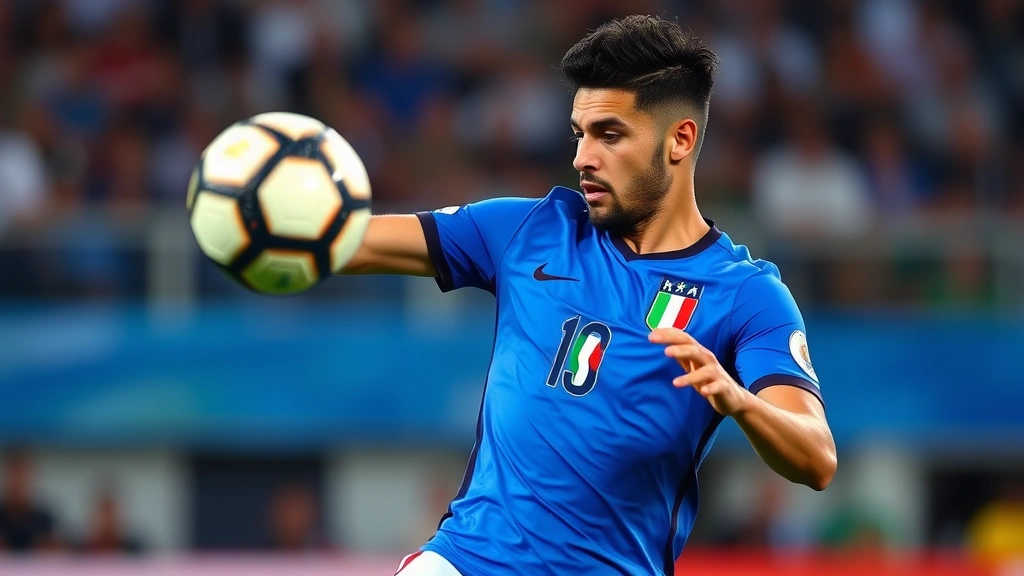
Norway vs Italy: Who’s Leading? FIFA Rankings and National Team Standings
The rivalry between Norway and Italy in international football represents two distinct philosophies of the beautiful game. Italy, a four-time FIFA World Cup champion with a legacy spanning decades, brings technical mastery and defensive prowess to every matchup. Norway, meanwhile, has emerged as a competitive Nordic force with a passionate fan base and increasingly competitive squad. When analyzing their current FIFA rankings and standings, we uncover fascinating insights about their respective trajectories in international football and what it means for their future competitive prospects.
Understanding where these two nations stand requires more than just glancing at ranking points. It demands an examination of recent performance metrics, qualifying campaign results, player development initiatives, and the coaching philosophies that shape their competitive identity. This comprehensive analysis will help fans and analysts understand not just who’s ahead, but why the gap exists and what factors could shift the balance in coming tournaments and qualifiers.
Current FIFA Rankings: The Numbers
As of the latest FIFA rankings update, Italy maintains a significantly higher position than Norway in the global standings. Italy typically hovers in the top 10, often occupying positions between 5-10, reflecting their status as a perennial powerhouse in international football. Their consistent performance in European competitions and strong qualifying campaigns keeps them among the world’s elite national teams. The Azzurri’s ranking reflects not just recent results but their historical dominance and sustained competitiveness at the highest levels of international play.
Norway, while respectable, generally ranks in the 20-35 range globally, placing them among Europe’s competitive mid-tier nations. This positioning reflects their quality as a strong regional competitor without the sustained excellence that characterizes the true elite. However, these rankings fluctuate based on match results, strength of competition faced, and performance in major tournaments. The gap between the two nations demonstrates Italy’s superior consistency and higher ceiling of competitive achievement.
FIFA rankings utilize a complex algorithm considering match results, opponent strength, match importance, and temporal weighting. This means recent performances carry more weight than historical achievements. For Italy, their ranking reflects strong European Championship performances and competitive World Cup qualifying campaigns. Norway’s ranking, meanwhile, shows their regional strength while acknowledging gaps in truly elite-level competition participation.
Historical Context and Legacy
Italy’s football pedigree is unmatched in many respects. With four FIFA World Cup victories (1934, 1938, 1982, 2006), the Azzurri represent Italian pride and footballing excellence across generations. They’ve also won the European Championship twice (1968, 2020), cementing their status as one of international football’s greatest nations. This historical dominance creates expectations and maintains their position among the world’s most respected football programs.
Norway’s history, while not boasting World Cup victories, includes respectable achievements in European competitions and consistent qualification for major tournaments during the 1990s and early 2000s. The Norwegian football culture emphasizes development, athleticism, and tactical discipline. Their legacy, though less decorated than Italy’s, represents a growing Nordic football tradition that includes strong domestic leagues and youth development systems.
The historical gap partly explains current standings. Italy’s established infrastructure, coaching tradition, and global player recruitment advantages compound over time. Norway, building their program more recently on Scandinavian principles, faces the challenge of competing against nations with deeper institutional resources and longer histories of elite development.
Recent Performance Metrics
Examining recent match results provides crucial context for understanding current standings. Italy’s performance in recent European Championships and World Cup qualifiers demonstrates their competitive reliability. Win-loss ratios, goal differential, and performance against ranked opponents all contribute to their FIFA ranking advantage. Their matches typically showcase technical quality, defensive organization, and the ability to perform under pressure in high-stakes competition.
Norway’s recent campaigns show competitive football against strong opponents, with victories against quality teams but also inconsistent results that prevent sustained ranking climbs. Their performance trajectory suggests a team capable of competing effectively within their tier but facing significant challenges when stepping up to face the world’s absolute elite. This distinction matters greatly when analyzing why Italy maintains such a substantial ranking advantage.
Recent tournaments and qualifiers have shown Italy adapting to modern football’s demands while maintaining their defensive excellence. Norway has demonstrated improving attacking play and better tactical flexibility, but consistency remains elusive. These performance patterns directly influence ranking calculations and explain the current gap between the two nations.
Head-to-Head Record Analysis
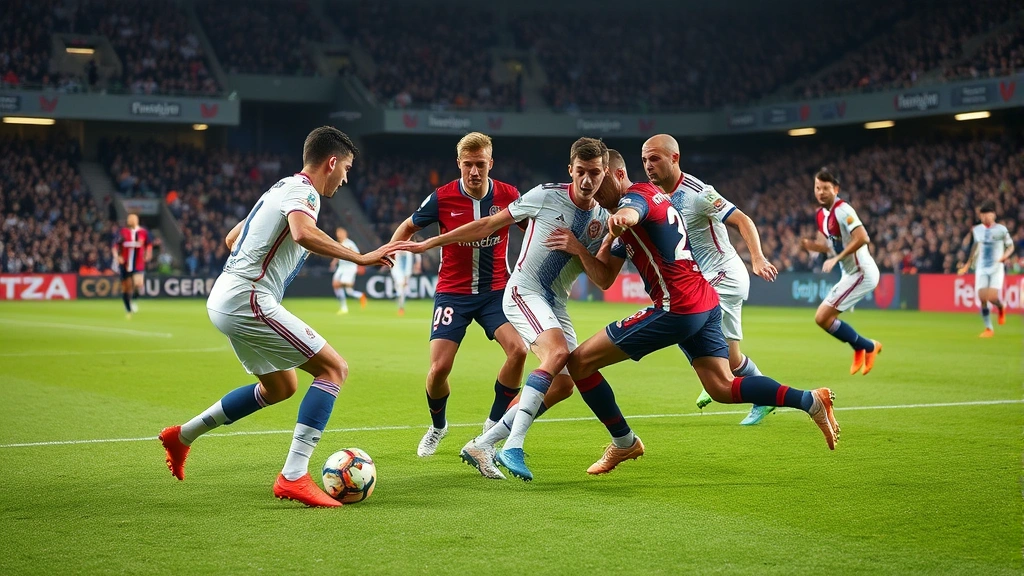
The direct matchup history between Norway and Italy provides another lens for understanding their competitive relationship. Italy has historically dominated these encounters, reflecting their overall superiority. When these nations have met in competitive or friendly matches, Italy’s technical prowess and experience typically prevail. The head-to-head record reinforces the FIFA ranking gap, showing Italy’s consistent ability to outperform Norway when directly competing.
However, recent matchups show Norway improving and occasionally posing genuine competitive challenges. While Italy typically emerges victorious, the margins have sometimes narrowed, suggesting Norway’s development trajectory could produce more competitive encounters in future meetings. This evolution aligns with Norway’s overall football development and the quality improvements in their squad.
Understanding head-to-head records matters for sports betting odds explained in matchups between these teams. Bettors and analysts consider historical performance, current form, and contextual factors when evaluating potential outcomes. Italy’s superior record historically favors them in betting markets, though Norway’s improvement has made them increasingly competitive underdogs.
Squad Strength and Player Quality
Italy boasts players competing at the highest levels of European club football. Their squad includes athletes from Serie A, Premier League, La Liga, and other elite leagues, ensuring quality depth and competitive experience. Players like those representing Juventus, Inter Milan, and other top clubs bring world-class attributes to the national team. This concentration of elite talent significantly influences their competitive advantage over Norway.
Norway’s player pool, while improving, includes fewer athletes at the absolute elite club level. Their squad tends to feature strong players from Scandinavian leagues and secondary European divisions, with occasional exceptions reaching top-tier clubs. This talent distribution reflects resource differences and the relative size of respective domestic markets. However, Norwegian players often demonstrate exceptional athleticism, tactical discipline, and technical competency within their competitive level.
The quality gap in squad composition directly impacts match outcomes and ranking positions. Nations with more elite-level players typically perform better against quality opposition, accumulating ranking points more consistently. Italy’s squad advantage provides a structural competitive edge that manifests across multiple performance metrics.
Coaching Philosophy and Tactical Approach
Italian football philosophy emphasizes defensive solidity, tactical discipline, and technical precision. Coaches typically implement systems maximizing defensive organization while enabling creative attacking play through structured approaches. This philosophy, refined over decades, creates a distinctive Italian style recognizable across club and national team contexts. The consistency of this approach across coaching eras contributes to sustained competitive excellence.
Norwegian coaching traditions emphasize athleticism, modern pressing systems, and adaptable tactical flexibility. Scandinavian football has increasingly embraced contemporary approaches involving high-intensity pressing, quick transitions, and dynamic positioning. This represents a different but equally valid philosophical approach, though it hasn’t yet produced the sustained elite-level results characterizing Italian football.
The coaching dimension influences how teams accumulate ranking points. Italy’s established tactical systems, proven across multiple competition levels, provide consistency. Norway’s evolving approaches show promise but require sustained success to translate into ranking improvements. For those interested in understanding tactical nuances, exploring college football predictions demonstrates how coaching philosophy influences competitive outcomes across different sports.
Qualifying Campaign Performance
Qualifying campaigns for major tournaments significantly impact FIFA rankings. Italy’s qualification performance typically demonstrates their ability to navigate competitive groups, accumulating points against quality opposition. Their qualifying records often show dominant performances, multiple victories, and strong goal differentials that boost ranking calculations.
Norway’s qualifying performance varies more considerably. They’ve experienced successful qualifying campaigns reaching major tournaments, but also campaigns where they’ve fallen short. Inconsistency in qualifying performance reflects the gap between their competitive ceiling and sustained excellence. Recent qualifying campaigns show improvement, but results remain less consistently dominant than Italy’s typical performances.
The importance of qualifying campaigns in ranking calculations cannot be overstated. Nations performing well in qualification accumulate points faster than those in friendlies or less competitive matches. Italy’s superior qualifying performance directly contributes to their ranking advantage, while Norway’s inconsistency limits their ranking gains during qualification periods.
Future Outlook and Predictions
Looking forward, Italy appears positioned to maintain their ranking advantage over Norway. Their institutional strength, player development systems, and competitive traditions suggest sustained elite performance. However, football’s unpredictable nature means surprises occur. Injury to key players, coaching changes, or tactical adjustments could influence outcomes.
Norway’s trajectory suggests continued improvement and potential for significant advances. Their developing player generation, improved domestic league quality, and evolving tactical sophistication could narrow the gap with Italy. Within 5-10 years, Norway might challenge Italy more consistently, though surpassing them would require sustained excellence across multiple competition cycles.
For fans tracking these developments, consulting Peak Play Arena Blog provides updated analysis of international football standings and tournament predictions. Similarly, 2025 Fantasy Football Rankings and other analytical resources help enthusiasts understand competitive landscapes across sports.
Major tournaments like the World Cup and European Championship will prove pivotal for both nations’ ranking trajectories. Strong tournament performances create ranking surges, while disappointing campaigns reverse gains. The upcoming competition cycle will significantly influence whether Italy maintains their current advantage or whether Norway closes the gap more rapidly than expected.
FAQ
What is the current FIFA ranking difference between Norway and Italy?
Italy typically ranks 15-20 positions higher than Norway in the FIFA rankings. Italy generally occupies top-10 positions while Norway ranks in the 20-35 range. This gap reflects Italy’s superior consistency and elite-level performance across recent competitions. The specific difference fluctuates based on recent match results and competition outcomes.
Has Norway ever ranked higher than Italy?
Historically, Norway has never maintained a higher sustained ranking than Italy. While ranking points fluctuate monthly based on match results, Italy’s overall competitive dominance has consistently resulted in superior ranking positions. The structural advantages Italy possesses in player quality, coaching tradition, and competition experience make sustained ranking superiority unlikely.
What factors most influence the ranking gap between these nations?
The ranking gap stems from multiple factors: squad quality differences, coaching tradition and stability, recent tournament performance, qualifying campaign results, and the strength of opposition faced. Italy’s advantages in most categories compound to create substantial ranking separation. Norway’s improvements in some areas haven’t yet offset Italy’s overall advantages.
Could Norway realistically close the ranking gap with Italy?
Theoretically, yes, but realistically it would require exceptional circumstances. Norway would need to significantly improve squad quality through elite-level player development, achieve sustained success across multiple major tournaments, and maintain competitive excellence across several years. While possible, Italy’s institutional advantages make this challenging without dramatic changes in either nation’s competitive trajectory.
How do FIFA rankings impact international football competition?
FIFA rankings determine World Cup qualifying group seeding, tournament draw placements, and competitive prestige. Higher-ranked nations receive favorable seeding, potentially easier qualifying groups, and enhanced tournament positioning. Rankings also influence player valuations, sponsorship opportunities, and coaching appointments. For comprehensive understanding of how rankings affect competition, resources like sports betting odds explained demonstrate how rankings influence competitive predictions and betting markets.
What role do friendly matches play in FIFA ranking calculations?
Friendly matches contribute to rankings but with reduced weighting compared to competitive fixtures. A victory in World Cup qualifying carries more ranking points than a friendly win. This system encourages nations to prioritize competitive performance, though friendlies against quality opposition still influence overall rankings and provide valuable competitive data.
How frequently do FIFA rankings update?
FIFA rankings update monthly, typically on Thursdays. Updates reflect recent international match results, with emphasis on most recent performances. This frequent updating means rankings can shift noticeably after major international breaks featuring multiple matches. Nations on strong performance streaks see ranking improvements, while inconsistent teams experience ranking declines.
What’s the significance of the ranking gap for future tournaments?
The ranking gap influences World Cup qualifying group assignments and tournament seeding. Italy’s superior ranking ensures favorable treatment in draw procedures, potentially easier qualifying groups and better tournament positioning. This structural advantage compounds Italy’s competitive edge, making the ranking gap meaningful beyond simple competitive prestige.


