
Football Card Boxes: Collector’s Guide & Tips
Football card collecting has evolved into a passionate hobby for enthusiasts worldwide, combining nostalgia, investment potential, and the thrill of the hunt. Whether you’re a seasoned collector or just starting your journey into the world of football cards, understanding football card boxes is essential to maximizing your collecting experience and making informed purchasing decisions. The market has exploded in recent years, with boxes ranging from affordable entry-level products to premium releases commanding thousands of dollars.
The appeal of football card boxes extends beyond mere entertainment—many collectors view them as tangible investments that can appreciate significantly over time. From vintage wax boxes to modern high-end products, each box type offers unique opportunities for discovery. This comprehensive guide will walk you through everything you need to know about selecting, opening, and maintaining your football card box collection while maximizing potential returns on your investment.

Understanding Football Card Box Types
The foundation of successful collecting begins with understanding the different football card boxes available in today’s market. Each product type serves different collectors and budgets, offering varying pull rates, card quantities, and potential value. The primary categories include blaster boxes, hobby boxes, retail boxes, and premium boxes, each with distinct characteristics and price points.
Blaster boxes represent the most accessible entry point for new collectors. Typically priced between $10-20, these retail-exclusive products contain around 40-50 cards with guaranteed hits like parallel cards or autographs. They’re perfect for casual collectors who want to experience the thrill of opening packs without significant financial commitment. Many experienced collectors also appreciate blasters as a way to hunt for bargains and discover undervalued cards.
Hobby boxes occupy the middle ground, ranging from $50-150 depending on the product and release year. These boxes contain more packs than blasters and feature higher-quality card stock, more autographs, and premium inserts. Hobby boxes are the standard choice for serious collectors because they offer better odds of landing valuable hits. The structured pack configuration ensures consistent value across multiple boxes of the same product.
Retail boxes sit between blasters and hobby boxes in terms of price and quality. Available at major retailers, these boxes typically cost $30-60 and provide more packs than blasters while remaining more affordable than hobby boxes. However, retail boxes often have slightly lower hit rates compared to hobby equivalents, making them a middle-ground option for budget-conscious collectors.
Premium boxes represent the pinnacle of football card products, with prices ranging from $200 to several thousand dollars. These exclusive releases feature ultra-rare cards, premium autographs, and limited production runs. Products like Panini Flawless and Leaf Trinity cater to elite collectors and serious investors seeking maximum potential returns. Premium boxes are typically only available through specialty card shops or online retailers.
Understanding recent football news and developments can help you identify which boxes feature the most sought-after players and rookies, directly impacting potential card values.
Grading and Authentication Essentials
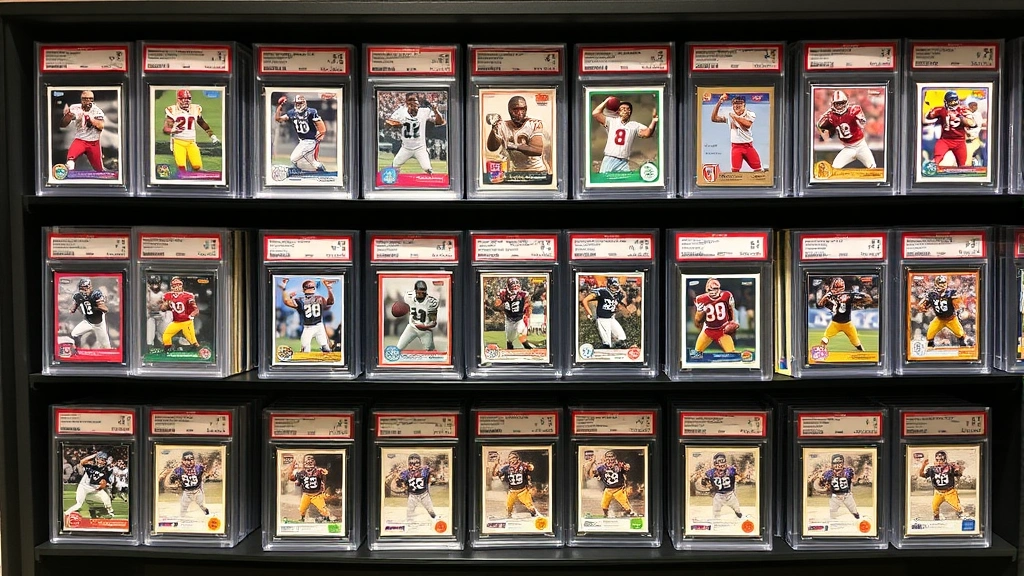
Once you’ve opened your football card boxes and pulled valuable cards, proper grading and authentication become critical to establishing market value. Professional grading services like PSA, BGS, and SGC evaluate cards on condition, centering, corners, edges, and surface quality, assigning grades from 1-10. A card graded PSA 10 (Gem Mint) can be worth 10-100 times more than the same card in ungraded condition.
Authentication serves as crucial protection against counterfeits, which have become increasingly sophisticated in recent years. Reputable grading companies employ expert evaluators who examine cards under magnification, checking for printing defects, paper quality inconsistencies, and other telltale signs of fakes. When investing significant money in premium cards from high-end boxes, professional authentication provides invaluable peace of mind.
The grading process involves several steps: initial evaluation, detailed assessment, encapsulation, and quality assurance. Most companies charge between $10-100 per card depending on declared value and turnaround time. For valuable pulls from premium boxes, this investment typically pays dividends by protecting your investment and establishing clear market value. Many serious collectors only purchase graded cards, particularly for high-value pieces.
Understanding PSA’s grading standards and market recognition can help you determine which cards merit professional grading and which are better left raw. Building knowledge about BGS grading criteria also ensures you make informed decisions about authentication services.
Investment Strategy for Collectors
Approaching football card boxes with a strategic investment mindset requires understanding market dynamics, rookie class potential, and historical value trends. The most successful collectors combine passion with data-driven decision-making, carefully selecting which boxes offer the best risk-reward ratios.
Rookie class evaluation represents the most critical factor in box selection strategy. First-year cards of players who become NFL superstars appreciate dramatically over time. Studying draft analysis, combine performance, and team fit helps identify which rookies possess the highest ceiling. Boxes released during January (draft season) and September (start of NFL season) typically feature the most anticipated rookie classes.
Player demand fluctuations significantly impact card values. Breakout statistical seasons, playoff performances, and major trades can dramatically increase demand for specific players’ cards. Conversely, injuries, trades to less popular teams, or performance declines can depress values. Successful investors monitor NFL news closely and time their box purchases strategically around these catalysts.
Product rarity and production numbers directly influence long-term appreciation potential. Limited edition boxes with smaller print runs typically appreciate faster than high-volume releases. Vintage boxes, particularly those from the 1980s and 1990s, have appreciated substantially as the original collector base ages and nostalgia drives demand. Check product databases to understand production numbers for specific releases.
Understanding sports betting odds and market sentiment can provide insights into which players the market expects to succeed, helping inform your box purchasing decisions.
Storage and Preservation Methods
Protecting your investment from football card boxes requires meticulous storage and preservation practices. Environmental conditions, handling techniques, and storage materials directly impact card condition and long-term value. Even cards graded and encapsulated in protective slabs require proper storage to prevent damage.
Temperature and humidity control represent the foundation of proper card storage. Ideal conditions maintain temperatures between 65-72°F with humidity levels of 40-50%. Fluctuating temperatures cause expansion and contraction of cardboard and plastic, leading to warping and potential grading impact. Humidity extremes promote mold growth and card deterioration. Avoid storing cards in basements, attics, or vehicles where environmental conditions fluctuate dramatically.
Storage containers and materials deserve careful consideration. Acid-free storage boxes, sleeves, and top loaders protect cards from chemical degradation. Avoid PVC-based plastics, which leach harmful chemicals onto cards over time. Invest in archival-quality supplies from reputable manufacturers specializing in collectibles preservation. For high-value cards, individual acid-free holders provide maximum protection.
Organization systems facilitate quick access and condition monitoring. Many collectors organize cards by player, team, year, or set. Digital cataloging using apps or spreadsheets helps track inventory, establish values, and identify insurance needs. This organization proves invaluable when buying, selling, or insuring portions of your collection.
Consider climate-controlled storage solutions for substantial investments. Some collectors utilize safe deposit boxes or specialized collectibles storage facilities that maintain optimal conditions year-round. While this adds expense, the protection for premium cards from high-end boxes often justifies the cost.
Building Your Collection
Developing a cohesive collection strategy helps focus your football card boxes purchases and maximize enjoyment alongside investment potential. Different collectors prioritize different objectives—some chase specific players, others collect entire sets, while some focus on autographed cards or rare parallel versions.
Player-focused collecting involves acquiring all available cards of specific players across different sets and years. This approach combines emotional investment with tangible value, as collectors develop deep connections to their favorite athletes. Championship-winning quarterbacks, Hall of Famers, and emerging superstars typically command premium prices across all products.
Set completion requires obtaining every card from specific releases, offering the satisfaction of comprehensive collection ownership. Base sets contain 100-300 cards, while premium products feature significantly fewer cards with higher individual values. Set completion appeals to collectors who enjoy the puzzle-solving aspect of hunting for elusive final cards.
Parallel and insert card chasing focuses on rare variations and special inserts included in boxes. Parallel cards feature alternate designs, numbering, or materials compared to base versions. Inserts include special themed cards, autographs, or memorabilia pieces. The rarity and visual appeal of these cards drives passionate collector interest and often produces the highest individual card values.
Exploring fantasy football communities connects you with other collectors who share strategies, discuss hot prospects, and trade cards. These communities provide invaluable insights into which players are trending and which boxes offer the best current values.
Starting with quality football equipment and gear knowledge helps you understand the sport deeply, which translates to better player evaluation and more informed box purchasing decisions.
Market Trends and Future Outlook
The football card market has experienced explosive growth over the past five years, driven by increased mainstream attention, celebrity investor involvement, and recognition of cards as alternative investments. Understanding current trends helps position your collection for future appreciation.
Digital and NFT integration represents an emerging trend that may impact traditional card collecting. Some manufacturers now include digital counterparts with physical cards, creating hybrid collecting experiences. While controversial among traditional collectors, this evolution reflects broader technological integration in collectibles markets.
Rookie premium valuations have intensified as collectors recognize first-year cards’ appreciation potential. Recent top draft picks’ cards have commanded record prices before those players played a single NFL game. This speculative focus creates both opportunities and risks—successful picks become generational investments while busts depreciate rapidly.
Vintage box scarcity continues driving demand and prices for older products. Original wax boxes from the 1980s and 1990s have become increasingly difficult to locate, with sealed examples commanding premium prices. Collectors view vintage boxes as tangible connections to football history while appreciating their investment potential.
Market consolidation among card manufacturers has reduced product options compared to historical peaks. Fewer manufacturers means fewer product releases, potentially supporting prices through scarcity. Alternatively, licensing agreements shifting between manufacturers create opportunities as collectors chase products from specific companies.
Staying informed through sports collecting news sources helps you anticipate market shifts and position your purchases strategically. Understanding college football developments provides advance notice of which players will likely command premium rookie card prices when drafted.
FAQ
What’s the difference between hobby and retail football card boxes?
Hobby boxes feature higher quality cards, more packs, and better hit rates than retail boxes. They’re sold exclusively through specialty card shops and online retailers, typically costing more but offering superior value for serious collectors. Retail boxes are available at major retailers with slightly lower odds but more accessible pricing.
How much should I spend on my first football card box?
Begin with blaster boxes ($10-20) to experience the hobby without significant financial commitment. Once comfortable, progress to hobby boxes ($50-150) as you develop collecting interests. Premium boxes ($200+) should only be considered after building substantial knowledge and establishing clear investment strategies.
Are football card boxes good investments?
Premium boxes featuring top rookie classes and limited production runs have historically appreciated significantly. However, like all investments, success requires research, timing, and risk tolerance. Many boxes depreciate or hold stagnant value—focus on strategic purchases rather than treating all boxes as guaranteed investments.
How do I know if my football card box is authentic?
Purchase from authorized retailers and reputable dealers with established track records. Examine packaging for quality inconsistencies, misspellings, or printing defects. For high-value boxes, request authentication documentation or certificates of authenticity. Avoid suspiciously discounted boxes from unknown sellers.
What should I do with cards pulled from football card boxes?
Evaluate each card’s potential value and condition. Grade valuable cards through professional services to establish market value and protect against counterfeits. Store all cards in proper archival materials under controlled environmental conditions. Consider selling, trading, or holding based on your collection strategy and market outlook.


