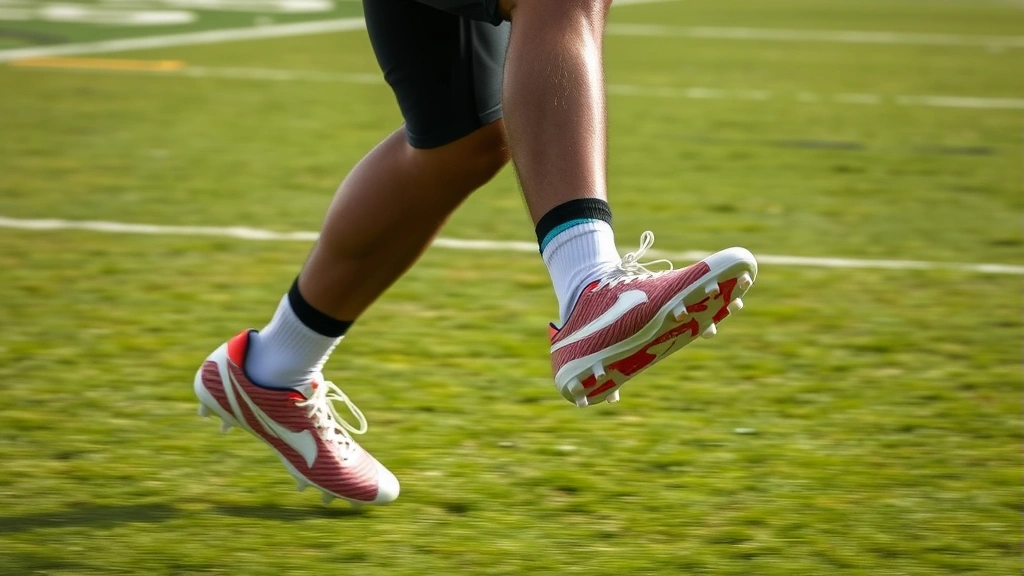
Flag football has exploded in popularity, and having the right footwear can make all the difference between dominating the field and struggling with traction. Whether you’re a seasoned veteran or just stepping into competitive flag football, selecting proper flag football cleats is essential for maximizing your performance, preventing injuries, and ensuring you can make those explosive cuts and quick directional changes that define the game.
The difference between standard football cleats and flag football-specific footwear comes down to weight, agility, and field compatibility. Flag football emphasizes speed and lateral movement over the heavy collision aspects of tackle football, meaning your cleats need to be lightweight, responsive, and designed specifically for rapid acceleration and deceleration. In this comprehensive guide, we’ll break down everything you need to know about selecting the best flag football cleats, including expert recommendations, key features to prioritize, and maintenance tips to extend your investment.
Understanding Flag Football Cleat Requirements
Flag football demands different athletic footwear specifications compared to traditional tackle football. The sport prioritizes lateral agility, rapid acceleration, and quick deceleration over the need for ankle support and padding designed to absorb collision impact. Your cleats must provide exceptional grip on various playing surfaces while remaining lightweight enough to facilitate explosive movements.
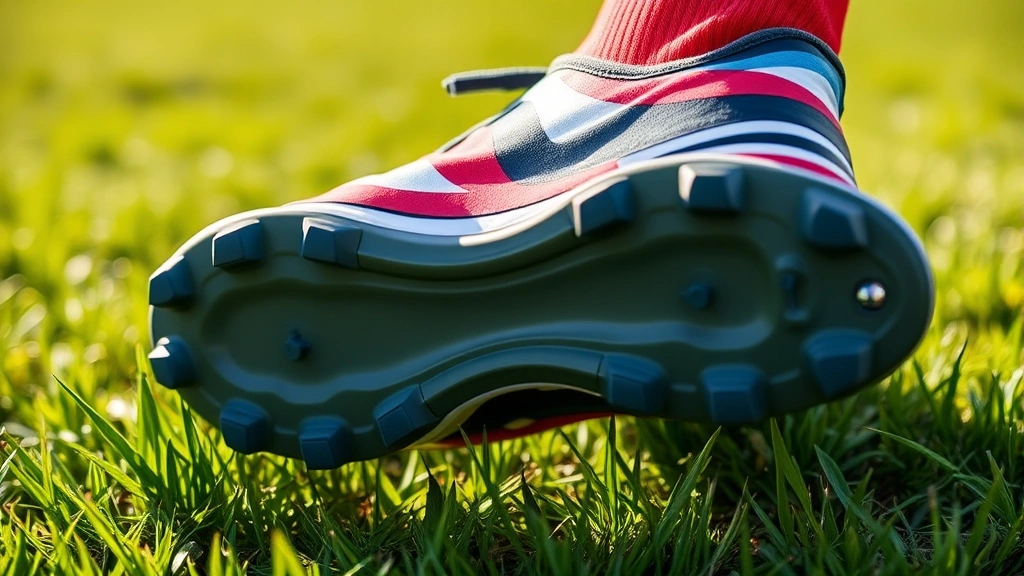
The cleat configuration matters significantly. Flag football players benefit from cleats with a higher number of smaller studs rather than the larger studs found on traditional football footwear. This design distributes your weight more evenly across the playing surface, providing superior traction during sharp cuts and directional changes. Additionally, the shoe’s overall weight should be minimal—typically between 6 to 8 ounces—to reduce fatigue during intense gameplay and allow for maximum speed development.
According to the American College of Sports Medicine, proper footwear selection in field sports significantly impacts both performance metrics and injury prevention rates. The right cleats reduce the risk of ankle sprains, ACL injuries, and stress fractures by providing optimal surface contact and biomechanical support during explosive movements.
Top Features to Look For in Quality Flag Football Cleats
When evaluating flag football cleats, several critical features should guide your purchasing decision:
Lightweight Construction: Premium flag football cleats utilize advanced materials like mesh, synthetic leather, and carbon-fiber reinforced plates to minimize weight without compromising durability. Lighter shoes enhance your ability to accelerate quickly and maintain speed throughout extended gameplay.
Responsive Cushioning Technology: Modern cleat designs incorporate gel inserts, foam midsoles, and energy-return systems that absorb impact during jumping and landing while propelling you forward during acceleration. This technology reduces fatigue and enhances overall athletic performance.
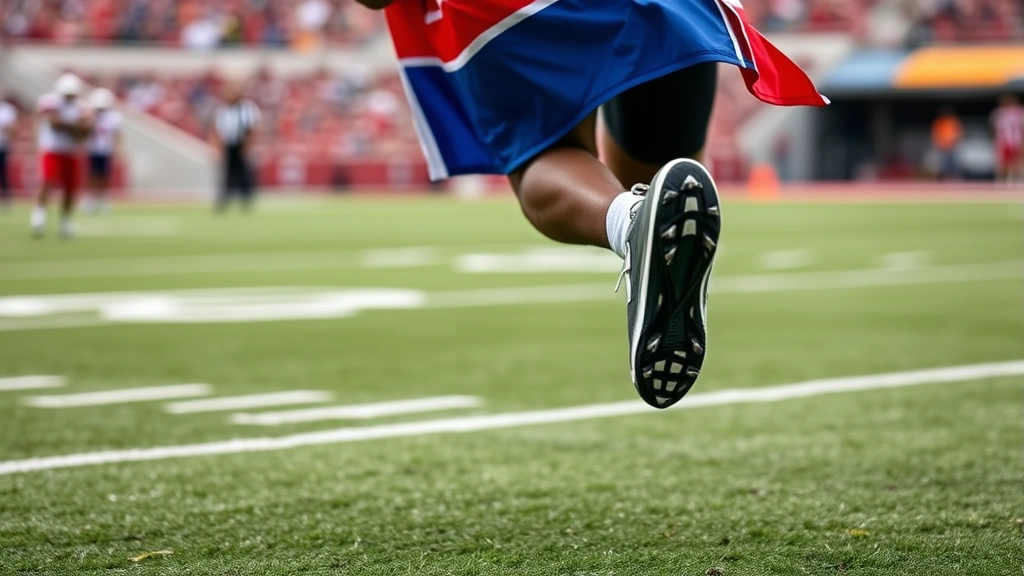
Stud Configuration: Look for cleats with 10-12 smaller studs arranged in a strategic pattern across the sole. This configuration provides superior traction compared to fewer, larger studs, particularly during lateral movements and rapid directional changes inherent to flag football.
Ankle Support: While flag football doesn’t require the extensive ankle bracing of tackle football, your cleats should still provide moderate ankle stability. A snug collar and reinforced ankle padding help prevent inversion sprains during intense competition.
Breathability: Extended gameplay generates significant heat and moisture. Quality flag football cleats feature mesh panels and ventilation systems that promote airflow, keeping your feet dry and comfortable throughout the game.
Durability Materials: Premium synthetic leather, reinforced stitching, and high-quality rubber outsoles ensure your investment lasts multiple seasons. Examine seams closely and verify that materials can withstand repeated impacts and field conditions.
Research from the National Strength and Conditioning Association demonstrates that proper footwear selection directly correlates with improved athletic performance metrics, including faster acceleration times and enhanced agility scores.
Best Flag Football Cleats for Different Player Positions
Different positions benefit from varying cleat specifications. Understanding your role helps optimize your equipment selection:
Wide Receivers and Defensive Backs: These positions demand maximum speed and lateral agility. Prioritize lightweight cleats with excellent traction and responsive cushioning. Models emphasizing speed-oriented designs with minimal weight are ideal for these explosive positions. Check out our fantasy footballers rankings to understand elite player movement patterns.
Quarterbacks and Running Backs: These athletes need cleats balancing speed with stability during cutting and evasive maneuvers. Mid-weight options with moderate ankle support and excellent ground contact provide optimal performance for these positions.
Linemen: While less common in flag football, linemen benefit from slightly heavier cleats with enhanced ankle support and wider toe boxes. These positions require stability during lateral shuffles and quick directional transitions.
Safety and Cornerback Positions: These defensive positions demand exceptional traction for rapid backpedaling, transition movements, and explosive forward acceleration. Lightweight cleats with multi-directional stud patterns excel in these demanding roles.
Comparing Turf vs. Grass Performance
Flag football is played on diverse surfaces, and your cleat selection should account for your primary playing environment. Understanding surface-specific performance differences ensures optimal traction and injury prevention:
Natural Grass Fields: Traditional grass surfaces require cleats with deeper studs that penetrate the turf for superior grip. Smaller, more numerous studs distribute your weight effectively, preventing the foot from sinking excessively while maintaining traction during cuts and acceleration.
Artificial Turf Surfaces: Synthetic turf fields demand different cleat specifications. Shorter studs with blunt tips provide better surface contact and reduce the risk of the foot catching on the artificial fibers. Many artificial turf facilities specifically recommend shorter-studded cleats to prevent injury and equipment damage.
Hybrid Field Conditions: Some facilities feature mixed natural and artificial surfaces. Cleats with moderate stud length and configuration work effectively across variable conditions, though they won’t optimize performance on either surface exclusively.
Consult your facility’s guidelines regarding approved cleat types, as some venues restrict stud length and configuration to protect their playing surfaces and reduce athlete injury risk. Understanding these requirements before purchasing ensures compliance and maximum performance.
Sizing and Fit Considerations
Proper fit is absolutely critical for comfort, performance, and injury prevention. Ill-fitting cleats contribute to blisters, black toenails, and biomechanical issues that compromise your athletic performance:
Measurement Guidelines: Measure your feet in the afternoon when they’re slightly swollen from daily activity. This provides more accurate sizing than morning measurements. Use a Brannock device or visit a specialty athletic retailer for professional fitting.
Width Considerations: Flag football cleats come in standard, wide, and extra-wide options. Your foot should fit snugly without compression across the midfoot or toes. Adequate width prevents blisters and allows proper blood circulation during extended gameplay.
Break-In Period: New cleats require a gradual break-in period. Wear them for light practice sessions before competing in games. This allows materials to conform to your feet while identifying any pressure points or discomfort areas.
Sock Selection: Invest in moisture-wicking athletic socks designed for football. Quality socks enhance comfort, reduce friction, and help regulate foot temperature during intense activity. Avoid cotton socks that absorb moisture and increase blister risk.
Insole Optimization: Consider custom or premium aftermarket insoles if you experience foot pain or have high arches. Proper arch support enhances comfort and can improve overall athletic performance by optimizing biomechanical alignment.
For broader athletic insights, explore our best sports video games guide to understand elite athlete movement mechanics.
Elite athletic footwear specialists recommend visiting brick-and-mortar retailers where trained staff can assess your gait pattern and provide personalized recommendations based on your specific biomechanical needs.
Maintenance and Care Guide
Proper maintenance extends your cleats’ lifespan and maintains optimal performance throughout multiple seasons:
Post-Game Cleaning: Remove excess mud and grass immediately after playing. Use a soft brush to gently clean the cleat exterior without damaging materials. Rinse with cool water and air dry completely before storing.
Stud Inspection: Regularly examine studs for damage or excessive wear. Replace worn studs using a specialized stud replacement tool, maintaining consistent traction throughout the season.
Storage Practices: Store cleats in a cool, dry environment away from direct sunlight. Avoid storing in damp basements or hot vehicles, which can degrade materials and compromise structural integrity.
Odor Management: Combat moisture-related odors by sprinkling baking soda inside cleats after each use. This absorbs moisture and neutralizes bacterial growth without damaging shoe materials.
Professional Cleaning: Periodically deep clean your cleats using specialized shoe cleaning products designed for athletic footwear. Professional cleaning services can extend your cleats’ useful lifespan significantly.
Rotation Strategy: If you play frequently, owning two pairs of cleats allows adequate drying time between uses. This practice extends overall durability and maintains consistent performance throughout the season.
Budget-Friendly Options Without Sacrificing Quality
Premium flag football cleats can be expensive, but several strategies help you find quality footwear within your budget:
Off-Season Sales: Purchase cleats during off-season periods when retailers discount previous season models. Late summer and winter clearance sales offer significant savings on quality merchandise.
Mid-Tier Brands: Established brands beyond the premium tier offer excellent quality at lower price points. These options provide reliable performance without premium pricing.
Previous Season Models: Last year’s designs often feature identical technology and quality as current models at substantially reduced prices. Performance differences are negligible while savings are significant.
Online Retailers: Online shoe retailers frequently offer competitive pricing and promotional codes unavailable at physical stores. Compare prices across multiple platforms to identify the best deals.
Student and Team Discounts: Many retailers offer special pricing for student-athletes and organized teams. Contact your league or school athletic department to inquire about available discount programs.
Refurbished Options: Some retailers sell refurbished cleats—returns or display models—at reduced prices. These products are fully functional and often indistinguishable from new inventory.
Visit our sports betting odds guide to understand value assessment principles applicable to athletic equipment purchases.
Budget-conscious athletes can also explore our Peak Play Arena Blog for additional equipment recommendations and cost-saving strategies.
Frequently Asked Questions
Can I use regular football cleats for flag football?
While possible, regular football cleats aren’t optimal for flag football. Traditional football cleats are heavier and designed for collision sports with different movement patterns. Flag football-specific cleats are lighter, more agile, and better suited for the lateral movements and rapid directional changes that define the sport. Using sport-specific footwear significantly enhances your performance and reduces injury risk.
What’s the difference between molded and screw-in studs?
Molded studs are permanently attached to the shoe sole, providing consistent performance across the season without maintenance. Screw-in studs are replaceable, allowing athletes to adjust stud configuration based on field conditions and personal preference. For casual flag football players, molded cleats are more practical. Competitive athletes often prefer screw-in options for customization flexibility.
How often should I replace my flag football cleats?
Quality cleats typically last 1-2 seasons with proper maintenance, depending on usage frequency and playing conditions. Replace cleats when studs become significantly worn, the sole shows excessive wear, or you notice decreased traction performance. Some athletes prefer replacing cleats annually to maintain optimal performance.
Are expensive cleats always better than budget options?
Price doesn’t always correlate with performance quality. While premium brands offer advanced technology and materials, mid-tier options frequently provide excellent performance at lower costs. Focus on finding cleats with proper fit, adequate support, and reliable traction rather than automatically selecting the most expensive option.
Should I buy cleats a size larger for thick socks?
No. Measure your feet while wearing the socks you’ll use during gameplay, then select cleats based on that measurement. Oversized cleats cause blisters, reduce control, and increase injury risk. Properly fitted cleats with quality athletic socks provide optimal comfort and performance.
Can I use flag football cleats for other sports?
Yes, flag football cleats work effectively for soccer, lacrosse, field hockey, and other field sports emphasizing speed and agility. However, cleats designed specifically for your primary sport often provide better performance optimization. If you play multiple sports, consider your most frequent activity when selecting footwear.
What should I look for in terms of ankle support?
Flag football cleats should provide moderate ankle stability through reinforced collars and padded ankle sections. Your ankle should feel snug but not constrictive. Excessive ankle bracing can limit agility, while insufficient support increases sprain risk. Find the balance that provides stability without compromising mobility.
For additional insights into athletic performance and training principles, consult Exercise Prescription on the Net, a comprehensive resource for exercise physiology and athletic training information.
Selecting the right flag football cleats represents an investment in your athletic performance, comfort, and injury prevention. By understanding your specific needs, evaluating critical features, and considering your playing environment, you’ll find footwear that enhances your competitive advantage and allows you to perform at your highest level. Whether you’re just beginning your flag football journey or you’re an experienced competitor, proper cleat selection ensures you’re equipped for success on the field.
Don’t overlook this crucial equipment decision. Your feet carry you through every explosive movement, directional change, and competitive moment. Invest in quality flag football cleats that support your athletic aspirations and enable you to dominate the game you love. Visit specialty retailers, try multiple options, and make an informed decision based on fit, performance, and your specific positional demands. Your feet—and your game—will thank you.


