Colombia’s Women’s Football Success: Expert Insights on Athletic Excellence and Performance
The Colombia women’s national football team has emerged as a powerhouse in international soccer, captivating audiences with their technical skill, tactical intelligence, and unwavering determination. From their breakthrough performances at major tournaments to their consistent rise in FIFA rankings, Colombia’s female footballers have demonstrated what elite athleticism and dedicated training can achieve. This comprehensive guide explores the scientific principles, training methodologies, and performance strategies that have propelled this team to international prominence.
Understanding the success of Colombia’s women’s football program requires examining the intersection of sports science, athlete development, and organizational excellence. The team’s achievements reflect not only individual talent but also systematic approaches to fitness conditioning, injury prevention, and competitive preparation that rival the world’s best programs.
The Rise of Colombia Women’s Football: Historical Context and Achievement
Colombia’s women’s national football team has experienced remarkable growth over the past two decades, transforming from a developing program into a competitive force at continental and global levels. The team qualified for multiple FIFA Women’s World Cups, achieved consistent Copa América showings, and earned Olympic participation, marking significant milestones in Colombian sports history.
This ascension didn’t occur by accident. It resulted from systematic investment in player development, coaching education, and infrastructure modernization. The Colombian Football Federation recognized that competitive success at the highest levels requires commitment to scientific training principles and evidence-based athlete development. By implementing comprehensive talent identification systems and establishing development pathways from youth through senior levels, Colombia created a pipeline producing technically proficient, physically prepared athletes.
The team’s success has inspired millions of young girls across Colombia to pursue football, creating a virtuous cycle of increased participation, improved talent pools, and enhanced competitive depth. This grassroots expansion directly correlates with improved national team performance, as coaches can select from larger talent bases with more extensive competitive experience.
Athletic Performance Foundations and Training Science
At the core of Colombia women’s football success lies sophisticated application of exercise physiology and sports science principles. The team’s coaching staff employs evidence-based training methodologies grounded in peer-reviewed research regarding soccer-specific fitness demands.
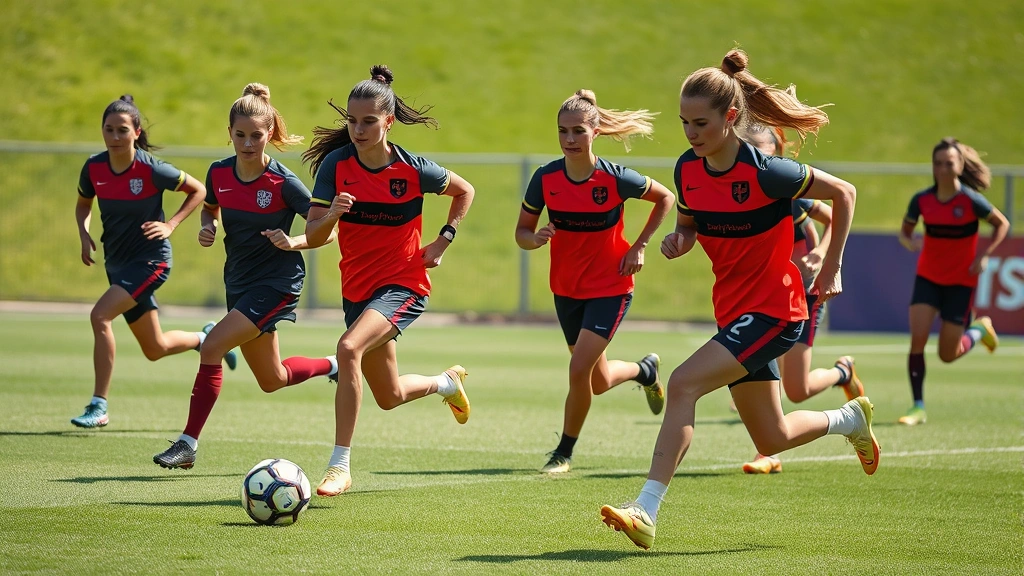
Football demands exceptional aerobic capacity, with elite female players covering 8-10 kilometers per match at varying intensities. Colombia’s conditioning programs prioritize developing high aerobic thresholds while maintaining explosive power for sprinting, jumping, and directional changes. Coaches utilize interval training protocols that replicate match intensity patterns, ensuring players can sustain peak performance throughout 90-minute competitions.
The team incorporates periodized training cycles that strategically vary volume, intensity, and recovery to optimize adaptation while preventing overtraining. This scientific approach to training organization ensures players arrive at major tournaments in peak condition rather than fatigued or injured.
Biomechanical analysis represents another critical component of performance optimization. Video analysis systems track movement patterns, identifying inefficiencies in running mechanics, kicking technique, and positional awareness. Coaches use this data to provide targeted feedback, helping players refine technical execution and reduce injury risk through improved movement quality.
Similar principles apply across athletic disciplines—understanding best strength training exercises for runners demonstrates how foundational fitness principles transfer across sports, emphasizing the importance of comprehensive conditioning programs for any athlete seeking excellence.

” alt=”Female soccer players performing high-intensity interval training on field, demonstrating explosive movement and athletic conditioning during professional training session”>
Strength and Conditioning Excellence
Colombia’s women’s football program emphasizes integrated strength and conditioning as fundamental to competitive success. The team’s strength coaches implement periodized resistance training that develops lower body power, core stability, and upper body resilience necessary for competitive football.
Lower body strength directly correlates with kicking velocity, jumping height, and acceleration capacity—all critical components of match performance. Players engage in progressive resistance training targeting quadriceps, hamstrings, glutes, and calf musculature. Exercises include barbell squats, deadlifts, Bulgarian split squats, and plyometric movements that develop explosive power.
Core stability training receives particular emphasis, as the trunk stabilizes the kinetic chain during kicking, jumping, and change-of-direction movements. Planks, anti-rotation exercises, and dynamic stability work enhance player resilience during high-intensity match situations.
The program incorporates plyometric training to develop rate of force development—the ability to generate force rapidly. Box jumps, lateral bounds, and reactive agility drills prepare players for the explosive demands of competitive football. These exercises increase muscle power while strengthening connective tissues, reducing injury susceptibility.
Properly structured conditioning programs improve performance across multiple domains. Athletes interested in optimizing their fitness can explore how to choose running shoes to ensure appropriate footwear for training, as proper equipment supports injury prevention and performance optimization.
Recovery protocols complement intensive training, with Colombia’s program incorporating active recovery, foam rolling, stretching, and mobility work. Strategic rest days allow physiological adaptation, preventing accumulated fatigue that undermines performance and increases injury risk.
Tactical Development and Match Preparation
Technical and tactical excellence distinguishes Colombia’s women’s football team at the highest competitive levels. The program emphasizes ball possession and positional play, developing players capable of executing complex attacking patterns while maintaining defensive organization.
Coaches employ small-sided games and tactical drills that replicate match situations, allowing players to practice decision-making under pressure. These training formats develop soccer intelligence—the ability to read the game, anticipate opponent movements, and select optimal technical solutions in real-time.
Video analysis systems provide coaches with detailed performance data regarding possession patterns, passing accuracy, defensive positioning, and set-piece execution. This information informs training adjustments and tactical preparations for upcoming opponents. Players review their performances, identifying improvement areas and reinforcing successful patterns.
Set-piece preparation receives dedicated attention, as these situations represent high-probability scoring opportunities. Specialized coaches work with players on free-kick execution, corner kick routines, and penalty kick techniques, ensuring the team maximizes these critical moments.
The team’s tactical flexibility allows adaptation to different opponent styles and match situations. Players understand multiple formations and roles, enabling coaches to adjust strategy based on opponent analysis and match dynamics. This versatility reflects sophisticated player development emphasizing tactical literacy alongside technical proficiency.
Injury Prevention and Recovery Protocols
Colombia’s women’s football program prioritizes injury prevention through systematic risk management. Coaches and medical staff work collaboratively to identify injury risk factors and implement targeted interventions.
Comprehensive pre-participation screening identifies structural imbalances, movement dysfunction, and previous injury history that increase re-injury risk. Athletes with identified risk factors receive specialized training addressing their specific needs, reducing injury susceptibility.
Movement quality assessment occurs regularly throughout training cycles. Coaches monitor landing mechanics, change-of-direction techniques, and movement patterns, providing real-time feedback to optimize technique and reduce injury risk. Poor movement patterns often precede injuries, making early intervention critical.
The program emphasizes eccentric strength training to enhance tissue resilience. Hamstring injuries occur frequently in football due to the high demands on this muscle group. Eccentric exercises like Nordic curls develop hamstring strength in lengthened positions, reducing injury risk significantly.
Recovery protocols include sleep optimization, nutritional strategies, and psychological stress management. Research demonstrates that inadequate sleep impairs physical recovery, increases injury risk, and diminishes cognitive function. The program educates players on sleep hygiene and provides environmental support for quality sleep during training camps and competitions.
Medical professionals employ evidence-based rehabilitation protocols when injuries occur, ensuring proper healing and gradual return-to-play progressions. This systematic approach minimizes time away from competition while preventing re-injury.
Nutrition and Athlete Fueling Strategies
Optimal nutrition represents a cornerstone of Colombia’s women’s football success. The program employs sports nutrition principles grounded in scientific research to fuel training adaptations and match performance.
Periodized nutrition strategies align with training phases, adjusting macronutrient ratios based on training demands. During high-volume training periods, players consume elevated carbohydrate amounts to maintain muscle glycogen stores and support training quality. During recovery periods, slightly elevated protein intake supports muscle adaptation.
Pre-match nutrition optimizes performance by ensuring adequate energy availability while minimizing gastrointestinal distress. Players consume familiar foods approximately 3-4 hours before competition, providing carbohydrates and moderate protein while limiting fiber and fat that could cause digestive issues.
Hydration protocols receive meticulous attention, as dehydration impairs physical performance, cognitive function, and thermal regulation. Players consume fluids strategically throughout training and competition, maintaining euhydration status. Individualized sweat rate testing determines optimal fluid intake for each player.
Post-exercise nutrition accelerates recovery by replenishing muscle glycogen and providing amino acids for muscle protein synthesis. Players consume carbohydrate and protein within 30-60 minutes after training or competition, optimizing adaptation and preparing for subsequent training sessions.
Micronutrient status receives monitoring through periodic blood testing, identifying deficiencies that could impair performance or increase injury risk. The program addresses identified deficiencies through targeted supplementation or dietary adjustments.
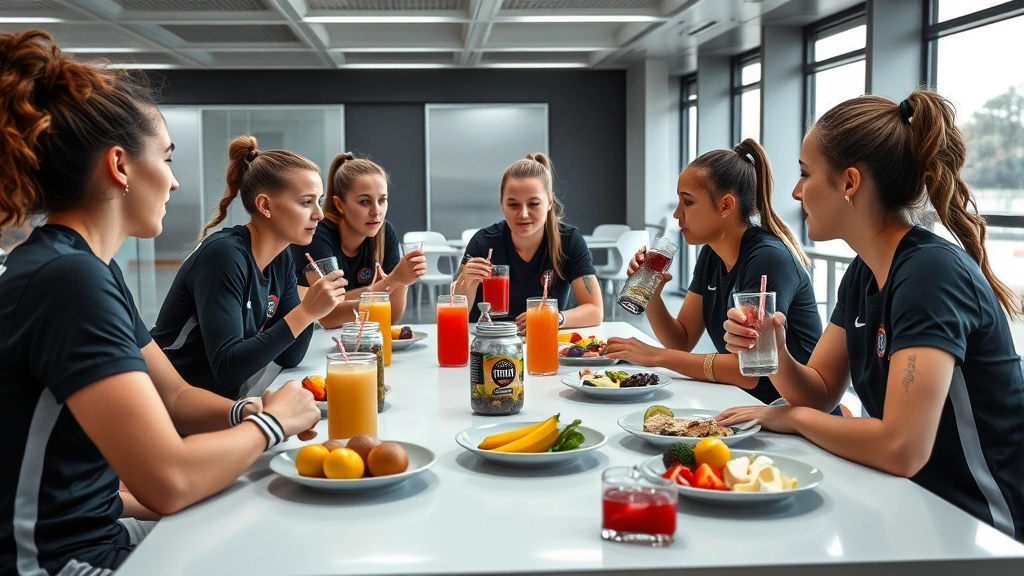
” alt=”Female soccer players consuming sports beverages and recovery meals in team dining facility after intense training session”>
Mental Performance and Psychological Resilience
Colombia’s women’s football program recognizes that psychological factors significantly influence competitive success. The team employs sports psychologists who work with players developing mental skills that enhance performance under pressure.
Stress inoculation training prepares players for high-pressure situations by gradually exposing them to stressors in controlled environments. Players practice decision-making under fatigue and time pressure, developing confidence in their abilities when competition demands peak performance.
Goal-setting protocols provide direction and motivation for training efforts. Players establish outcome goals (tournament results), performance goals (specific technical improvements), and process goals (training effort and focus). This multi-level approach keeps players engaged with controllable elements while maintaining perspective on ultimate objectives.
Visualization techniques enhance skill execution and confidence. Athletes mentally rehearse successful performances, activating similar neural pathways as physical practice. This mental rehearsal complements physical training, accelerating skill development and performance improvement.
Team cohesion and collective efficacy represent critical psychological factors. The program emphasizes team-building activities and communication training that strengthen relationships among players. Research demonstrates that cohesive teams perform better under pressure and demonstrate superior resilience during challenging competitions.
Psychological resilience training prepares players to manage setbacks, injuries, and performance disappointments. Players develop coping strategies and mental toughness enabling them to maintain focus and motivation despite obstacles. This psychological foundation distinguishes elite performers from talented athletes who struggle with adversity.
For comprehensive understanding of athletic excellence, exploring Peak Play Arena’s fitness blog provides additional insights into training methodologies, performance optimization, and athletic development across multiple sports and disciplines.
Frequently Asked Questions
What makes Colombia’s women’s football team successful internationally?
Colombia’s success stems from systematic athlete development, scientific training methodologies, investment in coaching education, and comprehensive support systems addressing physical, technical, tactical, and psychological development. The team benefits from increasing player participation at grassroots levels, creating deeper talent pools and more competitive selection processes.
How do Colombian players develop such strong technical skills?
Technical development begins in youth programs emphasizing ball mastery through small-sided games and skill-focused activities. As players advance, training incorporates increasingly complex tactical situations requiring technical execution under pressure. Video analysis and individualized coaching feedback accelerate skill development and refinement.
What role does sports science play in Colombian football?
Sports science informs every aspect of the program—from training periodization and conditioning protocols to injury prevention and performance analysis. Coaches utilize data from biomechanical analysis, performance testing, and video analysis to optimize training and identify improvement areas.
How does Colombia’s program prevent injuries?
Comprehensive injury prevention involves pre-participation screening, movement quality monitoring, eccentric strength training, recovery optimization, and medical management of identified risk factors. This multifaceted approach reduces injury incidence while ensuring proper rehabilitation when injuries occur.
What nutritional strategies support Colombian players’ performance?
Periodized nutrition aligns with training demands, optimizing energy availability and recovery. The program emphasizes pre-match fueling, hydration protocols, post-exercise recovery nutrition, and micronutrient management. Individual assessment ensures strategies match each player’s specific needs and tolerances.
How important is psychology in Colombian women’s football?
Psychology significantly influences competitive success. The program develops mental skills including stress management, goal-setting, visualization, and resilience. Team cohesion and collective efficacy enhance performance under pressure, distinguishing elite performers from talented individuals who struggle with adversity.
Can other countries learn from Colombia’s approach?
Absolutely. Colombia’s systematic approach to athlete development, integration of sports science, emphasis on coaching education, and comprehensive support systems provide a model other nations can adapt. Success requires sustained investment, organizational commitment, and willingness to implement evidence-based practices consistently.
For additional perspectives on competitive sports and performance analysis, visit sports betting odds explained to understand how analysts evaluate team performance and competitive dynamics across sports.
Exploring college football performance analysis and college fantasy football strategies provides additional context on how sports science principles apply across athletic disciplines and competitive levels.


