
Get Fit on Vacation? Expert Tips for Success
Vacations are meant for relaxation, but that doesn’t mean your fitness goals have to take a backseat. Whether you’re lounging on a beach, exploring a mountain resort, or visiting a bustling city, maintaining your workout routine is entirely achievable—and often more enjoyable than your typical gym sessions. The key is strategic planning, flexibility, and understanding that vacation fitness doesn’t require expensive equipment or fancy facilities.
Many fitness enthusiasts struggle with the guilt of taking time off during vacations, leading to either complete abandonment of their routines or excessive stress about finding the perfect gym. The reality is far simpler: your body thrives on variety, and vacation workouts offer unique opportunities to challenge yourself in new environments while maintaining your hard-earned gains. Athletes and fitness professionals consistently recommend that active recovery and environmental changes can actually enhance your overall fitness trajectory.
This comprehensive guide explores proven strategies for staying fit during vacation, drawing from exercise physiology research and expert recommendations. Whether you’re a dedicated athlete or someone simply committed to maintaining peak performance, these evidence-based tips will help you navigate vacation fitness with confidence and enjoyment.

Pre-Vacation Planning: The Foundation for Success
The difference between successful vacation fitness and complete abandonment begins weeks before you leave home. Strategic planning eliminates excuses and creates accountability. Start by researching your destination thoroughly—identify hotels with fitness facilities, nearby gyms offering day passes, parks for running, and beaches for swimming. This reconnaissance work transforms vague intentions into concrete action plans.
According to the American College of Sports Medicine (ACSM), consistency matters more than intensity, especially during travel periods. Rather than attempting your maximum effort workouts, aim for 50-70% of your regular training volume. This approach prevents overtraining, reduces injury risk, and maintains your fitness foundation without creating unsustainable pressure.
Document your baseline fitness metrics before vacation: your typical weekly mileage, strength training volume, body weight, and energy levels. This creates a reference point for post-vacation assessment and helps you understand what “maintenance” actually means for your specific situation. Athletes preparing for competition should consult performance metrics and training schedules to ensure vacation doesn’t disrupt competitive preparation.
Create a flexible workout schedule that accounts for vacation activities. If you’re planning a hiking excursion, that’s your cardio. If you’re spending a beach day with family, that’s active recovery. Build your fitness plan around vacation activities rather than treating fitness as separate from your travel experience.
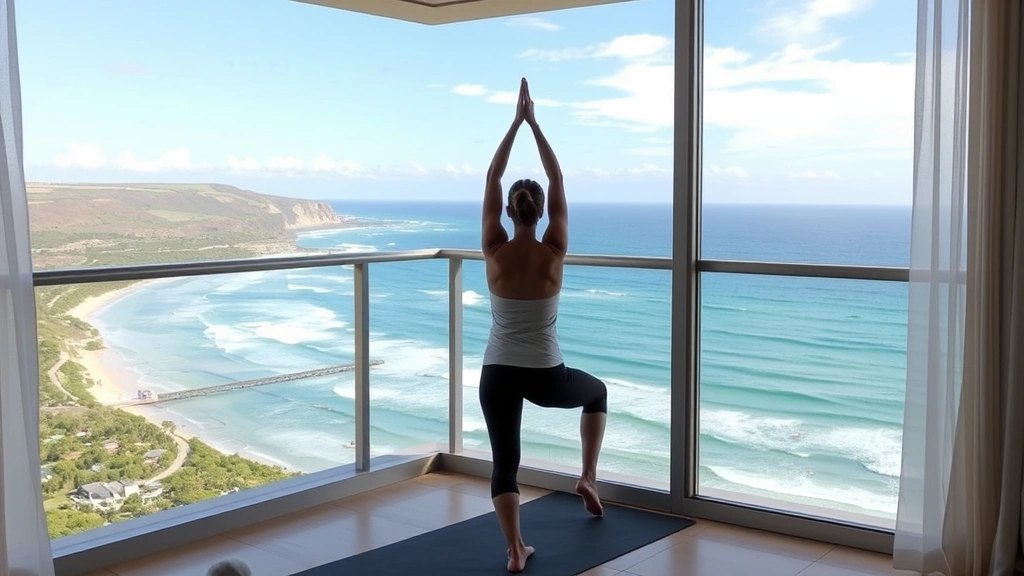
Hotel Room Workouts: No Equipment Needed
Limited space and no equipment don’t prevent effective training. Bodyweight exercises deliver remarkable results when performed with proper form and progressive intensity. The human body provides sufficient resistance for muscle development and cardiovascular conditioning.
Effective hotel room exercises include:
- Push-ups (standard, incline, decline, diamond variations)
- Bodyweight squats and Bulgarian split squats using furniture
- Planks and dynamic core work
- Lunges and step-ups on stairs
- Burpees for high-intensity intervals
- Mountain climbers for explosive cardio
- Tricep dips using chairs or beds
Implement circuit training to maximize workout efficiency in confined spaces. Perform 40 seconds of work followed by 20 seconds of rest for 8-10 exercises, completing 3-4 rounds. This approach elevates heart rate, challenges muscles, and requires minimal space. Research published in the Journal of Sports Medicine demonstrates that high-intensity interval training (HIIT) maintains cardiovascular fitness during brief vacation breaks.
Resistance bands deserve special mention—they weigh almost nothing but provide variable resistance throughout movement ranges. Pack one or two bands in your luggage for expanded exercise options. Bands allow progressive overload through increasing tension, enabling continued strength development during vacation periods.
Stair climbing provides exceptional cardiovascular and lower body benefits in hotels. Many people overlook this simple option, yet climbing stairs for 20-30 minutes delivers training stimulus comparable to moderate-intensity running. The eccentric loading (downward movement) provides additional strength stimulus for quadriceps and glutes.
Outdoor Activities: Nature’s Gym
Vacations offer unique environmental opportunities that your home gym can’t replicate. Beach running in sand, trail running on varied terrain, swimming in open water, and hiking at different elevations all challenge your body differently than controlled gym environments. This variation prevents adaptation plateaus and enhances overall athletic development.
Swimming provides exceptional full-body training with minimal joint stress. Whether in ocean, pool, or lake, swimming develops cardiovascular fitness, muscular endurance, and body awareness while being accessible to various fitness levels. The American Heart Association recommends swimming as an optimal cross-training modality for athletes.
Hiking offers progressive resistance training through elevation changes and uneven surfaces. Unlike treadmill running, hiking engages stabilizer muscles, improves proprioception (body awareness), and strengthens smaller muscle groups that prevent injury. Start with moderate distances and gradually increase difficulty rather than attempting maximum-intensity hikes immediately.
Beach training—running, sprinting, or bodyweight exercises in sand—significantly increases muscular demand compared to solid surfaces. The unstable environment requires greater core engagement and stabilizer muscle activation. This training variation translates to improved performance on firm ground when you return home. Begin with 50% of your normal volume and progress gradually to prevent excessive soreness.
Exploring your destination actively—walking tours, cycling, recreational sports—counts as training. Maintain consistent movement throughout vacation days rather than alternating between complete inactivity and intense training sessions. This steady-state activity enhances recovery, improves mood, and maintains metabolic activity.
Nutrition Strategies During Travel
Fitness maintenance during vacation depends heavily on nutrition consistency. Travel disrupts normal eating patterns, introducing irregular schedules, unfamiliar food options, and social eating situations. Strategic nutrition planning prevents the common vacation scenario of returning home heavier despite maintaining workouts.
Research from sports nutrition journals confirms that caloric surplus from vacation eating typically exceeds training volume increases, resulting in fat gain. This doesn’t mean strict dieting—rather, mindful eating with flexible guidelines. Aim for protein intake of 0.7-1 gram per pound of body weight daily, prioritize whole foods when available, and maintain awareness of portion sizes.
Hydration becomes critical during vacation travel, especially in warm climates or at higher elevations. Dehydration impairs performance, reduces recovery capacity, and increases injury risk. Drink water consistently throughout the day—a practical guideline is consuming half your body weight in ounces daily, increasing intake with activity and heat exposure.
Vacation nutrition guidelines:
- Eat protein with every meal to maintain satiety and muscle protein synthesis
- Prioritize whole foods (fruits, vegetables, lean proteins) when available
- Practice portion awareness even with indulgent meals
- Allow flexibility for social dining without guilt
- Maintain consistent meal timing relative to workouts
- Supplement strategically if whole foods are limited
Pre-workout nutrition becomes more important with limited food familiarity. Consume carbohydrates and protein 2-3 hours before training, or a smaller snack 30-60 minutes before if time is limited. Post-workout nutrition within 1-2 hours accelerates recovery—prioritize protein and carbohydrates to replenish muscle glycogen and initiate protein synthesis.
Recovery and Sleep Optimization
Sleep disruption represents the most underestimated vacation fitness challenge. Travel across time zones, unfamiliar sleeping environments, and altered schedules suppress recovery capacity dramatically. Sleep quality directly impacts muscle recovery, immune function, and performance capacity.
Implement sleep hygiene protocols: maintain consistent sleep schedules despite time zone changes, create dark sleeping environments using blackout curtains or eye masks, keep room temperatures cool (65-68°F optimal), and minimize blue light exposure one hour before sleep. Melatonin supplementation (0.5-3mg) can facilitate sleep adjustment during travel, though establishing natural rhythms is preferable.
Active recovery days prove essential during vacation. Rather than training intensely daily, alternate high-intensity sessions with low-intensity movement: leisurely walks, easy swimming, or gentle yoga. This approach maintains fitness while preventing cumulative fatigue that impairs recovery.
Massage, foam rolling, or stretching routines accelerate recovery and reduce muscle soreness. Most hotel rooms provide sufficient space for 10-15 minute mobility sessions. Consistent stretching improves flexibility, reduces injury risk, and enhances recovery capacity. The National Strength and Conditioning Association recommends daily mobility work for active individuals.
Cold water immersion (cold showers or ocean swimming) provides evidence-based recovery benefits, reducing inflammation and enhancing parasympathetic nervous system activation. While not essential, strategic cold exposure during vacation can accelerate recovery between workouts.
Technology Tools for Vacation Fitness
Smartphones and wearable technology enable consistent tracking and motivation during vacation. Fitness apps provide guided workouts requiring no equipment, while tracking devices monitor activity, heart rate, and sleep quality. This data maintains accountability and ensures you’re maintaining adequate activity levels.
Valuable vacation fitness technologies:
- Workout apps (Fitbod, Nike Training Club, Peloton Digital) offering guided bodyweight routines
- Tracking devices (Garmin, Apple Watch, Fitbit) monitoring activity and recovery metrics
- Running apps (Strava, MapMyRun) enabling exploration of new routes while tracking performance
- Nutrition apps (MyFitnessPal) maintaining dietary awareness without obsessive tracking
- Recovery apps (Whoop, Oura) optimizing sleep and recovery
Social accountability through fitness communities and training partners enhances consistency. Share vacation workout photos or progress updates with your training group—this maintains connection and motivation during travel breaks. Many athletes find that vacation represents ideal opportunities for testing new training methods or refining athletic technique in novel environments.
Video training libraries enable structured workouts with professional coaching cues. Platforms like YouTube, Apple Fitness+, or Peloton provide diverse workout options from strength training to yoga, all requiring minimal space and equipment.
Mental Strategies for Consistency
The psychological aspect of vacation fitness often determines success more than physical capacity. Mental resilience, flexible mindset, and self-compassion create sustainable vacation fitness habits.
Reframe vacation fitness as opportunity rather than obligation. Instead of viewing workouts as stealing vacation time, recognize them as enhancing vacation quality through improved mood, energy, and confidence. Exercise releases endorphins, improves mental clarity, and provides structure to vacation days—benefits extending beyond physical fitness.
Embrace flexibility without abandonment. If vacation plans prevent your scheduled workout, modify rather than skip it. A 20-minute hotel room session provides more benefit than complete inactivity. This adaptive approach prevents the “all-or-nothing” mentality that derails many fitness enthusiasts during vacation.
Establish accountability through pre-vacation commitments. Tell training partners about vacation fitness plans, post intentions publicly, or schedule workout times with travel companions. External accountability increases follow-through likelihood significantly.
Celebrate consistency rather than perfectionism. Completing 60% of planned vacation workouts represents remarkable success—most people achieve 20% or less. Acknowledge effort and progress rather than dwelling on missed sessions.
Consider vacation fitness as part of broader athletic development. Even reduced training volume maintains fitness and prevents detraining. When you return home, you’ll resume normal training from a maintained fitness baseline rather than starting from scratch. This perspective transforms vacation from a fitness setback into a strategic recovery phase.
For athletes following competitive training schedules, vacation represents optimal timing for active recovery phases. Strategic rest periods prevent overtraining, reduce injury risk, and enhance long-term performance capacity. Consult periodized training protocols to ensure vacation timing aligns with your athletic calendar.
Post-vacation, document what worked and what didn’t. This reflection creates personalized vacation fitness strategies for future trips. Perhaps beach workouts energized you, or hotel circuits proved more practical than gym visits. Tailoring future vacation fitness to your preferences enhances enjoyment and consistency.
FAQ
How much fitness do I lose during a week-long vacation?
One week of reduced training typically produces minimal fitness loss—approximately 5-10% decline in cardiovascular capacity. Strength gains remain largely preserved for 2-3 weeks with reduced training. Maintaining any consistent activity prevents significant detraining. The psychological benefits of vacation often outweigh minimal fitness decrements.
Should I follow my normal training intensity during vacation?
Reduce intensity to 50-70% of normal levels. Vacation represents ideal opportunity for active recovery phases, allowing your body to recover from training stress while maintaining fitness. This approach prevents overtraining, reduces injury risk, and enhances recovery capacity for resumed training post-vacation.
What if my vacation destination has no gym access?
Bodyweight training, outdoor activities, and environmental exploration provide complete fitness maintenance without gym facilities. Swimming, hiking, running, and hotel room circuits deliver exceptional training stimulus. Many athletes achieve their best fitness through vacation training in natural environments.
How do I maintain nutrition consistency with unfamiliar food options?
Focus on protein intake and whole foods when available rather than perfect macronutrient tracking. Most destinations offer eggs, chicken, fish, fruits, and vegetables—prioritize these. Allow flexibility for cultural cuisine without guilt. Maintain caloric awareness through portion control rather than strict counting.
Is vacation fitness worth the effort?
Absolutely. Vacation fitness maintains your fitness foundation, prevents detraining, enhances mood and energy, and models healthy habits to family members. The effort required is minimal compared to benefits received. Additionally, active vacations prove more enjoyable and memorable than sedentary alternatives.
Should I track workouts during vacation?
Light tracking through apps or simple notes maintains accountability without obsessive monitoring. Focus on consistency (days trained) rather than metrics (volume, intensity). This balance preserves vacation relaxation while ensuring adequate activity.


