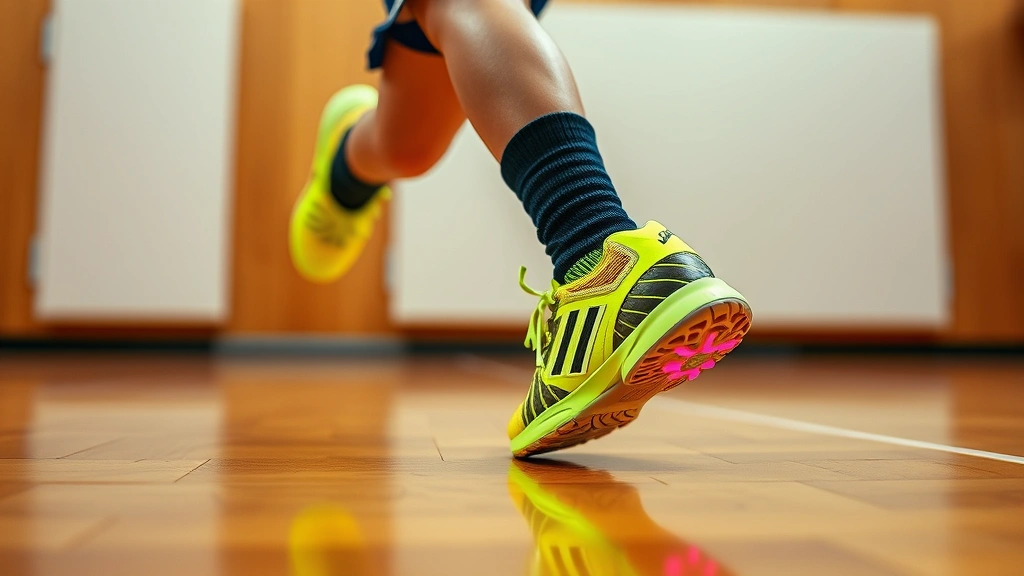
Best Indoor Football Shoes for Kids: Expert Reviews & Buying Guide
Choosing the right children’s indoor football shoes is one of the most critical decisions you’ll make as a parent or young athlete. Your child’s footwear directly impacts their performance, comfort, and injury risk during indoor football matches and training sessions. Unlike outdoor football, indoor play demands specialized shoes with specific sole designs, ankle support, and cushioning that prioritize court traction and rapid directional changes.
The difference between quality indoor football shoes and generic athletic sneakers can be the deciding factor between a confident, injury-free season and frustrating foot pain or slips during crucial plays. This comprehensive guide breaks down everything you need to know to find the perfect pair for your young player, including expert recommendations, key features to prioritize, and answers to common parent questions.
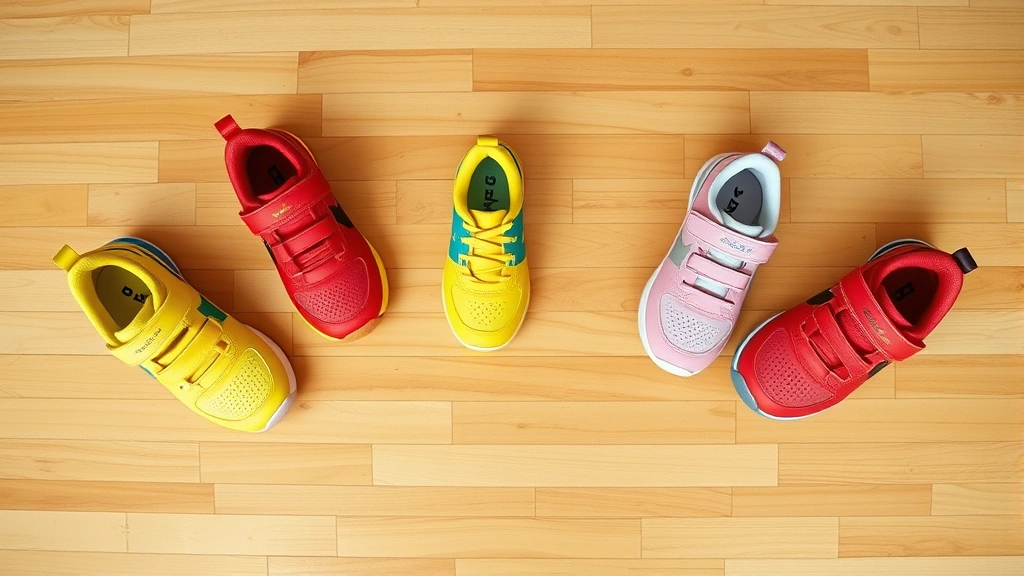
Why Indoor Football Shoes Matter for Kids
Indoor football is fundamentally different from outdoor soccer or football. The playing surface—typically polished wood, artificial turf, or specialized court materials—requires shoes engineered specifically for court play. Children’s indoor football shoes must provide exceptional grip without being so sticky that they cause ankle injuries during quick cuts. Poor footwear choices can lead to slips, twisted ankles, and reduced confidence on the court.
Research from sports medicine professionals emphasizes that proper footwear reduces injury rates by up to 40% in youth sports programs. When kids wear shoes designed for their specific sport, they experience improved proprioception (body awareness), better acceleration and deceleration control, and enhanced overall performance. Additionally, well-fitted indoor shoes reduce foot fatigue, allowing young athletes to maintain focus and intensity throughout practices and matches.
The growth plates in children’s feet don’t fully ossify until late teens or early twenties, making proper shoe support even more critical. Inadequate support during the developmental years can lead to long-term alignment issues, plantar fasciitis, or chronic ankle instability. Investing in quality indoor football shoes is an investment in your child’s athletic foundation and long-term foot health.
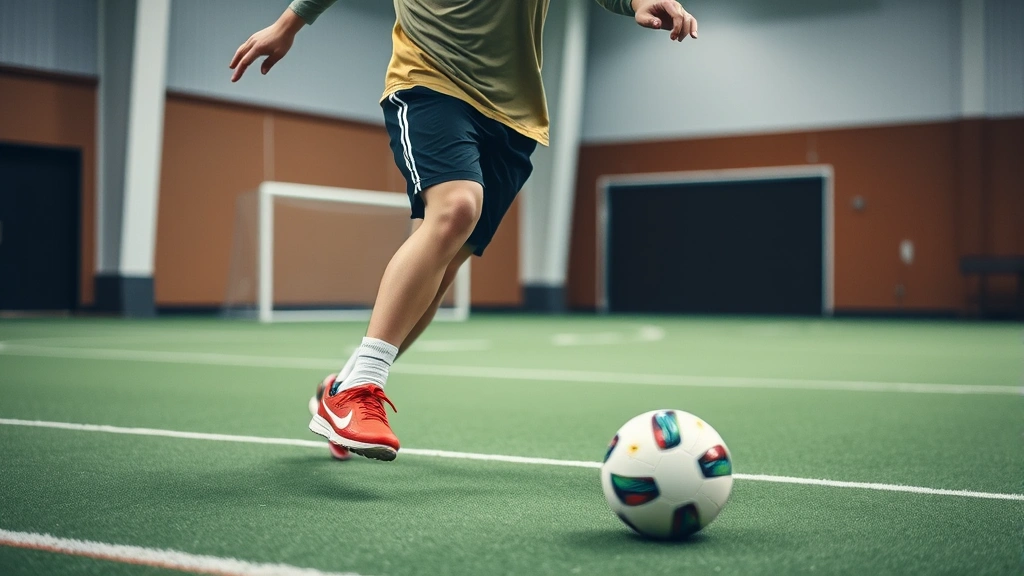
Key Features of Quality Children’s Indoor Football Shoes
Sole Design and Court Grip
The sole is the most important component of indoor football shoes. Look for gum rubber outsoles with dot or herringbone patterns specifically designed for indoor court traction. These patterns provide superior grip on polished surfaces without creating excessive friction that could trap the shoe and injure the ankle. Avoid shoes with aggressive outdoor cleats or studs—these are dangerous on indoor courts and will be quickly banned from play.
The sole thickness should be around 10-12mm for optimal court feel and protection. Too thin, and your child loses shock absorption; too thick, and they lose the ground connection necessary for quick directional changes. Quality manufacturers engineer their soles to flex naturally with the foot’s biomechanics.
Upper Material and Construction
Premium indoor football shoes for kids feature synthetic leather or mesh uppers that balance durability with breathability. Synthetic materials resist moisture better than canvas and maintain their shape longer through intense play. Look for reinforced toe boxes that protect against impacts and provide extra durability in high-wear areas.
The collar and heel counter should provide snug ankle support without restricting blood flow. Padded collars reduce blisters and improve comfort during extended wear. Some premium models include memory foam padding that molds to your child’s foot shape, providing customized comfort.
Cushioning Technology
Indoor football involves constant jumping, pivoting, and explosive movements. Adequate cushioning protects growing joints and reduces impact stress. Look for shoes with EVA midsoles or gel cushioning in the heel and forefoot. The cushioning should be responsive—it compresses to absorb impact but returns quickly to support the next movement.
Avoid overly soft cushioning, which feels comfortable initially but breaks down quickly and reduces ground feedback. The sweet spot is medium-density cushioning that protects joints while maintaining court feel and stability.
Ankle Support and Stability
While indoor football shoes aren’t high-tops like basketball shoes, they should offer midfoot support and a secure heel fit. Look for reinforced medial and lateral sides that prevent excessive ankle rolling. Many quality models include internal heel counters that stabilize the heel without restricting ankle mobility.
Proper fit is crucial for ankle support—the heel should sit snugly without slipping, and the midfoot should feel locked in place. This prevents the shoe from shifting during quick cuts, which is a primary cause of ankle sprains in young athletes.
Top Shoe Recommendations by Brand
Nike Phantom Vision Academy
Nike’s Phantom Vision line stands out as one of the best options for youth indoor football. These shoes feature Nike’s responsive foam technology and a gum rubber sole engineered specifically for court play. The upper combines synthetic leather with strategic mesh panels for breathability during intense matches. Kids consistently report excellent comfort even during back-to-back training sessions. Prices typically range from $60-$85, making them accessible for most families.
Adidas Predator Freak
Adidas brings their legendary Predator technology to children’s indoor shoes with exceptional ball control features. The textured upper improves touch and passing accuracy—a significant advantage for young players developing their technical skills. The Boost cushioning provides responsive comfort, and the outsole delivers reliable court traction. These shoes run slightly narrow, so consider sizing up a half size. Price point: $70-$90.
Puma Future Z
Puma’s Future Z series offers outstanding value with quality construction that rivals more expensive competitors. The lightweight design reduces foot fatigue, and the synthetic upper is remarkably durable. Young players praise the snug fit and responsive feel. These are excellent for competitive players who value performance-to-price ratio. Expect to pay $55-$75.
New Balance Tekela
New Balance’s Tekela line provides excellent arch support—particularly important for kids with flat feet or high arches. The cushioning is slightly softer than competitors, which many young athletes prefer for comfort. The midfoot fit is exceptional, preventing the shoe from shifting during play. These are ideal for kids prioritizing comfort over minimalist court feel. Price range: $65-$85.
Sondico Velocity
For budget-conscious families, Sondico offers surprisingly solid construction at $35-$50. While not matching premium brands in responsive cushioning or advanced materials, these shoes provide adequate support and durability for recreational players and training. They’re excellent for trying out indoor football before investing in premium footwear.
Mizuno Morelia
Mizuno’s Morelia represents the premium segment with exceptional craftsmanship and performance. The kangaroo leather upper offers superior touch and durability. These shoes are favored by elite youth programs and serious competitive players. The investment is significant ($100-$140), but the longevity and performance justify the cost for dedicated athletes. Explore our best football gloves for complementary equipment recommendations.
Sizing and Fit Guidelines
Proper sizing is absolutely critical with children’s indoor football shoes. Unlike casual sneakers where slight looseness is acceptable, indoor shoes must fit precisely to provide the support and control young athletes need.
Measuring Your Child’s Feet
Always measure your child’s feet in the afternoon or evening when they’re slightly swollen from daily activity. This gives a more accurate size than morning measurements. Have your child stand on a flat surface with weight distributed evenly. Measure from the heel to the longest toe (usually the big toe, but sometimes the second toe). Add about 8-10mm to this measurement—this is the proper shoe size.
Remember that feet grow rapidly during childhood. Check sizing every 2-3 months during growth spurts. Many parents make the mistake of buying oversized shoes to “grow into them,” which actually increases injury risk because the foot moves excessively inside the shoe.
Fit Characteristics
The heel should fit snugly with minimal slippage—you should only be able to fit one finger between the heel and shoe. The midfoot should feel locked in place with no shifting during side-to-side movements. The toe box should have about a thumb’s width of space from the longest toe to the shoe end, allowing room for growth without excess space.
Have your child walk and perform light movements in the shoes before purchasing. They should feel comfortable immediately—quality indoor shoes require minimal break-in time. Avoid shoes that feel tight across the forefoot or pinch the sides, as these cause blisters and discomfort during play.
Width Considerations
Many brands offer multiple width options. Children with wide feet should never be forced into standard widths—this causes discomfort and increases injury risk. Brands like New Balance and Asics traditionally offer wider options. If your child has narrow feet, brands like Adidas and Puma typically fit more snugly.
Durability and Maintenance Tips
Quality indoor football shoes represent a significant investment. Proper maintenance extends their lifespan and maintains performance characteristics.
Cleaning and Care
After each use, wipe shoes with a damp cloth to remove dust and sweat. Air dry at room temperature—never use direct heat sources like radiators or hair dryers, which damage the glue and materials. For stubborn stains, use a soft brush with mild soap and water.
Deep clean monthly by removing insoles and washing the interior with water and mild detergent. This prevents odor and extends shoe life. Replace insoles annually or when they show compression or wear patterns.
Storage
Store shoes in a cool, dry location away from direct sunlight. Excessive heat degrades materials and weakens adhesive bonds. Use shoe trees or stuff with newspaper to maintain shape. Never store damp shoes in closed bags or lockers—this promotes mold and odor.
Sole Replacement
When the gum rubber sole shows significant wear but the upper is still intact, many quality brands offer sole replacement services for $20-$40. This extends shoe life considerably and is more economical than purchasing new shoes.
Budget Considerations
Indoor football shoe prices range from $35 to $150+, but the most important factor is finding the right shoe for your child’s specific needs, not necessarily the most expensive option.
Value Segments
Budget ($35-$50): Suitable for recreational players, practice-only shoes, or trying the sport before investing significantly. Expect adequate comfort and basic durability but limited advanced features.
Mid-Range ($55-$85): Offers the best value for most young athletes. Includes quality cushioning, reliable court traction, and construction that lasts a full season with proper care. Most families find this segment delivers the optimal balance of performance and affordability.
Premium ($100-$150+): Targets elite competitive players and serious athletes. Includes advanced materials, superior responsiveness, and exceptional durability. Worth the investment for players training multiple times weekly or competing at high levels.
When to Upgrade
Replace shoes when the sole shows significant wear (flat, smooth patches), the upper develops tears or separation, or your child reports discomfort or instability. Don’t wait until shoes are completely worn—this increases injury risk. Plan to replace shoes every 12-18 months depending on usage intensity.
As your child’s skills and commitment develop, upgrading to higher-quality shoes often yields noticeable performance improvements. A recreational player might be perfectly served by mid-range options, while a competitive player training 4+ times weekly benefits from premium construction and materials. Learn more about how to avoid sports injuries through proper equipment selection.
Consider purchasing two pairs if your child plays frequently—rotating between pairs extends overall lifespan by allowing shoes to fully dry between uses. This strategy actually saves money long-term despite the higher initial investment.
Where to Buy
Purchase from retailers that offer generous return policies (30+ days) and accept exchanges for sizing adjustments. Online retailers often provide better prices than physical stores, but verify return policies before ordering. Specialty soccer and football retailers offer expert fitting advice that justifies slightly higher prices. Many offer loyalty programs providing discounts on future purchases.
FAQ
What’s the difference between indoor and outdoor football shoes?
Indoor shoes feature gum rubber soles designed for court traction, while outdoor shoes have cleats or studs for grass. Indoor soles are typically thinner with dot or herringbone patterns for grip without excessive friction. Using outdoor cleats on indoor courts is dangerous and violates most league rules.
Can my child wear regular sneakers for indoor football?
While technically possible, this is not recommended. Regular sneakers lack the specialized sole design for court play, increasing slip risk and ankle injury potential. They also provide inadequate midfoot support for the explosive movements in football. Specialized indoor shoes are designed specifically to prevent injuries during the lateral movements and quick direction changes the sport demands.
How often should I replace my child’s indoor football shoes?
Typical replacement interval is 12-18 months with regular use, or when the sole shows significant wear, the upper develops damage, or your child reports discomfort. Heavy-use players (4+ times weekly) may need replacement annually. Lighter recreational players might extend shoes to 18-24 months.
Should I buy shoes a size larger for growth?
No. Oversized shoes cause blisters, reduce control, and increase injury risk. Buy the correct current size. Plan to replace shoes as your child’s feet grow. Most children’s feet grow 1-2 sizes yearly during growth spurts. Check fit every 2-3 months and upgrade when needed.
Are expensive shoes always better?
Not necessarily. Premium shoes offer advanced materials and superior durability, benefiting serious competitive players. However, mid-range shoes ($55-$85) provide excellent value and performance for most young athletes. Focus on proper fit and appropriate features for your child’s skill level rather than brand prestige or price.
What if my child has wide or narrow feet?
Most major brands offer width options. New Balance and Asics typically provide wider fits, while Adidas and Puma run narrower. Always try multiple brands to find the best fit for your child’s foot shape. Properly fitted shoes in the correct width prevent blisters and provide better control than oversized standard-width shoes.
Can my child wear the same shoes for other sports?
Indoor football shoes are specifically designed for court play and work well for basketball, volleyball, and other indoor sports. However, outdoor sports like soccer or field football require different sole designs. Using indoor shoes on grass leads to inadequate traction and potential ankle issues.
How can I help my child improve hand-eye coordination alongside proper footwear?
Quality footwear provides the foundation for athletic development. Check out our guide on how to improve hand-eye coordination for comprehensive training techniques that complement proper equipment.
What about team bonding when selecting equipment?
Many teams coordinate shoe colors or brands for visual unity. Explore sports team bonding activities that incorporate equipment selection as a team-building exercise, creating shared identity and motivation.


