
CFL Workout Routines: Fitness Coach Insights from Canadian Football League Teams
The Canadian Football League demands elite athleticism, explosive power, and exceptional conditioning. Players across all Canadian football league teams follow rigorous training protocols designed to maximize performance on the field. Whether you’re an aspiring CFL athlete or a fitness enthusiast looking to train like a professional, understanding the workout routines used by these elite competitors can transform your fitness journey. This comprehensive guide reveals the science-backed training methods, conditioning strategies, and recovery protocols that separate championship-caliber players from the rest.
CFL athletes face unique demands compared to their NFL counterparts. The Canadian game features a larger field, 12 players per side, and a faster pace that requires sustained cardiovascular capacity alongside explosive strength. Fitness coaches across the league have developed specialized routines that address these specific demands. We’ll explore the exact methodologies, exercises, and programming strategies that elite coaches use to prepare their rosters for peak performance.
CFL-Specific Training Demands and Athletic Requirements
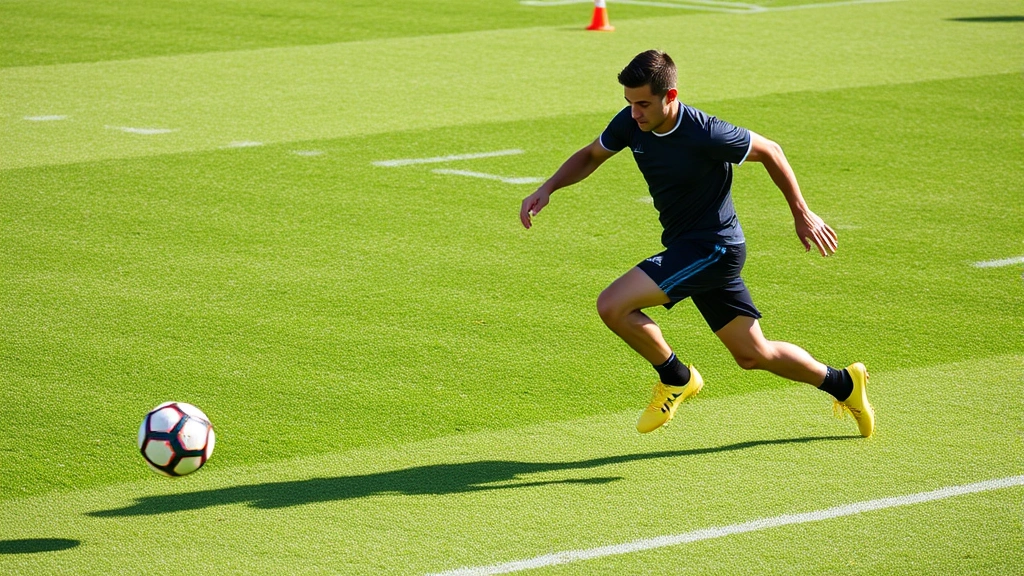
Understanding the unique demands of Canadian football is essential before diving into specific workout routines. The CFL field measures 110 yards long (compared to 100 in the NFL), and teams deploy 12 players instead of 11. This creates a game that emphasizes horizontal space, rapid ball movement, and continuous player engagement. Fitness coaches must account for these factors when designing training programs.
CFL athletes need explosive first-step quickness, sustained aerobic capacity, and the ability to perform at high intensity for extended periods. The game demands multi-directional movement, frequent position changes, and rapid decision-making under fatigue. Research from the American College of Sports Medicine demonstrates that sport-specific training produces superior results compared to generic fitness protocols. Therefore, CFL training must replicate game demands rather than simply building raw strength.
The physical profile of successful CFL athletes varies by position, but all require exceptional work capacity. Defensive backs need reactive speed and lateral quickness. Offensive linemen need explosive power and sustained strength endurance. Receivers and defensive ends require a combination of speed, strength, and agility. Your training program should emphasize the specific demands of your position while maintaining overall athleticism.
Strength and Power Development Programs
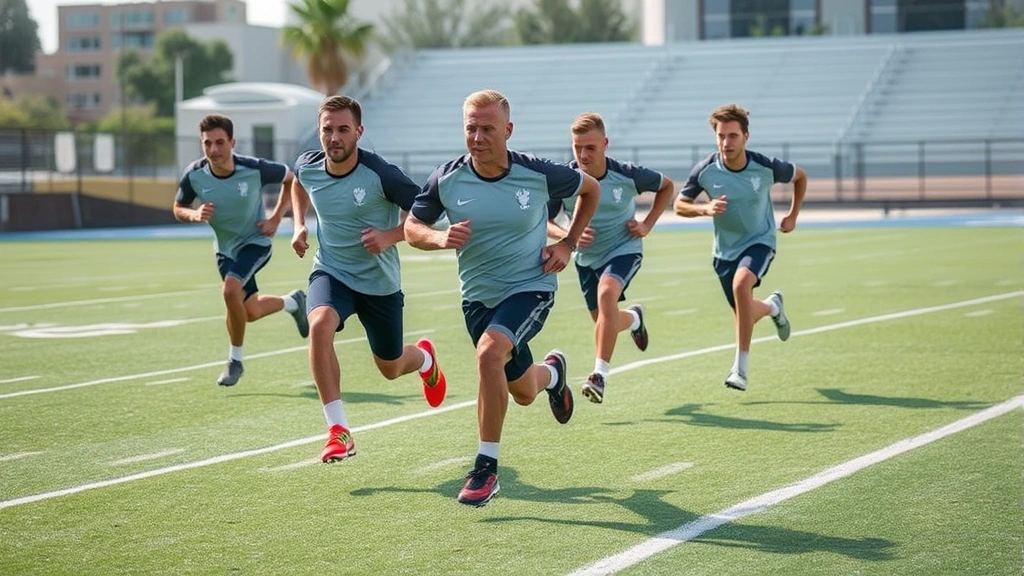
Maximum strength and explosive power form the foundation of CFL performance. Fitness coaches prioritize compound movements that develop functional strength applicable to game situations. The primary strength exercises across all Canadian football league teams include squats, deadlifts, bench presses, and Olympic lifting variations.
Squat Variations and Lower Body Development
The back squat remains the gold standard for lower body strength development. CFL strength coaches implement various squat patterns including front squats, goblet squats, and safety bar squats to address different movement patterns and muscle groups. Progressive overload through increased weight, volume, or density drives continuous adaptation and strength gains.
Recommended squat programming typically involves 3-4 sets of 5-8 repetitions at 85-90% of one-repetition maximum, performed 1-2 times weekly during strength phases. Bulgarian split squats, single-leg squats, and reverse sled pushes develop unilateral strength and address muscular imbalances common in football athletes.
Olympic Lifting and Power Development
Power cleans, hang cleans, and push presses develop the explosive qualities necessary for football excellence. These movements require rapid force production and triple extension (ankle, knee, hip), which directly transfers to jumping ability, sprinting power, and tackling effectiveness. Olympic lifting variations should be performed earlier in training sessions when nervous system fatigue is minimal.
Typical Olympic lift programming involves 3-5 sets of 2-5 repetitions, performed twice weekly. Proper technique is non-negotiable—coaches emphasize movement quality over load until athletes master fundamental patterns. Variations like dumbbell power snatches and kettlebell swings provide alternatives for athletes without access to platforms or coaching expertise.
Upper Body Pressing and Pulling Movements
Bench press variations develop chest, shoulder, and triceps strength essential for blocking, tackling, and maintaining possession battles. Incline presses, close-grip benches, and dumbbell variations address different angles and muscle recruitment patterns. Complementary pulling exercises including rows, pull-ups, and lat pulldowns maintain balanced development and shoulder health.
Strength coaches recommend alternating upper body emphasis between pressing and pulling days. A typical week might include horizontal pressing on Monday, vertical pulling on Tuesday, vertical pressing on Thursday, and horizontal pulling on Friday. This approach develops balanced strength while allowing adequate recovery between similar movement patterns.
Core and Stabilization Work
The core musculature stabilizes the spine during dynamic movements and transfers force between upper and lower body segments. Planks, dead bugs, Pallof presses, and anti-rotation exercises develop functional core strength. Unlike traditional crunches, these movements emphasize stability under load rather than simple flexion.
CFL athletes benefit from 10-15 minutes of daily core work performed at training session conclusion when fatigue tolerance is highest. This consistent dedication prevents injuries and improves force transfer during sport-specific movements.
Speed and Agility Training Methods
Exceptional foot speed and change-of-direction ability distinguish elite CFL athletes. Speed development requires specific nervous system adaptation, and training methods must address acceleration, maximum velocity, and deceleration mechanics.
Sprint Mechanics and Acceleration Development
Proper sprinting technique emphasizes forward lean during acceleration, explosive ground contact, and powerful hip extension. CFL coaches implement resisted sprints using sleds, parachutes, or harnesses to overload the acceleration phase. Typical resisted sprint protocols involve 4-6 repetitions of 10-20 meter accelerations with moderate resistance, allowing athletes to maintain proper mechanics while developing strength-speed qualities.
Unresisted sprints of 20-40 meters performed at maximum intensity develop maximum velocity and stride length. Most CFL athletes perform 2-3 maximum effort sprints per speed session, allowing complete nervous system recovery between repetitions. Proper warm-up including dynamic mobility and neurological activation is essential before maximum effort sprinting.
Agility and Change-of-Direction Training
Agility work involves rapid deceleration, directional change, and re-acceleration. Unlike general conditioning, agility training emphasizes movement quality and decision-making. Common agility drills include cone drills, ladder drills, and shuttle runs performed at varying intensities based on training phase and athlete readiness.
The T-drill, pro agility shuttle, and three-cone drill represent standardized assessments used across Canadian football league teams for evaluating lateral quickness and change-of-direction ability. Training these specific patterns improves performance metrics while developing practical football movement skills. Most agility training occurs earlier in training sessions when neuromuscular system function is optimal.
Reactive and Lateral Movement Development
Sport-specific agility requires reactive decision-making in response to opponent movement. Coaches implement reactive drills where athletes respond to coach signals, partner positioning, or ball movement. These drills develop the perceptual and decision-making skills essential for defensive backs, receivers, and defensive linemen.
Lateral shuffles, backpedaling, and crossover steps deserve dedicated attention since these movements occur frequently in game situations. Ladder drills, line drills, and cone patterns develop foot speed and coordination specific to these patterns. Performing these movements while fatigued improves their reliability during fourth-quarter situations when decision-making becomes critical.
Cardiovascular Conditioning for Football Excellence
CFL athletes require exceptional work capacity to sustain high-intensity efforts throughout 60-minute contests. Unlike distance runners, football athletes need the ability to perform repeated maximal efforts with incomplete recovery. This requires specific conditioning methods distinct from steady-state aerobic training.
High-Intensity Interval Training (HIIT) Protocols
HIIT develops both aerobic and anaerobic capacity while preserving muscle mass. Typical CFL conditioning protocols involve 30-40 second maximum effort intervals followed by 30-90 second recovery periods, repeated for 8-12 repetitions. Exercise selection should reflect sport demands—football-specific drills like shuttle runs, sled pushes, or sport-specific movement patterns produce superior adaptations compared to generic conditioning methods.
Wingate protocols (30-second maximum effort sprints) performed 2-3 times weekly develop explosive anaerobic power. These intense sessions require complete recovery (48+ hours between sessions) and should be performed when athletes are adequately rested and mentally focused.
Tempo Training and Submaximal Conditioning
Tempo runs performed at 75-85% maximum heart rate for 15-30 minute durations develop aerobic base and lactate clearance capacity. These sessions performed 1-2 times weekly complement higher-intensity work and allow active recovery between harder training days. The Journal of Sports Medicine and Physical Fitness demonstrates that aerobic base development supports higher-intensity performance and recovery between efforts.
Sport-Specific Conditioning Circuits
CFL coaches implement position-specific conditioning circuits that replicate game demands. A defensive back circuit might include shuttle runs, backpedal sequences, and reactive movement patterns. An offensive lineman circuit might include sled pushes, resisted sprints, and power-based movements. These circuits develop conditioning while maintaining sport specificity.
Implementing these conditioning methods requires careful progression. Early season conditioning emphasizes aerobic base and movement quality. Mid-season training prioritizes high-intensity intervals and sport-specific demands. Late season conditioning focuses on maintenance and strategic peaking for playoff performance.
Sport-Specific Positional Training
While general fitness principles apply across positions, Canadian football league teams implement position-specific training to develop role-specific excellence. Understanding your position’s demands allows targeted development of critical attributes.
Offensive Skill Position Training (Receivers, Running Backs)
Receivers require explosive acceleration, vertical jump ability, and lateral quickness. Training emphasizes lower body power development through depth jumps, box jumps, and single-leg bounding. Agility work focuses on sharp cuts, plant-and-go movements, and reactive footwork. Upper body strength training emphasizes explosive pressing movements and grip strength for catching ability.
Sport-specific drills include cone routes, jump-ball competitions, and catch-and-run transitions. These drills develop the specific movement patterns and decision-making required during game situations. Receivers typically perform 2-3 position-specific training sessions weekly in addition to general strength and conditioning work.
Offensive Line Development
Offensive linemen require maximum strength, explosive power, and sustained muscular endurance. Training emphasizes compound lower body movements (squats, deadlifts), heavy pressing variations, and resisted movement patterns. Specific focus addresses lateral drive, pad level maintenance, and sustained contraction capacity.
Sled work, particularly sled pushes and sled drags, develops the lower body power and hip extension strength essential for blocking. Heavy carries (farmer carries, loaded walks) develop grip strength and postural stability. Position-specific drills include footwork patterns, hand placement drills, and blocking combinations performed at game speed.
Defensive Line and Linebacker Training
Defensive linemen and linebackers require explosive first-step quickness, sustained power, and lateral mobility. Training emphasizes Olympic lifting variations, explosive lower body movements, and resisted lateral work. Lateral shuffles, backpedal transitions, and reactive agility drills develop the multi-directional movement patterns essential for these positions.
Sport-specific drills include gap assignments, shed drills, and tackling mechanics work. Heavy compound movements develop the strength necessary to control offensive linemen, while explosive variations develop the reactive quickness needed against skill position players.
Defensive Back Training
Defensive backs require exceptional lateral quickness, reactive speed, and sustained running capacity. Training emphasizes lateral movements, backpedal mechanics, and reactive agility. Lower body power development focuses on single-leg exercises and lateral-plane movements rather than traditional bilateral strength work.
Specific drills include plant-and-go movements, mirror drills, and reactive transitions. Conditioning work emphasizes repeated high-intensity intervals with incomplete recovery, replicating the demands of multiple coverage assignments throughout games. Jump training develops vertical jump ability essential for pass breakups and interceptions.
Recovery and Injury Prevention Strategies
Elite performance requires strategic recovery as much as intense training. CFL teams implement comprehensive recovery protocols addressing sleep, nutrition, mobility, and active recovery. Learn more about how to avoid sports injuries through proper recovery strategies.
Sleep and Circadian Rhythm Optimization
Sleep represents the most powerful recovery tool available to athletes. Research from sports science literature demonstrates that 7-9 hours of quality sleep enhances strength development, reduces injury risk, and improves decision-making. CFL organizations prioritize sleep hygiene by controlling environmental factors, managing training schedules to allow adequate sleep, and educating players about sleep optimization strategies.
Strategic napping (20-30 minutes) during training camp and competitive seasons enhances afternoon recovery and afternoon/evening performance. However, naps should be timed to avoid disrupting nighttime sleep patterns.
Mobility and Flexibility Development
Dynamic mobility work performed before training sessions prepares muscles and joints for activity. Leg swings, walking lunges, and rotational movements improve range of motion and neurological activation. Static stretching performed post-training or during dedicated flexibility sessions improves long-term range of motion.
Foam rolling and self-myofascial release techniques reduce muscle tension and improve movement quality. Daily mobility work addressing hip mobility, thoracic rotation, and ankle dorsiflexion prevents compensatory movement patterns and reduces injury risk. Dedicate 10-15 minutes daily to mobility work targeting movement restrictions specific to your position.
Active Recovery and Contrast Therapy
Active recovery sessions performed on rest days involve low-intensity movement promoting blood flow and metabolic waste clearance. Swimming, easy cycling, and walking facilitate recovery without imposing additional training stress. These sessions should feel restorative rather than challenging.
Contrast therapy alternating hot and cold exposure enhances recovery through vasodilation and vasoconstriction cycles. Ice baths, contrast showers, and sauna use help manage inflammation and soreness. However, timing matters—ice application immediately post-training reduces inflammation, while heat application several hours later improves mobility and comfort.
Injury Prevention Through Movement Quality
Proper movement mechanics prevent compensatory stress and injury risk. Regular assessment of movement quality through squat patterns, single-leg stance, and sport-specific movements identifies limitations requiring attention. Addressing movement restrictions before they develop into injuries maintains training consistency and long-term athletic development.
Nutrition and Supplementation for CFL Athletes
Optimal nutrition fuels training adaptations and supports recovery. CFL athletes typically consume 2.5-3.5 grams of protein per kilogram of body weight daily, distributed across 4-5 meals. This consistent protein intake supports muscle protein synthesis and strength development.
Macronutrient Periodization
Carbohydrate intake varies based on training phase and session intensity. Heavy training days require 6-8 grams of carbohydrates per kilogram of body weight, while lighter days require 3-5 grams. This periodized approach supports high-intensity performance while managing body composition.
Fat intake typically comprises 20-30% of total calories, supporting hormone production and nutrient absorption. Strategic timing of carbohydrates around training sessions—30-60 minutes before and immediately after—optimizes performance and recovery. Pre-training meals should emphasize carbohydrates and moderate protein, while post-training nutrition should prioritize protein and carbohydrates.
Micronutrient and Hydration Considerations
Adequate hydration supports performance, recovery, and thermoregulation. CFL athletes should consume 0.5-1 liter of fluid per hour during training, adjusting based on sweat rate and environmental conditions. Electrolyte replacement becomes essential during sessions exceeding 60 minutes or in hot conditions.
Micronutrient sufficiency supports energy production, immune function, and bone health. Iron, zinc, magnesium, and B vitamins warrant particular attention. Blood work assessment identifies specific deficiencies requiring supplementation. Most athletes benefit from basic supplementation including multivitamins, omega-3 fatty acids, and vitamin D, particularly during winter months.
Evidence-Based Supplementation
Creatine monohydrate supplementation (5 grams daily) supports strength development and power output. Caffeine (3-6 mg per kilogram of body weight) enhances alertness and power output, though individual tolerance varies. Beta-alanine (3-5 grams daily) may improve repeated high-intensity performance over 4-6 week supplementation periods.
Most other supplements lack sufficient evidence supporting performance enhancement. Focus on nutrition fundamentals before pursuing advanced supplementation strategies. Consult with sports nutritionists to develop personalized nutrition protocols addressing your specific goals and requirements.
Programming and Periodization Approaches
Strategic training organization through periodization optimizes long-term development while managing fatigue and injury risk. CFL programs typically follow periodized structures spanning 4-6 week blocks with specific training emphasis.
Off-Season Programming
Off-season training (12-16 weeks) emphasizes maximum strength development, hypertrophy, and movement quality. Training frequency is highest during this period, with 4-5 training sessions weekly. Exercises emphasize compound movements performed at moderate-to-high loads. Speed and agility work occurs but receives less emphasis than during in-season periods.
Off-season training allows experimentation with advanced techniques, exercise variations, and programming approaches. Coaches use this period to address individual weaknesses and develop new capacities. The emphasis on strength and power development creates a foundation supporting in-season performance.
Pre-Season Conditioning
Pre-season training (6-8 weeks) transitions from pure strength emphasis toward sport-specific conditioning and power maintenance. Training still emphasizes strength (2-3 sessions weekly) but incorporates higher-velocity movements and sport-specific drills. Conditioning work becomes progressively more intense and sport-specific.
Position-specific training increases during pre-season as athletes prepare for game demands. Defensive and offensive coordinators implement position-specific schemes, and training emphasizes the decision-making and reactive skills required for successful execution. Testing protocols assess readiness for competitive season.
In-Season Maintenance and Monitoring
In-season training (18 weeks) prioritizes maintaining strength and power while managing fatigue. Training frequency typically decreases to 2-3 sessions weekly, with emphasis on compound movements and power development. Conditioning work often occurs during practice sessions rather than dedicated conditioning workouts.
Monitoring training load, sleep quality, and recovery markers helps coaches manage fatigue while maintaining performance. Some athletes respond better to reduced training volume, while others maintain performance with higher volume. Individual response monitoring guides program adjustments throughout the season.
Strategic deloading weeks (typically every 4 weeks) reduce training volume by 40-50%, allowing nervous system recovery and managing accumulated fatigue. These weeks prevent overtraining while maintaining training consistency. Most in-season programs include a final deload week before playoff competitions, allowing full recovery before highest-stakes contests.
Accessing Expert Programming
For detailed programming guidance, explore the Peak Play Arena Blog for comprehensive training resources. Understanding college football predictions and professional performance standards can inform your personal training goals and benchmarks.
FAQ
What is the typical weekly training schedule for CFL athletes?
CFL athletes typically train 5-6 days weekly during off-season with structured rest days. Sessions include strength training (3 days), speed/agility work (2-3 days), conditioning (2-3 days), and position-specific drills. In-season training reduces to 3-4 structured sessions weekly, with additional work occurring during team practices.
How often should CFL athletes perform Olympic lifting movements?
Olympic lifting variations should be performed 2-3 times weekly during strength phases, with emphasis on movement quality. Most programs include 2 sessions during off-season training and 1 session during in-season maintenance. Proper coaching and technique mastery are non-negotiable prerequisites.
What are the most important physical attributes for CFL success?
Essential attributes include explosive lower body power, lateral quickness, sustained aerobic capacity, and sport-specific movement quality. Position-specific demands vary, but all CFL athletes require exceptional work capacity and the ability to perform at high intensity with incomplete recovery.
How important is nutrition compared to training for CFL athletes?
Nutrition and training are equally important—neither alone produces optimal results. Proper nutrition fuels training adaptations, supports recovery, and maintains body composition. Elite athletes typically dedicate equal attention to training and nutrition planning.
What recovery methods should CFL athletes prioritize?
Sleep represents the most important recovery tool, followed by proper nutrition, mobility work, and active recovery. Contrast therapy, massage, and other recovery modalities support these fundamentals but cannot substitute for adequate sleep and nutrition.
How should athletes adjust training during injury recovery?
Modified training maintains fitness while protecting injured structures. Work with sports medicine professionals and strength coaches to develop rehabilitation-specific programming. Typically, uninjured body parts continue training while injured areas receive specialized rehabilitation. Gradual progression back to full training prevents re-injury.
What equipment is essential for CFL-style training?
Essential equipment includes squat racks, barbells, dumbbells, pull-up bars, and agility cones. Advanced facilities include sleds, medicine balls, and resistance bands. However, fundamental training principles can be implemented with minimal equipment—bodyweight exercises, simple movements, and creative equipment substitutions support progress.
Should amateur athletes follow professional CFL programming?
Professional programming provides valuable insights, but individual modification is necessary. Amateur athletes with less training experience should emphasize movement quality and consistent effort over advanced techniques. Gradually increase training complexity as movement competency improves. Consider consulting with qualified strength coaches to personalize professional programming for your specific circumstances.
For additional equipment considerations, explore football gloves and other essential gear that supports optimal training and performance. Understanding sports betting odds explained can provide context for athletic performance metrics and professional standards.
CFL workout routines represent the culmination of exercise science, coaching expertise, and athlete dedication. By implementing these evidence-based methods, you can develop the strength, speed, and conditioning necessary for elite football performance. Start with fundamental principles, progress gradually, and maintain consistent effort. The transformation from amateur to elite-level fitness requires patience, but the results justify the dedication. Begin your CFL-inspired training journey today and discover the athlete within you.


