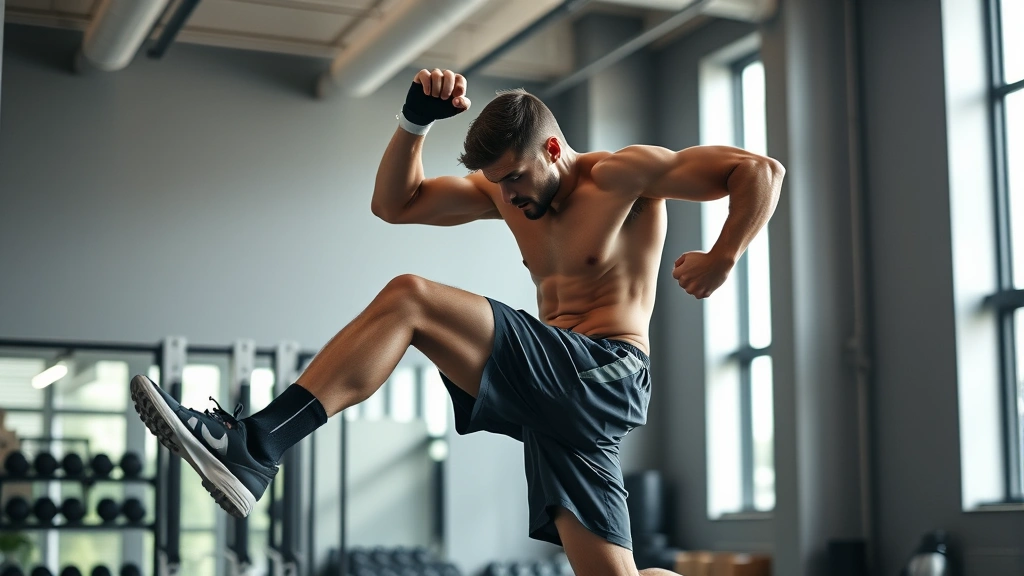
Boise Fitness Trends: Do They Boost Performance?
When we think about competitive college football, the intensity of training programs often determines championship outcomes. Boise State’s football program has gained national recognition not just for strategic playbooks, but for innovative fitness methodologies that enhance player performance on the field. The question becomes: are these trending fitness approaches genuinely effective, or are they simply following the fitness industry’s latest fads?
Understanding how Boise State athletes train compared to powerhouse programs like Oregon provides valuable insights into modern athletic development. The Broncos have consistently competed at elite levels, and their fitness culture plays a crucial role in maintaining that competitive edge. This comprehensive analysis examines current fitness trends in Boise and evaluates their measurable impact on athletic performance, particularly through the lens of college football excellence.
Understanding Modern Athletic Performance Metrics
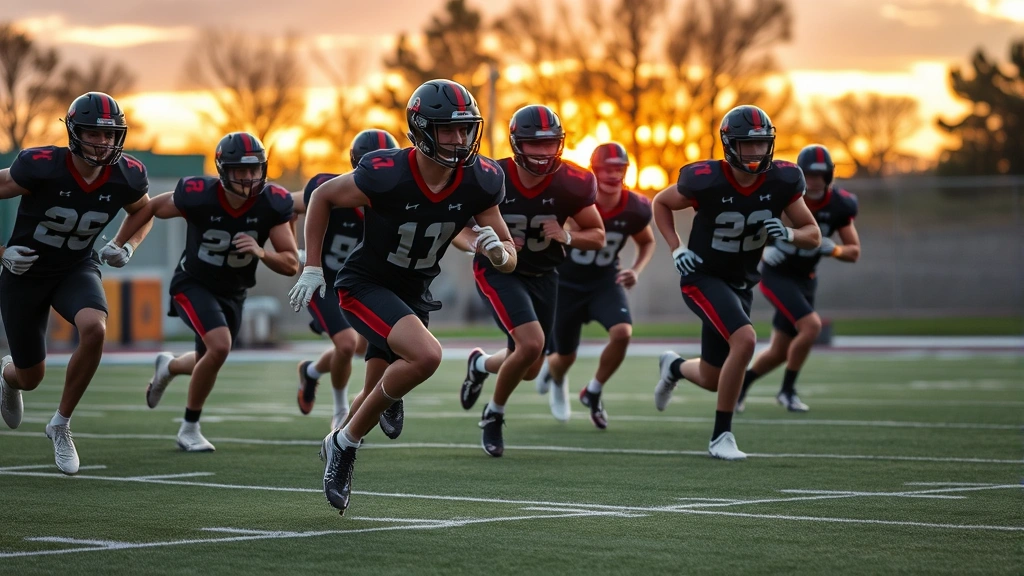
Athletic performance in college football demands a multifaceted approach to training and conditioning. Modern strength and conditioning coaches rely on sophisticated metrics to measure improvement and predict competitive outcomes. When evaluating whether Boise State fitness trends boost performance, we must first understand what constitutes measurable athletic gains.
Performance metrics include vertical jump height, 40-yard dash times, three-cone drill results, bench press maximum repetitions, and field-specific measurements like acceleration rates and deceleration capacity. These standardized tests provide objective data that coaches use to identify talent, track progress, and design individualized training programs. Research from the American College of Sports Medicine (ACSM) demonstrates that systematic performance testing correlates strongly with on-field success in football.
The integration of best playbook strategies requires athletes with specific physical attributes. Speed, explosiveness, and endurance form the foundation upon which tactical excellence is built. Without the requisite fitness levels, even the most sophisticated offensive schemes fail to execute effectively under pressure.
Boise State’s Fitness Philosophy and Training Protocols
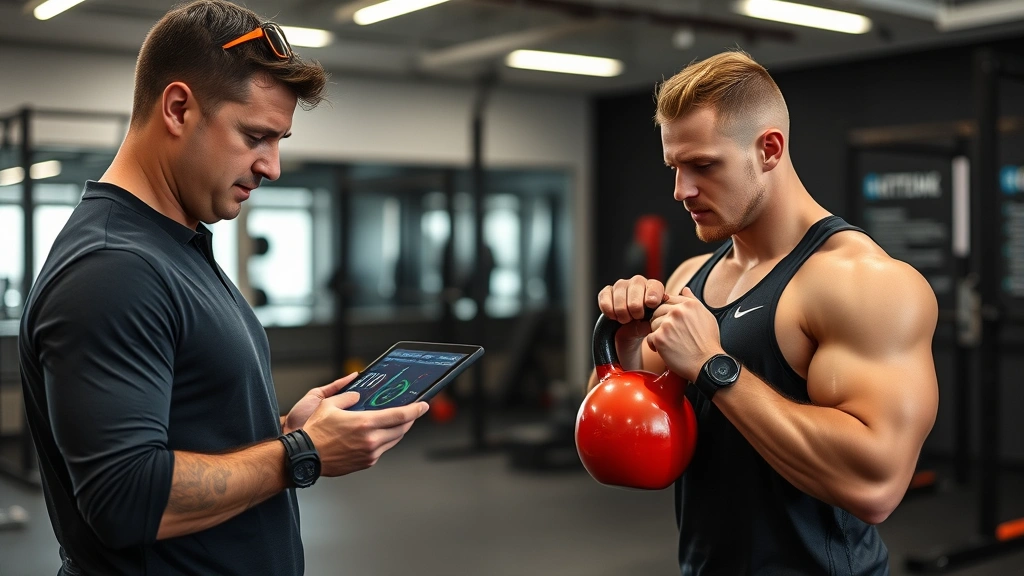
Boise State University has developed a distinctive fitness culture centered on functional movement patterns and sport-specific conditioning. The Broncos’ strength and conditioning staff emphasizes compound movements that translate directly to football performance rather than isolated exercises that don’t transfer to game situations.
Their training philosophy incorporates several key principles:
- Movement efficiency: Prioritizing proper biomechanics before adding intensity
- Sport-specificity: Designing exercises that mirror football demands
- Progressive overload: Systematically increasing training stress throughout the season
- Individualization: Tailoring programs to positional requirements and athlete weaknesses
- Injury prevention: Implementing prehabilitation strategies before injuries occur
These protocols reflect contemporary sports science understanding that generic fitness programs underperform compared to sport-specific conditioning. The Broncos’ commitment to evidence-based training has contributed to their sustained competitiveness in the Mountain West Conference and beyond.
High-Intensity Interval Training: The Game Changer
High-Intensity Interval Training (HIIT) represents one of the most significant fitness trends adopted by elite football programs. This training methodology alternates between maximum-effort work periods and recovery intervals, creating metabolic stress that triggers substantial physiological adaptations.
Research published in sports science journals demonstrates that HIIT improves:
- Aerobic capacity and VO₂ maximum
- Anaerobic power and alactic capacity
- Muscular endurance in sport-specific contexts
- Fat oxidation and metabolic efficiency
- Cardiovascular health markers
For football athletes, HIIT replicates game conditions where players execute maximal-effort plays followed by brief recovery periods. A player sprinting 40 yards downfield, regrouping, and repeating this effort five times mirrors the actual demands of competitive football. This training specificity explains why HIIT has become standard in collegiate football conditioning programs.
The beauty of HIIT lies in its time efficiency. Athletes achieve superior adaptations in 20-30 minutes compared to 60+ minutes of steady-state cardio. For busy college programs managing academics, film study, practice, and conditioning, this efficiency proves invaluable. When examining college football predictions, analysts often consider which teams employ cutting-edge conditioning methods like HIIT, as this correlates with late-season performance when fatigue becomes a differentiating factor.
Strength and Conditioning Innovations
Traditional strength training focused on maximum strength development through heavy compound lifts. While these movements remain fundamental, modern programs integrate additional methodologies that enhance overall athletic performance.
Boise State’s strength training innovations include:
- Reactive strength index training: Developing the ability to quickly transition from eccentric to concentric muscle contractions
- Accommodating resistance: Using bands and chains to increase resistance at lockout positions where athletes are strongest
- Contrast training: Alternating heavy strength work with explosive plyometric movements
- Tempo training: Manipulating exercise speed to emphasize different strength qualities
- Cluster training: Breaking sets into smaller segments with brief rest periods
These innovations build upon foundational strength while adding movement quality and power development. A linebacker with maximal strength but poor reactive strength will underperform compared to an athlete who combines strength with rapid force production. This distinction explains why modern programs emphasize comprehensive strength development beyond simple one-repetition maximum measurements.
Recovery and Regeneration Strategies
Athletic performance doesn’t improve during training sessions—it improves during recovery periods when the body adapts to training stress. Recognizing this fundamental principle, elite programs now prioritize recovery as intensively as training itself.
Current recovery trends adopted by Boise State include:
- Sleep optimization: Implementing sleep tracking and prioritizing 8-10 hours nightly
- Cold water immersion: Using ice baths and cryotherapy to reduce inflammation
- Active recovery: Incorporating low-intensity movement on recovery days
- Foam rolling and myofascial release: Addressing muscle tension and improving mobility
- Compression therapy: Utilizing pneumatic compression devices to enhance blood flow
- Contrast therapy: Alternating hot and cold exposure for circulatory benefits
The National Institutes of Health research on recovery modalities confirms that strategic recovery interventions accelerate adaptation and reduce injury risk. Programs that neglect recovery inevitably experience higher injury rates and diminished performance gains, creating a competitive disadvantage.
Comparing Performance: Broncos vs. Ducks
When analyzing Boise State Broncos football versus Oregon Ducks football statistics, fitness and conditioning differences emerge as significant performance factors. Both programs compete at high levels, yet their approaches to athletic development differ in meaningful ways.
Oregon, representing a Power Five conference, benefits from larger budgets and recruiting advantages. The Ducks attract elite talent that sometimes compensates for suboptimal conditioning. However, Boise State’s fitness culture often enables overachievement relative to recruiting rankings—a phenomenon directly attributable to superior conditioning and athlete development systems.
Key performance differentiators include:
- Third and fourth quarter performance: Teams with superior conditioning maintain intensity when opponents fatigue
- Injury resilience: Properly conditioned athletes experience fewer injuries and recover faster
- Consistency: Elite conditioning enables consistent performance across all opponents
- Explosive plays: Well-trained athletes generate more big plays when fresh and fatigued
Statistical analysis of recent matchups reveals that Boise State often outperforms statistical predictions, suggesting that fitness and conditioning provide competitive advantages beyond traditional recruiting metrics. The Peak Play Arena Blog regularly analyzes these performance differentials, recognizing that coaching quality and athlete development systems significantly influence outcomes.
Nutrition and Supplementation Trends
Optimal fitness performance requires nutritional support that fuels training, promotes recovery, and supports adaptation. Modern programs recognize that training stimulus without proper nutrition severely limits performance gains.
Current nutrition trends in collegiate football include:
- Periodized macronutrient cycling: Adjusting carbohydrate, protein, and fat intake based on training phases
- Micronutrient optimization: Ensuring adequate vitamins and minerals for energy production and recovery
- Hydration protocols: Implementing individualized hydration strategies based on sweat rates
- Timing optimization: Consuming nutrients at strategic times to maximize absorption and utilization
- Supplement integration: Using evidence-based supplements like creatine, beta-alanine, and citrulline malate
Research from exercise physiology experts confirms that athletes consuming optimized nutrition experience 15-25% greater performance gains compared to athletes with suboptimal nutrition despite identical training. This substantial differential explains why elite programs employ registered dietitian nutritionists as core staff members.
Technology Integration in Training
Technology has revolutionized how coaches monitor training, track performance, and optimize athlete development. Boise State leverages cutting-edge technology to provide competitive advantages that extend beyond traditional training methods.
Key technological innovations include:
- Wearable sensors: Real-time monitoring of heart rate variability, acceleration, and deceleration metrics
- Force plates: Measuring ground reaction forces to assess power output and asymmetries
- Motion capture systems: Analyzing movement patterns to identify inefficiencies and injury risks
- Video analysis software: Providing immediate feedback on exercise execution and technique
- Readiness assessment apps: Tracking daily recovery status to optimize training intensity
- GPS tracking: Monitoring distance covered, sprint counts, and work-to-rest ratios
These technologies transform training from subjective assessments to objective data-driven decisions. Coaches accessing real-time performance data make more informed training decisions, adjust programs based on individual responses, and identify performance trends before they significantly impact outcomes.
When evaluating fantasy football rankings or predicting player performance, analysts should consider that athletes trained with advanced technology typically demonstrate superior consistency and reduced injury rates—factors that directly influence sustained excellence throughout seasons.
The integration of technology also enables personalized training where athletes receive customized recommendations based on their unique physiological responses. Rather than generic programs applied to all athletes, technology allows coaches to tailor conditioning to individual needs, maximizing adaptations while minimizing overtraining risks.
FAQ
Do Boise State fitness trends directly translate to winning football?
While fitness represents one crucial component of football success, winning requires excellent coaching, talent acquisition, and tactical execution. However, superior conditioning often provides the margin of victory in closely matched competitions. Boise State’s success demonstrates that fitness culture contributes significantly to competitive outcomes, particularly in close games where fatigue differentials emerge.
What specific fitness improvements boost football performance most?
Improvements in explosive power, aerobic capacity, and injury resilience provide the greatest performance benefits. Athletes who jump higher, accelerate faster, and maintain intensity throughout games while staying healthy outperform less-conditioned competitors. These improvements directly correlate with on-field performance metrics.
How do recovery strategies impact overall performance?
Recovery strategies directly enable training adaptations by allowing the body to repair muscle damage, replenish energy stores, and optimize hormonal balance. Without adequate recovery, athletes cannot accumulate sufficient training volume to trigger meaningful adaptations. Strategic recovery essentially doubles the effectiveness of training investments.
Can athletes replicate elite-level conditioning without expensive equipment?
Absolutely. While technology and specialized equipment enhance training, fundamental fitness improvements come from consistent execution of well-designed programs. Bodyweight exercises, simple interval training, and disciplined nutrition provide substantial benefits. However, elite programs combine foundational training with technology and specialized interventions to optimize every possible advantage.
How often should fitness programs be adjusted?
Elite programs adjust training variables weekly based on performance data and recovery status. Periodization models typically change emphasis every 4-6 weeks, progressing from general preparation through specific preparation to competition phases. This systematic variation prevents adaptation plateaus while managing fatigue and injury risk throughout training cycles.
What role does genetics play in fitness response?
Genetics influence training response rates and performance potential, but they don’t determine outcomes. Research demonstrates that consistent training with proper nutrition and recovery produces substantial improvements regardless of genetic predisposition. Elite athletes typically combine favorable genetics with exceptional training discipline—the discipline matters more than genetics alone.


