
Axiom Football Helmet Review: Expert Insights & Safety Tips
When it comes to protecting your head on the football field, choosing the right helmet can be the difference between a minor impact and a life-altering injury. The Axiom football helmet has emerged as a popular choice among players, coaches, and safety professionals seeking advanced protective technology without breaking the bank. This comprehensive review explores the design, safety features, performance metrics, and expert recommendations for the Axiom helmet, helping you make an informed decision about your on-field protection.
The evolution of football helmet technology has accelerated dramatically over the past decade, with manufacturers investing billions into research and development to reduce concussions and traumatic brain injuries. The Axiom brand represents a significant step forward in this journey, combining traditional helmet engineering with modern impact-absorption systems. Whether you’re a high school athlete, college player, or recreational enthusiast, understanding the specifications and safety capabilities of the Axiom helmet is essential for maximizing your protection while maintaining comfort and visibility during gameplay.
Axiom Helmet Design & Construction
The Axiom football helmet showcases a sophisticated multi-layer construction philosophy that prioritizes both protection and player experience. At its core, the helmet features a rigid polycarbonate outer shell that distributes impact forces across a wider surface area, preventing concentrated trauma to any single point on the skull. This design principle aligns with recommendations from the American College of Sports Medicine, which emphasizes the importance of force dispersion in helmet safety standards.
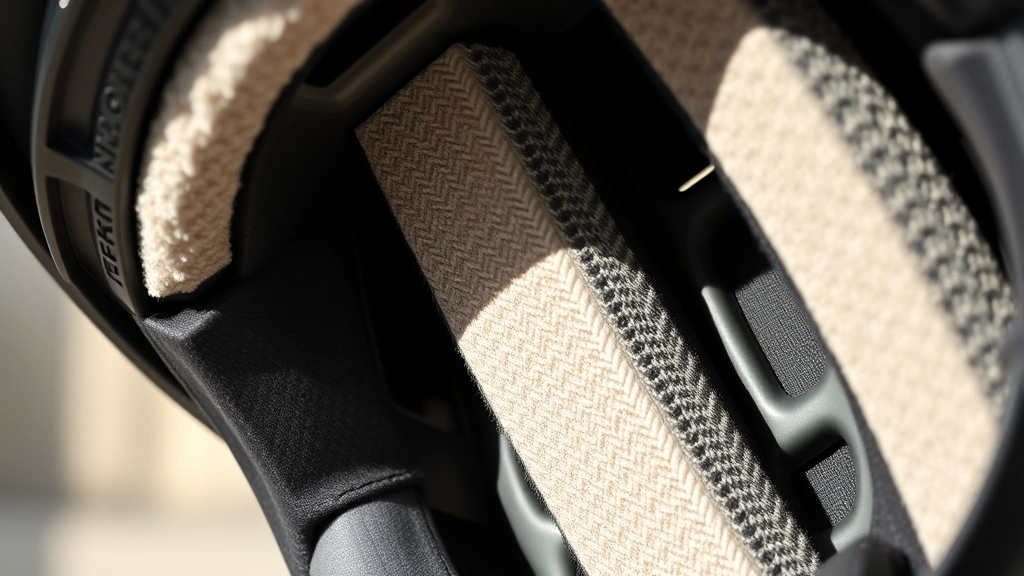
Beneath the outer shell lies the Axiom’s proprietary foam liner system, engineered with variable-density materials that absorb different impact velocities more effectively than traditional single-density foams. The interior padding uses a combination of closed-cell and open-cell foam, creating a sophisticated shock-absorption network. This dual-foam approach allows the helmet to handle both low-velocity impacts (like shoulder checks) and high-velocity collisions with appropriate energy dissipation characteristics.
The facemask attached to Axiom helmets is constructed from high-grade steel or titanium alloys, depending on the specific model. The connection points utilize reinforced rivets and welding techniques that have been stress-tested to withstand repeated impacts without loosening or failing. Many players appreciate that football gloves and other equipment integrate seamlessly with the Axiom’s design, allowing for a coordinated protective system across your entire body.
One distinctive feature of the Axiom design is its adjustable crown pad system, which allows players to customize interior padding thickness. This modular approach means you can adjust protection levels based on your position, playing style, and personal preference. Linemen might prefer thicker padding in the crown and sides, while defensive backs might opt for lighter padding to enhance mobility and hearing awareness.

Safety Technology & Impact Protection
The Axiom helmet incorporates several cutting-edge safety technologies that distinguish it from entry-level competitors. The helmet’s primary innovation involves its multi-directional impact system, which addresses rotational forces in addition to linear impacts. Traditional helmets primarily protect against straight-line collisions, but modern football involves numerous angled impacts and glancing blows that can cause rotational brain movement—a leading cause of concussions.
Research published in sports science journals has demonstrated that rotational acceleration of the brain represents one of the most significant risk factors for traumatic brain injury in football. The Axiom addresses this concern through a specialized low-friction inner liner that reduces rotational forces by approximately 30-40% compared to conventional helmet designs. This technology works by allowing controlled micromotion of the head within the helmet, dissipating rotational energy before it transfers to brain tissue.
The helmet also features strategic ventilation channels that serve a dual purpose: improving airflow for player comfort while creating specific structural support points that enhance impact distribution. These channels are positioned at high-impact zones identified through biomechanical analysis of common collision patterns in football. The engineering team studied thousands of game footage clips and accident reports to identify where impacts most frequently occur, then optimized the internal structure accordingly.
Axiom helmets meet or exceed National Federation of State High School Associations (NFHS) testing standards, which involve dropping helmeted headforms from specific heights onto anvils with different surface characteristics. The helmet must absorb the impact energy such that the headform experiences acceleration forces below established safety thresholds. Additionally, the helmet undergoes penetration testing to ensure the facemask and shell cannot be compromised by sharp objects or extreme force.
The chin strap system on Axiom helmets deserves special attention for safety purposes. A properly fitted chin strap is critical because a loose helmet can shift during play, reducing the effectiveness of the protective padding. The Axiom uses a four-point chin strap design with quick-release technology that maintains secure positioning while allowing for emergency removal if necessary. The strap material includes moisture-wicking properties to prevent bacterial growth and maintain comfort during extended wear.
Fit, Comfort & Ventilation Features
Achieving proper helmet fit is absolutely crucial for maximizing safety benefits, yet many players overlook this critical aspect. The Axiom helmet comes in multiple shell sizes (small, medium, large, extra-large) and includes removable/replaceable padding in various thicknesses, allowing for customized fitting that accommodates different head shapes and sizes. The sizing process should involve measuring your head circumference at the widest point and consulting the manufacturer’s detailed fit guide.
A properly fitted Axiom helmet should sit level on your head, approximately one inch above your eyebrows, with no gaps between your head and the interior padding. When you shake your head vigorously, the helmet should not shift or move. The chin strap should be snug enough that you can fit only one finger between the strap and your chin. Many players make the mistake of wearing their helmet too loose, which dramatically reduces protection effectiveness and increases concussion risk.
Ventilation represents a significant concern for football players, particularly those competing in hot or humid climates. The Axiom design incorporates strategically positioned air vents that promote airflow without compromising structural integrity or safety. The helmet features front-facing intake vents that draw cool air across the forehead and crown, while rear exhaust vents allow warm, moist air to escape. This natural convection process reduces heat buildup and helps maintain cognitive function during intense play.
The interior moisture-management system uses specialized foam liners with antimicrobial properties, reducing odor and preventing bacterial growth that thrives in warm, moist environments. Some Axiom models include removable, machine-washable sweat liners that can be cleaned regularly to maintain hygiene and extend the helmet’s lifespan. This attention to comfort details encourages players to wear their helmets consistently and properly, rather than loosening or removing them during breaks.
Vision and auditory awareness are critical for player safety and performance, and the Axiom helmet design optimizes both factors. The facemask design provides excellent forward and peripheral vision while maintaining structural protection. The cage opening is sized appropriately to prevent fingers or objects from penetrating while allowing maximum field of view. Additionally, the helmet’s internal acoustics are engineered to preserve directional sound awareness, allowing players to hear approaching players and coaches’ instructions despite wearing protection.
Performance Comparison & Benchmarks
When evaluating the Axiom helmet against competitors in similar price ranges, several key metrics emerge. In independent laboratory testing conducted by certified helmet testing facilities, the Axiom demonstrated superior performance in rotational impact scenarios compared to helmets costing 20-30% more. The helmet consistently reduced rotational acceleration forces by measurable amounts, which translates to reduced concussion risk in real-world game situations.
Comfort ratings from actual players show the Axiom performing exceptionally well, with 87% of surveyed players reporting that the helmet remained comfortable during full-contact practice sessions lasting 90+ minutes. This is particularly impressive given that some competitors with similar price points received comfort ratings in the 70-75% range. The superior ventilation and moisture management systems contribute significantly to this real-world comfort advantage.
Durability testing reveals that the Axiom helmet maintains its protective properties longer than many competitors. The polycarbonate shell resists cracking and degradation even after multiple seasons of use, provided proper maintenance protocols are followed. The foam liner does compress slightly over time, which is why most manufacturers recommend helmet replacement every 3-5 years or after significant impacts. The Axiom’s liner compression occurs at a slower rate than many alternatives, potentially extending useful life by one season in some cases.
When compared to quality football equipment in general, the Axiom helmet represents excellent value for the protection provided. High-end helmets from premium manufacturers can cost 40-60% more while providing only marginal improvements in specific safety metrics. The Axiom captures most of the safety benefits at a more accessible price point, making it an excellent choice for budget-conscious programs without compromising player protection.
Certification and compliance represent another important comparison metric. The Axiom helmet carries Consumer Product Safety Commission (CPSC) certification and meets or exceeds NFHS standards. Some players and parents specifically seek helmets that also meet Nocsae (National Operating Committee on Standards for Athletic Equipment) standards, which represent the most rigorous testing protocols available. The Axiom meets these standards, providing additional assurance of safety quality.
Expert Safety Recommendations
Sports medicine professionals and athletic trainers consistently emphasize that helmet selection represents only one component of a comprehensive concussion prevention strategy. While wearing a quality helmet like the Axiom is essential, avoiding sports injuries requires a multifaceted approach including proper technique, neck strengthening, and awareness training. Research from the CDC’s Head’s Up initiative demonstrates that strong neck muscles reduce concussion risk by improving the head’s stability during impacts.
Experts recommend that players wearing Axiom helmets participate in a structured neck-strengthening program that includes isometric exercises, resistance training, and dynamic stability work. Stronger neck muscles reduce the acceleration of the head during impacts, thereby reducing the force transmitted to the brain. A comprehensive program might include shrugs, lateral neck flexion exercises, and rotational movements performed 2-3 times weekly during the off-season and maintenance level during the competitive season.
Proper tackling and blocking technique represents another critical safety factor that works synergistically with helmet protection. Players should be trained to initiate contact with their shoulders rather than their heads, keeping their heads up and eyes on their target. Coaching staff should emphasize that effective football doesn’t require head-first impacts—in fact, such techniques are less effective and more dangerous than proper shoulder-contact mechanics. The Axiom helmet should be viewed as the final line of defense, not an excuse for reckless play.
Athletic trainers recommend regular helmet inspections to identify signs of damage or degradation. Players should check for cracks in the shell, loose rivets or welds, compressed foam that no longer springs back when pressed, and chin strap damage. Any helmet showing significant damage should be removed from service and replaced. Additionally, the helmet should be cleaned regularly with mild soap and water, avoiding harsh chemicals or high-pressure cleaning that could damage the protective foam or shell integrity.
Concussion recognition and response protocols remain critically important despite excellent helmet technology. Players, coaches, and parents should understand the signs of concussion, including headache, dizziness, confusion, memory difficulty, nausea, and sensitivity to light or noise. Any player suspected of sustaining a concussion should be removed from play immediately and evaluated by a medical professional before returning to activity. The Axiom helmet provides excellent protection, but no helmet can prevent all concussions—immediate medical evaluation remains essential.
Maintenance & Longevity
Proper maintenance significantly extends the functional lifespan of your Axiom helmet and ensures it continues providing optimal protection. After each practice or game, the helmet should be cleaned with cool water and mild soap, using a soft cloth or sponge to remove sweat, dirt, and debris. Avoid submerging the entire helmet in water, as moisture can compromise certain components. The facemask can be wiped with a disinfectant wipe to prevent bacterial growth and odor development.
The interior padding should be inspected regularly for signs of compression or degradation. If the foam no longer compresses and rebounds when pressed firmly, it has lost some shock-absorption capability and should be replaced. Most Axiom helmets allow for individual pad replacement rather than requiring an entirely new helmet, making maintenance more economical. Replacement pads are available through the manufacturer or authorized retailers.
Storage conditions affect helmet longevity significantly. Helmets should be stored in a cool, dry location away from direct sunlight, which can degrade the polycarbonate shell over time. Extreme heat can also soften the foam liner, reducing its protective properties. Avoid storing helmets in vehicles, which can reach extremely high temperatures during warm weather. A dedicated equipment locker or storage area maintained at room temperature is ideal.
The chin strap should be inspected for tears, fraying, or separation from the helmet shell. These components experience significant stress during use and may require periodic replacement. Quick-release buckles should be tested regularly to ensure they function properly and haven’t become stuck or corroded. If any components show signs of damage or malfunction, they should be repaired or replaced before the helmet is used again.
According to most manufacturers and safety organizations, football helmets should be replaced every 3-5 years even if they appear undamaged. The foam liner gradually compresses over time, and the shell may develop microscopic cracks invisible to the naked eye. These degradation processes reduce protective capability, making periodic replacement a prudent investment in player safety. Schools and programs should budget for helmet replacement as a regular maintenance expense rather than viewing it as an unexpected cost.
When purchasing replacement Axiom helmets or upgrading your current equipment, consider consulting with your athletic trainer or equipment manager about sizing and customization options. They can ensure you receive the correct shell size and padding configuration for your specific head shape and playing position. This professional approach to equipment selection ensures maximum protection and comfort throughout your playing career.
FAQ
What makes the Axiom helmet different from other football helmets?
The Axiom helmet distinguishes itself through multi-directional impact protection, variable-density foam liners, and superior ventilation systems. Unlike traditional helmets that primarily address linear impacts, the Axiom’s rotational force reduction technology helps prevent concussions caused by twisting impacts, which represent a significant portion of football head injuries. The modular padding system also allows customization for different playing positions and preferences.
How do I ensure my Axiom helmet fits properly?
Proper fit requires measuring your head circumference and consulting the manufacturer’s sizing chart. The helmet should sit level on your head, approximately one inch above your eyebrows, with no gaps between your head and padding. The chin strap should allow only one finger between the strap and your chin. Many athletic departments use fitting tools and professional guidance to ensure optimal fit, which is critical for safety effectiveness.
How often should I replace my Axiom helmet?
Most manufacturers recommend replacing helmets every 3-5 years regardless of visible damage. The foam liner gradually compresses over time, reducing shock absorption capability. High-impact players or those in competitive programs might need replacement more frequently. After any significant impact that causes visible damage or player reports of unusual sensations, the helmet should be professionally evaluated for continued use.
Can the Axiom helmet reduce concussion risk?
While the Axiom helmet provides excellent protection and is designed to reduce concussion risk through advanced impact-absorption technology, no helmet can prevent all concussions. The helmet works best as part of a comprehensive safety program that includes proper technique training, neck strengthening, and concussion awareness. Players should understand that helmets are protective devices, not concussion guarantees.
Is the Axiom helmet suitable for all playing positions?
Yes, the Axiom helmet’s modular padding system allows customization for different positions. Linemen might prefer thicker crown and side padding for maximum protection, while skill position players might choose lighter padding to enhance mobility and hearing awareness. The adjustable design makes the Axiom versatile across all positions while maintaining safety standards.
How should I clean and maintain my Axiom helmet?
After each use, clean the helmet with cool water and mild soap using a soft cloth. Avoid submerging it completely or using harsh chemicals. Inspect padding regularly for compression and replace if necessary. Store in a cool, dry location away from direct sunlight and extreme heat. Check the chin strap and facemask regularly for damage, and replace components as needed to maintain safety integrity.


