Football Conditioning Drills: Trainer Insights for Peak Performance
Elite football performance demands more than tactical knowledge and technical skill—it requires exceptional cardiovascular fitness, muscular endurance, and mental toughness. Football conditioning drills separate average players from championship-caliber athletes who dominate in the fourth quarter when fatigue sets in. Whether you’re training for high school, college, or professional competition, understanding the science behind sport-specific conditioning can transform your physical capabilities and on-field production.
Professional strength and conditioning coaches across the country emphasize that football is an intermittent sport requiring repeated bursts of maximum effort followed by short recovery periods. A typical football play lasts 5-7 seconds, followed by 25-40 seconds of rest between plays. This unique metabolic demand means traditional steady-state cardio falls short—you need strategic conditioning protocols that mirror actual game demands. This comprehensive guide reveals insider training methods used by elite programs to build unstoppable football athletes.
Understanding Football’s Energy Systems
Football athletes rely on three primary energy systems: the phosphocreatine system, anaerobic glycolysis, and aerobic metabolism. The phosphocreatine system powers the first 5-15 seconds of maximum effort—the explosive burst needed for a 40-yard sprint or a hard tackle. Anaerobic glycolysis takes over during sustained high-intensity efforts lasting 15-90 seconds, producing lactate as a byproduct. Finally, aerobic metabolism provides the foundation for recovery between plays and overall game endurance.
Most football plays demand 90-95% of the phosphocreatine system’s capacity, which means conditioning must emphasize rapid power development and quick recovery. Coaches at the American College of Sports Medicine recommend training all three systems strategically throughout the season. Your conditioning program should include explosive power work, lactate threshold training, and aerobic base building—not just running endless miles.
Understanding these systems explains why a 300-pound offensive lineman and a 180-pound cornerback need different conditioning emphasis. Linemen require tremendous anaerobic power for short, intense efforts repeated 60+ times per game. Defensive backs need superior aerobic capacity and repeated sprint ability. Check our Peak Play Arena Blog for position-specific training insights that optimize your individual role’s demands.
High-Intensity Interval Training for Football
High-intensity interval training (HIIT) represents the gold standard for football conditioning because it directly mimics game demands. HIIT involves alternating between maximum-effort work periods and recovery intervals, building both power and aerobic capacity simultaneously. Research from exercise physiology journals consistently demonstrates that HIIT improves VO2 max, anaerobic threshold, and repeated sprint ability—all critical for football excellence.
The most effective football HIIT protocols use work-to-rest ratios matching actual game play. A 1:4 or 1:5 work-to-rest ratio (for example, 10 seconds maximum effort followed by 40-50 seconds recovery) replicates the demands football imposes. This differs dramatically from traditional HIIT used for general fitness, which often employs 1:1 or 1:2 ratios unsuitable for football’s specific demands.
Wingate Anaerobic Test Protocol: This 30-second all-out sprint on a bike or sled builds explosive power and measures anaerobic capacity. Perform 4-6 repetitions with 4-minute recovery between efforts. This drill develops the ability to produce maximum force repeatedly—essential for football’s stop-and-start nature.
Repeated Sprint Ability (RSA) Training: Execute 6-8 maximal 40-yard sprints with 30-45 seconds recovery between repetitions. This trains your nervous system to maintain power output despite fatigue accumulation, directly improving fourth-quarter performance. Elite programs incorporate RSA drills twice weekly during competitive season.
Tempo Training: Sustained efforts at 75-85% maximum heart rate for 3-5 minutes, with short recovery periods. This builds aerobic capacity while training your body to perform technical skills under fatigue—a game-winning advantage. Many coaches use tempo training during position-specific drills, requiring athletes to execute proper technique while fatigued.
Sport-Specific Conditioning Drills
Generic conditioning fails because it doesn’t account for football’s unique demands: multidirectional movement, collision impact, and explosive power from various body positions. Sport-specific drills build conditioning while simultaneously improving football-relevant skills and movement patterns.
Pro Agility Shuttle (5-10-5 Drill): Stand at the middle line, sprint 5 yards to one direction, plant and return to middle, then sprint 10 yards opposite direction. This 20-yard total distance drill develops lateral quickness, deceleration ability, and directional change—fundamental football movements. Complete 3-6 repetitions with 90-120 seconds recovery. Top athletes complete this in under 4.7 seconds.
T-Drill: Sprint forward 10 yards, shuffle left 5 yards, shuffle right 10 yards, shuffle left 5 yards, and backpedal to start. This drill emphasizes multidirectional movement with emphasis on shuffling and backpedaling—critical for defensive backs and receivers. The T-Drill trains your conditioning system while reinforcing proper football movement mechanics.
Cone Weaving Sprints: Set up 5-6 cones in a straight line 5 yards apart. Weave through cones at maximum speed, emphasizing tight cuts and explosive acceleration out of each direction change. This builds change-of-direction ability and trains conditioning under the specific demands of evading defenders or pursuing ball carriers. Perform 4-8 repetitions with 2-minute recovery between efforts.
Battle Ropes and Sled Pushes: These tools develop explosive power and work capacity simultaneously. Battle ropes (alternating arm waves for 30-45 seconds) build shoulder endurance and core stability while elevating heart rate. Sled pushes (heavy resistance, short distance at maximum speed) develop lower body power and mental toughness. Combine these tools in circuits to build comprehensive conditioning.
Position-Specific Conditioning: Offensive linemen benefit from explosive sled work and short-burst conditioning, while wide receivers need longer repeated sprint ability. Defensive linemen require powerful drive simulation drills, while linebackers need multidirectional agility combined with sustained effort. Tailor your conditioning to your specific position’s demands for optimal results. Read our guide on College Football Predictions to understand how elite programs structure their position-specific training philosophies.

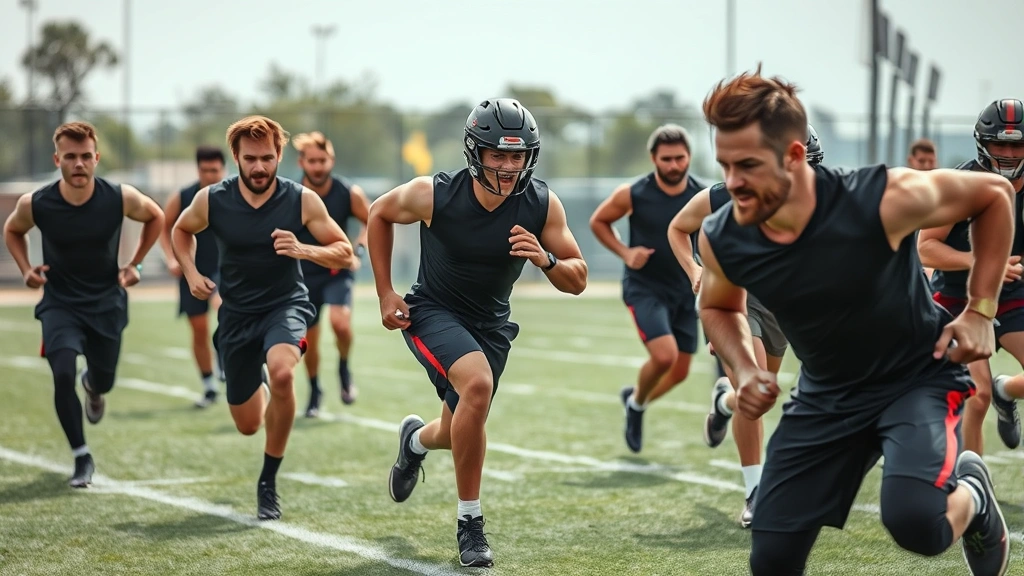
” alt=”Football players performing high-intensity conditioning drill on grass field, executing explosive movements with intense focus and maximum effort during team practice session.” />
Recovery Protocols and Periodization
Elite trainers emphasize that recovery is where adaptation happens. Your conditioning workouts create the stimulus, but recovery periods allow your body to rebuild stronger. Without strategic recovery, you’ll plateau or risk overtraining and injury. Professional programs implement periodization—strategic variation in training intensity, volume, and focus throughout the season.
Periodization Structure: The off-season focuses on building aerobic base and general strength. Pre-season emphasizes sport-specific conditioning and power development. In-season training maintains fitness while prioritizing recovery and injury prevention. Post-season focuses on active recovery and addressing accumulated fatigue.
Active Recovery Days: Light jogging, swimming, or mobility work at 50-60% maximum heart rate promotes blood flow and accelerates lactate clearance without creating additional training stress. Many elite programs incorporate 1-2 active recovery days weekly during heavy conditioning phases.
Sleep Optimization: Research confirms that 7-9 hours nightly sleep is non-negotiable for athletic adaptation. Sleep deprivation impairs recovery, increases injury risk, and reduces cognitive function—critical for football’s strategic demands. Elite athletes treat sleep as seriously as their training sessions.
Foam Rolling and Mobility Work: 10-15 minutes daily of self-myofascial release improves recovery, reduces muscle soreness, and enhances movement quality. Focus on tight areas: hip flexors, IT bands, calves, and chest. Improved mobility directly enhances your ability to execute sport-specific drills efficiently.
Contrast Water Therapy: Alternating 3-4 minutes in cold water (50-60°F) with warm water (100-104°F) for 3-4 cycles stimulates circulation and reduces inflammation. Many professional programs use this recovery method following intense conditioning sessions.
Nutrition and Hydration Strategies
Conditioning performance depends critically on fueling your body appropriately. Without proper nutrition, even the best training programs yield disappointing results. Your nutrition strategy should support the specific energy demands of your conditioning workouts and position’s requirements.
Pre-Workout Nutrition: Consume easily digestible carbohydrates and moderate protein 1-2 hours before conditioning sessions. A banana with almond butter, oatmeal with berries, or rice cakes with honey provides sustained energy for intense efforts. Avoid high-fat or high-fiber foods that slow digestion and create GI distress during exercise.
Hydration Protocol: Begin every conditioning session fully hydrated by drinking 16-20 ounces of water 2-3 hours before training. During exercise, drink 4-8 ounces every 15-20 minutes, adjusting based on sweat rate and environmental conditions. Post-workout, consume 16-24 ounces for every pound of body weight lost during exercise. Proper hydration directly impacts power output, recovery, and injury prevention.
Post-Workout Nutrition: Within 30-60 minutes after conditioning, consume a carbohydrate and protein combination to initiate recovery. Greek yogurt with granola, chicken with white rice, or a protein smoothie with fruit replenishes glycogen stores and stimulates muscle protein synthesis. This window is critical for maximizing adaptation from your training investment.
Electrolyte Management: Sodium, potassium, and magnesium support muscle function and hydration status. Sports drinks or coconut water provide electrolytes for sessions exceeding 60 minutes. Many athletes underestimate sodium’s importance for maintaining blood volume and performance during intense conditioning.
Measuring and Monitoring Progress
Data-driven training separates elite programs from average teams. Objective measurements allow you to identify progress, adjust programming, and stay motivated. Modern conditioning programs employ various testing protocols to assess fitness components and track improvement.
Repeated Sprint Ability Test: Complete 6-8 maximal 40-yard sprints with 30-second recovery between repetitions. Track your best sprint time and your slowest sprint time—the difference reveals your fatigue resistance. Elite athletes maintain consistent speed across all repetitions; average athletes fade significantly.
VO2 Max Assessment: Laboratory testing provides precise VO2 max measurements, but field tests like the Yo-Yo Intermittent Recovery Test offer practical alternatives. This test involves repeated 20-meter sprints with short recovery periods, progressively increasing speed until exhaustion. Track your total distance completed to monitor aerobic capacity improvements.
Lactate Threshold Testing: Determines the intensity at which lactate production exceeds clearance capacity. Training at and slightly above lactate threshold improves your ability to sustain high-intensity efforts. Many universities and professional teams use blood lactate testing to optimize training intensity and monitor adaptations.
Heart Rate Variability (HRV) Monitoring: HRV measures variation in time between heartbeats, indicating nervous system recovery status. Higher HRV suggests better recovery and readiness for intense training; lower HRV suggests accumulated fatigue warranting lighter sessions. Many elite athletes use smartphone apps to track daily HRV and adjust training accordingly.
Performance Metrics: Beyond fitness testing, track practical metrics: sprint times, change-of-direction speed, vertical jump, broad jump, and agility drill times. Consistent improvement in these measures demonstrates that conditioning work translates to on-field performance gains. Document everything—spreadsheets reveal trends that feel invisible day-to-day.
Learn more about optimizing your athletic potential by exploring our Monday Night Football coverage to observe how elite athletes demonstrate the conditioning principles discussed here. Watching professionals execute explosive movements and maintain intensity throughout games provides powerful motivation and practical learning opportunities.
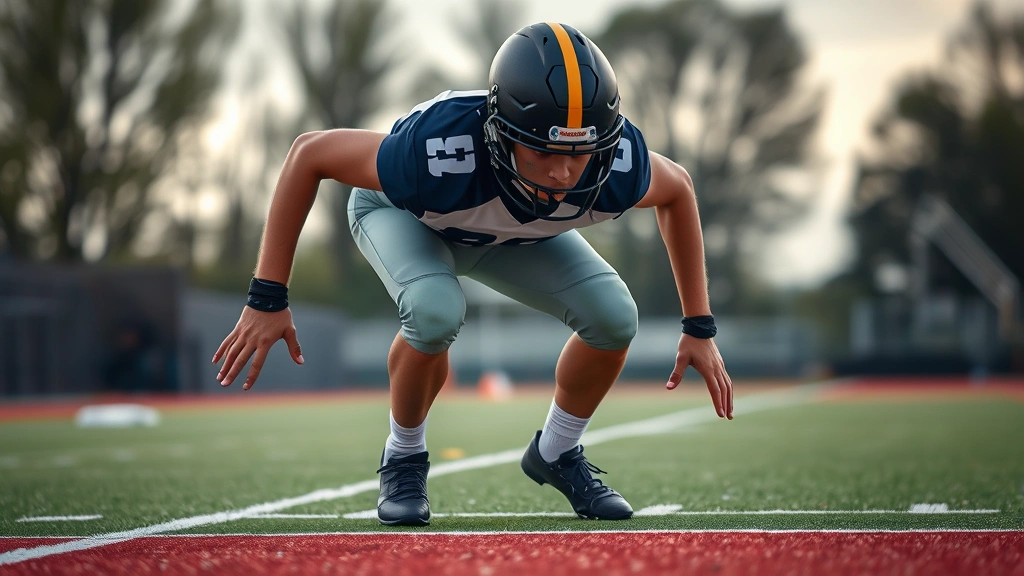
” alt=”Athlete performing sprint start from crouched position on outdoor track, demonstrating explosive power and perfect body alignment during high-speed conditioning drill.” />
FAQ
How often should I perform football conditioning drills?
Off-season: 3-4 conditioning sessions weekly with adequate recovery days. Pre-season: 4-5 sessions weekly with 1-2 active recovery days. In-season: 2-3 maintenance sessions weekly, emphasizing recovery and injury prevention. Adjust frequency based on practice intensity and position demands. Quality always trumps quantity—one excellent conditioning session beats three mediocre efforts.
What’s the best time to perform conditioning work?
Most elite programs schedule conditioning after skill work when athletes are fresh, or on separate days entirely. This allows maximum effort and proper technique execution. Never perform conditioning when completely fatigued from other training—quality deteriorates and injury risk increases. Many programs use morning sessions for conditioning and afternoon for skill development, or vice versa.
Can conditioning drills replace traditional strength training?
No. Conditioning and strength training serve different purposes. Strength training builds muscle, bone density, and injury resilience. Conditioning builds work capacity and energy system efficiency. Elite programs incorporate both simultaneously—they’re complementary, not interchangeable. Neglecting either component compromises performance and injury prevention.
How long before I see conditioning improvements?
Aerobic adaptations appear within 2-3 weeks of consistent training. Anaerobic power and repeated sprint ability improvements typically emerge within 3-4 weeks. Significant sport-specific performance gains require 6-8 weeks of consistent, properly periodized conditioning. Patience and consistency produce dramatic transformations—many athletes underestimate the power of sustained effort.
What conditioning mistakes should I avoid?
Avoid excessive steady-state cardio that doesn’t match football’s demands. Don’t neglect recovery, assuming more training always produces better results—overtraining impairs adaptation. Never perform conditioning with poor technique; fatigued athletes with bad form build bad movement patterns. Avoid ignoring individual differences; your conditioning should reflect your position’s specific demands. Finally, don’t overlook nutrition and hydration—training without proper fueling wastes your effort.
How do I prevent conditioning-related injuries?
Progress gradually, increasing volume and intensity by no more than 10% weekly. Perform dynamic warm-ups before intense efforts, activating muscles and preparing your nervous system. Maintain consistent flexibility and mobility work. Address existing injuries or movement limitations with targeted rehabilitation. Ensure adequate sleep, nutrition, and hydration. Listen to your body—pushing through legitimate pain signals foolishness, not toughness. Work with certified strength and conditioning coaches to assess movement quality and identify injury risks before they manifest.
Should conditioning programming change based on the season?
Absolutely. Off-season emphasizes building aerobic base and developing general conditioning capacity. Pre-season shifts toward sport-specific drills and maintaining power. In-season focuses on maintenance with reduced volume, prioritizing recovery and keeping athletes fresh for competition. Post-season implements active recovery and addresses accumulated fatigue. This periodization approach maximizes performance when it matters most—game day.
What external resources can enhance my conditioning knowledge?
The American College of Sports Medicine publishes peer-reviewed research on conditioning and exercise physiology. The National Strength and Conditioning Association certifies professionals and provides evidence-based training guidelines. PubMed Central offers free access to thousands of sports science research articles. Consider working with certified strength and conditioning specialists who understand football-specific demands and can personalize programming to your needs. Additionally, explore our sports performance optimization guides for cross-training principles applicable to football conditioning.
Final Thoughts: Football conditioning excellence results from strategic programming, consistent execution, intelligent recovery, and proper nutrition. The conditioning drills and principles outlined here reflect methods used by elite programs across all competitive levels. Your commitment to these protocols directly determines your fourth-quarter performance, injury resilience, and on-field dominance. Start implementing these evidence-based strategies immediately, track your progress meticulously, and prepare to experience transformative improvements in your football conditioning and overall athletic performance.


