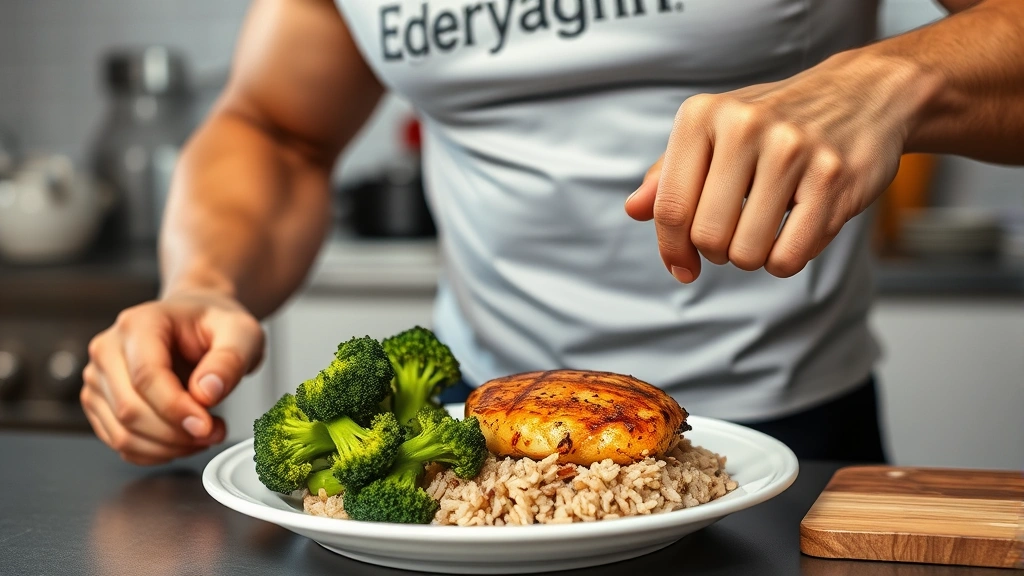
Best Protein Sources? Nutritionist Weighs In
Protein is the foundation of athletic performance, muscle growth, and recovery. Whether you’re training for endurance events, building strength, or simply maintaining a healthy lifestyle, understanding which protein sources deliver the most bang for your buck is essential. As a fitness nutritionist, I’ve spent years analyzing macronutrient profiles, bioavailability rates, and real-world results from thousands of athletes. The truth? Not all protein sources are created equal, and choosing the right ones can dramatically accelerate your fitness goals.
In this comprehensive guide, I’m breaking down the science behind protein utilization, revealing which sources athletes consistently choose, and showing you exactly how to optimize your daily intake. Whether you’re looking to maximize muscle gains, support your training program, or improve your overall nutrition strategy, this evidence-based analysis will transform how you approach protein consumption.
The fitness industry is flooded with conflicting advice about protein. Some claim you need massive quantities; others suggest it’s overrated. I’m cutting through the noise with peer-reviewed research and practical recommendations you can implement immediately.
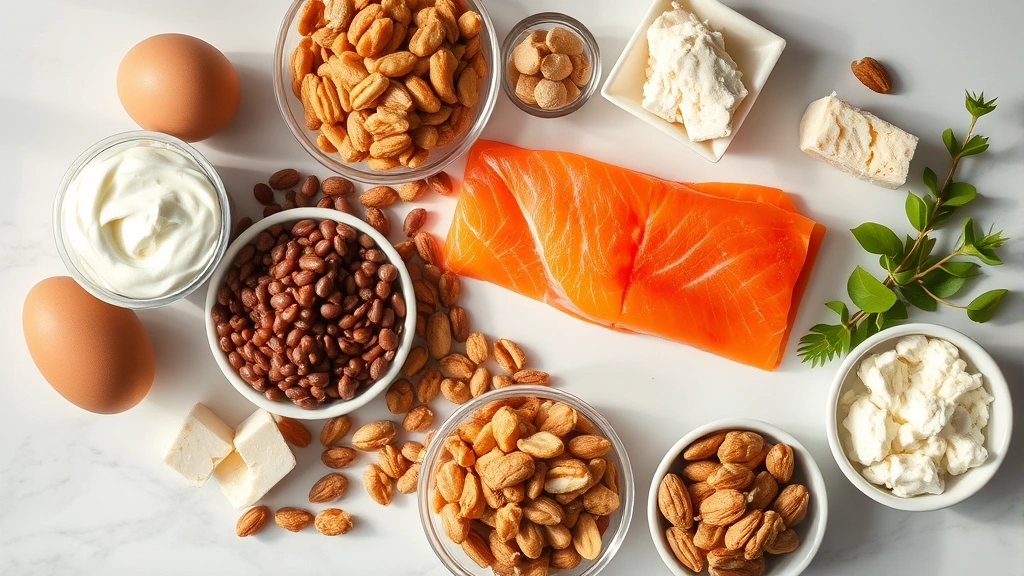
Why Protein Matters for Fitness
Protein isn’t just another macronutrient—it’s the building block your muscles desperately need to repair and grow. When you exercise, you create microscopic tears in muscle fibers. Protein provides the amino acids necessary to repair these tears, making your muscles stronger and more resilient. According to the American College of Sports Medicine (ACSM), adequate protein intake is non-negotiable for anyone serious about fitness results.
Your body contains approximately 20 different amino acids, but nine are considered “essential”—meaning your body cannot produce them, so you must consume them through food. These essential amino acids are what separates high-quality protein sources from mediocre ones. When you ingest complete proteins containing all nine essential amino acids, your muscles have everything required for optimal recovery and growth.
The science is crystal clear: protein stimulates muscle protein synthesis, the process where your body builds new muscle tissue. Research published in sports nutrition journals consistently demonstrates that athletes consuming adequate protein experience faster recovery times, reduced muscle soreness, and accelerated strength gains compared to those with insufficient intake. This isn’t speculation—it’s measurable, reproducible science.
Beyond muscle building, protein supports countless physiological functions. It regulates hormones, strengthens your immune system, maintains bone density, and keeps you satiated longer than carbohydrates or fats. For anyone focused on optimizing athletic performance, protein becomes a cornerstone of your nutritional strategy.
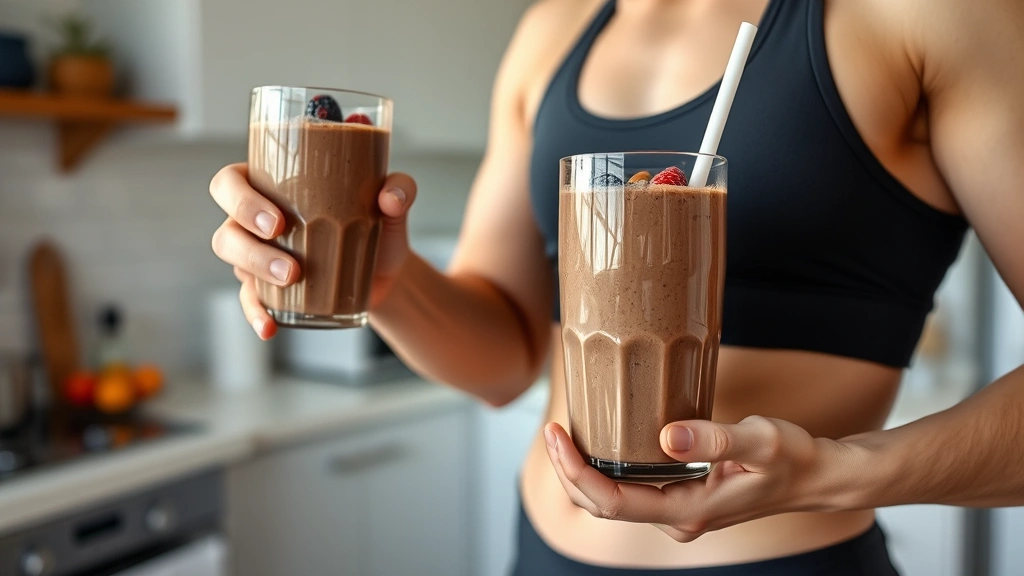
Animal-Based Protein Champions
Chicken Breast remains the gold standard for a reason. It’s lean, affordable, versatile, and packed with complete protein. A 3.5-ounce serving delivers approximately 31 grams of protein with minimal fat. More importantly, chicken contains high levels of B vitamins, particularly niacin and B6, which support energy metabolism and muscle function. Athletes worldwide choose chicken because it delivers consistent results without breaking the bank.
Eggs are nature’s perfect protein package. One large egg contains six grams of complete protein plus choline, a nutrient supporting cognitive function and muscle control. Whole eggs contain lutein and zeaxanthin, antioxidants protecting eye health—crucial for athletes requiring sharp vision. The yolk delivers fat-soluble vitamins including vitamin D, often deficient in athletes training indoors. Research from exercise physiology departments confirms that egg consumption supports superior muscle protein synthesis compared to equivalent protein from other sources.
Greek Yogurt provides double the protein of regular yogurt—roughly 20 grams per 7-ounce serving. It’s an exceptional option for post-workout recovery because it contains both fast-digesting whey and slower-digesting casein proteins. This combination creates a sustained amino acid release, supporting recovery for hours after your training session. The live cultures aid digestive health, improving nutrient absorption throughout your gastrointestinal tract.
Salmon and Fatty Fish offer complete protein plus omega-3 fatty acids that reduce inflammation and support cardiovascular health. A 3.5-ounce salmon fillet delivers 25 grams of protein along with EPA and DHA, omega-3s that enhance blood flow to working muscles. Athletes consuming adequate omega-3s consistently report faster recovery and improved training capacity. The vitamin D content in fatty fish also supports testosterone production and bone health.
Lean Beef provides not only complete protein but also bioavailable iron, critical for oxygen transport during aerobic exercise. A 3.5-ounce serving of lean ground beef contains 22 grams of protein plus creatine, a compound your body uses for high-intensity muscle contractions. Beef also supplies B12, essential for energy metabolism and nerve function. While beef is calorie-dense, the nutrient density justifies its place in any serious athlete’s diet.
Cottage Cheese deserves more attention from fitness enthusiasts. It’s approximately 11% protein by weight, meaning a single cup delivers 28 grams of protein. The casein protein in cottage cheese digests slowly, making it ideal before sleep when your muscles undergo significant repair. Studies show that casein consumption before bedtime enhances overnight muscle protein synthesis, accelerating gains from your training.
Plant-Based Protein Powerhouses
Plant-based athletes have legitimate options for reaching protein targets. While individual plant proteins often lack one or more essential amino acids, strategic combinations create complete protein profiles rivaling animal sources.
Legumes including lentils, chickpeas, and black beans deliver substantial protein—roughly 15-18 grams per cooked cup. They’re rich in fiber, supporting digestive health and stable blood sugar throughout training. Legumes also contain polyphenols, powerful antioxidants reducing exercise-induced inflammation. The cost-effectiveness makes legumes invaluable for budget-conscious athletes. Pair legumes with grains like rice or quinoa to create complete proteins containing all nine essential amino acids.
Quinoa is one of few plant foods containing complete protein, with all nine essential amino acids present. A single cup of cooked quinoa provides eight grams of protein plus manganese, supporting bone health and connective tissue integrity. Quinoa’s glycemic index is relatively low, meaning it won’t spike blood sugar, keeping your energy stable throughout workouts.
Tofu and Tempeh are soy-based proteins containing all essential amino acids. Tempeh, made from fermented soybeans, is less processed than tofu and easier to digest. A 3.5-ounce serving delivers approximately 19 grams of protein. Soy proteins contain isoflavones, compounds with anti-inflammatory properties supporting recovery. Research indicates soy protein stimulates muscle protein synthesis comparably to whey protein, making it an excellent vegan option.
Hemp Seeds provide complete protein with an optimal amino acid ratio for muscle building. Three tablespoons deliver about 10 grams of protein plus omega-3 and omega-6 fatty acids in an ideal ratio. Hemp seeds also contain arginine, an amino acid supporting blood flow and nutrient delivery to working muscles. Sprinkle them on salads, blend into smoothies, or add to oatmeal for convenient protein boosts.
Nuts and Seeds contribute meaningful protein quantities when consumed strategically. Almonds, peanuts, pumpkin seeds, and sunflower seeds all provide 4-8 grams of protein per ounce. While not complete proteins individually, they’re excellent additions to balanced meals. Their fat content supports hormone production, including testosterone and growth hormone critical for muscle development.
Hybrid Strategies for Optimal Results
The most successful athletes I’ve worked with don’t restrict themselves to single protein categories. Instead, they strategically combine sources to maximize nutrient diversity while ensuring complete amino acid profiles.
A practical approach involves rotating between animal and plant proteins daily. Monday might feature chicken with brown rice; Tuesday could showcase lentil curry with quinoa. This rotation ensures you’re not missing micronutrients unique to specific sources. You’ll also discover which proteins your digestive system handles best, supporting optimal nutrient absorption.
Consider your training phase when selecting proteins. During heavy strength-building phases, prioritize animal proteins with higher bioavailability and faster digestion rates. During maintenance phases, plant-based proteins become more practical and economical. During cutting phases, lean proteins with minimal fat content support your goals while preserving muscle tissue.
Combining incomplete proteins creates complete ones. Rice and beans, pita bread and hummus, or peanut butter on whole wheat toast all provide complete amino acid profiles. This strategy has sustained athletes for centuries and remains scientifically sound. Your body doesn’t require all nine essential amino acids simultaneously; consuming them throughout the day suffices.
If you’re researching athletic performance optimization, understand that protein timing matters. Consuming protein within 2-3 hours post-workout maximizes muscle protein synthesis. However, total daily protein intake matters far more than perfect timing, so don’t obsess over immediate post-workout windows.
Timing and Quantity Guidelines
How much protein do you actually need? The answer depends on your training intensity, body composition goals, and activity level. The International Society of Sports Nutrition recommends 1.6-2.2 grams of protein per kilogram of body weight daily for athletes engaged in resistance training.
For practical application: a 180-pound (82 kg) strength athlete should consume 130-180 grams of protein daily. An endurance athlete might need slightly less—approximately 1.2-1.6 grams per kilogram. These aren’t arbitrary numbers; they’re evidence-based recommendations from researchers studying muscle adaptation and performance.
Distribute protein throughout your day rather than consuming it all in single meals. Your body can only synthesize approximately 25-40 grams of protein per meal into muscle tissue. Consuming 100 grams at dinner doesn’t provide additional muscle-building benefit compared to distributing 100 grams across four meals. Strategic distribution keeps muscle protein synthesis elevated throughout the day.
Post-workout timing matters moderately. While you don’t need protein within 30 minutes, consuming it within 2-3 hours supports optimal recovery. This window allows your body to capitalize on elevated blood flow and increased nutrient sensitivity. Pair protein with carbohydrates to stimulate insulin, facilitating amino acid transport into muscle cells.
Pre-workout protein consumption deserves attention too. Consuming 20-30 grams of protein 2-3 hours before training supports muscle preservation and provides amino acids available during your workout. This strategy becomes especially important during caloric deficits when muscle preservation is paramount.
Budget-Friendly Protein Solutions
Optimal nutrition doesn’t require emptying your wallet. Strategic shopping and planning allow you to hit aggressive protein targets affordably. Understanding value assessment strategies applies to nutrition too—calculate cost per gram of protein to identify the best deals.
Eggs remain the most cost-effective complete protein source. Buy in bulk when prices drop; properly stored eggs last 3-4 weeks. A dozen eggs costs $2-3 and provides 72 grams of complete protein—roughly $0.03-0.04 per gram.
Chicken becomes affordable when purchased in bulk and frozen. Buying 10-pound packages costs significantly less per pound than individual breasts. Batch cooking and portioning saves time and ensures consistent protein availability throughout your week.
Canned fish like tuna and sardines offer exceptional value with minimal preparation. Canned sardines actually exceed fresh fish in omega-3 content and cost substantially less. A single can provides 20+ grams of complete protein for under $1.
Dried legumes are phenomenally affordable. Buying lentils, chickpeas, and beans in bulk costs pennies per serving while delivering 15+ grams of protein. Cooking large batches and freezing portions ensures you always have protein available without expensive convenience foods.
Cottage cheese goes on sale frequently. Stock up when prices drop and freeze portions for later use. Greek yogurt offers similar opportunities; buying larger containers costs less per ounce than individual cups.
Protein powder deserves consideration in budget planning. While sometimes perceived as expensive, quality powders deliver $0.50-1.00 per 25-gram serving—competitive with whole food sources. This convenience supports consistency, which ultimately matters more than minor cost differences.
Looking to maximize your athletic potential? Check out streaming guides for sports to stay updated on training insights and athletic developments while you meal prep your protein sources.
FAQ
How much protein do I need to build muscle?
Research supports 1.6-2.2 grams per kilogram of body weight daily for resistance training athletes. A 180-pound person should target 130-180 grams daily. Consistency matters more than perfection; hitting your target most days produces excellent results.
Is animal protein better than plant protein?
Animal proteins offer superior bioavailability and complete amino acid profiles, but plant proteins work effectively when strategically combined. Your best choice depends on personal preference, digestive tolerance, and budget. Many successful athletes use both sources.
When should I consume protein?
Distribute protein throughout the day, consuming 25-40 grams per meal. Post-workout consumption within 2-3 hours supports recovery. Pre-workout protein (2-3 hours before training) also provides benefits, particularly during caloric deficits.
Can I get enough protein on a plant-based diet?
Absolutely. Strategic combinations of legumes, grains, nuts, seeds, and soy products create complete amino acid profiles. This requires planning but supports excellent athletic results. Many plant-based athletes excel in strength and endurance sports.
Is protein powder necessary?
No, whole foods suffice for reaching protein targets. However, powder offers convenience and cost-effectiveness, supporting consistency. Use it as a tool when whole foods aren’t practical, not as a replacement.
Does excess protein damage kidneys?
Research consistently shows that high protein intake (even 2.2+ grams per kilogram) doesn’t damage healthy kidneys. Individuals with pre-existing kidney disease should consult healthcare providers, but healthy athletes can safely consume high protein quantities.
Should I combine protein with carbs post-workout?
Yes. Carbohydrates stimulate insulin release, facilitating amino acid transport into muscle cells. Consuming 20-40 grams of protein with 40-80 grams of carbs post-workout optimizes recovery. This combination supports muscle glycogen replenishment and protein synthesis.


