
Table of Contents
Introduction
Picture this: you’re crossing the finish line of your first sprint triathlon, heart pounding, legs tired but strong, with the biggest grin on your face. That moment when you realize you just conquered swimming, biking, and running all in one epic race? Pure magic. But here’s the thing—getting there takes more than just winging it. You need a solid plan, some serious dedication, and honestly, a good dose of stubbornness when your alarm goes off at 5 AM for another training session.
Training for a sprint triathlon isn’t just about getting sweaty (though there’s plenty of that). It’s about building the kind of mental toughness that carries over into everything else you do. We’re talking about a 750-meter swim that might leave you breathless, a 20-kilometer bike ride that tests your endurance, and a 5-kilometer run when your legs already feel like jelly. Sound intimidating? Maybe a little. But that’s exactly what makes it worth doing. Learning key coordination skills and gradually building your cardiovascular fitness will have you feeling confident when race day arrives. And trust me, the mental game is just as important as the physical preparation—something many first-timers discover the hard way.
Now, here’s where it gets interesting. Balancing three completely different sports while not burning yourself out? That’s an art form. You can’t just run yourself into the ground every day and expect great results. Smart training means mixing endurance work with strength training, then actually giving your body time to recover. (Revolutionary concept, I know.) The athletes who figure out triathlon-specific training routines that focus on gradual progression? They’re the ones who actually enjoy the process instead of dreading every workout. Plus, they tend to stay injury-free, which is kind of important if you want to make it to the starting line.
But wait—there’s more to this puzzle. Your success isn’t just about logging miles and perfecting your stroke technique. What you put in your body matters enormously. Think of nutrition as your secret weapon. The right fuel at the right time can be the difference between powering through that final kilometer and hitting the wall hard. Understanding nutrition for athletes isn’t just helpful—it’s essential for anyone serious about performing their best. Because let’s be real, you can’t out-train a terrible diet, especially when you’re asking your body to excel at three different disciplines.
What You’ll Learn in This Guide
Ready to dive in? Here’s exactly what we’re going to cover together:
- Understanding the Sprint Triathlon: We’ll break down those race distances and help you understand what makes each discipline challenging (and fun), so you know exactly what you’re signing up for.
- Creating a Balanced Training Plan: Learn how to structure your weeks without burning out, including smart progression strategies that actually work in the real world.
- Focused Training Tips: Get specific advice for swimming, biking, and running that goes beyond “just do more,” plus transition tips that can save you precious seconds on race day.
- Nutrition and Recovery Strategies: Discover how to fuel your body properly, stay hydrated like a pro, and recover smart so every training session counts.
As we work through each section, you’ll get practical strategies you can actually use—no fluff, no overwhelming theory. We’ll talk about building endurance without overdoing it, refining your technique without getting obsessive, and staying motivated when the novelty wears off. (Because it will, and that’s totally normal.) You’ll also learn when it might be worth getting some professional guidance, whether that’s for perfecting your swimming stroke or fine-tuning your training plan.
Let’s be honest about something else: fitting triathlon training into your actual life. Maybe you’re juggling work deadlines, family commitments, or both. This guide acknowledges that reality. We’ll explore practical ways to make training work with your schedule, not against it. You’ll also learn about the most common mistakes that derail new triathletes—and how to avoid them. Because staying healthy and injury-free is way more important than any single workout.
By the time you finish reading this, you’ll have everything you need to train smart, stay motivated, and cross that finish line with confidence. No more wondering if you’re doing enough (or too much). No more second-guessing your approach. Just a clear path forward and the knowledge to make your sprint triathlon experience everything you want it to be. Ready to get started?
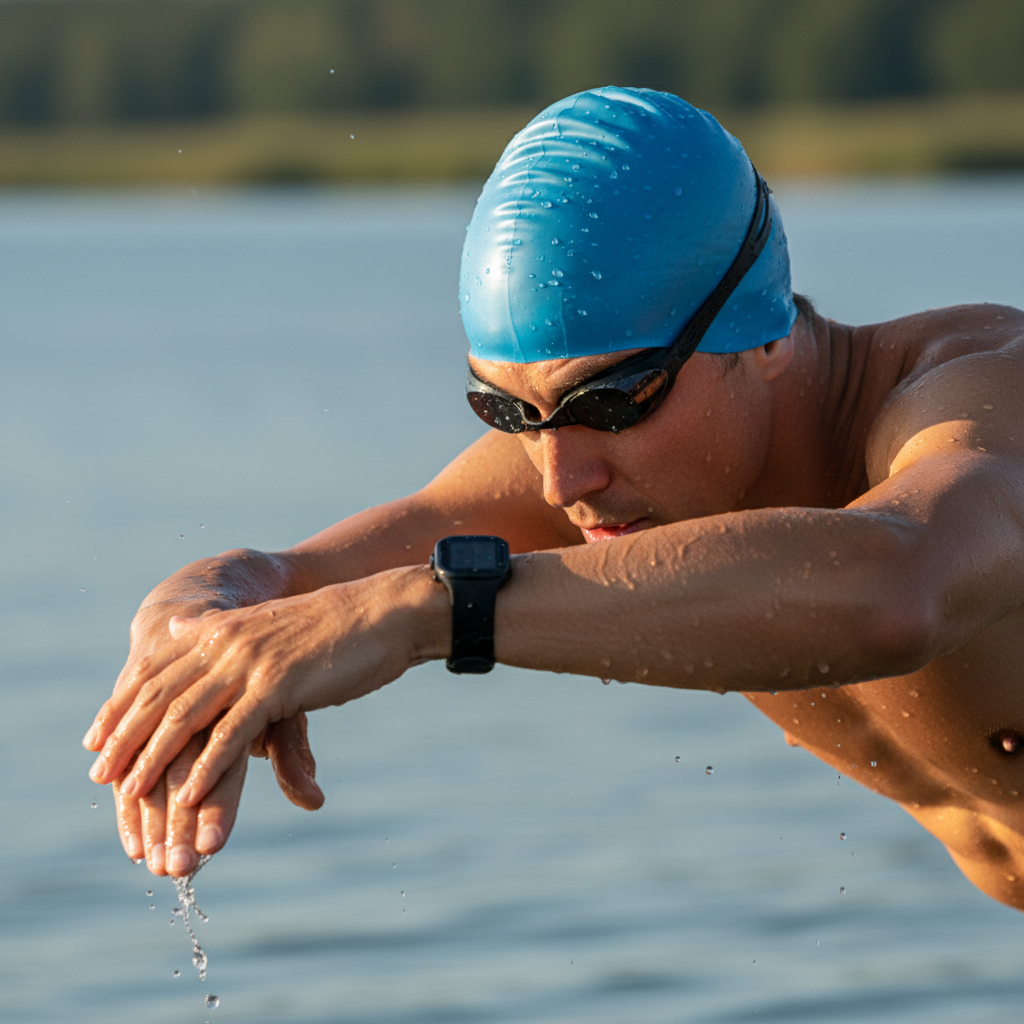
Training for a sprint triathlon? You’re in for quite the adventure. It’s not just about getting your body ready—though that’s obviously huge. You need to think strategically about balancing endurance, strength, technique, and (this is key) recovery. Because trust me, race day will test every single one of these elements. Now that we’ve covered the basics, let’s dig into what makes sprint triathlon training unique and how you can build a plan that actually works for your life and fitness level. We’re going to break down what these three sports demand from your body and show you how to structure a weekly routine that doesn’t leave you burned out.
Understanding Sprint Triathlon Demands and Training Foundations
Here’s what you’re signing up for: a 750-meter swim, 20-kilometer bike ride, and 5-kilometer run. Sounds manageable, right? And it absolutely is—but don’t let those distances fool you. Sprint triathlons pack a serious punch. You’ll need solid cardiovascular endurance, real muscular strength, and smooth transition skills to flow between each discipline without losing precious seconds. What makes sprint distance different from those crazy-long Ironman races? Higher intensity, shorter recovery times. You’re building speed and sustained effort over shorter bursts rather than just grinding out endless miles. Success comes from developing a strong aerobic foundation while nailing sport-specific endurance and mastering those transitions that can make or break your race time. Want to get the full picture of triathlon training fundamentals? Check out how to train for a triathlon for detailed progression strategies that actually work.
Each sport hits your body differently—and that’s where training gets interesting. Swimming challenges your breathing patterns and works your upper body in ways that might surprise you. Cycling builds serious leg power while boosting your cardiovascular capacity. Running? Well, that’s where you discover what “running on tired legs” really means after you’ve already swum and biked. Your training plan needs to balance volume and intensity across all three disciplines while giving you enough recovery time to actually get stronger (not just more tired). The cycling portion deserves special attention—understanding the fitness benefits of cycling will show you why this segment is such a game-changer for building overall endurance and muscular stamina. And here’s the thing that ties it all together: cardiovascular endurance remains the foundation for everything you’ll do out there.
Key Components of Sprint Triathlon Endurance
Want to train smarter, not just harder? Focus on these core elements that separate the prepared athletes from the ones just hoping to survive:
- Cardiovascular Endurance: This is your heart and lungs working as a team to deliver oxygen when your muscles are screaming for it. Build this through steady-state aerobic training and strategic interval workouts. When you can maintain race pace without feeling like you’re dying halfway through? That’s when you know it’s working.
- Muscular Strength and Endurance: Strong legs and core give you power for cycling and running, while solid shoulders and back make swimming feel less like drowning and more like, well, swimming. Add resistance training and sport-specific drills to your routine—your future race-day self will thank you.
- Transition Skills: Those quick changes between swim-to-bike and bike-to-run are called transitions, and they’re where races are won or lost. Practice efficient gear changes and smooth movement patterns. Every second you fumble around in transition is a second off your finish time.
- Technique and Form: Perfect your stroke mechanics, dial in your pedal efficiency, and nail your running posture. Good technique isn’t just about looking pretty—it saves energy, boosts performance, and keeps you injury-free when race day intensity kicks in.
Master these four elements and you’re not just training—you’re preparing to race smart and strong. This connects directly with building aerobic capacity, which becomes your secret weapon for maintaining effort when the going gets tough.
Ready to put this all together? Let’s talk about organizing these components into a training framework that builds your fitness week by week and gets you genuinely excited about race day.
Structuring Your Weekly Sprint Triathlon Training Plan
Creating a weekly plan that actually works comes down to balance—and I mean real balance, not just cramming workouts wherever they fit. You want consistent progress in all three sports while building in recovery that prevents you from hitting that wall where everything feels impossible. A smart schedule includes swim sessions, bike rides, run workouts, and rest days arranged strategically so you’re always building on previous gains rather than just accumulating fatigue. The key? Avoid overloading any single day and give your body time to adapt to the stress you’re putting on it. Starting out, it helps to follow proven templates like those in how to train for a triathlon, which take the guesswork out of balancing intensity and volume.
But here’s what many people miss: planning your progression is just as important as planning your workouts. You need to gradually increase training volume and intensity—your body needs that stimulus to adapt and improve, but push too hard too fast and you’re looking at overtraining or injury. That’s why smart plans include rest weeks where you dial back the volume and let your system consolidate all those fitness gains. And don’t forget the supporting cast: nutrition and recovery strategies can make or break your training plan. Consider diving into nutrition for athletes to nail your fueling and recovery game throughout your entire training cycle.
Weekly Training Breakdown for Success
Here’s a weekly framework that builds fitness systematically while keeping you sane and motivated:
- Swim Sessions: Target 2-3 swim workouts weekly with a mix of endurance work, technique drills, and interval training. Focus on improving stroke efficiency and building that aerobic capacity in the water—because efficient swimming saves energy for the bike and run.
- Bike Rides: Plan 2 cycling sessions each week combining long, steady rides for endurance with shorter, high-intensity intervals for power and speed. This is where you build the engine that carries you through the entire race.
- Run Workouts: Schedule 2-3 runs weekly including easy recovery runs, tempo runs to dial in race pace, and interval training to boost speed and cardiovascular efficiency. Remember, you’ll be running on legs that have already swum and biked—practice that!
- Rest and Recovery Days: One full rest day per week is non-negotiable. Add optional active recovery like yoga, stretching, or easy walking to keep your body moving while promoting muscle repair and mental freshness.
This balanced approach builds serious fitness while respecting your body’s need to recover and adapt. Stay consistent with your training and mindful about progression, and you’ll roll up to that start line feeling strong and confident. Just remember—every athlete is different, so listen to your body and adjust volume or intensity when needed. Your goal is to arrive at race day healthy, fit, and excited to see what you can do.
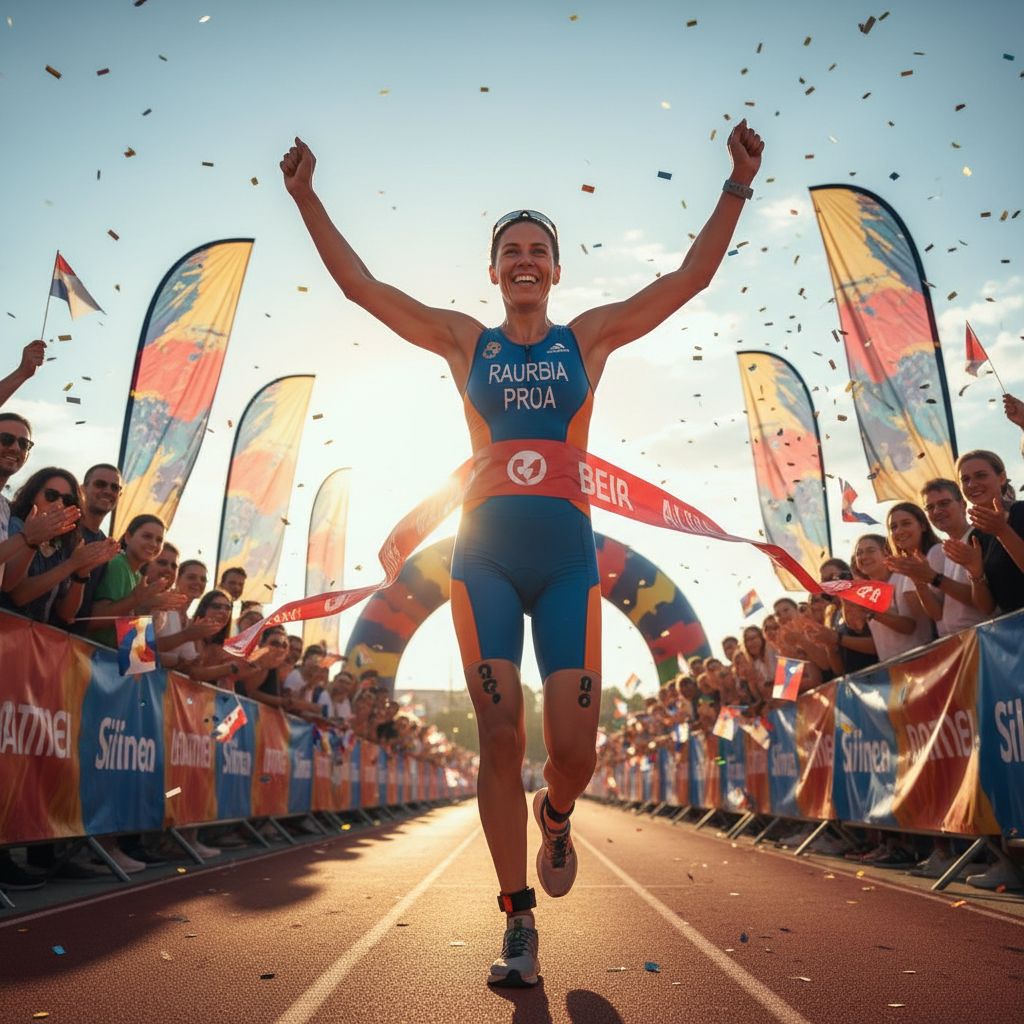
Here’s the thing about sprint triathlon training—it’s not just about being able to swim, bike, and run. Sure, you need to cover 750 meters in the water, tackle 20 kilometers on your bike, and finish with a 5K run. But what really matters? How well you tie it all together. Your cardiovascular system needs to be rock-solid across all three sports, and you’ll want the muscle strength and stamina to back it up. Then there’s the technical stuff (and trust me, technique matters more than you think): smooth swimming form, efficient cycling power, smart running mechanics. Oh, and those transitions between events? They can make or break your race time. The secret sauce is finding that sweet spot between pushing yourself and giving your body the rest it needs to actually get stronger. That balance? It’s what turns training from a grind into something you might actually enjoy.
Building a weekly plan that weaves all three sports together isn’t as complicated as it sounds. You’ll want swim sessions that focus on both technique work and interval training. Your bike rides should mix endurance building with some hill work to build real strength. Running workouts? Mix it up—easy recovery runs, tempo work, and speed sessions will build the fitness you need. And here’s what a lot of people miss: rest days aren’t optional. Your muscles repair and your mind resets during downtime. Don’t forget about fueling properly either—what you eat before workouts, how you hydrate during training, and those post-workout meals all play a bigger role than you might expect. Listen to your body, and don’t be afraid to get professional help when you need it. Smart training beats hard training every single time.
Ready to take this to the next level? Start by diving deeper into the fundamentals with our comprehensive guide on how to train for a triathlon—you’ll find everything from swimming technique tips to race day nutrition strategies that actually work. Physical coordination plays a huge role in triathlon success, so check out these proven methods for how to improve hand-eye coordination to boost your reflexes and overall athletic performance. Want to understand why cycling is such a game-changer? Explore the amazing fitness benefits of cycling—from cardiovascular health to mental wellness, it’s all connected to your triathlon success. And while you’re investing in your athletic goals, don’t forget about your financial foundation. Learning how to build an emergency fund gives you the security and peace of mind to pursue your training without financial stress.
Your sprint triathlon journey starts now, and honestly? It’s going to be pretty amazing. Every training session is building something—not just your physical fitness, but your mental toughness and confidence too. Some days will feel incredible, others might be tough. That’s completely normal. The key is showing up consistently and actually listening to what your body tells you. Celebrate the small wins along the way because they add up faster than you think. Remember, nobody becomes a triathlete overnight. It’s all about steady progress and smart choices. When you cross that finish line (and you will), you’ll know you earned every single step. Keep learning, stay curious, and most importantly—enjoy the ride. This journey is going to change you in ways you probably haven’t even imagined yet.
Frequently Asked Questions
-
How long does it take to train for a sprint triathlon?
- Most beginners need about 8 to 12 weeks of consistent training to build the endurance and skills you’ll need. That might sound like a lot, but it goes by faster than you think when you’re making progress each week.
-
Do I need to be experienced in all three sports?
- Not at all! Basic swimming, biking, and running skills are helpful, but plenty of beginner-friendly training plans will gradually build your abilities in all three areas. You don’t need to be a pro—you just need to start.
-
What should I eat before and after workouts?
- Focus on a good balance of carbs and protein both before and after your training sessions. This combination fuels your muscles for the work ahead and helps them recover afterward. It’s simpler than most people make it out to be.
-
How often should I rest during training?
- Plan for at least one full rest day each week—your body actually gets stronger during recovery, not just during workouts. Skipping rest days is one of the fastest ways to burn out or get injured, so don’t skip them.
-
Can I train if I have a busy schedule?
- Absolutely! The key is working smarter, not necessarily longer. Focus on the most important workouts and make them efficient. You’d be surprised how much you can accomplish with a well-planned training schedule that fits your real life.


