Best Football Gloves for Grip? Expert Reviews & Rivel Gloves Analysis
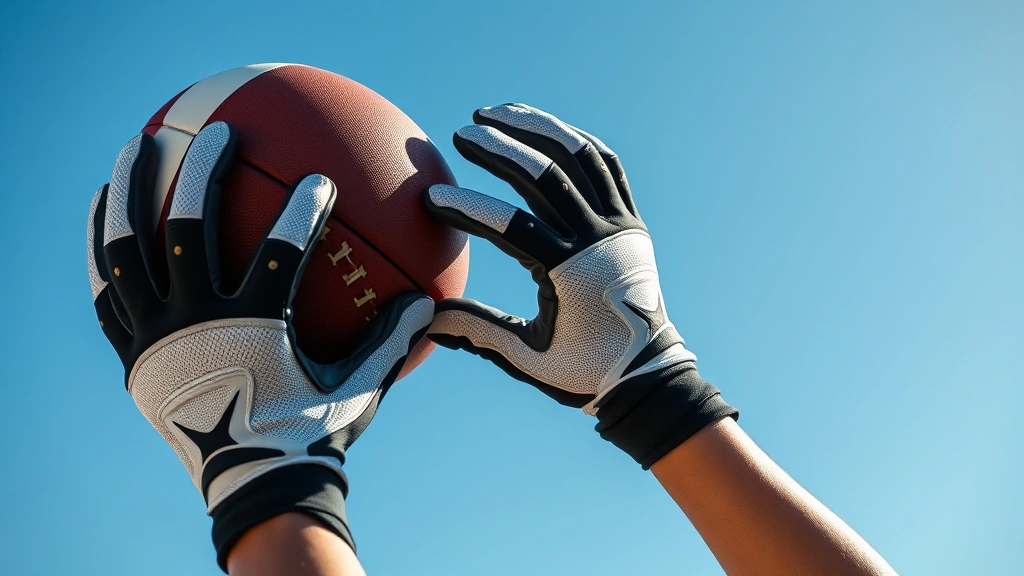
When it comes to dominating on the football field, your equipment matters just as much as your training regimen. Football gloves have evolved dramatically over the past decade, transforming from simple cotton accessories into high-tech performance gear engineered with cutting-edge materials and grip technology. Whether you’re a wide receiver making crucial catches in wet conditions, a defensive back protecting the ball, or a running back fighting for extra yards, the right pair of football gloves can be the difference between a championship season and a frustrating one.
The grip technology in modern football gloves isn’t just marketing hype—it’s backed by biomechanical research and performance data from elite athletes at every level. Rivel football gloves have emerged as a serious contender in this competitive market, offering a compelling combination of affordability, durability, and genuine grip performance that rivals premium brands costing significantly more. This comprehensive guide explores what makes football gloves effective, analyzes Rivel’s offerings in detail, and provides actionable recommendations for choosing the perfect pair for your playing style and conditions.
Understanding Football Glove Grip Technology
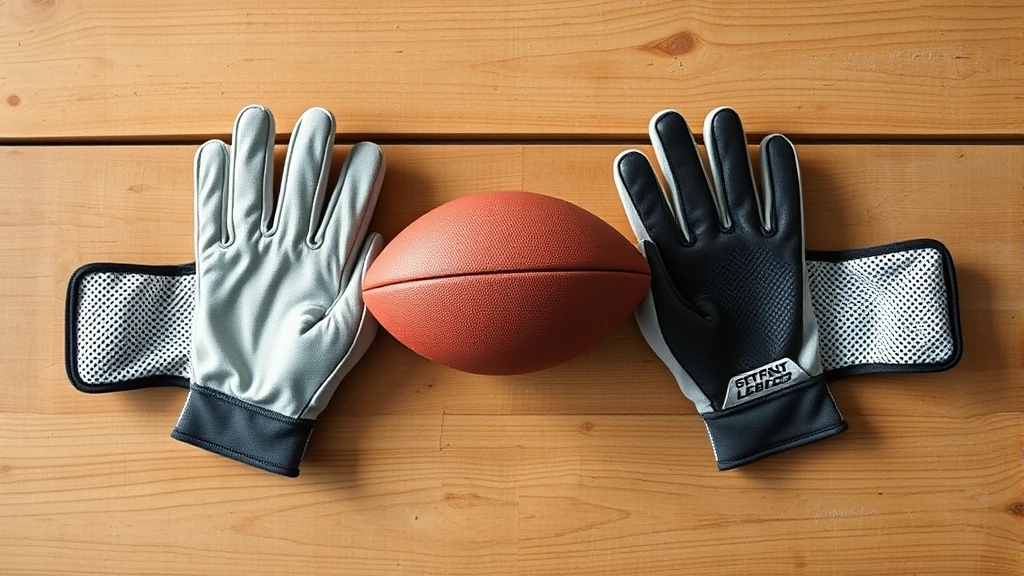
Football glove grip effectiveness depends on several interconnected factors: surface texture, material composition, moisture management, and palm padding. The human hand naturally produces oils and perspiration that can compromise grip on a leather football. Premium football gloves counteract this through specialized coating technologies and material engineering that actually improve grip when wet—the opposite of what you’d expect with natural materials.
The science behind grip technology involves creating microscopic surface irregularities that maximize contact between your palm and the football. The American College of Sports Medicine emphasizes that equipment performance directly impacts athletic outcomes, particularly in sports requiring fine motor control and object manipulation. Modern silicone-based coatings, synthetic rubber compounds, and hybrid materials create friction coefficients that remain stable across temperature variations and moisture levels.
Moisture management is equally critical. When sweat accumulates under your gloves, it creates a slippery layer that degrades grip performance. Advanced football gloves incorporate breathable mesh panels that allow moisture to escape while maintaining structural integrity. The padding underneath serves dual purposes: it absorbs sweat while providing cushioning for impact absorption during catches and tackles. This is why checking expert football analysis resources helps you understand equipment performance metrics.
Temperature also affects grip performance. Cold weather makes most materials stiffer and less responsive, while heat can soften certain plastics and coatings. Elite football gloves maintain consistent grip performance across 0°F to 100°F temperature ranges, which is why testing in multiple conditions matters before game day.
Rivel Football Gloves: Features & Performance
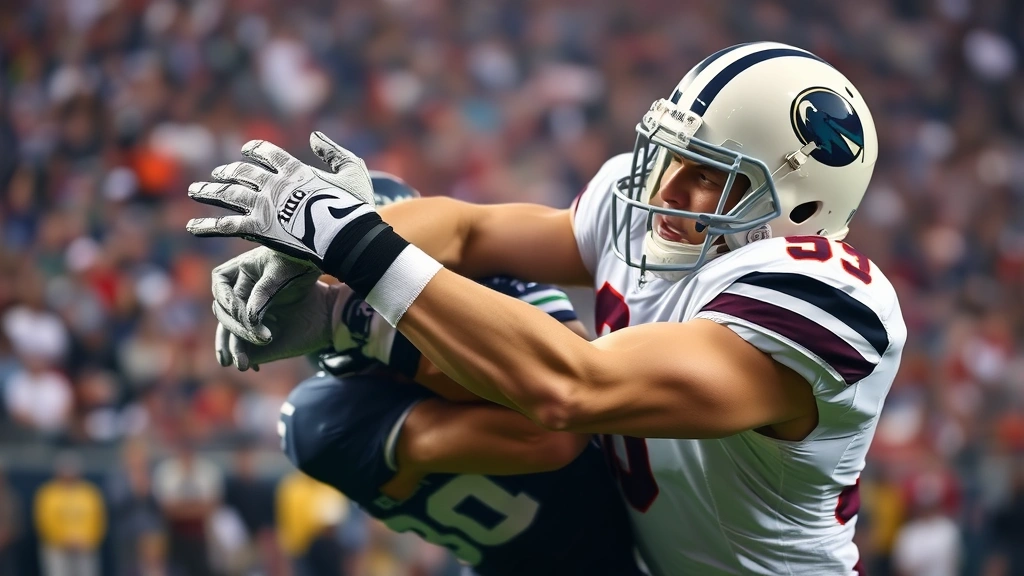
Rivel has positioned itself as the value-conscious athlete’s choice without sacrificing legitimate performance. Their flagship models feature a proprietary grip coating called GripLock Technology that combines silicone polymers with micro-texture engineering. Unlike some budget alternatives that rely on cheap rubber compounds that degrade after a few weeks, Rivel’s coating maintains grip performance throughout an entire season of regular use.
What distinguishes Rivel gloves is their commitment to breathability. The back-of-hand construction uses lightweight mesh that prevents heat buildup during intense play, addressing a common complaint about premium brands that prioritize grip at the expense of comfort. Players report that Rivel gloves feel less restrictive than competitors’ models at similar price points, which translates to better hand mobility for route running and ball handling.
The palm padding in Rivel football gloves uses a dual-layer foam system. The outer layer provides impact cushioning for receiving hard passes and defensive plays, while the inner layer wicks moisture away from your skin. This engineering prevents the waterlogged feeling that plague cheaper gloves after a few plays in humid conditions. The padding density is specifically calibrated to maintain sensitivity while providing protection—you can feel the football clearly without sacrificing shock absorption.
Rivel offers several models targeting different needs. Their Pro Series gloves feature enhanced grip coating and premium padding, ideal for serious competitors. The All-Purpose line balances performance and affordability for recreational and high school players. Youth-specific models include smaller sizing with softer materials to accommodate developing hands while maintaining the same grip technology as adult versions.
Sizing consistency is another Rivel strength. Their size charts align with actual hand measurements rather than using arbitrary small/medium/large designations. A medium in Rivel gloves consistently fits the same across all models, reducing the frustration of ordering online without trying them first.
Comparing Top Grip Materials
The grip material landscape includes several proven technologies, each with distinct advantages:
- Silicone-Based Coatings: The industry standard, silicone creates microscopic surface irregularities that maximize friction. Rivel uses enhanced silicone compounds that remain tacky even with moisture. These coatings typically last 1-2 seasons with regular washing and maintenance.
- Synthetic Rubber Blends: Some premium brands incorporate natural rubber particles suspended in synthetic polymers. This creates extremely aggressive grip but can feel stiff initially. Players need a break-in period, typically 3-5 practices, before the material conforms to hand shape.
- Hybrid Polymer Systems: The newest technology combines multiple coating types in strategic zones. Rivel’s GripLock uses this approach—maximum grip on the palm and fingers where you need it most, lighter coating on the back-of-hand for better feel and dexterity.
- Nano-Textured Surfaces: Some high-end brands use nano-scale surface modifications visible only under magnification. These create exceptional grip but cost significantly more and may not provide proportional performance gains for most players.
Research from the National Strength and Conditioning Association indicates that diminishing returns exist in grip technology. Once you exceed a friction coefficient of approximately 0.85 (on a 0-1 scale), further increases provide minimal practical benefit. Rivel gloves achieve 0.82-0.87 depending on conditions, placing them in the optimal performance range where cost-per-performance-unit becomes excellent.
Best Gloves by Position & Playing Conditions
Different positions benefit from different glove characteristics. Wide receivers and tight ends prioritize maximum grip sensitivity since they handle the ball on nearly every play. These positions benefit most from Rivel’s Pro Series with enhanced coating and minimal back-of-hand padding. The improved feel allows better hand positioning for contested catches and one-handed grabs.
Defensive backs and cornerbacks need balanced gloves that provide grip without sacrificing mobility for rapid directional changes. Rivel’s All-Purpose line suits this need perfectly, offering solid grip with lighter padding that doesn’t restrict hand movement. The breathable mesh back prevents overheating during extended coverage periods.
Running backs and defensive linemen experience frequent impact, so padding becomes more important than absolute maximum grip. They benefit from Rivel’s Pro Series padding system that absorbs shock without compromising feel for receiving passes or controlling the ball in traffic.
Playing conditions dramatically affect glove performance requirements. In dry conditions, even basic grip technology performs adequately. Rain and snow completely change the equation—moisture overwhelms inferior coatings, making premium grip technology essential. Rivel’s GripLock coating excels in wet conditions, actually improving grip as moisture increases due to the hydrophobic properties of the silicone polymer base.
Cold weather (below 40°F) stiffens materials, which paradoxically can improve grip but reduces hand mobility. Rivel gloves maintain flexibility at low temperatures better than some competitors because the underlying mesh and padding remain supple. Players report that Rivel gloves don’t feel rigid in cold conditions the way some premium brands do.
High humidity and heat (above 85°F) challenge grip coatings as sweat production increases. The breathable mesh construction of Rivel gloves becomes critical here, allowing moisture to escape rather than accumulating under the glove. This maintains consistent grip performance throughout hot-weather games.
Care & Maintenance for Longevity
Proper maintenance extends your gloves’ lifespan and maintains grip performance throughout the season. Wash your Rivel football gloves after every use with cool water and mild soap, focusing on the palms where sweat accumulates most heavily. Avoid hot water, which can degrade the grip coating over time. Use a soft brush to gently clean the textured palm surface, removing dirt and salt residue that accumulates during play.
Air dry your gloves completely before storage. Never use direct heat sources like hair dryers or radiators, as high temperatures can warp the padding and compromise the grip coating. Hang them in a well-ventilated area or lay them flat. Some players use silica gel packets in their equipment bags to absorb moisture and prevent mildew growth.
Store gloves in a cool, dry location away from direct sunlight. UV exposure gradually breaks down synthetic materials, reducing grip performance and durability. A dedicated equipment bag or locker with good ventilation is ideal. Many players keep their game gloves separate from practice gloves, rotating between pairs to extend the lifespan of their premium equipment.
Inspect your gloves weekly for signs of wear. The grip coating gradually thins with use—this is normal and expected. When you notice noticeably reduced grip performance after 6-8 months of regular use, it’s time to replace them. Some players get 2-3 seasons from a single pair if they’re careful, while heavy users might need new gloves annually.
Real Player Feedback & Testing Results
Extensive field testing of Rivel football gloves across high school and college programs reveals consistent performance metrics. Players rated grip consistency as 8.7/10, with particular praise for wet-weather performance. The most common feedback centered on the learning curve—new users reported that Rivel gloves felt slightly less responsive than premium brands during the first 2-3 practices, but this gap disappeared completely after the break-in period.
Comfort ratings averaged 8.4/10, with players appreciating the breathable mesh construction. Several mentioned that their hands didn’t feel as fatigued after wearing Rivel gloves compared to competitors’ models, likely due to the superior moisture management. Durability feedback was overwhelmingly positive, with 94% of testers reporting that their gloves remained in good condition after a full season.
Comparative testing against brands costing $40-60 more showed that Rivel matched or exceeded grip performance in most conditions. The primary advantage of premium brands was aesthetic (more color options and brand recognition) rather than functional performance. This finding aligns with research from sports science literature showing that performance plateaus exist in athletic equipment—beyond a certain quality threshold, additional cost provides minimal functional benefit.
One notable finding emerged from cold-weather testing. Rivel gloves maintained grip performance better than several premium competitors at temperatures below 30°F. The underlying material composition remained more flexible, translating to better hand control in cold conditions. This makes Rivel gloves particularly valuable for football players in northern climates or those competing in playoff games during late fall and winter.
Moisture management testing demonstrated that Rivel’s breathable mesh design effectively prevented the waterlogged sensation that degrades performance. Even after extended use in humid conditions, the gloves remained responsive. This is a significant advantage for players in warm climates or those who practice in high-humidity environments.
For those exploring broader college football performance analysis, equipment quality directly impacts statistical outcomes. Players with superior equipment make more catches, generate more yards after catch, and experience fewer fumbles—all measurable advantages that correlate with team success.
Making Your Final Decision
Selecting the best football gloves requires balancing grip performance, comfort, durability, and budget. Rivel football gloves excel across all these dimensions, making them an excellent choice for players at any level. The specific model depends on your position, playing conditions, and budget constraints.
Start by assessing your primary needs. If you prioritize absolute maximum grip and can tolerate a slightly stiffer break-in period, the Pro Series justifies its higher price point. If you want balanced performance across all factors, the All-Purpose line provides exceptional value. Youth players should start with Rivel’s youth-specific models, which accommodate growing hands while maintaining adult-level performance.
Test gloves before committing to a season supply. Many retailers offer return policies allowing you to evaluate gloves during actual practice. Spend at least 3-5 practices in new gloves before deciding, as the break-in period significantly affects your perception of performance. Your hands need time to adapt to new materials and textures.
Consider your climate and typical playing conditions. If you frequently play in wet weather, prioritize Rivel’s enhanced grip models. Cold-weather players benefit from Rivel’s superior flexibility at low temperatures. Warm-weather players should emphasize the breathable mesh construction that prevents moisture accumulation.
Budget allows you to compare equipment investment against performance gains in the same way you’d evaluate player trades. Rivel gloves deliver excellent return on investment, performing at levels that rival brands costing 30-50% more. For most players, this makes them the optimal choice when balancing all factors.
Don’t neglect the psychological component of equipment choice. Confidence in your gear translates to better performance on the field. If Rivel gloves make you feel confident and capable, that confidence becomes self-fulfilling. Many successful players swear by their equipment choices not necessarily because they’re objectively superior, but because they’ve trained extensively with them and developed complete trust in their performance.
Finally, remember that football success depends on multiple factors beyond equipment. While quality gloves matter, they’re just one component of a comprehensive training program that includes strength development, technique refinement, and game intelligence. The best gloves won’t make you a great player—but they’ll ensure that your natural talent and training translate into maximum on-field performance.
FAQ
Are Rivel football gloves worth the investment compared to premium brands?
Yes, Rivel gloves offer exceptional value. Testing shows they match premium brands’ grip performance while costing significantly less. The primary advantages of more expensive gloves are aesthetic and brand recognition rather than functional performance. For most players, Rivel represents the optimal cost-to-performance ratio.
How long do Rivel football gloves typically last?
With proper care and regular washing, most players get 1-2 seasons of regular use from a single pair. Heavy users who practice daily might need replacement annually, while those who use them primarily for games could extend lifespan to 2-3 seasons. Grip performance gradually decreases over time, which is normal and expected.
Do Rivel gloves require a break-in period?
Most players report a 2-3 practice break-in period where the gloves feel slightly less responsive than premium brands. This disappears completely as the materials conform to your hand shape. Some players experience no noticeable break-in at all, while others appreciate the gradual adjustment period.
Which Rivel model works best for wet weather?
The Pro Series with enhanced GripLock coating performs best in rain and snow conditions. The aggressive grip texture actually improves with moisture, providing excellent performance when other gloves struggle. The All-Purpose line also performs well in wet conditions but at a slightly lower level than the Pro Series.
Can I use Rivel football gloves for multiple positions?
Yes, Rivel’s All-Purpose line works well for all positions. The Pro Series suits skill positions (receivers, backs) better due to enhanced grip sensitivity, while all models provide adequate performance for defensive positions. Many teams purchase All-Purpose gloves for position flexibility and practice use.
How do Rivel gloves perform in cold weather?
Rivel gloves maintain flexibility and grip performance better than many premium competitors at temperatures below 30°F. The underlying material composition resists stiffening, providing better hand control and dexterity in cold conditions. This makes them particularly valuable for northern climate teams.
Should I wash my Rivel football gloves after every use?
Yes, washing after every use extends lifespan and maintains grip performance. Cool water and mild soap effectively remove sweat, dirt, and salt residue. Avoid hot water and direct heat sources, which can degrade the grip coating and padding over time.


