
Are Protein Shakes Effective? Dietitian Explains the Science Behind This Popular Supplement
Protein shakes have become a staple in fitness culture, from elite athletes to casual gym-goers. Whether you’re training for peak athletic performance or simply looking to build muscle, you’ve probably wondered: do protein shakes actually work? The answer is more nuanced than a simple yes or no. As a registered dietitian specializing in sports nutrition, I’m breaking down the science, effectiveness, and practical considerations that every fitness enthusiast should understand.
The fitness industry generates billions in supplement revenue annually, with protein powder leading the charge. But does the marketing match the science? We’ll explore how protein shakes fit into your nutrition strategy, who benefits most from them, and whether they’re truly necessary for your goals. Understanding the evidence helps you make informed decisions about your supplementation routine.
This comprehensive guide examines clinical research, practical application, and individual factors that determine whether protein shakes deserve a place in your daily nutrition plan. Whether you’re a competitive athlete or someone building a sustainable fitness routine, you’ll find actionable insights to optimize your protein intake.
How Protein Shakes Work: The Science
Protein shakes function by delivering amino acids—the building blocks of muscle tissue—in a convenient, rapidly absorbable format. When you consume a protein shake, your digestive system breaks down the protein into individual amino acids, which are then absorbed into the bloodstream. These amino acids trigger muscle protein synthesis (MPS), the biological process where your body constructs and repairs muscle fibers.
Research from the American College of Sports Medicine (ACSM) demonstrates that consuming adequate protein post-exercise significantly enhances muscle adaptation. The timing and amount matter considerably. Your muscles remain primed for protein synthesis for up to 48 hours after resistance training, but the window for maximum effectiveness peaks within 2 hours of your workout.
Different protein sources offer varying amino acid profiles and digestion speeds. Whey protein isolate absorbs quickly (30-60 minutes), making it ideal post-workout. Casein digests slowly (6-8 hours), making it useful before bed. Plant-based proteins typically have lower bioavailability but can be equally effective when combined properly. The essential amino acid leucine particularly triggers muscle protein synthesis, making leucine content an important consideration when selecting products.
The mechanism is straightforward but powerful: resistance training creates micro-tears in muscle fibers, triggering an inflammatory response that initiates repair. Adequate protein provides the raw materials for this repair process, resulting in stronger, larger muscles. Without sufficient protein, your body lacks the substrate needed for optimal recovery and adaptation.
Effectiveness for Muscle Growth and Recovery
Clinical evidence strongly supports protein shakes’ effectiveness for muscle hypertrophy and recovery when combined with consistent resistance training. A meta-analysis published in the Journal of the International Society of Sports Nutrition found that protein supplementation increased lean muscle mass by approximately 0.3kg more than training alone over 8-12 weeks. While this might sound modest, it compounds significantly over months and years of training.
For muscle recovery specifically, protein shakes demonstrate clear advantages. They reduce delayed-onset muscle soreness (DOMS) and accelerate recovery between training sessions, allowing you to train harder and more frequently. Athletes consuming adequate protein report improved performance metrics and faster strength gains compared to those with inadequate intake.
The effectiveness depends heavily on training stimulus. Protein shakes alone won’t build muscle—you need progressive resistance training creating mechanical tension on muscle fibers. Combined with proper training and adequate calories, protein shakes become a powerful tool. Elite athletes and competitive bodybuilders rely on protein supplementation because the marginal gains compound into significant advantages.
Recovery extends beyond muscle soreness. Adequate protein supports immune function, reduces injury risk, and improves overall training consistency. Athletes maintaining higher protein intake report fewer illness days and better sustained performance throughout training cycles. This recovery benefit alone justifies supplementation for serious athletes preparing for competitive seasons.
Research indicates that distributed protein intake throughout the day proves more effective than concentrated doses. Consuming 30-40g of protein per meal maximizes muscle protein synthesis compared to larger infrequent doses. Protein shakes enable this distributed approach, particularly for athletes juggling busy schedules.
Protein Requirements for Different Athletes
Not everyone requires the same protein intake. Individual needs vary based on training type, intensity, body composition goals, and current dietary habits. The ACSM recommends 1.2-2.0g of protein per kilogram of body weight daily for athletes engaged in resistance training. Endurance athletes typically require 1.2-1.6g/kg, while strength athletes benefit from the higher range.
For a 180-pound (82kg) athlete training for strength, this translates to 98-164g daily. Most people can obtain 50-70g from whole foods, making 40-60g from supplementation reasonable. However, individual factors significantly influence actual requirements:
- Training frequency and volume: Higher training stress demands more protein
- Age: Older athletes (40+) may require slightly higher intake for optimal adaptation
- Caloric deficit: Athletes in a deficit need higher protein to preserve muscle
- Current muscle mass: Lean athletes generally need proportionally more
- Training experience: Beginners gain muscle efficiently at lower protein levels
Competitive football players preparing for college football seasons typically benefit from the higher protein range due to intense strength and conditioning demands. Position-specific training also influences requirements, with linemen requiring different strategies than skill position players.
The critical insight: more protein isn’t always better. Beyond 2.0-2.2g/kg daily, additional protein provides minimal additional benefit for muscle growth. Your body can only utilize so much protein efficiently; excess is oxidized for energy or stored as fat. Finding your optimal range based on your specific training and goals proves more practical than simply consuming maximum protein.
When Protein Shakes Make the Most Sense
Protein shakes aren’t universally necessary, but specific situations make them particularly valuable. Understanding when supplementation provides genuine benefit helps you make cost-effective decisions about your nutrition strategy.
Post-workout nutrition: This represents the clearest use case. After intense resistance training, your muscles are primed for protein synthesis. A quickly-absorbed protein shake delivers amino acids when your body most efficiently utilizes them. This convenience matters practically—many people can’t consume solid food immediately post-workout, making shakes an ideal solution.
Meal replacement for convenience: Busy schedules sometimes make whole-food meals impractical. A protein shake provides complete nutrition when you’re traveling, working long hours, or training multiple times daily. This is particularly relevant for athletes balancing training with professional or academic commitments.
Caloric deficit periods: When cutting weight for competition or body composition goals, adequate protein becomes even more critical to preserve muscle. Shakes help you meet protein targets while managing overall calories. They provide satiety comparable to solid food despite lower calories, supporting adherence to your nutrition plan.
Dietary restrictions: Vegetarian and vegan athletes often struggle meeting protein targets from whole foods alone. Protein shakes provide complete amino acid profiles efficiently, making supplementation practically necessary for plant-based athletes.
High training volume: When training 2-3 times daily (common for competitive athletes), meeting protein targets from whole food becomes logistically challenging. Shakes bridge the gap between meals efficiently.
Budget constraints: Ironically, protein powder often costs less per gram than premium whole-food protein sources like grass-fed beef or wild-caught fish, making it economical for athletes on tight budgets.
Comparing Whole Foods vs. Supplements
A common question: should you prioritize whole foods or supplements? The honest answer: whole foods provide superior overall nutrition, but supplements offer practical advantages in specific contexts. An ideal strategy combines both strategically.
Whole food advantages: Chicken, fish, eggs, and dairy provide not just protein, but also micronutrients, phytonutrients, and beneficial compounds absent from supplements. Whole foods support satiety better than liquid supplements, helping with appetite regulation. The eating experience—chewing, taste variety—contributes to dietary satisfaction and sustainability. Additionally, whole foods contain no artificial additives, providing nutritional integrity.
Supplement advantages: Shakes offer superior convenience, requiring minimal preparation. They’re portable, shelf-stable, and don’t require refrigeration until mixed. They’re particularly useful post-workout when solid food digestion competes with blood flow directed toward muscles. For athletes with sensitive digestion, whey protein isolate often causes fewer gastrointestinal issues than whole foods. The cost-per-gram sometimes favors supplements, particularly for budget-conscious athletes.
The optimal approach: obtain 60-70% of protein from whole foods, supplementing with shakes for convenience and strategic timing. This strategy provides nutritional completeness while leveraging supplements’ practical advantages. Athletes preparing for fantasy football season or serious competition benefit from this balanced approach.
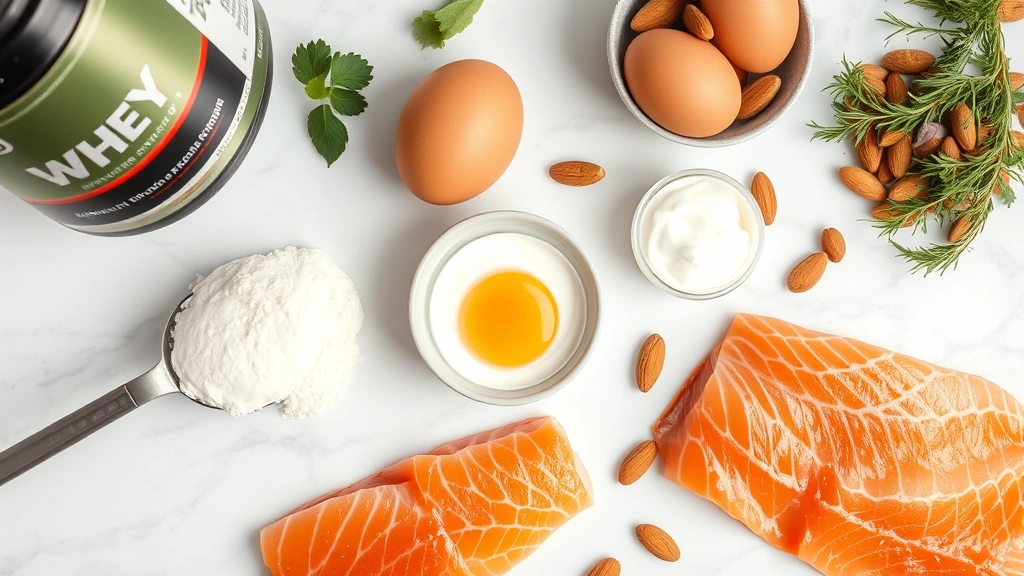
Quality whole-food sources should prioritize: lean meats (chicken, turkey, lean beef), fatty fish (salmon, sardines, mackerel), eggs, Greek yogurt, cottage cheese, and legumes. These provide complete amino acid profiles alongside valuable micronutrients supporting overall athletic performance.
Quality Matters: Choosing the Right Product
Not all protein powders are created equal. Quality varies dramatically between brands, affecting both effectiveness and safety. Understanding what distinguishes superior products helps you invest wisely.
Third-party testing: Look for products tested by NSF International, Informed Choice, or USP. These organizations verify that supplements contain what the label claims and don’t contain banned substances or contaminants. For competitive athletes, this verification prevents accidental doping violations.
Protein source quality: Whey protein isolate undergoes more processing than concentrate, removing lactose and fat while preserving amino acids. This suits sensitive individuals better. Concentrate costs less but contains more lactose. Casein provides slower digestion, beneficial for sustained amino acid delivery. Plant-based options (pea, hemp, rice) work well but often require blending multiple sources for complete amino acid profiles.
Ingredient transparency: Superior products list specific ingredients without vague proprietary blends. Avoid products with excessive artificial sweeteners, fillers, or additives. Simple formulations—protein, maybe a carbohydrate source, minimal additives—generally indicate quality manufacturing.
Amino acid profile: Check the label for BCAA (branched-chain amino acid) content and leucine specifically. Leucine content above 2.5g per serving indicates superior muscle-building potential. Complete amino acid profiles containing all nine essential amino acids matter most for muscle synthesis.
Mixability and taste: Quality powders mix smoothly without clumping and taste pleasant without excessive artificial flavoring. While secondary to nutritional content, poor mixability or taste undermines adherence—the best supplement is one you’ll actually consume consistently.
Reputable brands prioritizing quality typically cost more but justify the investment through superior efficacy and safety. Budget options sometimes contain contaminants or mislabeled protein content, making premium brands a worthwhile investment for serious athletes.

Potential Drawbacks and Considerations
While generally safe, protein shakes carry some legitimate considerations worth understanding. Addressing potential drawbacks helps you use supplements responsibly.
Digestive issues: Some people experience bloating, gas, or digestive discomfort from protein shakes. This typically stems from lactose intolerance (resolved with isolate), artificial sweeteners, or simply too much protein too quickly. Starting with smaller doses and building tolerance usually resolves these issues. Alternatively, switching to plant-based or different protein sources often eliminates problems.
Cost accumulation: Premium protein powders cost $1-2 per serving. For athletes consuming multiple shakes daily, this adds significant monthly expense. While still cheaper than many whole-food protein sources, it’s a legitimate budget consideration for cost-conscious individuals.
Nutrient gaps: Protein shakes don’t contain the micronutrient density of whole foods. While convenient, relying too heavily on supplements at the expense of whole foods creates nutritional imbalances. This particularly affects micronutrients like iron, zinc, and B vitamins essential for athletic performance.
Dependency risk: Some athletes become overly reliant on supplements, neglecting whole-food nutrition. This undermines long-term health and performance. Supplements should enhance a solid whole-food foundation, not replace it.
Quality variability: The supplement industry has less regulation than pharmaceuticals. Some products contain undisclosed ingredients, banned substances, or mislabeled protein content. Third-party testing mitigates this risk but doesn’t eliminate it entirely.
Individual sensitivity: Some people simply don’t tolerate supplements well, experiencing headaches, nausea, or other adverse reactions. Individual variation means what works excellently for one person may not work for another. Experimentation helps identify your personal tolerance.
Optimizing Your Protein Strategy
Implementing an effective protein strategy requires moving beyond simple supplementation. The following framework helps you maximize protein’s benefits while maintaining nutritional balance.
Calculate your individual needs: Determine your body weight in kilograms and multiply by 1.6-2.0 depending on your training intensity. This gives your daily target. Divide by your typical eating occasions (usually 4-5) to identify how much protein per meal optimizes muscle protein synthesis.
Distribute protein strategically: Rather than consuming 80g at dinner and 20g at breakfast, aim for 30-40g at each major meal. This distributed approach maximizes muscle protein synthesis throughout the day. Post-workout becomes slightly higher priority, but total daily intake matters more than timing alone.
Prioritize whole foods first: Build your nutrition foundation with whole foods providing complete micronutrition. Add protein shakes strategically for convenience and post-workout nutrition, not as your primary protein source. This ensures nutritional completeness while leveraging supplements’ practical advantages.
Time post-workout nutrition: Consume protein within 2 hours post-training when muscle protein synthesis remains elevated. A shake provides convenient delivery, but solid food works equally well if convenient. The priority is consuming adequate protein during this window, not the specific format.
Monitor your progress: Track body composition changes, strength progression, and recovery quality. If you’re gaining strength, recovering well, and maintaining/building muscle, your protein intake is adequate. Conversely, if you’re consistently sore or plateauing despite consistent training, increasing protein intake may help. Use results to refine your individual strategy.
Consider your lifestyle: Athletes with busy schedules, dietary restrictions, or training volume demands benefit most from supplementation. Those with flexible schedules and strong whole-food nutrition may not need supplements. Your individual context determines optimal strategy.
Account for other nutrients: Protein doesn’t work in isolation. Adequate carbohydrates support training intensity and recovery. Healthy fats support hormone production. Micronutrients enable countless metabolic processes. Protein shakes must complement—not replace—a comprehensive nutrition strategy addressing all macro and micronutrients.
Athletes serious about performance, whether competing in football with specialized equipment or other sports, benefit from viewing protein as one component of comprehensive sports nutrition. Understanding odds and probabilities of success also applies to nutrition—small consistent advantages compound significantly. Protein optimization represents one of those high-probability, high-impact strategies.
Research from the International Society of Sports Nutrition consistently demonstrates that protein supplementation, when combined with resistance training and adequate calories, produces measurable improvements in strength, muscle mass, and body composition. The science is clear: protein shakes work when implemented strategically as part of a comprehensive training and nutrition program.
FAQ
Do protein shakes actually help you build muscle?
Yes, when combined with consistent resistance training and adequate calories, protein shakes support muscle growth. Research demonstrates that protein supplementation increases lean muscle mass by approximately 0.3kg more than training alone over 8-12 weeks. The effect compounds significantly over longer periods, making supplementation valuable for serious athletes.
How much protein do I actually need daily?
For resistance-trained athletes, the ACSM recommends 1.2-2.0g per kilogram of body weight daily. A 180-pound athlete would target 98-164g. Individual needs vary based on training intensity, age, dietary goals, and current body composition. Starting at 1.6g/kg and adjusting based on results helps identify your optimal range.
Is it better to drink protein shakes before or after workouts?
Post-workout timing provides slight advantages due to elevated muscle protein synthesis for up to 48 hours after training, peaking within 2 hours. However, total daily protein intake matters more than timing. If consuming a shake post-workout fits your schedule better, that consistency outweighs minor timing advantages.
Can I build muscle with whole foods alone, without supplements?
Absolutely. Adequate protein from chicken, fish, eggs, dairy, and legumes supports excellent muscle growth. Supplements provide convenience advantages but aren’t necessary for results. Your training stimulus and total daily protein matter more than the specific protein source.
Are protein shakes safe for long-term use?
Yes, research indicates protein supplementation is safe for long-term use in healthy individuals. Quality products from reputable manufacturers pose minimal risk. However, ensure you’re consuming adequate hydration and maintaining overall nutritional balance rather than relying excessively on supplements.
What’s the difference between whey isolate and concentrate?
Isolate undergoes additional processing, removing most lactose and fat while preserving amino acids. It absorbs faster and suits lactose-intolerant individuals better. Concentrate costs less but contains more lactose. Both support muscle growth equally when protein content is equivalent.
Do plant-based protein shakes work as well as whey?
Plant-based proteins can be equally effective when containing complete amino acid profiles or combining multiple sources (pea + rice, for example). Whey provides complete amino acids in a single source, offering convenience advantages. However, quality plant-based products support excellent results for vegan and vegetarian athletes.
Can too much protein damage your kidneys?
No. Research consistently shows that high protein intake doesn’t harm kidney function in healthy individuals. This myth persists despite decades of evidence to the contrary. Individuals with pre-existing kidney disease should consult healthcare providers, but healthy athletes can safely consume 2.0-2.2g/kg daily.


