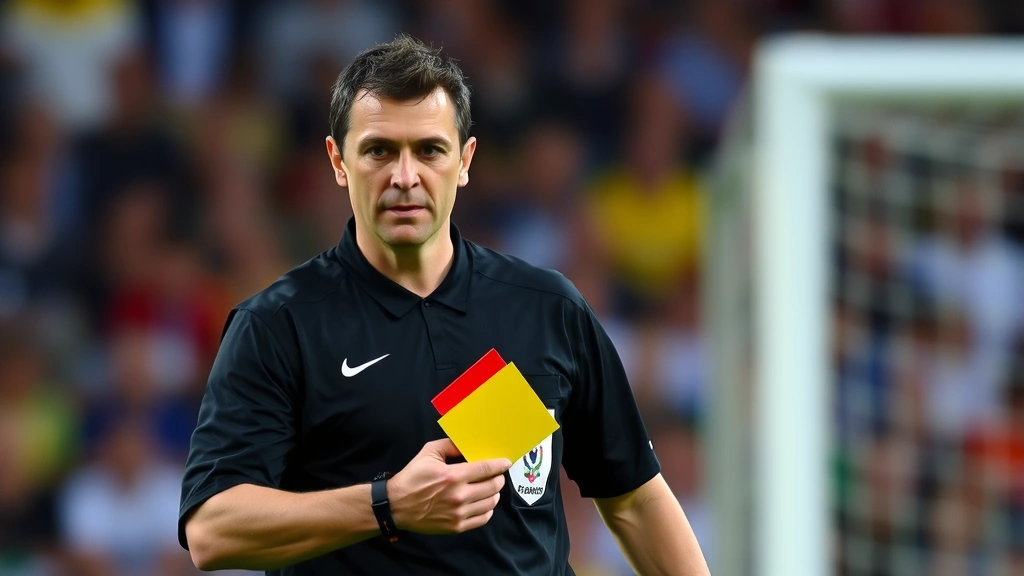
Understanding Penalty Cards: Referee Insights
Penalty cards represent one of football’s most critical disciplinary tools, shaping player behavior, match outcomes, and competitive integrity across all levels of the sport. Whether you’re a passionate fan, aspiring referee, or dedicated player, understanding how penalty cards function provides essential insight into the tactical and behavioral dimensions of modern football. Referees wield these cards with precision and responsibility, making split-second decisions that can alter the trajectory of matches and seasons.
The system of penalty cards—yellow and red—has evolved significantly since its introduction, creating a universal language that transcends borders and leagues. This comprehensive guide explores the nuances of penalty card administration, the psychology behind disciplinary decisions, and how referees maintain control while ensuring fair play. By examining real-world scenarios and referee protocols, you’ll gain a deeper appreciation for the complexity of officiating football at the highest levels.
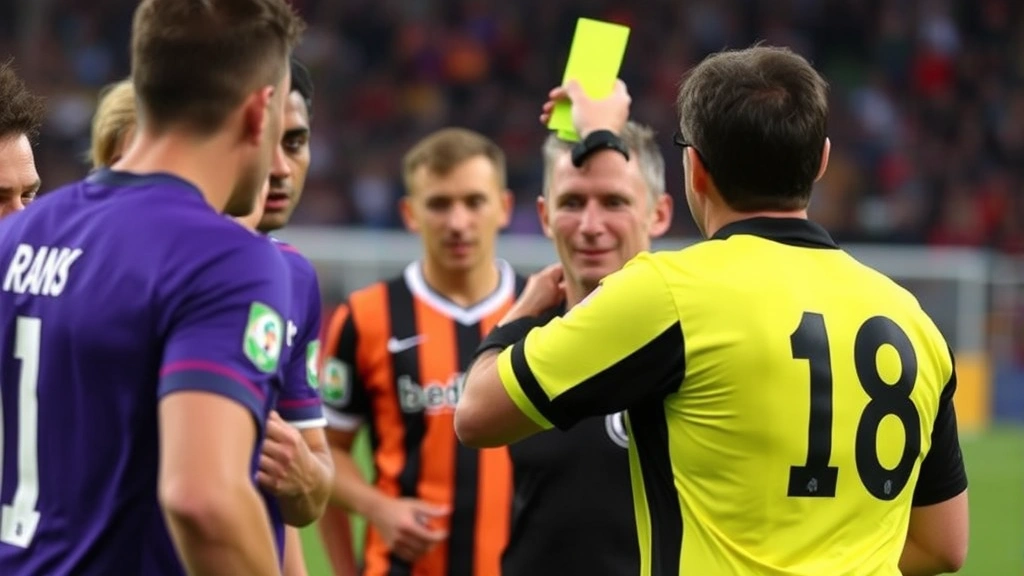
The History and Evolution of Penalty Cards
Before 1970, referees relied solely on verbal warnings and match reports to manage player discipline in football. The introduction of penalty cards revolutionized officiating by providing immediate, visible communication of disciplinary action. English referee Ken Aston developed the yellow and red card system, inspired by traffic lights, recognizing the need for a universal visual system that transcended language barriers.
The yellow card signified caution—a formal warning that another infraction would result in dismissal. The red card indicated immediate expulsion from the match. This elegant system gained rapid adoption across international football and eventually became standard in virtually every football league worldwide. The FIFA Laws of the Game now formalize penalty card protocols, ensuring consistency from grassroots youth leagues to the FIFA World Cup.
Understanding penalty card regulations helps fans appreciate referee authority and the delicate balance between allowing fluid play and maintaining discipline. Modern football has seen increased emphasis on consistency, with leagues implementing detailed guidelines about what constitutes caution-worthy versus dismissal-worthy offenses. The evolution continues as governing bodies refine protocols to address emerging challenges in contemporary football.
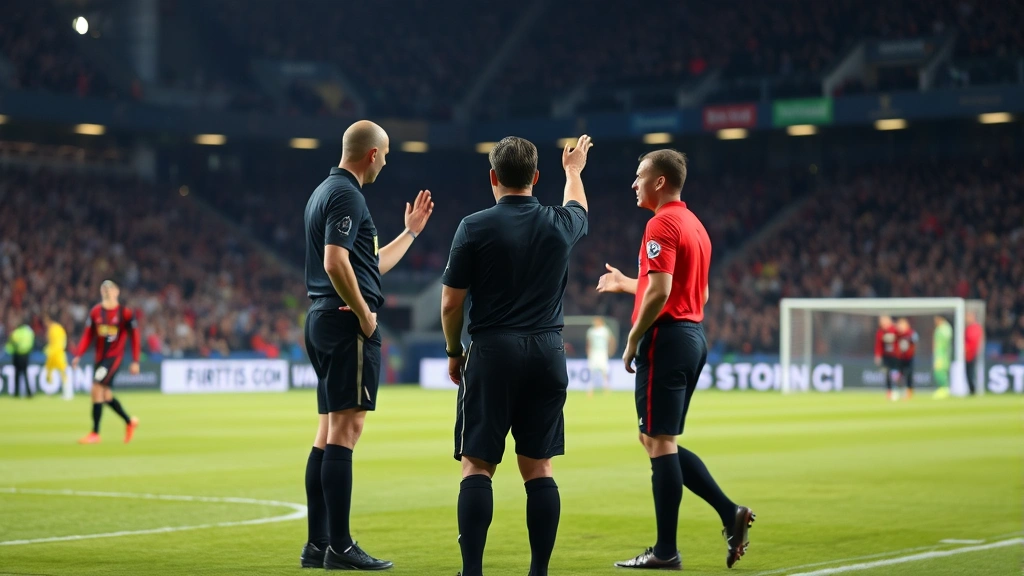
Yellow Card Offenses and Warnings
Yellow cards represent the primary disciplinary mechanism in football, cautioning players for unsporting conduct and rule violations. A player receiving two yellow cards in the same match faces automatic red card dismissal, creating strategic tension throughout matches. Understanding yellow card offenses demonstrates how referees balance enforcement with game flow.
Common yellow card offenses include:
- Excessive celebration after scoring
- Removing shirt or covering face during celebration
- Deliberate handball that doesn’t prevent a goal-scoring opportunity
- Persistent infringement of rules
- Dissent by word or action
- Unsporting conduct toward opponents or officials
- Delaying the restart of play
- Failure to respect required distance during set pieces
- Entering or re-entering the field without permission
- Leaving the field without authorization
Referees exercise considerable judgment when issuing yellow cards, considering context, intent, and match circumstances. A tackle that might warrant a caution in a friendly match could receive different treatment in a high-stakes competitive fixture. This contextual decision-making separates experienced referees from novices, requiring extensive training and match exposure. Players must develop awareness of referee tendencies and match conditions to avoid accumulating needless cautions.
The accumulation system creates fascinating strategic dimensions. Players carrying one yellow card in crucial matches must adjust their playing style, reducing aggressive challenges and emotional reactions. Teams often substitute players with one caution to prevent dismissal, affecting tactical flexibility. Understanding competitive football dynamics requires recognizing how yellow card accumulation influences team selection and in-game adjustments.
Red Card Offenses and Match Dismissal
Red card dismissals represent football’s most severe on-field punishment, immediately removing a player from competition and typically resulting in suspension for subsequent matches. Unlike yellow cards, which accumulate, a single red card offense warrants instant expulsion. Referees must demonstrate absolute certainty before issuing red cards, as the decision dramatically impacts match balance and competitive fairness.
Direct red card offenses include:
- Serious foul play involving excessive force or brutality
- Violent conduct against opponents or match officials
- Spitting at anyone
- Denying an obvious goal-scoring opportunity through handball
- Denying an obvious goal-scoring opportunity through deliberate foul
- Using offensive, insulting, or abusive language/gestures
- Receiving a second yellow card in the same match
The “obvious goal-scoring opportunity” (OGSO) rule creates nuanced decision-making scenarios. Referees must evaluate whether a defensive action prevented a clear scoring chance, requiring instantaneous assessment of trajectory, defensive positioning, and goalkeeper positioning. Modern International Football Association Board (IFAB) guidelines clarify these situations, yet interpretation remains challenging.
Violent conduct offenses carry additional consequences beyond match dismissal. Players receive extended bans, and clubs may face sanctions. The severity reflects football’s commitment to player safety and match dignity. Referees receive extensive training on recognizing serious foul play, distinguishing between legitimate defensive challenges and dangerous conduct that warrants dismissal.
Referee Decision-Making Process
Elite referees employ sophisticated decision-making frameworks when determining whether conduct warrants penalty cards. The process involves rapid assessment of multiple variables: player intent, contact severity, opponent reaction, match context, and previous disciplinary patterns. This cognitive complexity distinguishes professional officiating from casual observation.
Referees position themselves strategically to maintain optimal sightlines for critical plays. They anticipate potential flashpoints, positioning near areas where fouls frequently occur. This proactive positioning enables clearer observation and faster decision-making. During high school football through professional matches, referee positioning fundamentally influences disciplinary decision quality.
The principle of “advantage” guides many penalty card decisions. If an offense occurs but the fouled team maintains possession and attacking opportunity, referees often refrain from stopping play or issuing cautions. This philosophy prioritizes flowing, entertaining football while maintaining discipline. Conversely, when infractions impede natural play progression, immediate intervention through cards becomes appropriate.
Communication with assistant referees and, increasingly, Video Assistant Referees (VAR) enhances decision accuracy. Referees discuss contentious situations, review footage, and ensure consistency. This collaborative approach reduces individual bias and improves disciplinary fairness. Training programs emphasize communication protocols, ensuring all match officials understand their roles in supporting head referee decisions.
Technology and VAR Integration
Video Assistant Referee technology has transformed penalty card decision-making, particularly for red card offenses. VAR can review incidents in slow motion, providing perspectives unavailable to on-field referees. This capability proves especially valuable for violent conduct and serious foul play determinations, where intent and severity require careful evaluation.
However, VAR integration creates new challenges. Excessive review duration disrupts match flow and frustrates players, coaches, and fans. Leagues balance accuracy improvement against entertainment value, establishing protocols limiting VAR review scope. Generally, VAR intervenes for clear and obvious errors in red card decisions or situations directly affecting play safety.
The technology hasn’t eliminated controversial decisions but has improved consistency and reduced obviously incorrect dismissals. Referees retain final authority, using VAR as an advisory tool rather than absolute arbiter. This balance maintains referee credibility while leveraging technological advantages. Understanding sports officiating technology helps fans appreciate modern football’s complexity.
Research from sports science institutions demonstrates that VAR reduces critical errors in high-stakes matches. Yet debate continues regarding whether marginal improvements justify interruptions to game flow. Progressive leagues continue refining protocols, seeking optimal balance between accuracy and entertainment.
Impact on Team Strategy
Penalty cards fundamentally shape tactical decision-making throughout matches. Teams adjust playing styles based on disciplinary situations, employing defensive strategies that minimize injury risk while respecting card accumulation. Coaches continuously evaluate whether players carrying cautions should continue playing or face substitution.
Strategic fouls represent deliberate infractions accepting yellow card punishment to prevent goal-scoring opportunities or dangerous counterattacks. Players develop sophisticated understanding of when tactical fouls serve team interests. Referees recognize these situations and may escalate cautions when players repeatedly commit deliberate infractions, demonstrating persistent rule-breaking attitudes.
Match context dramatically influences card decisions and player behavior. Knockout tournaments intensify emotions and increase disciplinary incidents. Teams trailing matches become more aggressive, accepting greater yellow card risk for attacking opportunities. Conversely, teams protecting leads employ defensive fouling strategies, accepting cautions to preserve advantages. Coaches prepare players for these dynamics, emphasizing emotional control and tactical discipline.
The accumulation system across multiple matches creates season-long strategic considerations. Players approaching suspension thresholds receive reduced playing time, particularly in non-critical fixtures. Teams balance competitive demands against long-term squad availability, sometimes resting cautioned players to prevent dismissal in crucial matches. This dynamic adds strategic depth beyond individual match tactics.
Common Misconceptions
Fans frequently misunderstand penalty card protocols, leading to frustration with referee decisions. One persistent misconception suggests referees maintain predetermined quotas for cards per match. In reality, referees issue cards based on observed conduct, not predetermined targets. Matches naturally vary in disciplinary requirements depending on player aggression and tactical approaches.
Another myth claims referees show favoritism toward home teams or higher-ranked clubs through selective card distribution. While bias remains possible, professional leagues implement accountability measures and video review systems to identify and correct systematic favoritism. Elite referees maintain high consistency standards, with performance monitoring preventing sustained bias.
Some believe referees should allow more physical contact in men’s football compared to women’s football. Modern laws apply identical standards regardless of gender, though physical differences may influence tackle intensity and injury risk. Referees apply consistent interpretation across all competitions, ensuring equal protection for all players.
Players sometimes believe referees should ignore minor infractions to maintain match flow. While referees do apply judgment, persistent rule-breaking requires intervention. The challenge involves distinguishing between minor contact and deliberate fouls, requiring extensive experience and training. Understanding this distinction helps fans appreciate referee decision-making complexity.
Perhaps the most damaging misconception suggests penalty cards represent referee incompetence or bias. Actually, cards demonstrate referees actively managing match conduct and maintaining competitive integrity. Well-officiated matches often involve cards at appropriate moments, reflecting effective discipline rather than poor officiating. Referee certification programs emphasize this principle, training officials to view cards as essential discipline tools rather than last-resort measures.
FAQ
How many yellow cards result in suspension?
Accumulation rules vary by league and competition. Most leagues suspend players after five yellow cards in a season, with accumulation resetting at predetermined points. Knockout tournaments typically reset card counts between rounds. Always consult your specific league’s regulations for exact suspension thresholds.
Can referees rescind penalty cards after issuing them?
No, referees cannot rescind cards once issued. However, match officials can clarify card decisions during post-match reviews, potentially affecting subsequent disciplinary action through league review processes. On-field decisions remain final during matches.
What happens if a player receives a red card?
Players immediately leave the field and cannot be replaced (in most competitions). Teams continue with one fewer player for the remainder of the match. The player typically faces suspension for subsequent matches, with duration depending on offense severity and league regulations.
Do penalty cards carry over between seasons?
No, yellow card accumulation resets annually in most leagues. Suspensions from red cards may extend into subsequent seasons if issued near season-end, but the accumulation counter resets. This system prevents carryover disadvantages for teams with early-season disciplinary issues.
Can coaches receive penalty cards?
Yes, coaches and substitutes can receive yellow and red cards for misconduct in the technical area. These cards follow similar protocols to player cards, with red card dismissal removing the coach from the match and technical area.
How do referees decide between yellow and red cards for ambiguous fouls?
Referees evaluate intent, contact severity, player vulnerability, and danger level. Serious foul play warrants red cards when excessive force or brutality occurs. Borderline situations may receive yellow cards with potential VAR review if available. Referee training emphasizes clear decision-making frameworks for these scenarios.


