
Northshore Football Training: Coach Insights for Building Championship Programs
Northshore high school football represents the pinnacle of competitive athletics in the region, where coaching excellence meets athlete dedication. The programs thriving in this competitive landscape have mastered the art of combining rigorous strength training, tactical preparation, and mental resilience development. Whether you’re a parent seeking to understand what elite high school football training entails, a student-athlete aspiring to reach the next level, or a coach looking to elevate your program, the insights from successful Northshore programs offer invaluable lessons in athletic development.
The difference between average and exceptional football programs often comes down to systematic training methodologies that address every aspect of athletic performance. Coaches at top Northshore schools implement science-backed conditioning protocols, position-specific skill development, and comprehensive injury prevention strategies. This comprehensive approach ensures that athletes not only perform at their peak during game days but also develop sustainable training habits that serve them throughout their athletic careers and beyond.
Strength and Conditioning Fundamentals for Football Excellence
The foundation of any successful Northshore football program rests upon a scientifically-designed strength and conditioning curriculum. Head coaches and strength coordinators work collaboratively to create periodized training programs that build foundational strength while minimizing injury risk. The annual training cycle typically divides into off-season, pre-season, and in-season phases, each with distinct objectives and intensity parameters.
Off-season training focuses on building absolute strength and muscle mass. Athletes engage in compound movements including squats, deadlifts, bench presses, and Olympic lifts performed with controlled tempos and progressive overload principles. Research from the American College of Sports Medicine demonstrates that multi-joint exercises produce superior neuromuscular adaptations compared to isolation movements. Northshore programs typically prescribe 3-4 strength sessions weekly, complemented by accessory work targeting stabilizer muscles and addressing muscular imbalances.
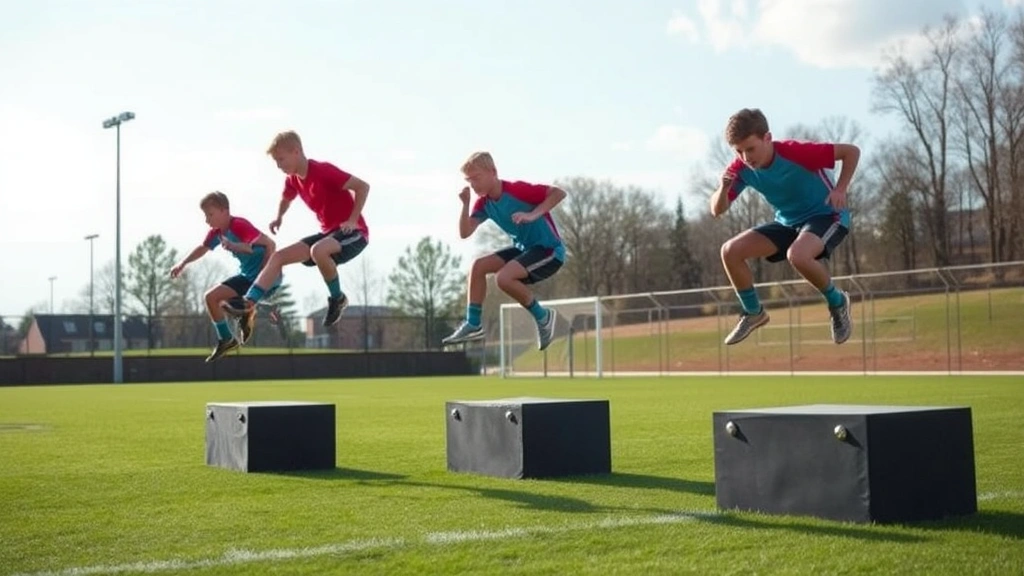
Pre-season training transitions toward sport-specific power development and metabolic conditioning. Athletes perform explosive movements including plyometrics, medicine ball throws, and sprint work that translates directly to football demands. The intensity and volume shift to prepare the body for game-speed activities while maintaining strength gains achieved during off-season training. Coaches incorporate football-specific conditioning circuits that simulate game situations, including repeated sprint ability tests that mirror the intermittent nature of football competition.
In-season programming prioritizes maintenance of strength and power while emphasizing recovery. Rather than pursuing strength progression, athletes perform lighter loads with emphasis on movement quality and power maintenance. This strategic deload prevents overtraining, preserves energy for skill development and game preparation, and maintains injury resilience throughout the demanding competitive schedule.
Position-Specific Training Protocols and Skill Development
Elite Northshore football programs recognize that linemen, linebackers, defensive backs, and skill position players require distinctly different training emphases. Rather than implementing generic team workouts, sophisticated programs customize training based on positional demands and individual athlete characteristics.
Offensive and defensive linemen prioritize maximum strength development, lateral explosiveness, and functional mobility. These athletes require substantial lower body and core strength to maintain pad level and drive through opposing blockers. Training emphasizes wide stance squats, trap bar deadlifts, and rotational core work that enhances stability during contact situations. Conditioning for linemen focuses on repeated effort capacity rather than aerobic endurance, reflecting the high-intensity, short-duration bursts characteristic of line play.
Linebacker training balances strength development with lateral quickness and vertical explosiveness. These athletes must accelerate horizontally to diagnose plays, decelerate rapidly, and generate vertical force for tackling. Programs incorporate lateral bound variations, split-stance deadlifts, and eccentric hamstring strengthening to address the unique demands and injury risks associated with this position. Check out our Peak Play Arena Blog for comprehensive training insights across all positions.
Defensive backs require exceptional lateral mobility, acceleration, and reactive strength. Training emphasizes single-leg work, lateral bound variations, and acceleration development over short distances. These athletes benefit significantly from agility ladder drills, cone drills, and sport-specific conditioning that develops change-of-direction capabilities. Strength training for defensive backs maintains sufficient lower body power while avoiding excessive hypertrophy that might impede the agility and quickness essential for their position.
Skill position athletes including running backs, wide receivers, and quarterbacks focus on acceleration development, explosion off the ground, and sport-specific power. Training incorporates sprint mechanics coaching, plyometric progressions, and rotational core work that supports throwing mechanics for quarterbacks. These athletes benefit from understanding football mechanics at every level, which informs their training approach.
Mental Preparation and Game Strategy Integration
Northshore football coaches understand that physical preparation represents only one dimension of championship-level performance. Mental preparation, tactical understanding, and strategic execution often differentiate winning programs from their competitors. Successful coaches implement structured mental skills training that develops focus, resilience, and decision-making capabilities.
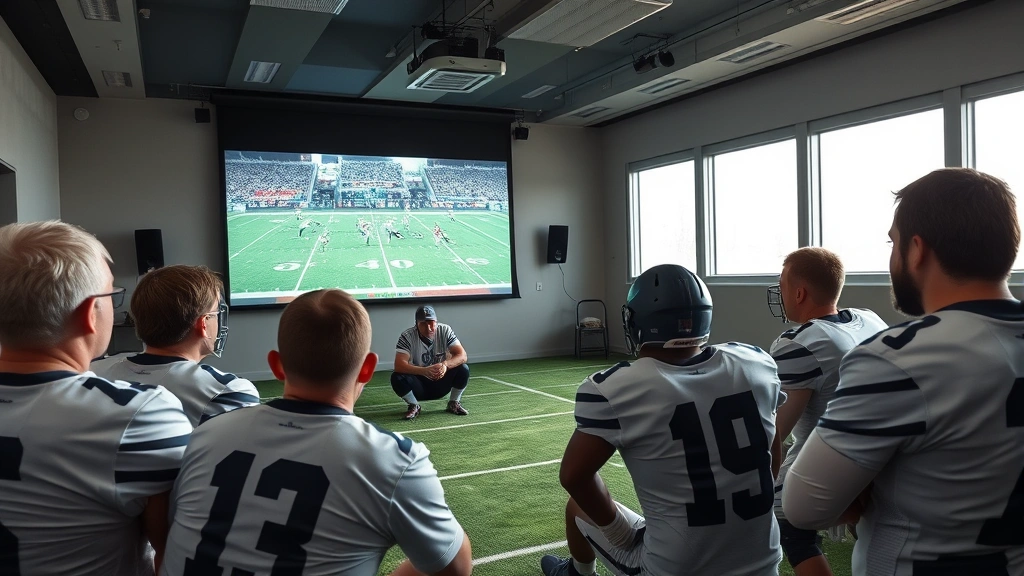
Film study constitutes a cornerstone of mental preparation. Athletes review game footage to understand opponent tendencies, recognize formations, and anticipate defensive or offensive adjustments. Coaches use film sessions not merely to identify mistakes but to develop pattern recognition abilities that enable athletes to make split-second decisions during games. This cognitive training transfers directly to on-field performance, enabling faster play diagnosis and more decisive execution.
Visualization training helps athletes mentally rehearse successful performances. Research from sports psychology demonstrates that vivid mental imagery activates similar neural pathways as actual physical practice, enhancing muscle memory and confidence. Northshore programs incorporate guided visualization sessions where athletes mentally execute plays, respond to game situations, and experience successful outcomes. This mental rehearsal reduces anxiety, increases confidence, and improves actual performance when athletes encounter those situations during competition.
Goal-setting frameworks provide psychological structure and motivation throughout the season. Coaches work with athletes to establish outcome goals (winning conference championships), performance goals (achieving specific statistical targets), and process goals (executing assignments with consistency). This hierarchical goal structure maintains focus on controllable factors while connecting individual efforts to team objectives. Regular goal review and adjustment keep athletes engaged and motivated throughout the demanding competitive season.
Nutrition and Recovery Optimization for Peak Performance
Champions at Northshore programs understand that training stimulus alone doesn’t produce improvement—adaptation occurs during recovery periods. Sophisticated nutrition and recovery strategies separate elite programs from average ones, enabling athletes to recover faster, reduce injury risk, and maintain performance consistency throughout the season.
Nutrition planning follows periodized principles aligned with training phases. During off-season strength building, athletes consume elevated protein intake (1.6-2.2 grams per kilogram of body weight) to support muscle protein synthesis. Carbohydrate intake supports training volume and glycogen repletion, while strategic fat consumption supports hormone production and nutrient absorption. Pre-season training demands increased overall energy intake and carbohydrate availability to fuel explosive training sessions. In-season nutrition emphasizes maintenance of body composition, immune function support, and rapid recovery between games and practices.
Hydration strategies receive meticulous attention in Northshore programs, particularly given the demands of outdoor training in various weather conditions. Athletes learn to drink according to sweat rate rather than thirst, typically consuming 400-800 milliliters of fluid per hour during intense activity. Sports beverages containing carbohydrates and electrolytes enhance absorption and provide energy, particularly during extended training sessions or back-to-back games during tournament play.
Sleep quality directly impacts recovery, immune function, and cognitive performance. Top Northshore programs educate athletes about sleep hygiene principles including consistent sleep schedules, dark sleeping environments, and pre-sleep routines that promote deep, restorative sleep. Research indicates that elite athletes require 8-10 hours of quality sleep nightly, with some athletes benefiting from strategic napping to accumulate sufficient recovery time during demanding training phases.
Active recovery strategies including light jogging, mobility work, and soft tissue manipulation enhance blood flow, reduce muscle soreness, and accelerate adaptation. Coaches structure recovery days with intention, ensuring athletes engage in genuinely restorative activities rather than additional high-intensity training. This strategic approach to recovery prevents overtraining, maintains motivation, and sustains performance throughout the competitive season.
Injury Prevention and Athlete Longevity Strategies
Preventing injuries represents a primary coaching responsibility, as injuries disrupt training continuity, compromise team performance, and potentially impact athletes’ long-term health and athletic futures. Northshore programs implement comprehensive injury prevention frameworks addressing modifiable risk factors including strength imbalances, movement dysfunction, and inadequate recovery.
Pre-participation screening identifies athletes with existing movement limitations, strength asymmetries, or structural vulnerabilities. These assessments inform individualized corrective exercise programs that address specific limitations before they manifest as injuries. Athletes with ankle mobility restrictions receive targeted stretching and strengthening protocols. Those demonstrating hip strength imbalances engage in targeted glute strengthening to prevent knee injuries. This proactive approach reduces injury incidence while improving overall movement quality.
Movement pattern assessment during practice identifies athletes performing exercises or drills with compensatory patterns that increase injury risk. Coaches and athletic trainers provide real-time feedback and corrective cues, teaching athletes to execute movements with optimal mechanics. This continuous coaching of movement quality prevents acute injuries and reduces cumulative microtrauma that contributes to overuse injuries.
Eccentric strength training specifically targets injury-prone tissues including hamstrings, anterior cruciate ligaments, and rotator cuff muscles. Eccentric training (lengthening contractions) produces greater strength gains and tissue adaptations than concentric training. Northshore programs incorporate eccentric hamstring exercises (Nordic curls), eccentric calf training, and eccentric shoulder work to build tissue resilience and reduce muscle strain injuries.
Return-to-play protocols ensure that injured athletes regain full functional capacity before resuming competition. Rather than relying solely on time-based recovery, progressive return-to-play frameworks require athletes to demonstrate adequate strength, power, and movement quality before advancing to sport-specific activities and ultimately full participation. This evidence-based approach reduces reinjury risk and maintains team performance throughout the season.
Technology and Performance Analytics in Modern Football Training
Contemporary Northshore football programs leverage advanced technology and analytics to optimize training, monitor athlete development, and enhance decision-making. From wearable devices tracking workload to video analysis software enabling detailed performance assessment, technology integrates throughout modern training programs.
GPS and accelerometer devices worn during practice and competition provide objective data regarding athlete movement patterns, sprint distances, and acceleration profiles. Coaches use this information to quantify training load, identify athletes approaching overtraining states, and ensure adequate recovery between high-intensity sessions. This data-driven approach prevents overtraining while optimizing training stimulus for continued adaptation.
Video analysis software enables detailed examination of technique, tactical execution, and performance patterns. Coaches capture practice and game footage, then systematically review performance to identify areas for improvement. Athletes gain visual feedback regarding their execution, accelerating learning and improving movement quality. This technology transforms subjective coaching into evidence-based instruction supported by visual documentation.
Heart rate variability (HRV) monitoring provides insights into autonomic nervous system status, indicating recovery state and readiness to train. Athletes with elevated HRV typically demonstrate superior recovery and readiness, while depressed HRV suggests overtraining or inadequate recovery. Sophisticated programs use HRV data to individualize training intensity and recovery recommendations, optimizing the balance between training stimulus and recovery.
Strength testing devices including force plates and dynamometers provide objective measurements of power development, strength gains, and neuromuscular function. Rather than relying on subjective assessments, coaches use quantitative data to track progress, identify strength imbalances, and prescribe targeted interventions. This scientific approach to strength assessment ensures training effectiveness and supports evidence-based program adjustments.
For deeper exploration of football training concepts, explore our College Football Predictions section, which discusses competitive trends at elite levels. Additionally, understanding how long is a football game informs training duration and conditioning protocols. Check out fascinating Football Trivia that highlights historical training evolution, and explore top 10 sports in the world to understand how football training compares globally.
Frequently Asked Questions About Northshore Football Training
What distinguishes elite Northshore football programs from average programs?
Elite programs implement systematic, science-backed training methodologies addressing strength development, position-specific skill training, mental preparation, and comprehensive recovery strategies. They employ experienced strength coaches, athletic trainers, and sports psychologists who collaborate to optimize every aspect of athlete development. Additionally, successful programs emphasize movement quality, injury prevention, and data-driven decision-making rather than relying solely on volume and intensity.
How much time should high school football athletes dedicate to strength training?
During off-season periods, athletes should engage in 3-4 structured strength training sessions weekly, each lasting 60-90 minutes including warm-up and cool-down. Pre-season training typically maintains similar frequency while shifting emphasis toward power development and sport-specific conditioning. In-season training reduces to 2 sessions weekly focusing on strength maintenance rather than progression. This structure provides sufficient stimulus for adaptation while allowing adequate recovery and practice time.
What nutrition strategies best support football athlete development?
Football athletes require adequate protein intake (1.6-2.2 grams per kilogram of body weight) to support muscle protein synthesis, sufficient carbohydrates to fuel training and competition, and strategic fat consumption to support hormone production. Hydration deserves particular attention, with athletes drinking according to sweat rate rather than thirst. Meal timing around training sessions optimizes recovery and adaptation. Consulting with sports dietitians helps athletes develop individualized nutrition plans aligned with training phases and performance goals.
How do elite programs prevent common football injuries?
Comprehensive injury prevention incorporates pre-participation screening identifying movement limitations and strength imbalances, corrective exercise programs addressing specific vulnerabilities, continuous coaching of movement quality during practice, eccentric strength training building tissue resilience, and progressive return-to-play protocols ensuring complete functional recovery. Additionally, adequate recovery including sleep, nutrition, and active recovery techniques reduces injury incidence significantly.
What role does mental preparation play in football success?
Mental preparation significantly impacts performance, enabling athletes to execute under pressure, respond effectively to unexpected situations, and maintain focus throughout demanding competitions. Film study develops pattern recognition and decision-making capabilities, visualization training enhances confidence and muscle memory, and goal-setting frameworks maintain motivation and provide psychological structure. Successful Northshore programs dedicate substantial time to mental skills training alongside physical development.
How should athletes balance training intensity with recovery?
Athletes should follow periodized training structures that vary intensity throughout the year, incorporate designated recovery days featuring active recovery rather than additional high-intensity work, prioritize sleep quality with 8-10 hours nightly, and implement proper nutrition and hydration strategies. Wearable technology monitoring heart rate variability and training load helps coaches individualize recovery recommendations. This balanced approach prevents overtraining while optimizing long-term adaptation and performance.


