Northeast Football Drills: Coach Insights for Competitive Excellence
The Northeast region has produced some of America’s most competitive football programs, from prestigious college teams to elite high school squads. Success in this demanding region requires more than raw talent—it demands precision, discipline, and scientifically-designed drills that build both physical and mental resilience. Northeast football coaches have refined their training methodologies over decades, creating a distinctive approach that emphasizes technical mastery, situational awareness, and year-round conditioning.
Whether you’re coaching at the collegiate level, leading a high school program, or developing youth athletes, understanding the specific drill philosophies that have made Northeast football programs dominant is essential. This comprehensive guide reveals the exact coaching strategies, drill progressions, and training principles that separate championship-caliber teams from the rest of the field.
Core Northeast Football Drill Philosophy
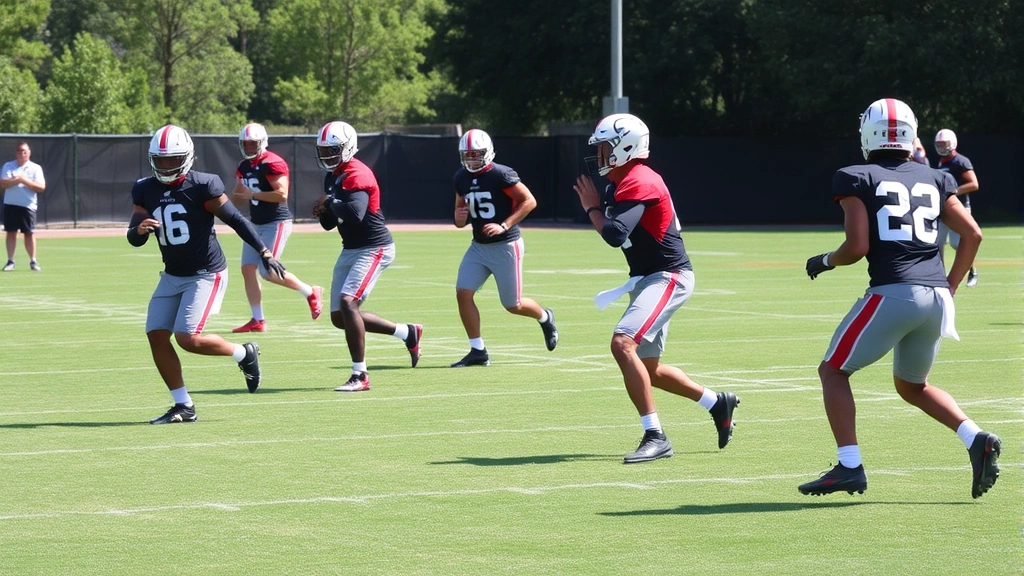
Northeast football programs operate on a foundational principle: repetition breeds reliability. Coaches in this region understand that game-winning plays aren’t invented during competition—they’re perfected through thousands of repetitions in practice. The philosophy emphasizes progressive complexity, where athletes master fundamental movements before advancing to game-speed scenarios.
This approach is grounded in exercise science principles from the American College of Sports Medicine, which demonstrates that skill acquisition requires distributed practice with immediate feedback. Northeast coaches structure their practice sessions with clear progression ladders: individual technique work, position-group drills, unit integration, and full-team simulations.
The regional culture also prioritizes what coaches call “mental football”—the ability to process information rapidly and execute decisions under pressure. This isn’t addressed through lectures; it’s embedded into every drill through live competition, scorekeeping, and consequence-based repetitions. When players know their performance is being measured and compared, they elevate their intensity and focus naturally.
Check out our latest football insights on Peak Play Arena Blog for current coaching trends and analysis from Northeast programs.
Essential Offensive Line Drills
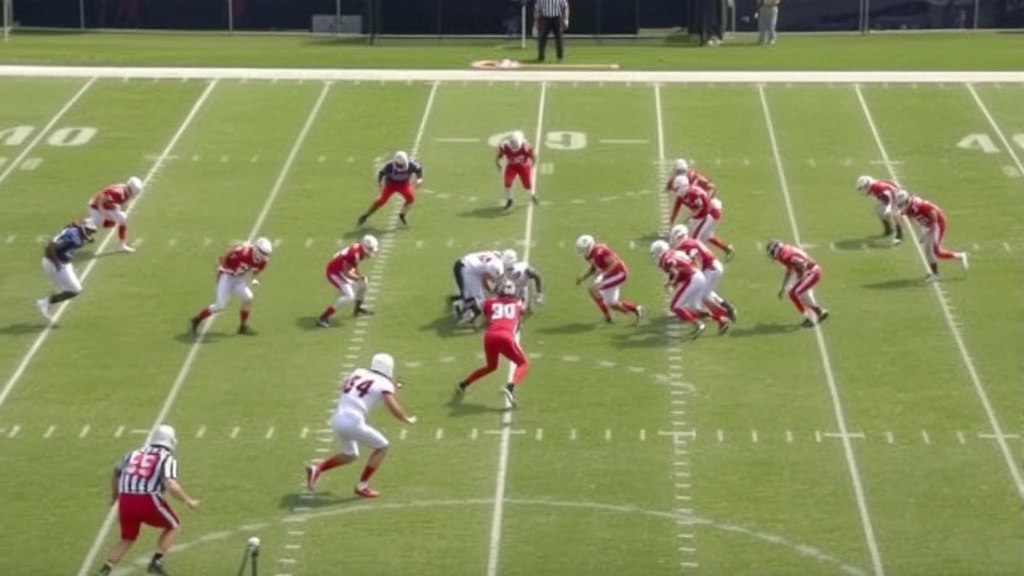
The offensive line is the foundation of any successful Northeast football program. These drills are non-negotiable components of daily practice:
- One-on-One Pass Protection Series: Guards and tackles work against defensive linemen in confined spaces, emphasizing hand placement, pad level, and hip positioning. Coaches film every rep and grade them on a 0-4 scale, creating accountability and competition.
- Sled Push Progressions: Rather than simple push-and-hold drills, Northeast coaches implement dynamic sled work with directional changes, mimicking actual blocking angles. Athletes perform 6-8 sets of 15-20 yard pushes with 90-second recovery periods.
- Trap and Pull Combinations: Linemen perform trap blocks and pulling assignments against live defenders in 3v3 scenarios. The drill emphasizes footwork timing and lateral movement, with coaches demanding explosive first steps on every repetition.
- Gap Recognition and Assignment Drills: Before blocking anyone, linemen must identify their gap responsibility. Northeast coaches use film study combined with pre-snap recognition drills where linemen call out defensive alignments and their blocking assignments at 75% speed, then 100% speed.
Research from the National Strength and Conditioning Association confirms that sport-specific strength training integrated with technical work produces superior results compared to strength training alone. Northeast offensive line coaches embed resistance training directly into their drill structure, using weighted vests, chains, and sled attachments to increase load while maintaining movement quality.
The Combo Block Drill deserves special attention. Two offensive linemen work together to block two defensive linemen, with the emphasis on communication, timing, and maintaining blocks through contact. Northeast coaches run this drill for 20-30 repetitions per practice session, rotating through different linemen combinations to build chemistry. The scoring system rewards sustained blocks and movement to the second level, not just initial contact.
When preparing for college football matchups, understanding opponent defensive line tendencies becomes crucial, and this directly informs which offensive line drills receive emphasis in the week before competition.
Defensive Fundamentals and Gap Control
Northeast defensive coaches have developed a reputation for discipline and assignment football. Their drill progressions build gap integrity as the cornerstone of defensive success:
- Stance and Start Drills: Defensive linemen perform explosive first-step drills from various stances, focusing on firing off the ball with proper pad level. Coaches measure these with electronic timing gates, establishing baseline metrics and tracking improvement weekly.
- Gap Penetration Progressions: Starting against air, then bags, then scout-team linemen, defenders learn to attack specific gaps with violence and control. Each repetition requires proper hand usage, hip position maintenance, and lateral pursuit angles.
- Shed and Escape Techniques: Once engaged with a blocker, defenders must shed the block and pursue the ball carrier. Northeast coaches use one-on-one scenarios where linemen practice escaping blocks from different angles, with emphasis on maintaining gap responsibility while pursuing.
- Team Gap Control Drill: The entire defensive line works together against offensive linemen, with coaches emphasizing communication, gap assignments, and penetration timing. This drill is filmed and graded individually and as a unit.
Linebacker drills in Northeast programs focus heavily on pattern recognition and decision-making speed. Linebackers perform film study before practice, learning opponent offensive tendencies. Then they execute drills where they read keys, trigger downhill, and execute assignments at increasing speeds. The progression typically moves from 50% speed (learning), to 75% speed (refining), to 100% speed (competing).
Defensive backs in Northeast programs run specialized coverage drills that emphasize hip position, eye discipline, and ball skills. These athletes perform repetitive drills where they work on backpedaling mechanics, opening hips at the right moment, and transitioning to the ball with optimal body positioning.
Secondary Coverage Drills
The secondary is where many games are won or lost, and Northeast coaches have developed comprehensive drill progressions:
- Mirror Drills: Cornerbacks work against wide receivers in man-to-man scenarios, focusing on staying attached to their receiver while maintaining vision of the quarterback. The emphasis is on smooth transitions and body positioning that doesn’t draw penalties.
- Backpedal and Transition Mechanics: Defensive backs perform repetitive backpedal drills with specific coaching cues on foot placement, arm action, and hip opening. Once they reach a certain depth, they transition to forward movement, practicing the critical moment where many breakdowns occur.
- Two-High Safety Coverage Reads: Safeties work on reading offensive formations and identifying coverage responsibilities. Northeast coaches use film-based pre-practice preparation combined with live drill execution, ensuring safeties understand split responsibility and rotation timing.
- Interception Ball Skills Drills: Defensive backs perform high-point catches, tracking the ball in flight, and securing possession. These drills emphasize hand positioning, concentration, and competitive intensity. Coaches often score these drills, tracking interception rates per player per season.
Research from sports injury prevention literature shows that secondary players who perform dynamic warmup and mobility work before coverage drills reduce injury rates significantly. Northeast programs implement 10-15 minute dynamic warmup sequences before secondary work, focusing on hip mobility, ankle stability, and shoulder flexibility.
Conditioning and Strength Integration
Northeast football programs don’t separate conditioning from skill development. Instead, they integrate conditioning principles directly into drill design. This approach aligns with NSCA research on sport-specific conditioning, which demonstrates superior results when conditioning mimics sport demands.
Position-Specific Conditioning Drills:
- Linemen: Perform explosive push-sled work combined with lateral movement drills, replicating the repetitive contact and directional changes of game situations. Work intervals typically range from 20-40 seconds with 60-90 second recovery periods.
- Linebackers: Execute shuttle drills, cone weaving, and directional changes at high intensity, simulating the pursuit angles and lateral movement required in games. These athletes perform 6-8 repetitions of 30-40 yard movements with competitive scoring.
- Defensive Backs: Run plant-and-cut drills, backpedal transitions, and sprint patterns that replicate coverage responsibilities. Northeast coaches use interval training principles, with work periods of 15-30 seconds followed by 45-60 second recovery, allowing for high-quality movement execution.
- Skill Position Athletes: Receivers and running backs perform route tree drills combined with conditioning work, ensuring they maintain movement quality when fatigued—a critical game-winning factor.
The strength and conditioning component is non-negotiable in Northeast programs. Athletes perform lower-body strength work (squats, deadlifts, lunges), upper-body pressing and pulling movements, and core stability exercises. However, this work is carefully timed to avoid interference with skill development. Most Northeast programs schedule strength training in the morning, with skill/drill work in afternoon sessions, allowing adequate recovery between intense efforts.
Understanding football game length and its physical demands helps coaches structure conditioning appropriately, as players must maintain performance quality through four quarters of intense activity.
Situational Football Training
Northeast coaches dedicate specific practice time to situational football—the scenarios that decide games. These drills are high-pressure, competitive situations where the outcome matters:
- Red Zone Scenarios: Teams practice offensive and defensive assignments when the ball is between the 20-yard lines. The emphasis shifts toward tight coverage, efficient blocking, and decision-making speed in confined spaces.
- Goal Line Situations: Within the 5-yard line, specific packages are installed and drilled repeatedly. Northeast coaches often give the offense limited plays and force them to execute with precision, while defenses learn to defend the most likely scenarios.
- Two-Minute Drill Scenarios: Offense practices managing the clock, executing quick-hitting plays, and converting in time-pressure situations. Defense practices preventing the big play while managing clock and timeouts.
- Third-Down Conversion Drills: Both offense and defense focus on the critical third-down situation. Offenses practice their third-down packages (quick game, screens, intermediate routes), while defenses practice coverage adjustments and pressure packages.
- Turnover Situations: Teams practice scenarios where they’re trailing late in the game, requiring aggressive decision-making and risk-taking. The emphasis is on execution under pressure and mental toughness.
These situational drills aren’t abstract exercises—they’re filmed, graded, and used to evaluate player performance. Northeast coaches track conversion rates, sack rates, and turnover rates in these situations, using data to inform game planning and personnel decisions.
Technology and Analytics in Practice
Modern Northeast football programs leverage technology to enhance drill effectiveness. Current sports science standards emphasize data-driven coaching, and Northeast programs are at the forefront of this movement:
- Film Analysis Systems: Coaches use tablet-based systems to review drills immediately after execution, providing instant feedback to players. This accelerates learning and maintains focus on the specific coaching point.
- Wearable Technology: GPS and accelerometer data track player movement patterns during drills, measuring distance covered, acceleration/deceleration rates, and movement efficiency. This data informs conditioning adjustments and injury prevention strategies.
- Biometric Monitoring: Heart rate variability, sleep quality, and recovery metrics help coaches understand player readiness. Athletes performing poorly in drills might be flagged for additional recovery, preventing overtraining and injury.
- Performance Tracking Systems: Automated systems track drill performance metrics—completion percentages, time to decision, movement efficiency—creating objective performance records for evaluation and motivation.
These technological tools enhance the Northeast coaching philosophy by providing objective data that supplements coaching observation. Rather than replacing coach evaluation, technology provides additional information for decision-making.
For insights into how these training methodologies translate to competitive outcomes, check out college football predictions that account for team preparation quality.
FAQ
What makes Northeast football drills different from other regions?
Northeast football emphasizes technical mastery, assignment football, and mental toughness. The region’s drill philosophy prioritizes repetition for reliability, progressive complexity, and data-driven feedback. This approach has produced consistent competitive success across multiple levels of play.
How often should teams perform offensive line drills?
Northeast programs dedicate 15-20 minutes of daily practice to offensive line-specific drills, with additional time during strength and conditioning sessions. The key is consistent, high-quality repetitions rather than sporadic intense sessions.
What’s the ideal progression for defensive line development?
Start with stance and start drills against air, progress to bag drills, then one-on-one matchups against offensive linemen, and finally team gap control drills. This progression builds foundation skills before introducing game-speed complexity.
How do Northeast coaches balance skill drills with conditioning?
Rather than separating conditioning from skill work, Northeast programs integrate conditioning principles into drill design. Position-specific drills replicate game movement patterns while building the conditioning demands required for sustained performance.
What role does film study play in Northeast football practice?
Film study is foundational. Players prepare mentally before practice by studying opponent tendencies and their individual assignments. This preparation allows practice time to focus on execution and competitive repetitions rather than explanation and learning.
How important is individual grading in Northeast football programs?
Individual grading is critical. Every rep is filmed and graded on a 0-4 scale, creating accountability and competitive motivation. This data informs coaching adjustments, personnel decisions, and player development priorities.
What’s the significance of situational football in Northeast training?
Situational drills prepare teams for high-pressure moments that decide games. By practicing these scenarios repeatedly with competitive scoring, athletes develop confidence and decision-making speed for actual game situations.


