How Long Do College Football Games Last? Expert Insights on Game Duration
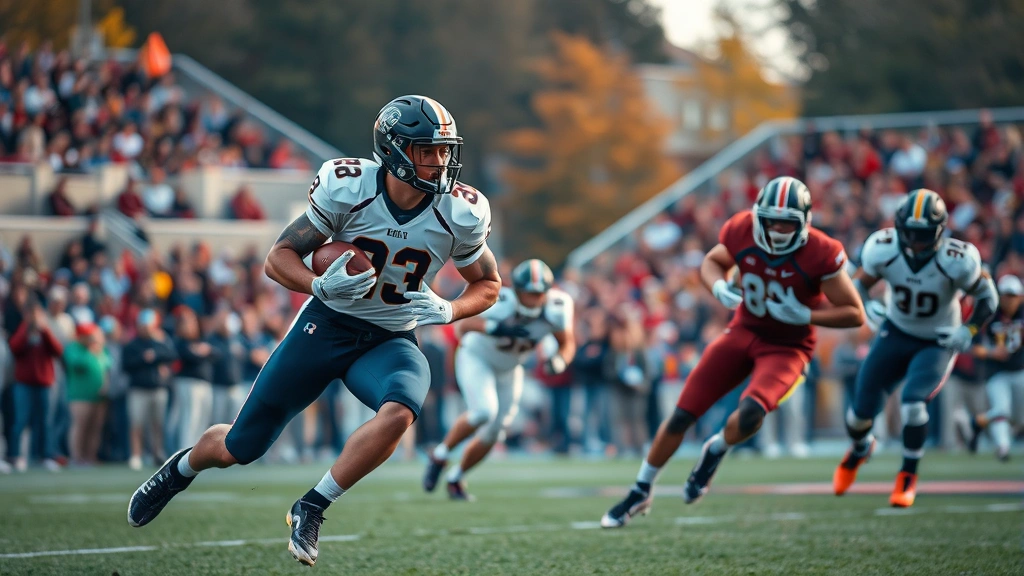
College football games are a cornerstone of American sports culture, drawing millions of viewers each season. But if you’re planning to attend a game or settle in for a full broadcast, you might wonder: how long do college football games last? The answer isn’t as straightforward as it seems. While the official game time is 60 minutes divided into four 15-minute quarters, the actual elapsed time from kickoff to final whistle typically ranges from 3 to 4 hours, with some games extending well beyond that.
Understanding the factors that influence game length is essential for fans, coaches, and athletes alike. Whether you’re a devoted supporter planning your Saturday schedule or a fitness enthusiast looking to optimize your viewing time around your workout routine, this comprehensive guide breaks down everything you need to know about college football game duration. From commercial breaks to injury timeouts and replay reviews, we’ll explore the elements that transform 60 minutes of gameplay into a multi-hour event.
Official Game Time vs. Actual Duration
The fundamental distinction between official game time and actual game duration is crucial to understanding how long college football games truly last. According to NCAA regulations, each quarter consists of 15 minutes of actual playing time. This means the official game duration is exactly 60 minutes—four quarters of 15 minutes each. However, this clock only runs during active play, not during stoppages.
The clock stops for numerous reasons throughout the game: incomplete passes, players running out of bounds, timeouts, penalties, injuries, and reviews. This is where the significant discrepancy emerges between the scoreboard time and real-world elapsed time. A typical college football game that shows 60 minutes of official time will occupy approximately 3 to 3.5 hours of actual time. Premium matchups, rivalry games, and nationally televised contests frequently exceed 4 hours, occasionally stretching to 4.5 hours or more.
The American College of Sports Medicine has noted that the extended duration of modern sports broadcasts affects viewer engagement and athletic recovery schedules. For college athletes, the extended game day experience impacts their training recovery windows and nutritional timing strategies, making understanding game length important for performance optimization.
Commercial Breaks and Broadcasting Impact
One of the most significant contributors to extended college football game durations is the integration of commercial breaks. Television networks broadcasting college football games schedule multiple commercial breaks throughout each quarter, with increased frequency during critical game moments. A typical college football broadcast includes approximately 40-50 minutes of commercial content spread across the game.
The Peak Play Arena Blog has extensively covered how broadcasting decisions influence game pacing. Networks strategically place commercials after touchdowns, field goals, and turnovers—moments when play naturally stops. However, they also insert breaks during crucial moments, which can disrupt momentum and extend the overall game experience.
Major networks like ESPN, ABC, and Fox have implemented various commercial strategies for college football predictions broadcasts. Some games feature “reduced commercial load” in promotional materials, but these still include substantial advertising. The NCAA has faced ongoing pressure to reduce commercial interruptions, balancing revenue generation with viewer experience and player safety during extended stoppages.
For fans planning to watch a game, allocating 3.5 to 4 hours ensures you won’t miss crucial moments or be caught off-guard by extended broadcast durations. This is particularly relevant for those coordinating high school football scores tracking and other sports viewing around college games.
Timeouts and Strategic Stoppages
Each team receives three timeouts per half in college football, totaling six timeouts throughout a game. Coaches strategically deploy these timeouts to stop the clock, draw up plays, or prevent unfavorable situations. Each timeout lasts 60 seconds, but the actual elapsed time including team huddles and player positioning can extend to 90 seconds or more per timeout.
With six timeouts per game, plus television timeouts (additional stoppages for commercials), the cumulative timeout duration can easily add 15-20 minutes to total game length. Teams trailing in score are more likely to use timeouts aggressively, particularly in the final moments of each half and the game itself. This strategic usage means close, competitive games—particularly rivalry matchups—will run significantly longer than blowout victories.
The fantasy football rankings community closely monitors game pacing and timeout usage, as these factors directly impact player performance statistics and game outcomes. Extended timeout sequences can affect player conditioning, momentum, and performance in crucial moments.
Injury Timeouts and Medical Attention
When a player sustains an injury, the clock stops and medical personnel enter the field to assess and treat the injury. These stoppages can range from 30 seconds for minor issues to 5-10 minutes for serious injuries requiring stretcher removal or extended evaluation. College football games with multiple injuries will accumulate significant additional time.
The NCAA prioritizes player health and safety, mandating proper injury assessment protocols. Concussion evaluations, for instance, require thorough testing before players can return, potentially extending injury timeouts considerably. These medical stoppages are essential and non-negotiable, regardless of their impact on game duration.
Physically demanding games—particularly those played in extreme heat or on poor field conditions—often see increased injury rates and longer cumulative injury timeout durations. Early-season games in warm climates frequently exceed typical game length due to heat-related issues and increased injury frequency.
Replay Reviews and Challenges
Modern college football incorporates instant replay review to ensure accurate officiating on critical plays. Coaches can challenge certain plays, and officials can initiate reviews of turnovers, scoring plays, and other pivotal moments. Each replay review typically lasts 2-5 minutes, depending on the complexity of the play and the number of angles reviewed.
A single college football game might include 3-8 replay reviews, adding 10-40 minutes of cumulative review time. Controversial plays, close calls, and games with multiple turnovers accumulate more review time. The 2023 college football season saw increased emphasis on replay accuracy, resulting in longer review durations as officials meticulously examined critical plays.
The integration of replay technology, while improving accuracy, has become a significant factor in extended game durations. Some analysts and fans argue this impacts game flow and viewer engagement, though the accuracy improvements are widely considered worthwhile.
Halftime Duration
Halftime in college football typically lasts 20 minutes of official clock time, but the actual elapsed time is considerably longer. Teams use halftime to regroup, adjust strategies, address injuries, and prepare for the second half. For players, halftime involves hydration, nutrition, equipment adjustments, and brief rest periods—all critical for maintaining performance during the game’s final half.
Nationally televised games often feature extended halftime entertainment, including marching bands, celebrity performances, and special presentations. These broadcasts can extend halftime to 25-30 minutes of actual elapsed time. Major rivalry games and bowl games frequently feature elaborate halftime shows extending beyond standard durations.
The halftime period is crucial for athletic recovery. Sports science research indicates that proper hydration and carbohydrate intake during halftime significantly impacts second-half performance. Players typically consume 200-300 calories of easily digestible carbohydrates and 16-24 ounces of fluid during halftime to maintain energy levels and performance capacity.
Factors That Extend Game Length
Competitive Game Flow: Close games with frequent lead changes tend to run longer than blowouts. Teams trailing in score use more timeouts and strategic stoppages, extending total duration. High-scoring games with more touchdowns and field goals mean more stoppages for celebrations and kickoffs.
Penalty Flags: Games with excessive penalties accumulate additional time for penalty announcements, explanations, and official discussions. Particularly penalizing games—those with 15+ combined penalties—can add 20+ minutes to total duration through penalty-related stoppages.
Weather Conditions: Lightning delays, heavy rain, or extreme heat can cause extended stoppages. Weather-related delays range from 15 minutes to multiple hours in severe cases, significantly impacting total game duration and player safety considerations.
Turnover Frequency: Games with multiple turnovers require additional clock stoppages for change-of-possession procedures, play reviews, and official positioning. High-turnover games can extend by 10-15 minutes compared to low-turnover contests.
Crowd Noise and Communication Delays: In stadiums with extremely loud crowds, teams may require additional time to communicate plays and adjust positioning. This is particularly evident in rivalry games and high-capacity venues where crowd noise creates communication challenges.
Regional Variations and Conference Differences
Different conferences and regions exhibit slight variations in average game duration. College Football Playoff games and major conference matchups tend to run longer due to increased television coverage, replay reviews, and commercial integration. Conference USA and mid-tier conference games occasionally run slightly shorter, though the variance is typically minimal—usually 10-15 minutes difference.
Early morning games often run slightly shorter than evening broadcasts, partly due to reduced commercial load and fewer pregame ceremonies. Night games, particularly under the lights in major stadiums, tend toward longer durations due to increased television focus and entertainment integration.
The NFL Thursday Night Football model has influenced some college football broadcasting decisions, with networks experimenting with different commercial and timeout structures. However, college football maintains distinct characteristics that influence game pacing differently than professional football.
Tips for Managing Long Game Days
Plan Your Schedule Accordingly: When attending or watching a college football game, allocate 4 hours minimum to your schedule. This ensures you won’t feel rushed or miss important moments. For critical matchups or rivalry games, consider 4.5 hours to account for extended durations.
Optimize Your Viewing Experience: If watching from home, prepare snacks, beverages, and comfortable seating before kickoff. Extended sitting during a 4-hour game requires proper support and hydration to maintain comfort. Consider this when planning your fitness routine around game day viewing.
Nutrition and Hydration Strategy: Similar to athletes competing, viewers should maintain proper hydration throughout extended broadcasts. Avoid excessive caffeine or sugary beverages that cause energy crashes during the second half. Instead, opt for water, electrolyte beverages, and sustained-energy snacks like nuts or whole grains.
Physical Activity Integration: During commercial breaks and timeouts, take brief walks or perform light stretching. Sitting for 3-4 hours consecutively can impact circulation and muscle engagement. Brief activity bursts during natural game stoppages maintain physical engagement and circulation without disrupting your viewing experience.
Stadium Attendance Preparation: If attending in person, wear comfortable shoes suitable for extended standing or sitting. Bring sunscreen, a hat, and weather-appropriate clothing. Stadium environments, particularly in outdoor venues, require special preparation for 4+ hour durations. Consider your fitness level and any mobility limitations when planning stadium attendance.
Recovery and Sleep Considerations: Late-night college football games can impact your sleep schedule and recovery. If attending evening games, plan your post-game recovery accordingly. Ensure adequate sleep the following night to support athletic recovery if you’re an active individual managing both sports viewing and fitness training.

The Evolution of Game Length in College Football
Game duration has steadily increased over the past two decades. In the early 2000s, average college football games lasted approximately 2 hours and 50 minutes. By the 2020s, that figure has extended to 3 hours and 20-30 minutes on average, with premium broadcasts often exceeding 4 hours. This trend reflects increased commercialization, expanded replay review protocols, and strategic timeout usage in modern college football.
The NCAA has periodically discussed implementing rules to reduce game length without compromising safety or entertainment value. Proposals have included reducing timeout duration, limiting replay review scope, and adjusting commercial break frequency. However, balancing revenue generation from broadcasters with viewer experience and game pacing remains challenging.
Research from JSTOR academic databases examining sports broadcast evolution indicates that extended game durations can actually increase viewer engagement metrics, contrary to some expectations. However, this comes with tradeoffs regarding player fatigue and injury risk during extended game situations.
Comparing College Football Game Length to Other Sports
College football games (3-4 hours) run longer than most college basketball games (2-2.5 hours) but shorter than baseball games (3-3.5 hours for college, 3-4 hours for professional). Professional NFL games average 3 hours and 12 minutes, slightly longer than typical college games but comparable in duration.
The extended duration of football compared to basketball reflects the sport’s structure: frequent stoppages, commercial integration, and strategic timeout usage. College football’s duration particularly impacts athlete recovery and conditioning, making proper sports betting odds explained analysis crucial for understanding game flow and performance factors.
For fitness enthusiasts managing multiple sports viewing interests, understanding these duration differences helps optimize your weekly schedule. College football’s extended commitment should factor into your training and recovery planning, particularly during the fall season when multiple games occur simultaneously.
FAQ
What is the shortest possible college football game duration?
The shortest possible college football game, running exclusively on official clock time without stoppages, would be 60 minutes. However, this is virtually impossible in modern college football due to mandatory stoppages for commercials, timeouts, and reviews. In practice, the shortest games last approximately 2 hours and 45 minutes, typically occurring in non-televised or lightly-covered games with minimal delays.
Can college football games go into overtime, and how does that affect duration?
Yes, college football games can go into overtime. College football overtime rules allow both teams to possess the ball at least once, with the game continuing until one team scores more points than the other in an overtime period. Each overtime period adds 15-20 minutes to total game duration. Games with multiple overtimes can extend well beyond 4.5 hours, with some legendary matchups exceeding 5 hours.
Are there differences in game length between regular season and bowl games?
Bowl games, particularly major bowl games and championship contests, often run longer than regular season games. These high-profile matchups feature extended halftime entertainment, increased commercial load, and more replay reviews. Bowl games frequently exceed 4 hours, with some major bowl contests approaching 4.5 hours or longer.
How does weather impact college football game duration?
Severe weather can significantly extend game duration. Lightning delays can pause games for 30 minutes to several hours, depending on safety protocols. Heavy rain, extreme heat, or other adverse conditions may necessitate additional injury timeouts and medical attention, extending total game length by 30 minutes to over an hour in severe cases.
What’s the longest college football game ever played?
The longest college football game in history occurred between Texas Tech and Oklahoma in 2012, which went to seven overtimes and lasted approximately 5 hours and 48 minutes of actual elapsed time. This game set records for both official playing time and total duration, representing an extreme outlier in modern college football.
Do college football games run longer than NFL games?
College football and NFL games are comparable in duration, both averaging 3-3.5 hours. However, NFL games sometimes run slightly longer due to professional-level commercial integration and replay review protocols. The variance between college and professional games is typically minimal—usually within 10-15 minutes.
How can I prepare for attending a 4-hour college football game?
Attend to comfort by wearing appropriate clothing for weather conditions, bringing sunscreen and hydration supplies, and wearing comfortable shoes. Plan your nutrition strategy with light snacks and sustained-hydration beverages. Arrive early to acclimate to the stadium environment. If you have mobility limitations, consider accessible seating options. Ensure adequate post-game recovery and sleep, particularly if it’s an evening game.
Do television timeouts significantly impact game duration?
Yes, television timeouts are a major contributor to extended game duration. Networks schedule automatic timeouts for commercial breaks, occurring multiple times per quarter. Combined with team timeouts and official timeouts, these stoppages accumulate 30-50 minutes across a typical game, making them one of the largest factors in the discrepancy between official game time and actual elapsed time.


