
Is Strength Training for Women Effective? Expert Insight
The question of whether strength training works for women has been answered definitively by decades of scientific research: yes, absolutely. Yet myths persist. Women often hesitate to lift weights, fearing they’ll become bulky or that strength training isn’t designed for their bodies. These misconceptions couldn’t be further from the truth. Strength training for women is not only effective—it’s transformative. From building lean muscle and increasing bone density to improving metabolic health and enhancing athletic performance, resistance training delivers measurable results that rival any fitness intervention available today.
Whether you’re an athlete looking to dominate your sport, a fitness enthusiast seeking sustainable results, or someone pursuing better health and longevity, strength training is a non-negotiable component of an optimal training program. This comprehensive guide explores the science behind female strength training, debunks persistent myths, and provides expert-backed strategies to maximize your results. We’ll examine how women’s bodies respond to resistance training, what the research actually shows, and how to structure your program for maximum effectiveness.
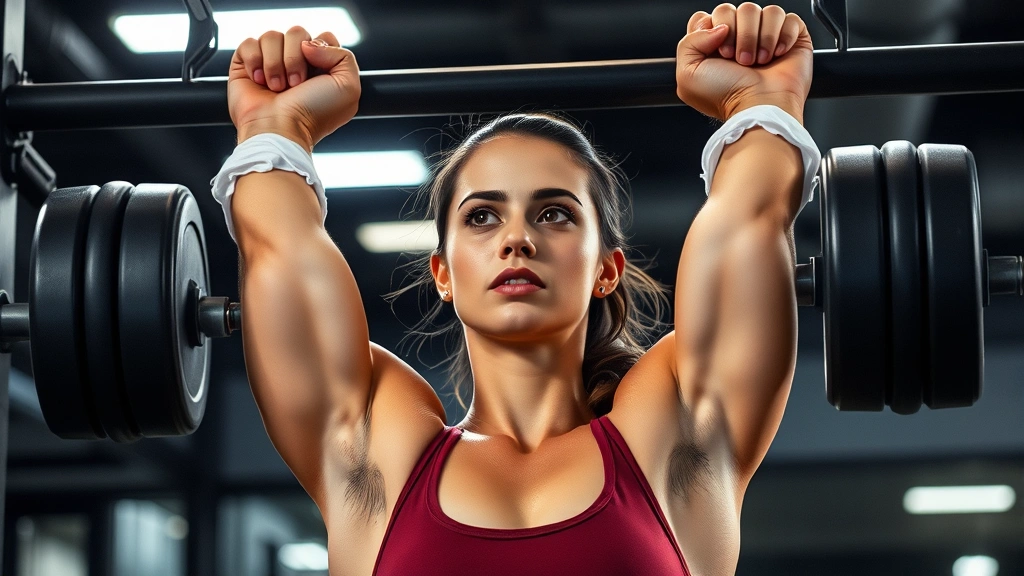
The Science of Female Strength Training
Research from the American College of Sports Medicine (ACSM) consistently demonstrates that women experience significant strength gains through progressive resistance training. Studies show that women can increase their maximal strength by 20-40% over 8-12 weeks of structured training—comparable to men when accounting for baseline differences. The mechanism is straightforward: resistance training creates microtrauma in muscle fibers, triggering adaptive responses that build strength and muscle tissue.
What makes this particularly exciting is that women often start from a lower baseline of strength, meaning their potential for relative improvement is enormous. A woman who can barely perform a bodyweight squat might double her strength within months. This isn’t just psychological—it’s neurological and muscular adaptation happening simultaneously. Your nervous system becomes more efficient at recruiting muscle fibers, while the muscle tissue itself becomes denser and more powerful.
The key distinction is understanding that strength training effectiveness isn’t gender-dependent—it’s stimulus-dependent. When you apply progressive overload (gradually increasing weight, reps, or difficulty), your body adapts. This principle applies universally. Women who follow evidence-based strength programs experience the same adaptations as men, just with some physiological nuances worth understanding.
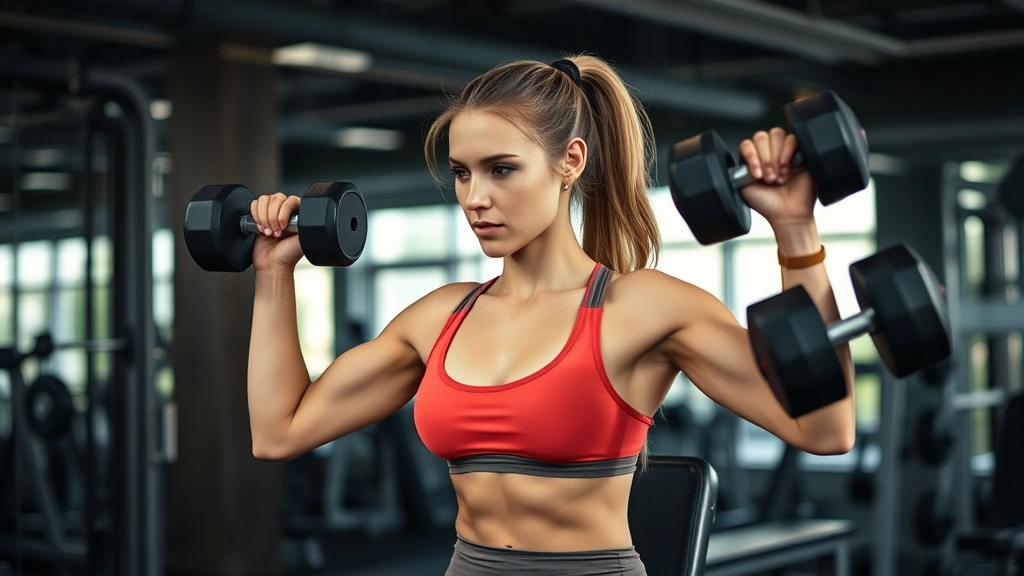
Hormonal Response and Muscle Development
A fundamental question women ask: why don’t we build muscle as easily as men? The answer lies primarily in testosterone. Women produce 15-20 times less testosterone than men, and this hormone plays a crucial role in muscle protein synthesis. However—and this is critical—women still produce enough testosterone to build substantial muscle mass. Female athletes routinely develop impressive physiques through strength training.
Estrogen, the primary female hormone, actually provides advantages in recovery and injury prevention. Research shows that women may recover faster between training sessions and experience fewer overuse injuries when training volume is properly managed. Additionally, women tend to have better relative flexibility and often excel in movements requiring precision and control.
The hormonal reality means that building muscle as a woman requires consistency and patience, but the results are absolutely achievable. Progressive strength training combined with adequate protein intake (0.7-1.0 grams per pound of bodyweight daily) and sufficient calories creates the environment for muscle growth. Women who commit to this approach consistently achieve visible muscle development within 12-16 weeks.
Another hormonal consideration: strength training actually optimizes hormonal health. Regular resistance training improves insulin sensitivity, enhances thyroid function, and promotes healthy cortisol regulation. These adaptations support fat loss, energy levels, and overall metabolic health—benefits that extend far beyond muscle building.
Debunking the Bulkiness Myth
The most persistent myth in female fitness is that strength training causes excessive bulk. This misconception stems from misunderstanding how muscle development works. Building noticeable muscle requires: progressive resistance training, adequate protein intake, sufficient calories, consistency over months, and often, genetic predisposition toward muscle development.
Most women pursuing general fitness goals will experience what researchers call “toning”—increases in muscle definition and firmness without substantial size gains. This happens because women are building muscle while simultaneously losing fat (especially when combining training with appropriate nutrition). The visual result is more definition, better shape, and improved muscle tone—not bulk.
For women seeking to maximize muscle development, the process is still gradual. A woman might gain 5-10 pounds of muscle tissue over a year of dedicated training—hardly the dramatic transformation people fear. Elite female athletes who appear significantly muscular have typically trained intensively for years while prioritizing muscle gain through nutrition and programming.
The bottom line: you control your physique through training selection, volume, and nutrition. Want definition without size? Prioritize moderate weights, higher reps, and slight caloric deficits. Want to build muscle? Use heavier weights, lower reps, and eat in a caloric surplus. The choice is entirely yours, and strength training provides the tool to achieve either goal.
Performance Benefits Beyond Aesthetics
While aesthetic improvements motivate many women to start strength training, the performance benefits often become the reason they continue. Strength training improves every measurable aspect of physical performance. Whether you’re an athlete, recreational exerciser, or pursuing athletic excellence, resistance training provides competitive advantages.
For athletes, strength training reduces injury risk dramatically. Studies show that female athletes who incorporate structured strength programs experience 50% fewer injuries than those who don’t. This happens because stronger muscles, tendons, and connective tissue better stabilize joints and absorb force. Additionally, strength training improves power output, acceleration, and agility—critical components of athletic performance.
Beyond sport-specific benefits, strength training enhances functional fitness. You develop the capacity to lift heavy objects, climb stairs without fatigue, play with children or grandchildren, and maintain independence throughout life. These practical benefits compound over time, making strength training one of the most valuable investments in long-term quality of life.
Mental health improvements represent another crucial benefit. Strength training boosts confidence, reduces anxiety and depression, improves sleep quality, and enhances cognitive function. Women consistently report that gaining strength profoundly impacts their self-image and mental resilience. The psychological benefits often match or exceed the physical benefits.
Bone Health and Longevity
One of strength training’s most underappreciated benefits for women is bone health optimization. Women face elevated osteoporosis risk, particularly post-menopause when estrogen levels decline. Strength training is one of the most effective interventions for building and maintaining bone mineral density.
Resistance training creates mechanical stress on bones, stimulating osteoblasts (bone-building cells) to increase bone density. Research demonstrates that women who engage in regular strength training have significantly higher bone mineral density than sedentary counterparts. This protection becomes increasingly valuable as you age, reducing fracture risk and maintaining independence.
The longevity benefits extend beyond bone health. Strength training improves cardiovascular health, metabolic function, blood sugar regulation, and inflammatory markers. Women who maintain strength throughout life experience better health outcomes, greater independence, and improved quality of life in later years. This makes strength training not just effective—it’s essential for longevity.
Programming Principles for Women
Effective strength training for women follows the same fundamental principles as men, but programming nuances optimize results. Here are evidence-based strategies:
- Progressive Overload: Gradually increase weight, reps, or difficulty. This consistent challenge drives adaptation. Aim to improve performance every 1-2 weeks through increased weight or additional reps.
- Compound Movements: Prioritize multi-joint exercises like squats, deadlifts, bench presses, and rows. These movements recruit maximum muscle, build functional strength, and deliver efficient results. Athletic performance improves most through compound movement mastery.
- Training Frequency: Train each muscle group 2-3 times weekly. This frequency optimizes muscle protein synthesis and allows adequate recovery. A typical split might be upper/lower or push/pull/legs.
- Rep Ranges: Vary rep ranges across your program. Use 6-8 reps for maximum strength, 8-12 reps for hypertrophy (muscle building), and 12-15+ reps for muscular endurance. This variation optimizes adaptations and prevents plateaus.
- Volume Management: Total training volume (sets × reps × weight) drives results. Gradually increase volume while maintaining recovery capacity. Most women benefit from 10-20 sets per muscle group weekly.
- Recovery Priority: Women often benefit from slightly longer recovery periods between intense sessions. Allow 48 hours between heavy training sessions targeting the same muscle groups.
A sample effective program might include three sessions weekly: Session A (lower body focus), Session B (upper body push), Session C (upper body pull). Each session includes 4-5 exercises, performed for 3-4 sets of 6-12 reps, with progressive weight increases. This straightforward approach delivers consistent results.
Nutrition and Recovery Strategies
Programming excellence means nothing without proper nutrition. Women building strength require adequate protein (0.7-1.0g per pound bodyweight), sufficient calories to support training, and strategic nutrient timing.
Protein intake proves particularly important. Female athletes often under-consume protein, limiting muscle development potential. Consistent protein intake (25-40g per meal) throughout the day optimizes muscle protein synthesis. Quality protein sources include chicken, fish, eggs, Greek yogurt, cottage cheese, legumes, and plant-based options.
Carbohydrates fuel intense training and support recovery. Don’t fear carbs—they’re essential for strength training performance. Consume carbohydrates around training sessions to maximize performance and recovery. Vegetables, fruits, whole grains, and oats provide sustained energy.
Healthy fats support hormone production and overall health. Include sources like avocados, nuts, seeds, olive oil, and fatty fish. Fats should comprise 20-30% of total calories.
Hydration often receives insufficient attention but significantly impacts performance and recovery. Aim for half your bodyweight in ounces of water daily, adjusting upward during intense training. Proper hydration supports strength performance and recovery.
Sleep represents a non-negotiable recovery component. Aim for 7-9 hours nightly. During sleep, your body releases growth hormone, consolidates muscle adaptations, and repairs training-induced damage. Insufficient sleep sabotages results regardless of training quality.
Stress management deserves attention as well. Chronic stress elevates cortisol, which impairs recovery and muscle building. Incorporate stress-reduction practices like meditation, yoga, walking, or hobbies alongside your strength training. This comprehensive approach optimizes results. Visit the Peak Play Arena Blog for additional training insights and strategies.
Supplementation can support your program, though it’s secondary to training, nutrition, and recovery. Evidence-backed supplements for women include protein powder (convenience), creatine monohydrate (strength and muscle building), and potentially vitamin D (if deficient). Consult healthcare providers before starting supplements.
FAQ
Will strength training make me bulky?
No. Building noticeable muscle requires years of dedicated training, adequate calories, and often genetic predisposition. Most women experience improved definition and tone without bulk. You control your physique through training selection and nutrition.
How much weight should I lift as a beginner?
Start with weights allowing 8-12 controlled repetitions with proper form. The final 2-3 reps should feel challenging but achievable. As you adapt, progressively increase weight. Proper form always takes priority over heavy weight.
How often should women strength train?
Three to four sessions weekly optimizes results while allowing adequate recovery. Beginners may start with two sessions weekly and progress. Each session should target different muscle groups or movement patterns.
Can I combine strength training with cardio?
Absolutely. Moderate cardio (150 minutes weekly) complements strength training beautifully. However, excessive cardio can interfere with strength gains if it impairs recovery. Prioritize strength training first, then add complementary cardio.
How long until I see results?
Strength improvements appear within 2-4 weeks as your nervous system adapts. Visible muscle definition typically emerges within 8-12 weeks with consistent training and proper nutrition. Significant body composition changes require 12-16 weeks minimum.
Is strength training safe during menstruation?
Yes. Training throughout your cycle is safe and often beneficial. Some women prefer lighter training during their period, while others maintain normal intensity. Listen to your body and adjust as needed. Strength training actually reduces menstrual symptoms for many women.
What’s the difference between strength training and conditioning?
Strength training uses progressive resistance to build muscle and increase force production. Conditioning develops aerobic capacity, endurance, and work capacity. Both are valuable; strength training builds the foundation that conditioning builds upon. For comprehensive athletic development, both are essential.
Should I hire a personal trainer?
A qualified trainer accelerates learning, ensures proper form, and creates individualized programming. However, self-education through reputable sources, books, and online coaching also works effectively. The most important factor is consistent, progressive training. If budget allows, working with a certified trainer initially to establish proper form is worthwhile.
Can women build strength without equipment?
Yes. Bodyweight exercises like push-ups, pull-ups, squats, lunges, and planks build significant strength. Progressive calisthenics using creative variations progressively increases difficulty. However, equipment (dumbbells, barbells, bands) typically enables faster progress through easier load manipulation.


