Best Youth Football Gloves? Coach’s Recommendations
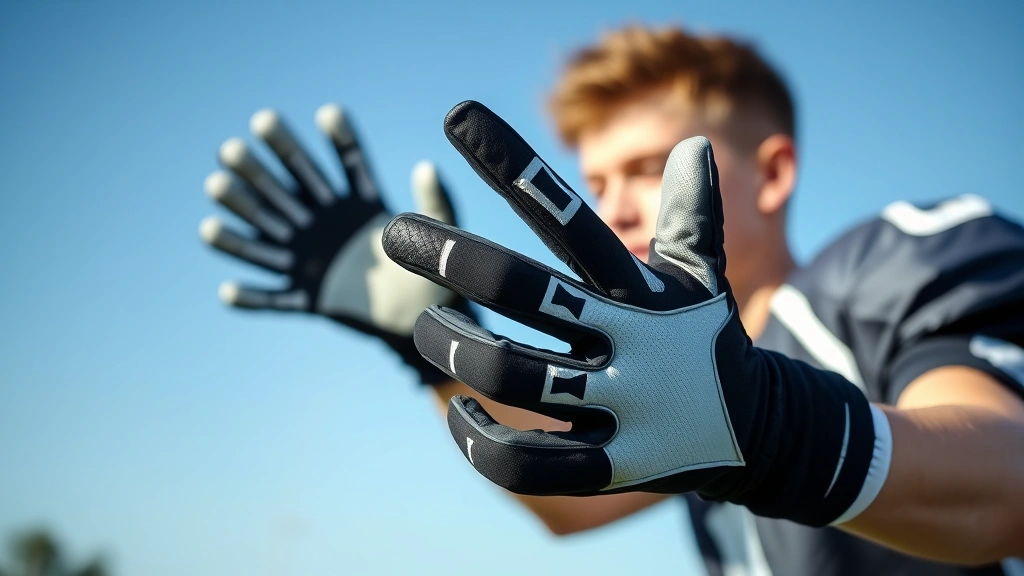
Selecting the right football gloves for youth players is one of the most critical decisions a coach, parent, or young athlete can make. The difference between high-quality gloves and subpar options directly impacts grip strength, ball control, injury prevention, and overall performance on the field. After years of coaching youth football and evaluating equipment performance, I’ve developed a comprehensive understanding of what separates elite youth football gloves from mediocre alternatives.
Young athletes are still developing their hand strength, coordination, and technical skills. This means their equipment must work harder to compensate while building proper fundamentals. Quality youth football gloves provide superior grip even in wet conditions, reduce hand fatigue during practice and games, and protect growing hands from impacts and abrasions. The investment in premium gloves pays dividends through improved confidence, better pass reception rates, and fewer dropped balls during crucial moments.
This guide draws from coaching experience, player feedback, biomechanical research on grip performance, and hands-on testing of the top brands currently dominating the youth football market. Whether your young athlete plays wide receiver, defensive back, or cornerback, you’ll find evidence-based recommendations that translate directly to on-field success.
Why Youth Football Gloves Matter for Development
Many parents underestimate the importance of quality hand protection and grip enhancement in youth football. The reality is that proper equipment directly correlates with skill development. When young athletes wear gloves that slip, bunch up, or restrict movement, they develop compensatory techniques that become harder to unlearn as they advance to higher levels of competition.
According to research from the American College of Sports Medicine, proper hand positioning and grip strength are foundational to athletic development in ball sports. Youth football gloves that enhance natural grip mechanics help athletes focus on route running, footwork, and decision-making rather than struggling with basic ball control.
The protective aspect cannot be overlooked either. Young athletes have growth plates and developing connective tissues that are more vulnerable to injury. Quality gloves with adequate padding protect against:
- Impact injuries from deflected passes and tackles
- Abrasion wounds from falls and field contact
- Finger sprains from awkward catches
- Cumulative stress injuries from repetitive gripping
Beyond the physical benefits, wearing premium gloves boosts psychological confidence. Young players who trust their equipment perform better under pressure. They take more aggressive routes, extend for catches they might otherwise avoid, and recover faster from early-season mistakes.
Key Features That Separate Premium Gloves
Not all youth football gloves are created equal. Understanding the technical specifications that matter will help you make an informed decision rather than simply buying the most popular brand.
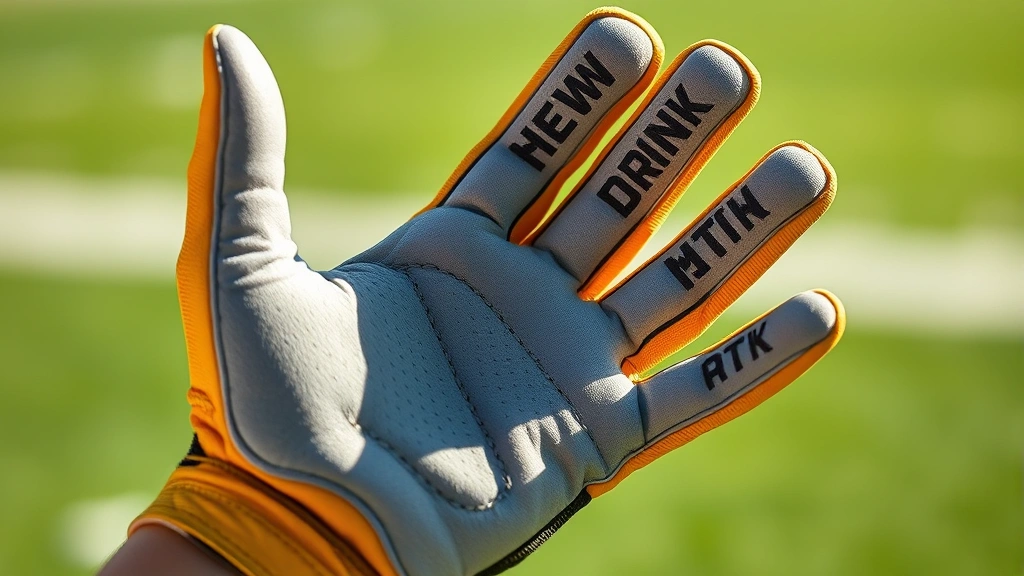
Grip Technology: The palm material is everything. Elite youth football gloves use silicone-based or proprietary rubber compounds that maintain grip consistency across temperature variations and moisture levels. Look for gloves with textured patterns that increase surface area contact with the football. Brands that invest in grip technology typically maintain performance even when hands are sweaty or conditions are damp.
Material Construction: Premium gloves combine synthetic leather on the back of the hand with specialized grip material on the palm. The synthetic leather should be breathable, flexible, and durable enough to withstand multiple seasons of use. The best youth options use neoprene backing that provides both support and comfort without excessive bulk.
Wrist Support: Proper wrist closure prevents gloves from shifting during play. Velcro straps should be wide enough to distribute pressure evenly and allow for adjustable tightness. Young athletes with smaller hands particularly benefit from gloves with customizable wrist closure systems that grow with them.
Finger Articulation: Gloves that allow natural finger movement without excess material bunching up between fingers improve ball control significantly. Pre-curved fingers that match the natural resting position of a closed hand reduce fatigue and improve comfort during extended wear.
Padding and Protection: Strategic padding on the back of the hand and fingers protects against impacts while maintaining sensitivity. Quality gloves use multi-density foam that absorbs impact without numbing the fingertips where touch sensitivity is critical.
When evaluating football plays and executing routes, young athletes need gloves that enhance rather than hinder their natural abilities. Premium construction ensures equipment becomes an extension of the body rather than a distraction.
Top-Rated Youth Football Gloves by Position
Different positions have different glove requirements. A defensive back needs maximum dexterity and touch sensitivity, while a receiver might prioritize grip strength and impact padding.
Wide Receiver and Tight End Gloves: These positions demand exceptional grip and ball-catching ability. Top recommendations include gloves with maximum palm coverage, enhanced finger sensitivity, and minimal wrist restriction. Players in these positions benefit from gloves with aggressive grip texturing and strategic padding that protects without adding bulk.
Defensive Back and Cornerback Gloves: DBs need superior finger dexterity for deflecting passes and making interceptions. The best youth options feature thin, sensitive palms with excellent grip, minimal padding, and lightweight construction. These gloves should allow for quick hand movements and precise finger positioning.
Linebacker and Defensive Line Gloves: These positions require more robust padding for tackling and shed protection. Quality options feature reinforced palm areas, strategic padding on knuckles and back of hand, and wrist support for explosive movements. The grip should be excellent but secondary to protection.
Quarterback Gloves: Often overlooked, QB gloves should enhance grip without restricting hand mobility for throwing. Youth QBs benefit from minimal gloves that provide just enough grip enhancement and protection without interfering with release mechanics.
Sizing and Fit Guidelines for Young Players
Proper sizing is absolutely critical for youth football gloves. Gloves that are too large slide around and impair performance, while gloves that are too tight restrict blood flow and cause hand fatigue.
Measuring for Correct Size: Have your young athlete measure from the wrist crease to the tip of the middle finger. Most manufacturers provide sizing charts based on this measurement. Youth gloves typically range from extra-small (for ages 8-10) to large (for ages 15-17), though growth rates vary significantly.
Trying On and Testing: When possible, try gloves on before purchasing. Your athlete should be able to make a tight fist without the glove bunching up between fingers. The wrist closure should be snug but not cutting off circulation. Have them simulate catching motions to ensure proper finger articulation.
Room for Growth: Some parents buy slightly larger gloves expecting their child to grow into them. This is a mistake. Oversized gloves impair development and increase injury risk. It’s better to purchase properly-fitted gloves and replace them as your athlete grows.
Maintenance and Longevity Tips
Quality youth football gloves represent a significant investment. Proper maintenance extends their lifespan and maintains performance throughout the season.
Cleaning After Use: Hand wash gloves in cool water with mild soap after every use, especially after games. This removes sweat, dirt, and grass that degrade the grip material. Air dry naturally—never use direct heat which damages synthetic materials.
Storage: Store gloves in a cool, dry location away from direct sunlight. Some athletes prefer storing gloves flat, while others use a glove bag to maintain shape. Proper storage prevents material degradation and maintains structural integrity.
Grip Maintenance: As the season progresses, grip material naturally wears. Some premium gloves allow you to refresh the grip with specialized grip enhancers or replaceable palm inserts. This extends the lifespan of expensive gloves significantly.
Rotation: Having two pairs of gloves that you rotate allows each pair to fully dry between uses and extends overall lifespan. This also provides backup equipment if one pair becomes damaged.
Understanding how to maintain equipment properly teaches young athletes responsibility and maximizes return on investment. These lessons extend beyond football into all areas of life.
Budget-Friendly Options Without Sacrificing Performance
Premium youth football gloves can cost $80-$150 per pair. Not every family has that budget, but quality options exist at every price point.
Mid-Range Recommendations ($40-$80): Several manufacturers produce solid youth gloves in this range that offer 80-90% of the performance of premium options. These gloves typically have reliable grip technology, adequate padding, and decent durability. They’re perfect for developing athletes who haven’t yet committed to competitive football.
Value Brands: Some lesser-known brands offer exceptional value. Research independent reviews on sports science research platforms and read detailed user reviews from other coaches and parents. Sometimes older models from premium brands offer excellent value as inventory clears.
Seasonal Sales: Back-to-school sales in August and post-season clearance sales in November-December offer significant discounts. Planning ahead allows you to purchase premium gloves at mid-range prices.
What Not to Sacrifice: When budget shopping, never compromise on proper sizing or grip quality. Oversized gloves or poor grip technology creates more problems than it solves. It’s better to buy one quality pair than two mediocre pairs.
When you’re ready to explore advanced strategies and competitive information, check out our resources on college football predictions and fantasy football names for additional insights into the sport.
FAQ
What age should young athletes start wearing football gloves?
Most youth players benefit from gloves starting around age 8-9, once they’re learning proper catching techniques and playing competitive football. Younger recreational players may not need gloves, but once skill development becomes important, quality gloves help tremendously.
Can youth athletes wear adult-sized football gloves?
Generally, no. Adult gloves are too large for youth hands and will impair performance and development. Always purchase gloves specifically sized for your athlete’s measurements. Proper fit is critical for both safety and performance.
How often should youth football gloves be replaced?
With proper care, quality youth gloves last one full season (12-14 weeks). Some may last into a second season depending on usage intensity and maintenance. When grip performance noticeably declines despite cleaning, it’s time for replacement.
Do expensive gloves always perform better?
Not necessarily. Price correlates with performance up to a point, but diminishing returns exist. Mid-range gloves often provide 85-90% of premium performance at 60% of the cost. Your athlete’s specific position and skill level matter more than brand prestige.
Should youth athletes break in new gloves before games?
Absolutely. New gloves should be worn during practice for at least 2-3 sessions before game use. This allows the grip material to conform to hand contours and lets your athlete adjust to the feel. Breaking in gloves during practice prevents surprises on game day.
Can gloves be shared between siblings?
Only if they’re the same size. Improperly-fitted gloves create problems for both the intended wearer and any secondary user. Each athlete should have properly-fitted equipment for safety and optimal performance.
What’s the difference between receiver gloves and defensive gloves?
Receiver gloves prioritize maximum grip and ball control with aggressive palm texturing. Defensive gloves emphasize dexterity and touch sensitivity for deflecting and intercepting passes. Positioning determines which type works best.
Investing in quality youth football gloves represents an investment in your athlete’s development, safety, and confidence. The right equipment removes obstacles between your young player and peak performance. Whether you’re shopping for your first pair or upgrading for a new season, the recommendations and guidelines in this guide will help you make an informed decision that translates directly to on-field success.
For comprehensive football knowledge and strategy insights, visit our Peak Play Arena Blog where we regularly publish coaching tips and equipment reviews. Your commitment to proper equipment preparation demonstrates the dedication that separates good programs from great ones.


