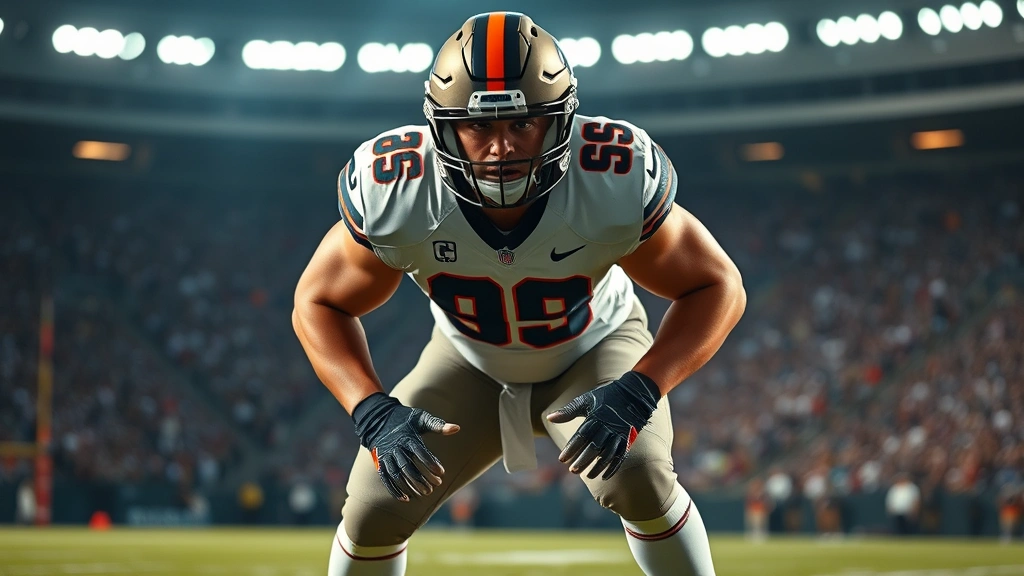
How to Draw Football Players: Artist Advice for Capturing Dynamic Athletic Movement
Drawing football players presents a unique artistic challenge that combines anatomical precision with dynamic motion capture. Whether you’re sketching for personal enjoyment, creating sports illustrations for publication, or developing character designs for games and animation, mastering the fundamentals of athlete representation will elevate your work significantly. Football players demand understanding of muscular physiology, proportional relationships, and the kinetic energy that defines their sport.
The key to realistic football drawings lies in studying human anatomy through the lens of athletic performance. Football players possess distinctive musculature patterns developed through explosive movements, lateral agility, and sustained physical contact. Their poses rarely remain static—instead, they embody moments of acceleration, deceleration, and directional change that require careful observation and thoughtful rendering.
This comprehensive guide walks you through essential techniques, anatomical considerations, and professional approaches used by sports illustrators worldwide. We’ll explore foundational drawing methods, reference gathering strategies, and advanced rendering techniques that will transform your football player illustrations from amateur sketches into compelling, dynamic artwork.
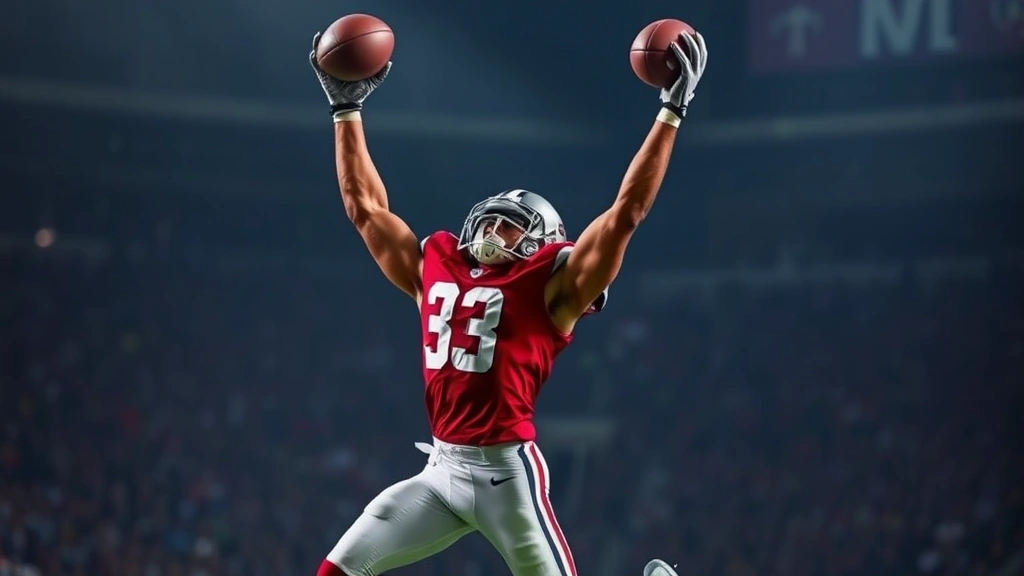
Understanding Football Player Anatomy
Football players represent some of the most physically specialized athletes in sports. Their bodies develop unique muscular characteristics based on their positions and training regimens. Before you begin drawing, invest time in understanding how football-specific training shapes the human form.
The shoulders and upper back of football players are dramatically developed compared to average figures. Linemen, in particular, develop massive trapezius, deltoid, and rhomboid muscles through constant pushing and pulling motions. Their necks thicken considerably to support the weight and absorb impact forces. When drawing offensive or defensive linemen, exaggerate shoulder width proportionally—these athletes often measure 50+ inches across the shoulders.
The core musculature of football players extends beyond visible abdominals. The obliques, serratus anterior, and deep stabilizer muscles create distinctive surface anatomy. Quarterbacks and receivers, while leaner than linemen, still maintain exceptional core definition. The rectus abdominis appears as distinct segments, particularly when players are in action poses that involve trunk rotation or flexion.
Lower body development varies significantly by position. Running backs and defensive backs develop lean, defined quadriceps and hamstrings optimized for explosive acceleration and lateral movement. The vastus medialis (inner quad) appears particularly pronounced in these athletes. Linemen carry more overall leg mass, with thicker thighs and calves adapted for maintaining low centers of gravity and generating pushing power.
Study reference materials from ACSM (American College of Sports Medicine) resources that break down athletic body composition. Understanding the biomechanics behind muscle development will inform your anatomical drawings with scientific accuracy.
The hands of football players deserve special attention. They’re larger than average hands, with thicker fingers and pronounced knuckles adapted for gripping the football and making contact. The forearms show detailed vascularity and muscle striations, particularly the flexor carpi radialis and extensor carpi radialis muscles that control wrist and finger movement.
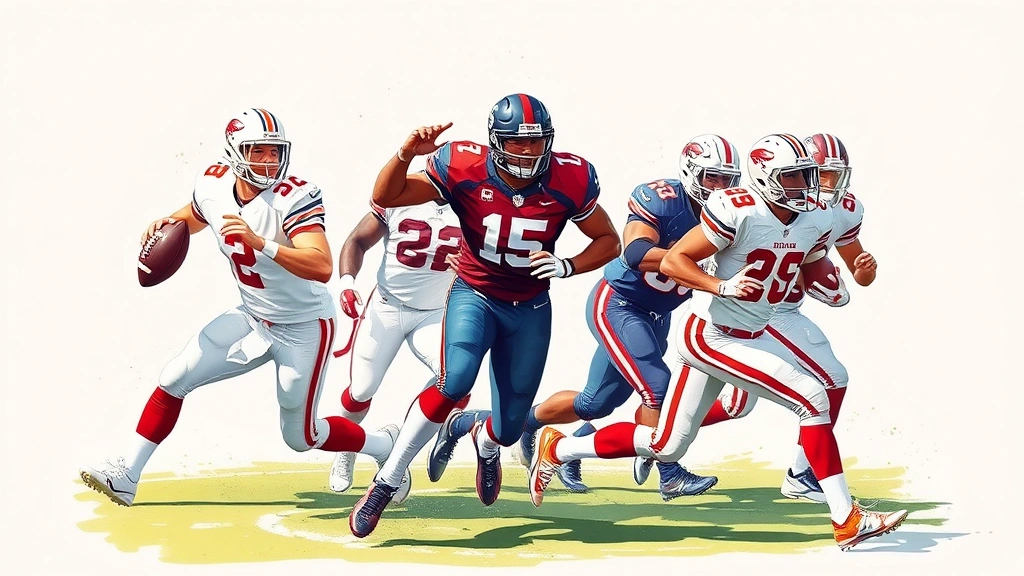
Gesture Drawing and Dynamic Poses
Gesture drawing forms the foundation of capturing football player movement. This rapid sketching technique emphasizes action and energy over anatomical detail, making it perfect for understanding how athletes move before committing to finished artwork.
Begin with 30-second to 2-minute gesture sketches using video references of actual football games. Focus on the line of action—an imaginary line that flows through the figure’s spine, indicating direction and energy. Football players rarely stand upright; their poses involve significant spinal flexion, extension, and rotation. A quarterback in mid-throw exhibits dramatic upper body rotation with the spine curved away from the throwing side. A linebacker making a tackle shows forward lean with flexed knees and lowered center of gravity.
Quick gesture sketches capture the essence of athletic movement without getting bogged down in details. Use loose, flowing lines that suggest the figure’s overall pose rather than precise anatomical contours. The goal is establishing dynamic energy—the visual sense that this figure is moving with purpose and power. Most gesture drawings of football players should feel unstable if you imagine them frozen in real space, yet perfectly balanced within the context of athletic movement.
Practice drawing players in various scenarios: throwing, catching, running, blocking, and tackling. Each action demands different body positioning and weight distribution. A player running with the football shifts their weight forward with arms in varied positions depending on whether they’re evading defenders or protecting the ball. A defensive end rushing the quarterback demonstrates extreme forward lean with arms extended for impact.
Reference professional sports photography and film footage. The NFL official website provides high-quality game photography that captures authentic athletic poses. Slow-motion video reveals the micro-movements that make drawings feel alive—the subtle weight shifts, the precise arm positions, the head positioning that indicates focus and intention.
Proportional Guidelines for Athletic Figures
Standard human proportions provide a starting point, but football players deviate significantly in specific ways. Understanding these proportional variations ensures your drawings feel authentic rather than generic.
The head-to-body ratio for average humans measures approximately 1:7 to 1:8 (head height compared to total body height). Football players often appear slightly shorter proportionally due to their massive shoulder and leg development. When drawing football players, use a 1:7 ratio, which emphasizes their powerful build.
Shoulder width deserves careful attention. In average figures, shoulder width measures approximately 1.5 times head width. For football players, especially linemen, increase this to 2 to 2.5 times head width. This dramatic shoulder development immediately signals athletic specialization. The shoulders should extend noticeably beyond the ribcage when viewed from the front.
Leg length in football players appears slightly shorter proportionally than in average figures, again due to their muscular development. The legs should measure approximately 3.5 to 4 times head height, compared to 4 to 4.5 times in average proportions. This shorter proportion, combined with muscular development, creates the characteristic athletic stance.
Torso length varies by position. Quarterbacks and receivers maintain longer torsos relative to leg length, allowing greater flexibility and range of motion. Linemen develop shorter torsos with massive upper back development, optimizing their ability to maintain low positions during contact.
Hand size increases proportionally in football players. While average hands measure approximately 10% of height, football player hands appear closer to 11-12% of height. The fingers appear thicker and the palm wider, adapted for gripping the football and making contact.
When establishing proportions, use construction circles and guidelines. Start with the head, then establish shoulder width as your primary reference measurement. Build the torso from there, ensuring proper ribcage and hip relationships. The rib cage in athletic figures sits higher on the torso, with less space between the ribcage and hip bones compared to average figures.
Rendering Uniforms and Equipment
Football uniforms and equipment dramatically affect how you draw players. The uniform itself has volume and structure separate from the body beneath it, creating visual complexity that requires careful observation.
Jerseys fit loosely enough to allow movement but tight enough to reveal underlying musculature. The fabric drapes differently depending on arm position and body movement. When a player’s arm extends forward for a catch, the sleeve pulls tight across the shoulder and biceps, revealing muscle contours beneath. When arms hang relaxed, sleeves drape with loose folds. Study how fabric responds to body movement before adding uniform details to your anatomical drawings.
Shoulder pads create significant visual bulk that extends the apparent shoulder width. These pads add 2-3 inches on each side, dramatically widening the silhouette. The padding creates a distinctive shape with rounded shoulders and a slight forward curve. When drawing players in uniform, account for this padding in your initial gesture and construction phases.
Helmets present unique challenges. They sit on the head with a slight forward tilt, and the facemask creates visual interest through perspective and shading. The helmet’s rounded shape contrasts with the angular facemask. When drawing the head in three-quarter view, ensure the helmet’s back portion extends beyond where the natural head would end. The facemask should align with the front of the face, and the jaw area should be visible beneath the grid pattern.
Cleats and footwear deserve attention despite their small visual presence. Football cleats have distinctive shapes with reinforced ankle support and specialized sole patterns. The ankle area appears thicker due to the shoe structure, affecting how the lower leg transitions to the foot. Ensure cleats align properly with the foot’s angle and the player’s stance.
Padding on the elbows, knees, and thighs creates additional volume in specific areas. Knee pads sit directly over the knee joint, creating a distinct cylindrical form. When a player kneels or crouches, knee pads become prominent visual elements. Similarly, elbow pads on the outer elbow create a thickened appearance that affects how you render the arm in certain positions.
Gloves are essential to football drawings, particularly for receivers and defensive backs. Football gloves have sticky palms and reinforced fingers, creating a distinctive shape. The glove adds bulk to the hand while maintaining finger articulation. The wrist area where the glove meets the arm creates a visible transition line.
Capturing Movement and Action
Movement distinguishes compelling football drawings from static figure studies. Understanding how to convey action through visual means transforms your work from accurate anatomical rendering to dynamic sports illustration.
The center of gravity shifts dramatically during athletic movement. A running player leans forward with their center of gravity ahead of their base of support, creating visual tension that suggests forward momentum. A player jumping for a catch has their center of gravity elevated, with legs extended downward and arms reaching upward. A defensive player making a tackle shows their center of gravity lowered with forward momentum and lateral force application.
Motion lines and blur effects communicate speed and direction, though these should be used subtly in realistic illustration. Rather than obvious speed lines, convey movement through body positioning, muscle tension, and directional indicators. A player’s head position reveals where their attention focuses; a receiver’s head turns toward an incoming ball even before their body rotates to track it.
Muscle tension differs between explosive movement and controlled positioning. During explosive movements like jumping or sprinting, muscles appear contracted and defined. During controlled movements like walking or positioning, muscles appear less tense. The difference in muscle definition between action moments and transitional moments creates visual interest and authenticity.
Study biomechanical research on athletic movement to understand the physics underlying football-specific actions. Understanding why players position their bodies in particular ways during specific movements ensures your drawings feel biomechanically sound.
Weight distribution reveals movement intention. A player shifting weight onto their back foot suggests preparation for a directional change or explosive movement. Forward weight distribution indicates committed forward motion. Lateral weight distribution shows lateral movement preparation. These subtle weight shifts communicate action without exaggerated poses.
Advanced Shading Techniques
Shading transforms flat drawings into three-dimensional representations. For football players, strategic shading emphasizes the musculature that defines their athletic physiology.
Begin by identifying your light source direction. Consistent lighting creates visual coherence and helps viewers understand spatial relationships. Single-source lighting works well for sports illustration, though some professional sports artists use multiple light sources for dramatic effect.
Value structure in athletic drawings should emphasize musculature. Use shadow placement to suggest muscle groups and create anatomical clarity. The deltoid muscle benefits from strategic shading that defines its three heads. Shadow placement along the triceps emphasizes the muscle’s three-part structure. Careful shading of the rectus abdominis creates distinct segmentation.
Reflected light prevents drawings from appearing flat. Even shadowed areas receive reflected light from surrounding surfaces. A player’s shadowed side still receives light reflected from the ground, nearby players, or stadium elements. This subtle reflected light creates dimension and prevents harsh shadow areas from appearing dead.
Skin surface variation prevents uniform appearance. Football players have varied skin texture—some areas appear smooth while others show subtle texture from scars, abrasions, or natural skin variation. Subtle texture variation makes drawings feel authentic without overwhelming detail.
Highlight placement creates visual focus and emphasizes form. Strategic highlights on the shoulder, biceps, and thigh emphasize muscular development. Highlights on the helmet and equipment create visual interest and suggest material properties.
Consider atmospheric perspective even in close-up figure drawings. Slightly softer edges on background elements and harder edges on the primary figure create depth. This subtle depth enhancement makes figures feel present and dimensional.
Color Theory for Sports Illustration
Color selection in football drawings requires understanding team color schemes while maintaining visual interest and accurate skin tone representation.
Team uniforms provide primary color schemes. Research the specific team’s colors and uniform design if drawing a particular team. Uniform colors should be vibrant and true to real specifications, but not so saturated that they appear unnatural. Most professional sports illustrations use slightly muted saturation compared to actual uniforms, which appear more saturated under stadium lighting.
Skin tone representation requires careful color mixing. Avoid using pure flesh tones from tubes; instead, mix skin tones from primary colors with subtle variations. Add warm colors (reds, yellows, oranges) for highlighted areas and cool colors (blues, purples) for shadowed areas. Skin tone should reflect the player’s actual complexion while maintaining color harmony with the uniform colors.
Complementary colors create visual excitement. If rendering a team with blue uniforms, consider subtle warm tones in skin highlights that complement the cool uniform colors. This color harmony creates professional-looking results without jarring color clashes.
Material properties differ between skin, fabric, and equipment. Matte finishes on fabric require different color handling than glossy finishes on helmets. Skin appears slightly more reflective than clothing, while helmets and equipment have the highest reflectivity. These material differences should be apparent in your color and value choices.
Atmospheric color affects how colors appear. Football games often occur under stadium lighting that shifts colors toward warm yellow tones. If drawing in this context, account for the color shift that warm lighting creates on all surfaces. Conversely, outdoor daytime games feature cooler, more neutral lighting.
Consider the background color when selecting figure colors. High contrast backgrounds require different color treatment than low contrast backgrounds. Vibrant uniforms might need slightly more muted treatment against busy backgrounds, while muted uniforms might require slightly more saturation against neutral backgrounds.
FAQ
What’s the best reference material for drawing football players?
High-speed photography from professional sports photographers provides excellent reference material. Video footage, particularly slow-motion replays, reveals movement dynamics that still images miss. The ESPN photo archives offer thousands of professional football images perfect for study. Live game attendance provides unparalleled observation opportunities, though photographs offer more practical reference for most artists.
How do I draw different football positions accurately?
Each position develops distinctive physical characteristics. Study position-specific players to understand how linemen differ from receivers, how quarterbacks develop differently than running backs. The football defense positions guide explains positional roles that inform physical development patterns. Linemen appear bulkier with massive shoulders; receivers appear leaner with longer limbs; quarterbacks develop strong upper backs and shoulders.
Should I draw football players with or without helmets?
Both approaches have merit. Helmet drawings showcase uniform design and equipment detail but obscure facial features. Helmetless drawings emphasize facial expression and individual identity. Consider your illustration’s purpose—action sequences might benefit from helmet inclusion, while portrait-style illustrations often work better without helmets.
How can I improve my football player gesture drawings?
Practice gesture drawing 15-30 minutes daily using video references. Focus on capturing the line of action and overall pose rather than anatomical accuracy. Review your gesture drawings and compare them to reference video—look for pose accuracy and energy capture. Reference the Peak Play Arena Blog for additional sports-focused artistic resources and techniques.
What drawing materials work best for football illustrations?
Digital drawing tablets offer advantages for sports illustration through non-destructive editing and layer flexibility. Traditional media like graphite pencils, charcoal, and colored pencils remain excellent choices. Marker-based illustration works particularly well for bold, graphic football illustrations. Experiment with multiple media to discover your preferred approach.
How do I draw football players in different uniforms?
Research specific team uniform designs before drawing. Note colors, stripe patterns, logo placement, and sleeve style. Uniform variations between teams affect overall composition and color harmony. Study fantasy football resources that showcase various team uniforms and design variations.
What’s the most important aspect of drawing realistic football players?
Understanding anatomy beneath uniforms forms the foundation. Accurate proportional relationships, proper muscle structure, and realistic movement mechanics create believable drawings regardless of style. Athletic specialization—recognizing how football training shapes the human body differently than other sports—distinguishes authentic football drawings from generic athletic figures.


