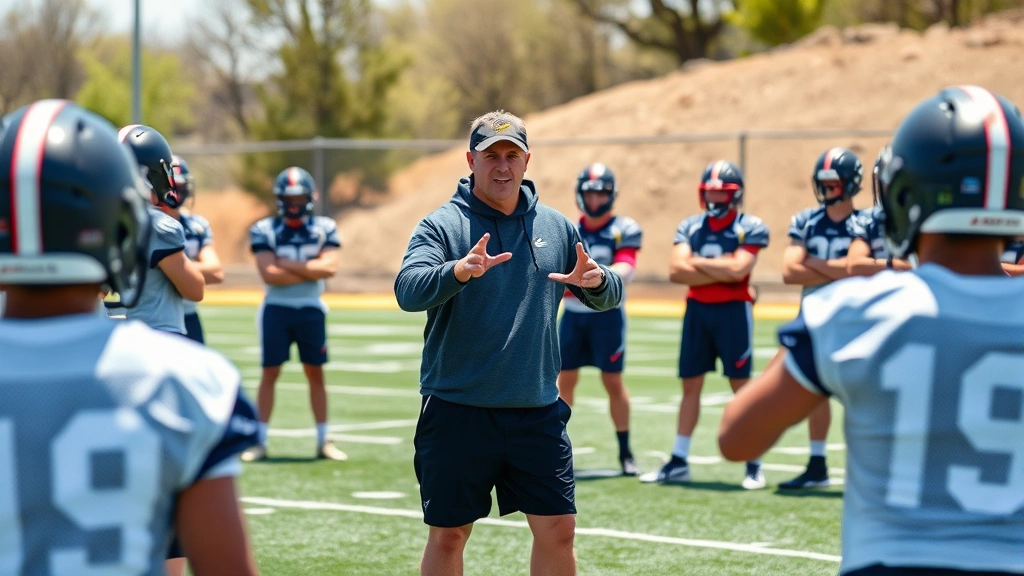
How to Get Football Coaching Jobs: Expert Insights and Strategic Career Pathways
Breaking into football coaching jobs requires a strategic combination of certifications, networking, practical experience, and relentless dedication to the sport. Whether you’re aspiring to coach at the high school, college, or professional level, the pathway demands more than just passion—it requires a comprehensive understanding of the industry, proven credentials, and the ability to develop athletes into high-performing competitors. This guide provides expert insights into securing your ideal coaching position and building a sustainable career in football coaching.
The football coaching landscape has evolved significantly over the past decade, with increasing emphasis on formal qualifications, player safety certifications, and specialized expertise in specific positions or coaching disciplines. Organizations like the American College of Sports Medicine (ACSM) and various state athletic associations have established rigorous standards that modern coaches must meet. Understanding these requirements and positioning yourself accordingly is essential for landing competitive coaching roles and advancing your career trajectory.

Essential Certifications and Credentials for Football Coaches
The foundation of any successful coaching career starts with obtaining the right certifications. Coaching certifications serve as your professional credibility markers and are often mandatory requirements for employment. The most widely recognized certification is the Certified Athletic Coach (CAC) credential, which demonstrates your commitment to evidence-based coaching practices and athlete safety.
Most states require coaches to obtain a CPR/AED certification and First Aid certification at minimum. Beyond these basics, pursuing certifications from organizations like the National Football Coaches Association (NFCA) significantly enhances your employment prospects. These organizations offer specialized courses in coaching philosophy, player development, and sports psychology that distinguish you from other candidates.
A bachelor’s degree in exercise science, sports management, or kinesiology strengthens your application considerably. Many college and professional programs require or strongly prefer coaching candidates with relevant bachelor’s degrees. Additionally, obtaining a Strength and Conditioning Coach certification through the National Strength and Conditioning Association (NSCA) opens doors to specialized roles and higher compensation packages.
Consider pursuing certifications in concussion management and heat illness prevention, as these are increasingly mandatory in educational settings. Organizations like the CDC’s HeadsUp Program offer valuable training in these critical areas. Investment in these credentials demonstrates your commitment to player safety and modern coaching standards.

Building Your Coaching Experience Foundation
Experience is the currency of coaching employment. Starting your coaching journey often means accepting entry-level positions that many overlook. Volunteer coaching positions at youth leagues, recreation centers, or high schools provide invaluable hands-on experience and networking opportunities. These roles allow you to develop your coaching philosophy, understand player dynamics, and build a track record of success.
Many successful coaches began as graduate assistants or quality control coaches at college programs. These positions typically offer lower compensation but provide exposure to advanced coaching systems, film study techniques, and recruitment processes. The experience gained in these roles often leads directly to better-paying coordinator or position coaching jobs.
Consider exploring opportunities with high school football programs as an assistant coach. High schools are excellent training grounds where you’ll develop fundamental coaching skills, manage diverse athlete populations, and build relationships with future college coaches and athletic directors. Many successful college and professional coaches cite their high school experience as transformative to their careers.
Building a coaching portfolio documenting your achievements is essential. Track metrics such as player development statistics, team improvements, awards, and special accomplishments. This portfolio becomes invaluable during interviews and helps potential employers visualize your impact on athlete development and team success.
Seek mentorship from established coaches in your network. Shadowing experienced coaches, attending their practice sessions, and learning their systems provides invaluable insights that formal education cannot replicate. These relationships often lead to recommendations and job opportunities when positions open.
Networking Strategies in the Football Coaching Community
Networking is absolutely critical in the coaching profession. Many coaching positions are filled through personal connections before they’re publicly advertised. Actively engage with the coaching community through professional organizations, clinics, and conferences where you’ll meet hiring managers and fellow coaches.
Attend coaching clinics and seminars regularly. Events sponsored by the American Football Coaches Association (AFCA) and regional coaching associations provide platforms to learn from elite coaches while building your professional network. These events often include job boards and networking sessions specifically designed for coaching candidates.
Leverage social media strategically by following coaching programs, athletic directors, and influential coaches in your target market. Engage thoughtfully with their content, share relevant insights, and position yourself as a knowledgeable professional. Many hiring decisions are influenced by a candidate’s online presence and professional engagement.
Join online coaching communities and forums where coaches discuss strategies, share resources, and post job opportunities. Actively participate in these discussions, offer valuable insights, and build relationships with other coaches. These virtual communities often provide early access to job postings and valuable recommendations.
Consider exploring resources like the Peak Play Arena Blog for insights into football strategy and player development, which can enhance your coaching knowledge and provide conversation topics during networking events. Understanding modern football strategy demonstrates your commitment to continuous learning.
Develop relationships with athletic directors and hiring managers by attending school board meetings, youth football association events, and community sports gatherings. These relationships create opportunities for informal conversations that can lead to coaching positions before formal postings occur.
Leveraging Technology and Film Study
Modern football coaching demands sophisticated understanding of film study and video analysis. Proficiency with platforms like Hudl, Cutup, and other video analysis software is increasingly essential. Demonstrating your ability to break down film, identify player tendencies, and develop strategic counter-measures sets you apart from less tech-savvy candidates.
Learn to use coaching software platforms that manage playbooks, practice schedules, and athlete performance data. Familiarity with these systems is often expected in contemporary coaching roles. Many programs use specific platforms, so researching the technology used by your target programs helps you prepare for interviews.
Understanding sports analytics and performance metrics enhances your coaching credibility significantly. Modern programs track data on player acceleration, deceleration, sprint times, and injury risk factors. Coaches who can interpret and apply this data effectively gain competitive advantages and demonstrate forward-thinking approaches to athlete development.
Explore resources like football plays analysis to deepen your understanding of tactical execution and strategic innovation. This knowledge helps you discuss modern football strategy intelligently during interviews and demonstrates your commitment to understanding contemporary coaching approaches.
Stay current with online coaching education platforms that offer courses on specific coaching disciplines, player development strategies, and leadership techniques. Completing relevant courses demonstrates your dedication to professional development and provides concrete examples of your commitment during job interviews.
Interview Preparation and Landing the Position
Securing a coaching interview requires tailored application materials. Your resume should emphasize coaching accomplishments, player development metrics, and leadership experiences. Include specific examples of team improvements, championship runs, and individual player successes. Quantifiable achievements resonate powerfully with hiring managers.
Prepare comprehensive answers to common coaching interview questions. Expect inquiries about your coaching philosophy, player development approach, handling adversity, building team culture, and managing conflicts. Develop thoughtful responses grounded in coaching principles and supported by specific examples from your experience.
Research the specific program thoroughly before interviews. Understand their recent performance, roster composition, coaching staff structure, and organizational culture. Demonstrating this knowledge during interviews shows genuine interest and helps you tailor responses to align with program-specific needs and expectations.
Develop a coaching philosophy statement that articulates your beliefs about athlete development, team culture, and competitive success. This statement should be concise, authentic, and memorable. Many programs ask coaches to discuss their philosophy, so having a well-articulated response demonstrates clarity of purpose and professional maturity.
Prepare to discuss your experience with player evaluation and talent assessment techniques, as these skills are increasingly valuable. Understanding how to identify and develop talent at various levels demonstrates sophisticated coaching acumen that impresses hiring managers.
Practice interviewing techniques with friends, mentors, or colleagues. Mock interviews help you refine your responses, improve body language, and build confidence. Record yourself answering common questions and evaluate your delivery objectively. This preparation translates into stronger performance during actual interviews.
Specialization Pathways and Career Advancement
Consider specializing in specific coaching disciplines to increase your marketability. Developing expertise as an offensive coordinator, defensive coordinator, strength and conditioning coach, or position-specific specialist creates distinct career advantages. Specialization often commands higher salaries and opens doors to advanced opportunities.
Track coaching job market trends by monitoring job boards, program websites, and professional organizations. Understand which coaching positions are in highest demand, what qualifications are most valued, and which geographic regions offer the most opportunities. This market intelligence helps you position yourself strategically.
Build your career trajectory thoughtfully by accepting positions that develop specific skills needed for your ultimate coaching goals. If you aspire to college coaching, high school experience strengthens your candidacy. If professional coaching is your target, college experience and advanced certifications become essential stepping stones.
Pursue continued education and advanced certifications throughout your coaching career. Advanced degrees in sports management, athletic administration, or exercise physiology open doors to higher-level positions and administrative roles. These credentials also enhance your earning potential and career longevity.
Explore resources discussing college football strategy and analysis to deepen your understanding of higher-level competitive football. This knowledge helps you prepare for advancement to college-level positions and demonstrates awareness of competitive landscape dynamics.
Develop leadership and administrative skills that prepare you for coordinator and head coaching positions. These roles require budget management, staff supervision, and program development abilities beyond pure coaching expertise. Seeking opportunities to develop these competencies accelerates your advancement trajectory.
FAQ
What is the minimum education requirement for football coaching jobs?
Most high school positions require a bachelor’s degree and state teaching certification, though some youth and recreational positions may have fewer requirements. College and professional positions typically require bachelor’s degrees with relevant sport-specific coursework. Advanced positions increasingly prefer master’s degrees in sports management or exercise science.
How much do football coaches typically earn?
Compensation varies widely by level and location. High school assistant coaches earn $25,000-$45,000 annually, while coordinators earn $50,000-$100,000+. College assistant coaches earn $40,000-$150,000+ depending on program prestige. Professional coaching salaries range from $100,000 to multiple millions for head coaches.
How long does it take to become a head football coach?
Typically, coaches spend 5-10 years in assistant coaching positions before becoming head coaches. This timeline allows for skill development, networking, and building a track record of success. Some exceptional coaches advance faster, while others may take longer depending on opportunities and career choices.
Are football coaching certifications required by law?
Requirements vary by state and employment level. High school coaches usually require CPR/AED certification and often state-specific coaching certifications. College and professional positions have fewer mandatory certifications but strongly prefer NFCA membership and specialized credentials. Always check specific state and program requirements.
What skills are most important for football coaches?
Essential skills include strategic thinking, player development expertise, communication, leadership, film analysis, adaptability, and emotional intelligence. Modern coaches also need technology proficiency, data analysis capabilities, and understanding of sports psychology and player safety protocols.
How can I find available football coaching jobs?
Job search strategies include checking athletic department websites directly, monitoring coaching job boards like CoachingJobs.com and the AFCA website, networking with established coaches, attending coaching clinics, and reaching out to athletic directors personally. Many positions are filled through networking before public postings.
Should I start with volunteer coaching positions?
Absolutely. Volunteer coaching positions provide invaluable experience, help you build a track record, develop your coaching philosophy, and create networking opportunities. Many successful coaches cite volunteer experience as essential to their career development and advancement.
What makes a coaching application stand out?
Outstanding applications include quantifiable achievements, specific player development examples, relevant certifications, clear coaching philosophy statements, letters of recommendation from respected coaches, and demonstrated commitment to continued education. Tailoring applications to specific program needs and values significantly improves success rates.


