
Table of Contents
Introduction
Picture this: a sports team where every player doesn’t just perform well individually, but actually trusts, communicates with, and backs up their teammates like they’ve been playing together for years. Magic? Hardly. That kind of chemistry is built through purposeful team bonding activities that bring athletes closer together. And whether you’re coaching, playing, or just love sports, understanding how these activities work can completely change how teams perform and connect—both during the game and when they’re just hanging out.
Here’s the thing about sports: individual talent only gets you so far. You need that special something that turns a group of skilled athletes into a cohesive, unstoppable unit. That’s where team bonding comes in. When teammates actually cooperate and trust each other, their strategies get sharper and their timing becomes almost telepathic. Clear communication means fewer mix-ups and more of those incredible moments where players seem to read each other’s minds. But it goes deeper than just technique—bonding creates genuine camaraderie that carries teams through both crushing defeats and amazing victories. Speaking of sports dynamics, many teams also study the top 10 sports in the world to understand different approaches to teamwork and what makes certain sports cultures so successful.
Let’s be real—sports teams deal with serious pressure. Brutal training schedules, high-stakes games, the weight of expectations. Without a solid foundation of trust and friendship, all that stress can tear a team apart. Team bonding activities offer something different: they turn hard work into genuine fun through shared experiences that actually matter. Whether it’s a simple icebreaker game that gets everyone laughing or a challenging puzzle that forces them to work together, these moments build the trust that separates good teams from great ones. Elite athletes know that preparation goes beyond just showing up physically ready. Take marathon training, for example—understanding how to prepare for a marathon race shows the incredible dedication required for individual performance, which then amplifies what the whole team can achieve together.
What’s really cool about effective team bonding is how it helps different personalities find their groove together. Everyone brings something unique to the table. Activities that focus on specific skills (like improving hand-eye coordination) don’t just make individual players better—they create a culture where everyone’s constantly pushing each other to improve. It’s this combination of personal growth and team spirit that makes bonding so powerful. And here’s something that often gets overlooked: physical health directly impacts team chemistry. When athletes understand nutrition for athletes and fuel their bodies properly, they have the energy and mental clarity to be better teammates, not just better players.
What You’ll Learn in This Guide
This guide walks you through everything you need to know about sports team bonding activities—from why they work to how to make them work for your specific team. You’ll discover practical strategies for bringing teammates closer together and creating the kind of chemistry that wins games.
- Why Team Bonding Matters: We’ll break down exactly how bonding affects performance, trust, and teamwork. You’ll see how strong relationships between teammates translate directly into success on the field.
- Types of Bonding Activities: From icebreakers that break down barriers to physical challenges and brain-teasing problem-solving exercises, we’ll explore activities that actually work to unite your team while keeping things fun and engaging.
- Benefits of Team Bonding: Learn how regular bonding sessions improve communication, boost morale, and create the kind of team chemistry that makes everyone excited to play together.
- Effective Planning Tips: Get real-world advice on timing, choosing the right activities, and running sessions that actually connect with your team’s personality and needs.
As we dive in, you’ll get actionable advice on organizing bonding sessions that actually resonate with your team’s unique dynamics. We’ll talk about finding that sweet spot between fun and challenge, and when it might make sense to bring in professional facilitators to take things to the next level. For teams serious about maintaining momentum year-round, this connects perfectly with strategies for how to stay motivated to exercise—because consistent motivation is what keeps both individual players and teams performing at their best.
By the time you finish this guide, you’ll have everything you need to build more than just a sports team—you’ll know how to create a tight-knit community united by shared goals, genuine trust, and the pure joy of playing together. Whether you’re starting fresh with a new team or looking to strengthen bonds in an established group, the right bonding activities will unlock your team’s potential and bring everyone closer than ever. Ready to discover what makes truly great teams tick?
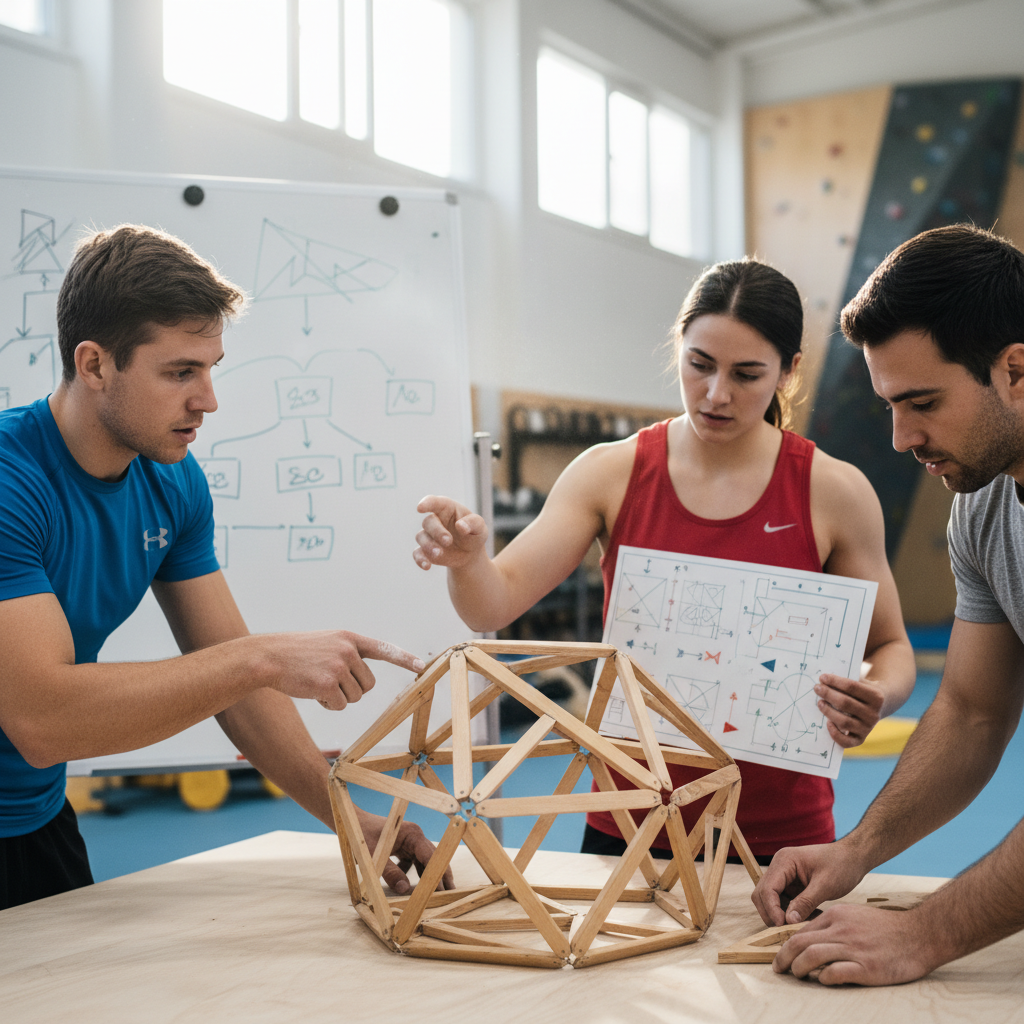
Here’s something every coach knows but doesn’t always talk about: building strong connections within sports teams isn’t just about showing up and playing together. It’s about creating something special—an environment where trust flows naturally, communication happens without thinking, and collaboration becomes second nature. Think of these as the invisible threads that hold championship teams together. When you invest in planned bonding activities, you’re not just organizing fun events. You’re building a collective spirit that shows up when it matters most—during those grueling training sessions and nail-biting competitive moments. And here’s the kicker: it doesn’t just boost morale (though it definitely does that). It creates those clear communication channels every team desperately needs for handling conflicts, giving honest feedback, and pushing each other toward those big, shared goals. So let’s dive into how the right team bonding activities can forge these game-changing connections and transform your team dynamics.
The Importance of Team Bonding for Sports Teams
Want to know what separates good teams from great ones? It’s not always the most talented roster. When athletes genuinely trust and respect each other, something magical happens on the field—their communication becomes effortless. Plays flow like water, decisions get made in split seconds, and everyone’s on the same wavelength. But here’s what’s really interesting: teams that put effort into building relationships off the field handle pressure completely differently during competition. That sense of unity? It’s like having an emotional safety net that gives you resilience when things get tough. Studies back this up too—teams with strong bonds have way less drama and show higher motivation across the board. For coaches looking to unlock their team’s full potential, understanding how effective bonding works isn’t just helpful—it’s essential. In fact, as highlighted by the resource top 10 sports in the world, team synergy consistently emerges as what separates successful sports organizations from the rest.
But bonding isn’t just about hanging out and having fun (though that’s part of it). It becomes part of your team’s DNA—where accountability feels natural and shared values actually mean something. Activities that get people opening up and solving problems together? Those create the real magic. This is what transforms sports teams from just a collection of talented individuals into a unified force with synchronized purpose. To see this in action, check out how sports teams improve fundamental skills like hand-eye coordination through collaborative drills. It’s a perfect example of how quality team interactions pay dividends everywhere.
Key Benefits of Effective Team Bonding
Let’s get specific about why bonding matters so much. It’s not just about feeling good—it builds essential team capabilities:
- Increased Trust and Reliability: When players genuinely bond, trust develops naturally. This means you can actually count on your teammates during games and practices, leading to smoother cooperation when it counts.
- Enhanced Communication: Bonding activities sharpen the communication skills that are absolutely vital for in-game strategies and reading those crucial non-verbal cues on the field.
- Boosted Morale and Motivation: Teams that engage in fun, inclusive activities consistently report higher morale—and that energy fuels both individual commitment and collective drive.
- Conflict Reduction and Better Conflict Resolution: Strong team culture built through bonding actually prevents most conflicts by promoting empathy and constructive dialogue when issues do arise.
These benefits show exactly why investing time and resources in team bonding isn’t optional for any sports team serious about long-term success. Now let’s get practical and explore specific activities designed to achieve these outcomes for teams of all types.
Organizing Effective Sports Team Bonding Sessions
Planning team bonding activities that actually work requires more thought than you might expect. The best sessions start with crystal-clear objectives—are you trying to build trust, improve communication, or just give everyone a chance to decompress away from competitive pressure? Understanding your team’s unique dynamics is huge here. You want to pick activities that include everyone and genuinely engage the whole group, which leads to authentic participation rather than going through the motions. For coaches looking to structure these sessions effectively, the planning strategies found in marathon preparation guides offer valuable insights about pacing, building endurance, and developing teamwork—concepts that translate perfectly to bonding initiatives.
The facilitator’s role can make or break these sessions. Good facilitation means guiding interactions without controlling them, keeping activities focused while staying flexible, and creating feedback loops that actually help. You want to create a safe space where every voice gets heard and positive reinforcement happens naturally between teammates. Whether you use in-house coaches or bring in outside professionals depends on how complex your team challenges are and what you’re hoping to achieve. When done right, these sessions don’t just strengthen relationships—they give teams practical communication and cooperation techniques they can use immediately in their sport.
Crucial Elements of Successful Bonding Sessions
These factors make the difference between bonding sessions that transform teams and ones that waste everyone’s time:
- Goal Setting and Clear Intent: Be specific about what you’re trying to accomplish—whether it’s building trust, improving communication, or developing better problem-solving skills as a unit.
- Activity Selection Aligned to Team Needs: Choose bonding exercises that actually resonate with your team members’ interests and complement the specific demands of your sport.
- Appropriate Scheduling: Time these sessions when you’ll get maximum attendance and minimal disruption to regular training schedules or personal commitments.
- Effective Facilitation and Guidance: Use skilled facilitators who can maintain focus, handle difficult conversations, and ensure inclusive participation throughout all activities.
Here’s the truth about sports team bonding—it’s way more than just having fun together. Sure, the activities are great, but what you’re really building is something deeper: trust that runs bone-deep, communication that flows naturally, and team morale that can carry you through the toughest games. When you get this right? You’re not just coaching a bunch of individual athletes anymore. You’ve got a unified force that genuinely has each other’s backs, both on the field and off.
Think about those magical moments when everything clicks—when players anticipate each other’s moves, when they push through challenges together, when they celebrate as one unit. That doesn’t happen overnight. Whether you’re running icebreakers that actually break down walls (not just awkward silence), physical challenges that test both teamwork and grit, or problem-solving exercises that sharpen strategic thinking, you’re unlocking the kind of chemistry that shows up when it matters most. And here’s what I love about this: when teammates truly understand and rely on each other, the whole team becomes something bigger than what any individual could achieve alone.
But let’s be real—team bonding doesn’t just magically happen because you throw people together. You need a plan. A good one. Start with clear goals: Are you trying to build trust from scratch? Improve how your players communicate under pressure? Boost motivation after a tough loss? Once you know what you’re after, choose activities that match your team’s personality and interests. Because authentic engagement? That’s where the real connections happen. And don’t underestimate the power of good facilitation—whether that’s you as the coach or bringing in a professional who knows how to navigate group dynamics. The payoff is huge: a culture built on mutual respect and shared purpose that carries through every practice, every game, every moment that tests your team’s character.
Ready to put this into action? Start with what your team needs most right now. Set those clear objectives we talked about—trust-building, communication, team spirit, whatever fits. Pick activities that get everyone involved (yes, even your quiet players) and strike that sweet spot between fun and meaningful challenge. Want to level up your players’ skills while you’re building team dynamics? Check out our guide on how to improve hand-eye coordination—it’s one of those fundamental skills that makes teamwork in sports so much smoother. And if you’re looking for inspiration on building endurance and mental toughness as a group, our strategies from how to prepare for a marathon race can teach your team about discipline, motivation, and pushing through together when things get tough.
For some broader perspective on what makes teams tick across different sports, take a look at the top 10 sports in the world—you’ll see how successful teams organize and build those winning dynamics we all want. And here’s something coaches don’t always think about: your team’s stability off the field matters too. That includes financial well-being and life skills that support peak performance. Consider sharing strategies like how to build an emergency fund to help your players build that solid foundation beyond sports.
Look, what you’re building here goes way beyond just a sports team. You’re creating a connected community where trust, enthusiasm, and shared goals drive everything you do. The relationships you nurture today—through intentional bonding, consistent effort, and genuine care—those are what will carry your team through both the victories and the setbacks. Stay flexible, adapt as your team grows and changes, and never forget this: meaningful connections don’t just create better players. They create champions in every sense of the word.
Frequently Asked Questions
-
What are some quick bonding activities for sports teams?
- Quick bonding activities include icebreaker games like name rounds, quick team quizzes, and paired interviews designed to break down barriers and foster initial connection.
-
How often should a sports team do bonding activities?
- Teams should ideally engage in bonding activities regularly throughout the season, such as monthly or after major events, to maintain and deepen trust and communication.
-
Can bonding activities improve team performance?
- Yes, bonding activities build trust, enhance communication, and foster cooperation, all critical components that contribute directly to improved team performance.
-
What if some team members are reluctant to participate?
- Choose inclusive, low-pressure activities that accommodate different comfort levels and foster a supportive, positive team culture to encourage participation.
-
Are professional facilitators necessary for team bonding?
- Professional facilitators are not always necessary but can provide valuable structure and specialized exercises, especially for teams facing complex dynamics or seeking to elevate their bonding experience.


