Table of Contents
Introduction
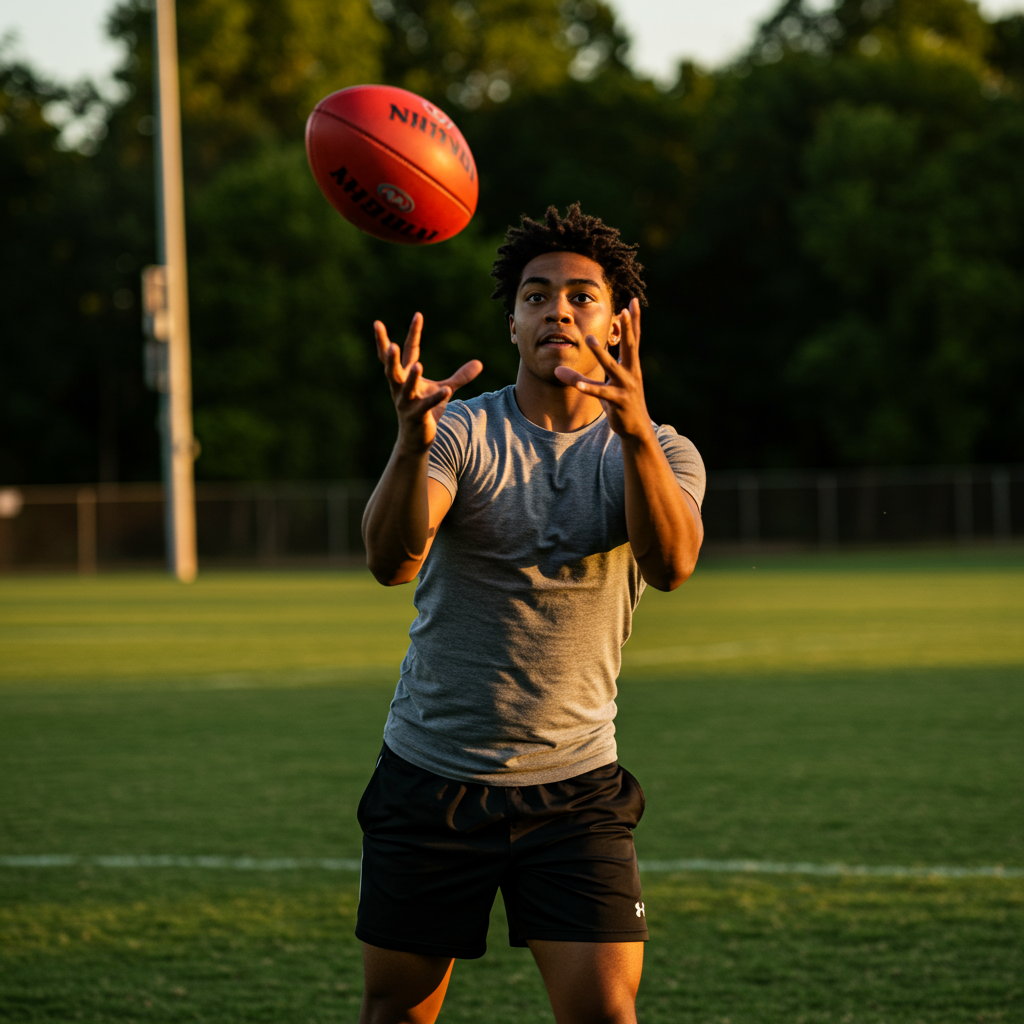
Imagine trying to catch a ball thrown at you from across the room or attempting to type swiftly on a keyboard without looking at the keys. These everyday actions rely heavily on a remarkable skill known as hand-eye coordination. It is the seamless cooperation between your vision and hand movements, allowing you to perform tasks with precision and confidence. Whether you are an athlete, a surgeon, a gamer, or simply engaging in daily chores, sharp hand-eye coordination makes a profound difference in your effectiveness and efficiency.
Hand-eye coordination is more than just a physical ability; it is a fundamental cornerstone of human interaction with the world. From the moment we learn to feed ourselves as toddlers to complex professions requiring minute dexterity, this skill plays a central role in our lives. Studies have shown that enhanced hand-eye coordination improves reaction times, increases accuracy, and elevates overall motor skills, which contribute to better performance in sports, arts, and various day-to-day tasks. This coordination is critical in emergency situations too — for example, first responders must rely on impeccable hand-eye coordination to navigate challenging environments and administer care swiftly.
Beyond physical activity, hand-eye coordination also impacts cognitive functions. It strengthens neural pathways that connect the brain’s sensory and motor centers, fostering quicker decision-making and problem-solving skills. For children, developing hand-eye coordination correlates with academic success because it supports reading abilities, writing skills, and attention to detail. Adults can also benefit by engaging in targeted exercises that enhance these pathways, ultimately contributing to better productivity and a reduced risk of accidents, both at work and home. Understanding this broad significance can motivate anyone to improve and appreciate the power of fine-tuned coordination.
However, challenges such as aging, injury, or neurological conditions can impair hand-eye coordination, leading to frustration and decreased independence. Even for healthy individuals, the modern world’s heavy reliance on screens and sedentary lifestyles may subtly diminish this essential skill. That makes learning how to improve hand-eye coordination vital for maintaining physical health, mental sharpness, and overall wellbeing. Whether for athletic ambition, professional excellence, or daily functional ease, enhancing this skill opens doors to a more confident and capable life.
What You’ll Learn in This Guide
This comprehensive guide will walk you through the fascinating world of hand-eye coordination, breaking down its significance and practical ways to boost it. We’ll cover everything from definitions and science to effective exercises and lifestyle tips that ensure steady progress.
- Fundamentals of Hand-Eye Coordination: Understand what hand-eye coordination really is, including the neurological processes that unite vision with motor skills. Grasp the science behind the interaction of your brain, eyes, and hands to appreciate how this skill develops and functions.
- Proven Exercises and Techniques: Discover a variety of targeted activities ranging from simple daily practices to sports and technology-assisted workouts that improve your coordination efficiently. These exercises are designed to be accessible and adaptable for all age groups and skill levels.
- Consistency, Nutrition, and Mindfulness: Learn the importance of regular practice combined with proper diet, rest, and mental focus techniques. These elements play a critical role in maximizing your hand-eye coordination improvements and sustaining long-term benefits.
- Overcoming Challenges and When to Seek Help: Identify common obstacles faced during skill development and explore practical strategies to overcome them. Additionally, gain awareness of signs indicating when professional guidance might be necessary to address coordination issues effectively.
In the following sections, we’ll delve into detailed explanations of how hand-eye coordination works and why it is crucial for everyone, from everyday individuals to specialized professionals. You’ll find clear, actionable advice designed to fit easily into your lifestyle, empowering you to build and maintain superior coordination skills over time.
By the end of this guide, you’ll be equipped with knowledge and exercises that can transform your physical and cognitive abilities. Whether your goal is to excel in a sport, improve your professional dexterity, or simply make daily activities smoother, this article will be your practical roadmap. Let’s embark on this journey together and unlock the full potential of your hand-eye coordination!
Ready to enhance your coordination and experience greater control in your life? Let’s dive into the amazing world of hand-eye coordination and take the first steps toward achieving excellence.

Hand-eye coordination is a fundamental skill that plays a critical role in our day-to-day activities, from simple tasks like writing and eating to more complex actions such as driving or playing sports. This coordination is an intricate dance between the eyes and the hands, where visual information is rapidly processed by the brain to direct hand movements. Improving this skill not only enhances physical performance but also bolsters cognitive functions, making it invaluable in various professions including athletes, surgeons, and artists. In this discussion, we will delve deeper into effective exercises to boost coordination and essential tips to maintain and enhance this ability consistently.
Exercises to Improve Hand-Eye Coordination
Enhancing hand-eye coordination involves engaging in activities that challenge the brain and body to work in unison. Consistent practice with targeted exercises can significantly improve reaction time, precision, and overall coordination. Many of these exercises are accessible and can be done at home or with minimal equipment, making them practical for all ages and skill levels. For those seeking structure, engaging in sports and technological tools can provide immersive and stimulating environments that naturally strengthen these skills over time. To fully grasp this concept, it helps to understand investment portfolio management software, which, while primarily financial, illustrates the importance of synchronized processes, much like hand-eye coordination.
Another aspect of improvement is the diversity in training methods. This translates to mixing simple repetitive activities with dynamic, unpredictable challenges to stimulate different areas of the brain and muscle groups involved. Over time, these varied exercises not only improve coordination but also enhance balance, focus, and motor skills essential for everyday functioning and specialized professional tasks.
Simple At-Home Exercises
Basic exercises at home provide an effective and convenient way to start enhancing your hand-eye coordination. These can often be incorporated into daily routines without requiring special equipment.
- Ball Tossing: Tossing a small ball against a wall and catching it sharpens timing and predicts the ball’s trajectory. This exercise mimics real-life catching or hitting movements and improves focus.
- Writing or Drawing: Activities like tracing shapes or writing enhance fine motor skills and visual tracking ability. Repetitive practice helps develop muscle memory crucial for hand-eye tasks.
- Puzzle Assembly: Completing puzzles requires keen visual-motor integration and spatial reasoning. It also engages problem-solving skills while demanding precise hand movements.
- Juggling or Object Manipulation: Learning to juggle or simply manipulating objects such as pens improves reflexes, bilateral coordination, and peripheral vision.
Tips for Enhancing Hand-Eye Coordination
Beyond exercises, optimizing your lifestyle and mental approach can greatly influence how effectively you develop your coordination skills. Consistency in practice is foundational, yet incorporating healthy habits and mental focus strategies further accelerates progress.
Understanding the synergy of body and mind is crucial. Just as careful financial planning involves both strategic thinking and monitoring, improving coordination depends on deliberate physical training combined with mental preparation. Professionals in investing often emphasize consistent effort and mindful focus, which parallels the approach needed for coordination enhancement.
Consistency and Practice
Building hand-eye coordination requires patience and regular training. Sporadic efforts provide minimal benefit, while daily or frequent practice reinforces neural pathways responsible for smooth, accurate movement.
- Set Clear Goals: Define what skills or activities you want to improve and develop a structured practice schedule. Clear objectives keep motivation high and progress measurable.
- Gradual Difficulty Increase: Start with simpler exercises and progressively increase complexity. This approach prevents frustration and builds confidence steadily.
- Integrate Into Routine: Embed coordination exercises into your daily life to ensure consistency, such as during breaks or leisure time, turning practice into habit.
- Reflect and Adjust: Periodically evaluate your progress and adjust exercises or goals accordingly to maintain challenge and interest.

Conclusion
Improving hand-eye coordination is not only beneficial but essential for a wide array of activities we engage in daily, from playing sports to performing intricate tasks at work. This guide has outlined various exercises and techniques that can be integrated into your routine, enhancing your capabilities over time. By understanding the mechanisms of hand-eye coordination, engaging in targeted exercises, and maintaining consistency, anyone can experience substantial improvement. The connection between the eye and hand, cultivated through practice, plays a crucial role in tasks that require precision and quick reflexes, making it a skill worth developing.
To see real results, start incorporating these exercises into your daily routine. Set aside time each day to practice the drills outlined in this article, whether that’s ball tosses, puzzle assembly, or even video game scenarios. Consistency is key; make these drills a regular part of your lifestyle. Alongside physical exercises, don’t forget about the importance of nutrition and mental focus. Simple changes in your diet and practicing mindfulness techniques can enhance your neurological pathways and improve your coordination even further.
Empower yourself and begin your journey toward better hand-eye coordination today. Embrace the challenges that come with learning something new, and remember to be patient with your progress. As you move forward, don’t hesitate to seek professional advice if you encounter persistent difficulties. Whether you consider joining a specialized program or simply need guidance on form, help is available. For more insight on this topic, consider exploring strategies that can benefit your investments, enhancing the connection between performance and outcomes in varied aspects of life. By fostering this key skill, you’re not only improving your physical abilities but also aiding your cognitive development, which is invaluable for lifelong success.


