Are Backplates Necessary? Expert Opinions on Football Equipment Safety
The debate over backplate football equipment has intensified in recent years as coaches, players, and safety experts weigh the benefits against potential drawbacks. Backplates—rigid protective shells worn beneath shoulder pads—have become a focal point in discussions about injury prevention and player performance. Whether they’re essential protective gear or unnecessary additions to an already complex equipment setup remains contested among football professionals.
Understanding the role of backplates requires examining scientific evidence, expert recommendations, and real-world application across different levels of play. From youth leagues to professional football, the decision to mandate or recommend backplates involves balancing injury prevention with mobility, comfort, and cost considerations. This comprehensive guide explores what experts say about whether backplates truly deserve a place in every player’s equipment arsenal.
What Are Backplates and How Do They Work?
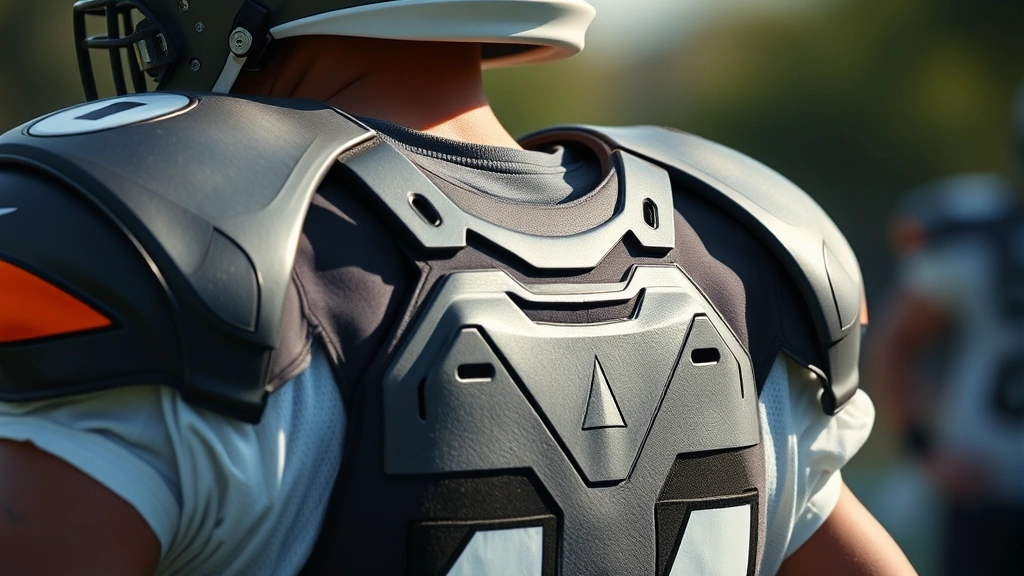
Backplates are rigid protective devices designed to shield the posterior thoracic spine and surrounding soft tissues from direct impact during football play. Constructed from materials like polycarbonate, thermoplastic, or reinforced composites, these plates sit directly against the player’s back beneath shoulder pads. Their primary function involves dispersing impact forces across a wider surface area rather than concentrating pressure on a single point.
The mechanics of backplate protection involve several key principles. When a player experiences a hit from behind—whether from a tackle, collision, or fall—the rigid backplate absorbs and redistributes that force. This distribution reduces the peak pressure applied to vulnerable spinal structures, potentially decreasing injury risk. The American College of Sports Medicine recognizes that proper equipment design significantly influences injury outcomes in contact sports.
Different backplate designs serve various purposes. Some focus on general impact protection across the entire back, while others target specific high-risk areas like the mid-spine or lower back. Thickness, material composition, and fit all affect how effectively a backplate performs its protective function. Players and coaches must understand these variations to select appropriate equipment for their specific needs.
The Science Behind Backplate Protection
Research into backplate effectiveness has produced nuanced findings that support conditional use rather than universal necessity. Studies examining impact absorption demonstrate that properly fitted backplates can reduce force transmission by 15-30% depending on impact angle and intensity. However, this protection comes with trade-offs that warrant careful consideration.
Biomechanical research shows that backplates alter a player’s movement patterns and spinal mechanics. The added rigidity changes how the spine naturally flexes and extends, potentially affecting acceleration, deceleration, and rotational movements. Some athletes report reduced range of motion, while others adapt quickly without noticeable performance decrements. Individual variation in adaptation represents a critical factor in determining whether backplates benefit specific players.
A comprehensive review published in sports medicine literature indicates that backplate effectiveness depends heavily on proper fit. Poorly fitted plates may actually increase injury risk by creating pressure points or shifting impacts to unprotected areas. Additionally, the psychological effect of wearing protective equipment can influence how aggressively players engage in contact, potentially offsetting protective benefits.
External research from the National Athletic Trainers’ Association emphasizes that equipment alone cannot prevent all injuries. Proper technique, strength training, conditioning, and rule enforcement play equally important roles in injury prevention strategies.
Expert Opinions on Backplate Necessity
Consensus among football safety experts remains divided on whether backplates represent necessary equipment or optional additions. This disagreement reflects the complexity of injury prevention in a contact sport with multiple variables affecting player safety.
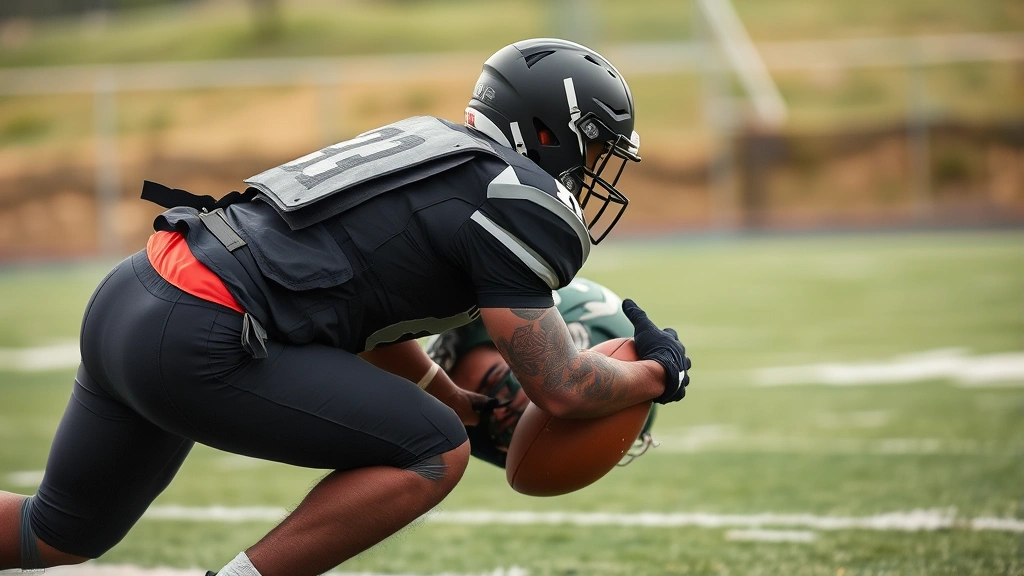
Proponents of mandatory backplates argue that any measurable reduction in injury risk justifies their use, particularly for young players whose skeletal systems remain developing. They point to documented cases where backplate wearers avoided serious spinal injuries that unprotected players suffered in similar collisions. These experts emphasize that football’s inherent contact nature makes protective equipment a reasonable precaution.
Conversely, skeptics question whether backplates address the most common injury mechanisms in football. They note that many serious back injuries result from awkward landings, overuse, or indirect trauma rather than direct posterior impacts—scenarios where backplates offer minimal protection. These experts argue that resources might be better invested in technique improvement and strength development.
Medical professionals specializing in sports injury prevention offer a middle-ground perspective. They recommend backplates for players in high-risk positions—such as linebackers, defensive linemen, and running backs—who regularly absorb high-impact collisions. For positions with lower collision frequency, they suggest backplates remain optional based on individual player preference and injury history.
When reviewing Peak Play Arena Blog discussions on football equipment, you’ll find that experienced coaches emphasize individualized equipment decisions. What works optimally for one player may not suit another, highlighting the importance of customized approaches rather than one-size-fits-all mandates.
Impact on Player Performance and Mobility
The relationship between backplate use and athletic performance represents one of the most practical considerations in the equipment debate. While backplates offer theoretical protective benefits, their actual impact on performance varies significantly among individual athletes.
Mobility constraints represent the primary performance concern. Backplates restrict spinal flexion and extension, potentially limiting a player’s ability to perform explosive movements, change direction rapidly, or maintain optimal body positioning. Defensive backs, wide receivers, and other skill position players often report feeling restricted by rigid back protection, particularly during complex cutting patterns or vertical jumping.
Conversely, linemen and inside linebackers frequently adapt well to backplate restrictions since their positions emphasize forward movement and powerful engagement rather than dynamic flexibility. These athletes often experience minimal performance degradation while potentially gaining injury prevention benefits aligned with their position’s physical demands.
Comfort and fit significantly influence whether performance impacts prove meaningful. Properly fitted backplates that distribute weight evenly across the shoulders and back cause less disruption than poorly sized equipment that creates pressure points or shifts uncomfortably during play. Coaches report that players typically require 2-4 weeks of practice wearing backplates before fully adapting their movement patterns.
Research on college football equipment usage reveals that teams at elite levels often customize backplate decisions based on individual player feedback and position-specific requirements rather than implementing uniform policies.
Cost-Benefit Analysis for Different Levels
The practical necessity of backplates shifts dramatically when considering different levels of play, from youth football through professional leagues. Cost, injury rates, and available resources vary substantially across these contexts.
Youth Football Considerations: Young players’ developing skeletal systems theoretically benefit more from protective equipment than adult athletes. However, youth football programs often operate with limited budgets, making equipment decisions financially significant. A quality backplate costs $100-300 per player, creating substantial expenses for programs outfitting entire teams. Some youth organizations mandate backplates for all players, while others make them optional or only require them for specific positions.
High School Level: Most high school athletic programs have sufficient budgets to provide optional backplates, though not all mandate their use. Coaches at this level often recommend backplates for linemen and linebackers while leaving them optional for other positions. This tiered approach balances injury prevention with practical considerations.
College and Professional: Elite-level programs typically provide backplates as optional equipment, allowing players individual choice based on preference and position. Professional athletes often make personal equipment decisions without institutional mandates, with many choosing backplates while others decline them.
Exploring football trivia about equipment evolution reveals how professional standards often influence lower levels. When NFL players widely adopt certain protective gear, youth and high school programs frequently follow, even when injury prevention data remains inconclusive.
Alternatives to Traditional Backplates
Beyond rigid backplates, several alternative approaches address spinal protection while potentially minimizing mobility constraints. Understanding these options helps players and coaches make informed equipment decisions.
Padded Compression Garments: Advanced compression shirts with integrated padding offer lighter-weight protection than rigid backplates. These garments provide impact absorption and proprioceptive feedback without significantly restricting movement. However, their protective capabilities remain inferior to rigid plates for high-impact collisions.
Flexible Protective Materials: Newer backplate designs incorporate semi-rigid materials that flex with spinal movement while maintaining impact protection. These hybrid approaches attempt to balance protection with mobility, though they typically cost more than traditional rigid plates.
Shoulder Pad Engineering: Modern shoulder pads increasingly incorporate enhanced back protection through improved padding design and material technology. High-quality pads alone may provide sufficient protection for many players, potentially eliminating the need for additional backplates.
Strength and Conditioning Programs: Perhaps the most effective alternative involves comprehensive strength training emphasizing core stability, posterior chain development, and proper movement mechanics. Strong, well-conditioned athletes sustain fewer serious injuries regardless of equipment choices.
Experts consistently emphasize that technique and conditioning matter more than equipment. Players with excellent body control and muscular development often avoid injuries that inadequately conditioned athletes suffer despite wearing maximum protection.
Best Practices for Equipment Selection
Making optimal backplate decisions requires systematic evaluation of individual circumstances, position-specific demands, and personal injury history. Following established best practices improves the likelihood that equipment choices genuinely enhance safety and performance.
Assessment Protocol: Begin by evaluating personal injury history, position-specific collision frequency, and body type. Players with previous back injuries, those playing high-impact positions, and individuals with particular vulnerability to impact injuries represent candidates for backplate consideration. Consulting with athletic trainers or sports medicine professionals provides valuable individualized guidance.
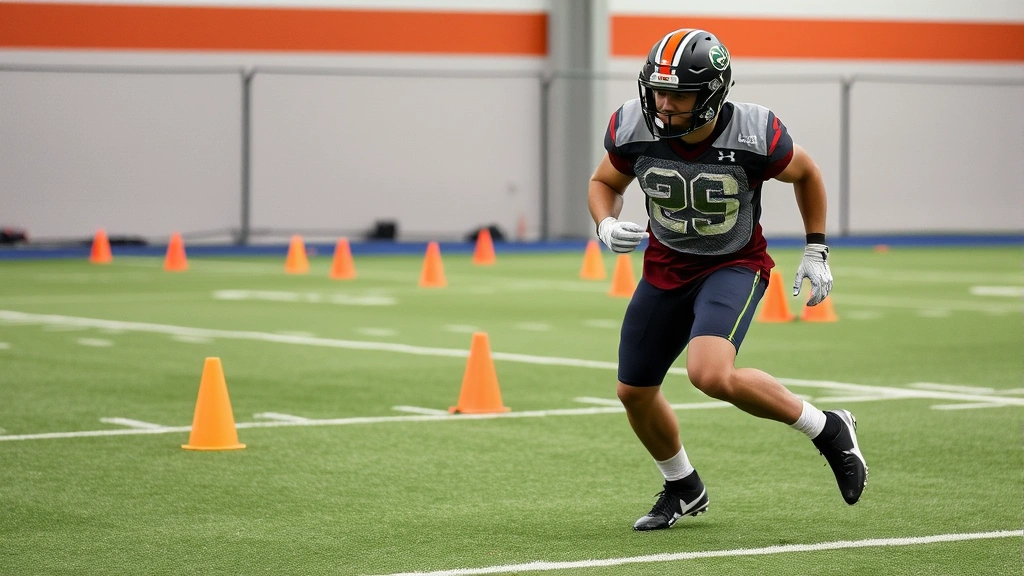
Trial and Adaptation: Rather than immediately committing to backplate use for an entire season, players should trial equipment during practice sessions before competition. This approach allows assessment of comfort, mobility impact, and performance effects under realistic conditions. A 2-4 week trial period typically suffices for determining whether backplates suit individual needs.
Proper Fitting: Backplate effectiveness depends critically on proper fit. Equipment should sit flush against the back without creating pressure points, should not shift during movement, and should integrate seamlessly with shoulder pads. Ill-fitting equipment may prove counterproductive, potentially causing discomfort or actually increasing injury risk.
Integrated Approach: View backplates as one component within comprehensive injury prevention strategies. Combine any backplate use with appropriate strength training, flexibility work, proper technique coaching, and rule compliance. This multifaceted approach addresses injury prevention more effectively than equipment alone.
Reviewing discussions on fantasy football communities reveals that even recreational players recognize that real-world injury prevention requires attention to multiple factors beyond equipment selection.
FAQ
Do professional NFL players wear backplates?
Most NFL players have access to backplates but don’t universally wear them. Usage varies by position and personal preference, with linemen more commonly wearing backplates than skill position players. Teams provide optional equipment rather than mandating backplate use.
Can backplates prevent serious spinal injuries?
Backplates can reduce injury risk in high-impact collisions by dispersing force, but they cannot prevent all spinal injuries. Many serious back injuries result from awkward movements or indirect trauma where backplates offer minimal protection. They represent one injury prevention tool among many.
At what age should young players start wearing backplates?
Youth football organizations vary in their recommendations. Some suggest backplates for all players starting around age 10-12, while others recommend them only for specific positions or players with injury history. Consult with your program’s athletic trainer or coaching staff for specific guidance.
Do backplates significantly restrict movement?
Movement restriction varies among individual athletes. Some players adapt quickly with minimal performance impact, while others experience noticeable mobility constraints. Proper fitting and a trial period help determine whether backplates suit specific players.
How much do quality backplates cost?
Quality backplates typically range from $100-300 depending on materials, construction, and brand. Some programs provide them as part of standard equipment, while others require individual purchase. This cost represents a significant consideration for programs with limited budgets.
Should backplates be mandatory in youth football?
Expert opinion remains divided. Some advocate mandatory backplates for all young players, while others recommend optional use or position-specific requirements. The decision ultimately depends on program resources, injury history, and coaching philosophy. Consulting CDC youth sports safety guidelines provides evidence-based perspectives on this decision.


