
Torino FC’s Fitness Regimen: Coach Insights and Elite Performance Strategies
Torino Football Club stands as one of Italy’s most prestigious Serie A institutions, with a storied history dating back over a century. Behind every successful season lies an intricate web of physical preparation, strategic conditioning, and scientific training methodologies that separate elite performers from the rest. The club’s coaching staff has developed a comprehensive fitness philosophy that extends far beyond basic cardiovascular work, encompassing periodized strength training, sport-specific agility drills, and recovery protocols designed to keep players performing at peak capacity throughout demanding domestic and European campaigns.
Understanding how professional football clubs like Torino maintain their players’ physical conditioning provides invaluable insights into modern sports science. Their approach combines traditional Italian football culture with cutting-edge biomechanical analysis, creating a blueprint for athletic excellence that influences clubs worldwide. This deep dive into Torino FC’s fitness regimen reveals the scientific principles, coaching methodologies, and daily practices that transform talented individuals into championship-caliber athletes capable of competing at the highest levels of European football.
The Foundation: Periodized Training Philosophy
Torino FC’s fitness coaches structure the entire training year around periodization principles, a scientifically-proven methodology that organizes training into distinct phases with specific objectives. This systematic approach prevents overtraining, manages fatigue accumulation, and ensures players peak during critical competition windows. The periodized framework divides the season into macrocycles (entire season), mesocycles (4-6 week blocks), and microcycles (weekly training units), each with carefully calibrated intensity, volume, and recovery ratios.
The preseason phase represents the foundation of Torino’s annual fitness plan, typically spanning 6-8 weeks before competitive matches resume. During this critical window, coaches emphasize aerobic base development, foundational strength restoration, and technical skill refinement following the off-season break. Players engage in extended duration, moderate-intensity sessions that rebuild cardiovascular capacity and muscular endurance without excessive competition stress. This phase also incorporates mobility work, corrective exercises addressing individual movement limitations, and gradual introduction of higher-intensity intervals.
Once the competitive season commences, Torino transitions to an in-season periodization model that balances match demands with training stimulus. Typically, the week following a match features lighter recovery sessions, technical work, and tactical development rather than high-intensity strength or conditioning efforts. The midweek training block progressively increases intensity, incorporating sport-specific intervals and competitive scenarios that mentally prepare players for upcoming fixtures. This wave-loading approach prevents chronic fatigue accumulation while maintaining competitive sharpness.
International break periods provide windows for concentrated training blocks where coaches can implement more substantial fitness interventions. Without match congestion, Torino’s strength staff can deliver higher training volumes and intensity without compromising performance in upcoming competitions. These breaks often feature focused strength blocks, tactical innovations, and comprehensive fitness assessments that inform subsequent training adjustments.
Strength and Power Development Programs
Modern football demands explosive power, dynamic stability, and muscular resilience. Torino FC’s strength coaching philosophy emphasizes functional movement patterns that transfer directly to on-pitch performance rather than isolated muscle group training. Rather than traditional bodybuilding approaches, the club’s strength staff develops programs centered on compound movements, unilateral exercises, and sport-specific resistance patterns that enhance football-relevant capabilities.
The primary strength phases follow a progressive overload model beginning with movement quality and foundational strength establishment. Coaches prioritize proper movement mechanics during squat variations, deadlift patterns, and horizontal pressing movements before progressively increasing external loads. This attention to technique reduces injury risk and maximizes neuromuscular adaptation efficiency.
Lower body strength development receives particular emphasis given football’s explosive demand for rapid acceleration, deceleration, and multidirectional change of direction. Torino implements bilateral squat variations including back squats, front squats, and tempo squats that develop maximal strength foundations. Single-leg variations such as Bulgarian split squats, pistol squat progressions, and single-leg deadlifts address unilateral strength imbalances and enhance stability during dynamic football movements where athletes regularly support body weight on single limbs.
Hip strength and glute activation receive dedicated training emphasis, reflecting research demonstrating correlations between hip strength deficiencies and lower extremity injury risk. Coaches incorporate hip thrusts, single-leg hip thrusts, lateral band walks, and Copenhagen adduction exercises that specifically target the gluteal complex and hip stabilizers. This preventative focus reduces muscle strain injuries and enhances explosive hip extension power essential for sprinting and jumping.
Plyometric training represents a critical component of Torino’s power development strategy. After establishing adequate strength foundations, players progress to explosive movements including depth jumps, single-leg bounds, lateral bounds, and reactive jump variations that train the stretch-shortening cycle. These exercises enhance rate of force development—the ability to generate maximum force quickly—a defining characteristic of elite football performance.
Upper body training often receives less emphasis than lower body work but remains important for overall athleticism, injury prevention, and positional-specific demands. Horizontal pressing movements including bench press variations, push-ups, and resistance band work develop chest, shoulder, and triceps strength. Vertical pulling patterns using chin-ups, pull-ups, and lat pulldown variations strengthen the back and arms while enhancing pulling strength relevant for contested situations.
Cardiovascular Conditioning and Match Preparation
Football demands exceptional aerobic capacity, anaerobic power, and repeated sprint ability. Modern elite players cover 10-13 kilometers per match, with numerous high-intensity efforts interspersed throughout 90 minutes. Torino’s conditioning coaches develop cardiovascular systems capable of sustaining this exceptional workload while maintaining technical and tactical quality during fatigue-induced states.
Aerobic base development forms the foundation of cardiovascular training. Extended duration, steady-state efforts at moderate intensities (around 70-80% maximum heart rate) build oxidative enzyme capacity, mitochondrial density, and aerobic enzyme systems. These adaptations enhance oxygen utilization efficiency and enable athletes to perform sustained efforts without excessive fatigue accumulation. Torino incorporates long runs, extended cycling sessions, and continuous football-specific activities that maintain aerobic work within sport-relevant contexts.
High-intensity interval training (HIIT) represents a time-efficient method for developing both aerobic and anaerobic systems simultaneously. Torino’s coaches structure HIIT protocols with varying work-to-rest ratios depending on training phase objectives. Short intervals (20-30 seconds) at near-maximal intensity with equal recovery periods develop anaerobic power and lactate tolerance. Longer intervals (3-5 minutes) at submaximal intensity with brief recovery periods enhance aerobic power and lactate threshold. This varied interval approach prevents adaptive plateaus and addresses multiple energy system demands.
Repeated sprint ability training specifically addresses football’s unique demand for multiple high-intensity efforts with incomplete recovery between efforts. Players perform sprints of 30-40 meters with 30-45 second recovery periods repeated 6-10 times. This protocol trains the phosphocreatine system recovery rate and develops mental resilience for maintaining sprint quality despite fatigue—a critical competitive advantage during final match periods.
Sport-specific conditioning integrating football movements enhances transfer to match performance. Torino implements small-sided games (3v3, 4v4 formats), possession drills, and tactical scenarios that demand high-intensity efforts within football-relevant contexts. These activities develop cardiovascular adaptations while maintaining technical proficiency and tactical awareness, creating more complete conditioning outcomes than isolated running protocols.
For additional insights into competitive football preparation, explore our college football predictions resources that analyze performance metrics across competitive levels.
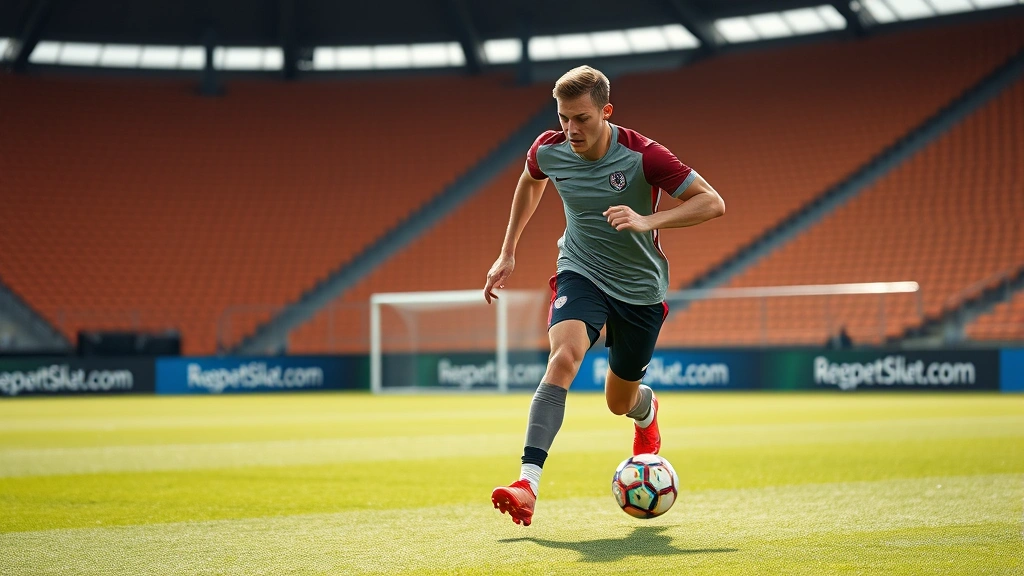
Sport-Specific Agility and Technical Training
Agility—the ability to rapidly change direction and body position with control—distinguishes elite football players from competent performers. Torino’s coaching staff develops agility through structured drills emphasizing cognitive processing speed, lower body strength, proprioceptive awareness, and movement efficiency. Rather than generic cone drills, the club emphasizes football-specific scenarios requiring reactive decision-making and explosive directional changes.
Reactive agility training presents unpredictable stimuli requiring rapid decision-making and coordinated physical response. Coaches use visual cues (hand signals, ball movement, defender positioning) that demand immediate perception and appropriate movement response. This develops the cognitive-motor integration essential for real match situations where directional changes respond to dynamic game scenarios rather than predetermined patterns.
Deceleration control receives dedicated training emphasis, recognizing that injury risk often occurs during rapid deceleration rather than acceleration. Players perform eccentric-focused exercises that strengthen muscles during lengthening phases, enhancing ability to rapidly slow momentum. Drills incorporating rapid stopping, direction reversal, and controlled deceleration movements train neuromuscular systems to safely manage high-velocity movement cessation.
Single-leg stability and proprioceptive training address the asymmetrical demands of football where athletes regularly balance and change direction while supporting body weight on single limbs. Balance board work, unstable surface training, and single-leg dynamic movements enhance proprioceptive awareness and ankle/knee stability. These adaptations reduce ankle inversion sprain risk and enhance control during competitive movements.
Technical training maintains technical proficiency while managing physical demands. Possession-based drills, rondo variations, and small-sided games develop passing accuracy, first touch quality, and decision-making speed under fatigue. By integrating technical and physical demands, Torino ensures conditioning adaptations translate directly to match performance rather than creating isolated fitness improvements disconnected from football reality.
Recovery and Injury Prevention Protocols
Elite performance demands exceptional recovery between training sessions and matches. Torino’s medical and coaching staff implement comprehensive recovery strategies recognizing that adaptation occurs during recovery periods, not during training itself. The club prioritizes sleep optimization, active recovery modalities, and injury prevention protocols that keep players healthy throughout demanding seasons.
Sleep represents the most powerful recovery intervention available. Torino coaches emphasize 8-9 hours nightly sleep duration, understanding that sleep debt impairs immune function, increases injury risk, and compromises cognitive performance. The club provides sleep environment optimization including blackout facilities, temperature control, and sleep monitoring technology that enables coaches to adjust training loads based on sleep quality metrics.
Active recovery sessions featuring light movement, mobility work, and low-intensity activities promote blood flow and waste product clearance without imposing additional physical stress. Players engage in walking, easy cycling, swimming, and dynamic stretching that enhance circulation and facilitate recovery without triggering additional fatigue. These sessions prove particularly valuable following high-intensity matches or intense training blocks.
Soft tissue therapy including massage, foam rolling, and myofascial release addresses muscle tension and enhances tissue mobility. Torino employs certified massage therapists and recovery specialists who use evidence-based techniques promoting tissue recovery and movement quality restoration. Regular soft tissue work prevents chronic tension patterns that compromise movement efficiency and increase injury vulnerability.
Cold water immersion and contrast therapy modulate inflammation and enhance recovery signaling. While research remains somewhat mixed, many elite clubs including Torino utilize ice baths and contrast water therapy (alternating hot/cold exposure) following intense training sessions. These modalities appear most beneficial for managing inflammation and subjective recovery perception, though coaches recognize they don’t replace fundamental sleep and nutrition priorities.
Injury prevention programs address modifiable risk factors before injuries occur. Torino implements systematic screening identifying movement limitations, strength imbalances, and mobility restrictions. Corrective exercise programs address individual deficiencies, preventing compensatory movement patterns that predispose athletes to injury. The American College of Sports Medicine provides evidence-based guidelines informing many prevention protocols.
Gradual return-to-play protocols follow injury rehabilitation, progressively increasing training demands as tissue healing advances. Rather than returning to full training abruptly, players progress through graduated phases incorporating increasing intensity, duration, and complexity. This cautious approach prevents re-injury while ensuring complete tissue adaptation before full competition participation.
Nutrition and Supplementation Strategy
Nutrition provides the fundamental building blocks for training adaptation and recovery. Torino employs sports nutritionists who develop individualized nutrition plans addressing each player’s energy demands, body composition objectives, and performance goals. The club recognizes that optimal nutrition significantly influences training capacity, recovery speed, and competitive performance.
Carbohydrate timing strategically supports training performance and recovery. Pre-training meals provide readily available glucose supporting high-intensity efforts. Intra-training carbohydrate provision during extended sessions (>90 minutes) maintains blood glucose levels and training intensity. Post-training carbohydrate consumption replenishes muscle glycogen stores, facilitating recovery and preparing players for subsequent training sessions. Torino implements periodized carbohydrate availability aligned with training demands—higher carbohydrate intake during high-volume training phases and lower intake during lighter recovery periods.
Protein consumption supports muscle protein synthesis and tissue repair. Torino’s nutritionists ensure adequate daily protein intake (approximately 1.6-2.2 grams per kilogram body weight) distributed across multiple meals. Post-exercise protein consumption combined with carbohydrates optimizes muscle protein synthesis during recovery windows. The club emphasizes whole food protein sources including lean meats, fish, eggs, and legumes while strategically incorporating protein supplements for convenience and rapid absorption when needed.
Micronutrient sufficiency receives attention, recognizing that intensive training increases micronutrient requirements. Iron, zinc, magnesium, and B vitamins all influence energy metabolism and recovery processes. Torino’s nutritionists monitor micronutrient status through periodic blood work, adjusting nutrition plans to address any deficiencies. While whole food sources provide primary micronutrient intake, supplementation addresses specific needs when dietary intake proves insufficient.
Hydration management remains critical for maintaining performance during training and matches. Torino implements individualized hydration protocols based on sweat rate testing, environmental conditions, and player-specific factors. Players learn to drink adequate fluids before, during, and after exercise, preventing dehydration that compromises performance and increases injury risk. The club provides electrolyte-containing beverages during extended efforts, replacing sodium losses and enhancing fluid retention.
Supplement use receives careful consideration based on scientific evidence and safety profiles. While the club emphasizes whole food nutrition, evidence-supported supplements including creatine monohydrate, beta-alanine, and caffeine receive selective implementation when appropriate. All supplements undergo rigorous evaluation regarding efficacy, safety, and anti-doping compliance before club-wide implementation.
Data Analytics and Performance Monitoring
Modern sports science enables unprecedented insight into training loads, physical demands, and individual response patterns. Torino implements comprehensive monitoring systems tracking multiple variables that inform training prescription and recovery management. This data-driven approach enables coaches to make evidence-based decisions optimizing performance while minimizing injury risk.
Global positioning system (GPS) technology quantifies external training loads during field-based activities. Devices worn during training and matches record distance covered, high-speed running distances, acceleration/deceleration efforts, and positional data. These metrics enable coaches to understand actual physical demands and ensure training sessions appropriately replicate match demands. GPS data also identifies individual performance variations, alerting coaching staff when players consistently underperform their normal output—potentially indicating fatigue, illness, or injury.
Heart rate monitoring provides insight into internal training responses independent of external activity metrics. Heart rate variability (HRV) measurements assess autonomic nervous system status, indicating recovery state and readiness for high-intensity training. Torino uses HRV monitoring to guide daily training prescription, increasing intensity on days when HRV indicates good recovery and reducing demands when HRV suggests elevated fatigue or stress.
Countermovement jump testing provides objective measurements of lower body power and neuromuscular status. Regular testing reveals power fluctuations indicating fatigue accumulation or recovery adequacy. Declining jump performance despite consistent training suggests inadequate recovery, prompting coaching staff to implement additional recovery interventions or reduce training intensity.
Session rating of perceived exertion (sRPE) quantifies subjective training difficulty by multiplying session duration by perceived difficulty rating. This simple metric correlates well with objective training load measures and provides valuable information from the athlete’s perspective. Torino uses sRPE data alongside objective metrics, recognizing that athlete perception provides important contextual information regarding training tolerance.
Biochemical markers including cortisol, testosterone, and immune function indicators reveal systemic responses to training stress. Periodic blood work identifies overtraining states or inadequate recovery, enabling coaches to adjust training loads before performance declines or illness occurs. While regular biochemical monitoring proves expensive, elite clubs like Torino utilize this information strategically during critical training phases.
Video analysis enables detailed assessment of movement quality, tactical execution, and technical proficiency. Coaches review match and training footage identifying technical errors, tactical breakdowns, and individual performance patterns. This qualitative analysis complements quantitative metrics, providing comprehensive performance understanding. For additional competitive analysis perspectives, explore our Texas Longhorns Football vs Oklahoma Sooners Football Stats resource examining performance metrics across different competitive contexts.
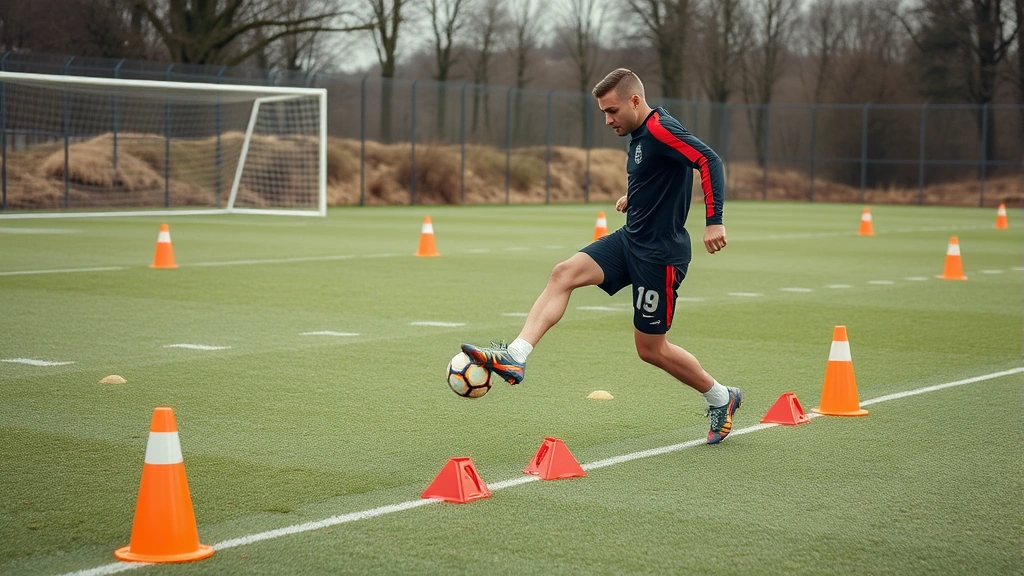
Integration of multiple monitoring systems enables sophisticated training prescription. Coaches synthesize GPS data, heart rate information, subjective ratings, and performance test results into comprehensive athlete profiles. This integrated approach enables personalized training modifications addressing individual needs and response patterns. Rather than applying standardized training prescriptions to all athletes, data-driven individualization optimizes outcomes for diverse players with varying physiological characteristics and adaptation responses.
For additional insights into football performance analytics and strategic planning, explore our Peak Play Arena Blog offering comprehensive coverage of elite athletic preparation across sports.
FAQ
What is the typical weekly training structure for Torino FC players?
Torino typically implements a structure where the day immediately following matches features light recovery sessions with mobility work and technical drills. Intensity progressively increases mid-week with high-intensity intervals and sport-specific conditioning. Friday sessions typically feature lighter work, tactical review, and mental preparation for upcoming matches. This wave-loading approach balances match demands with training stimulus while preventing overtraining.
How does Torino address individual player differences in training prescription?
Comprehensive monitoring systems including GPS tracking, heart rate monitoring, and performance testing reveal individual response patterns. Coaches adjust training loads, intensity, and recovery interventions based on these metrics rather than applying standardized prescriptions. Positional demands also influence programming—defenders and midfielders typically accumulate different running distances than forwards, necessitating position-specific training modifications.
What role does technology play in Torino’s fitness development?
Technology enables unprecedented insight into training loads and individual responses. GPS systems quantify running distances and high-intensity efforts. Heart rate monitoring reveals autonomic status and recovery adequacy. Video analysis enables detailed movement assessment. Jump testing tracks neuromuscular status. This integrated data informs evidence-based training prescription, enabling coaches to optimize individual athlete development.
How does Torino balance training intensity with injury prevention?
Systematic screening identifies movement limitations and strength imbalances predisposing players to injury. Corrective exercise programs address these deficiencies proactively. Gradual training load progression prevents acute overload injuries. Comprehensive recovery protocols including sleep optimization, soft tissue therapy, and active recovery manage fatigue and promote tissue healing. Careful monitoring enables coaches to reduce training demands when overtraining indicators emerge.
What nutrition strategies support Torino players’ performance demands?
Individualized nutrition plans address each player’s energy demands and body composition goals. Carbohydrate intake timing strategically supports training performance and recovery. Adequate protein consumption (1.6-2.2g/kg body weight) supports muscle adaptation. Micronutrient sufficiency receives monitoring through periodic blood work. Strategic supplementation addresses specific needs when whole food sources prove insufficient. Hydration protocols based on individual sweat rates maintain optimal fluid status.
How does periodization prevent overtraining and maintain peak performance?
Periodization structures training into distinct phases with specific objectives. Preseason emphasizes aerobic base and foundational strength. Early season gradually introduces match-specific demands. In-season programming balances match demands with training stimulus, preventing chronic fatigue accumulation. International breaks enable concentrated training blocks for fitness development. This systematic approach manages fatigue while ensuring players peak during critical competition windows.
What distinguishes Torino’s approach from other Serie A clubs?
While specific methodologies vary, Torino emphasizes integration of cutting-edge sports science with traditional football culture. Comprehensive monitoring systems enable data-driven decision-making. Individualized programming addresses player-specific needs rather than applying standardized approaches. Strong emphasis on injury prevention through systematic screening and corrective exercise. Holistic athlete development considering physical, technical, tactical, and psychological dimensions.
How does Torino prepare players for European competition demands?
European competitions add fixture congestion and travel stress requiring exceptional recovery management. Torino emphasizes sleep optimization and active recovery during congested periods. Training loads reduce while maintaining technical and tactical quality. Periodized approaches plan recovery strategically during international breaks. Comprehensive monitoring enables early identification of overtraining or illness, enabling proactive management before performance declines. Mental preparation for travel-related stress and fixture congestion receives dedicated attention.


