Hillsborough Disaster’s Impact on Stadium Safety: How One Tragedy Changed Football Forever
On April 15, 1989, the Hillsborough Football Stadium in Sheffield, England became the site of one of the most devastating disasters in sports history. During an FA Cup semi-final match between Liverpool and Nottingham Forest, a catastrophic crush in the Leppings Lane terrace claimed 97 lives, with a 98th victim passing away years later from injuries sustained that day. This unprecedented tragedy sent shockwaves through the global sports community and fundamentally transformed how stadiums approach crowd management, safety protocols, and venue design. The Hillsborough disaster remains a watershed moment that reshaped stadium safety standards across the world.
The impact of this tragedy extends far beyond the immediate loss of life. It sparked comprehensive investigations, led to revolutionary changes in stadium infrastructure, and established new international benchmarks for public safety at sporting events. From architectural innovations to technological advancements, the lessons learned from Hillsborough have prevented countless potential disasters and saved numerous lives in the decades since. Understanding how this tragedy influenced modern stadium safety is essential for anyone interested in sports history, facility management, or public safety protocols.
What Happened at Hillsborough
The Hillsborough disaster occurred during an FA Cup semi-final replay between Liverpool Football Club and Nottingham Forest on April 15, 1989. The match was scheduled to take place at Sheffield Wednesday’s Hillsborough Stadium, a venue that would become infamous for the tragedy that unfolded. Liverpool supporters were allocated the Leppings Lane end of the stadium, a terrace section designed with standing room only—a common practice in British football stadiums during that era.
As kick-off approached, thousands of Liverpool fans converged on the Leppings Lane entrance. The turnstiles controlling entry to this section became severely congested, and match officials made the fateful decision to open the exit gates to relieve the pressure building outside. This decision, intended to prevent injuries from the crush outside the stadium, instead created a catastrophic bottleneck inside. Fans flooded through Gate C directly onto the already dangerously overcrowded terrace, where inadequate barriers and poor crowd flow management created a perfect storm of disaster.
The crush that followed was horrific and rapid. Fans in the center pens of the Leppings Lane terrace found themselves trapped between steel barriers, unable to move forward, backward, or sideways. The weight of the crowd behind them became unbearable, and people began falling and being trampled. Emergency services struggled to respond effectively due to the chaotic scene and inadequate access points. By the time the match was stopped and emergency protocols initiated, 97 people had been fatally crushed, with hundreds more suffering serious injuries. The youngest victim was 10 years old, while the oldest was 67.
Immediate Aftermath and Investigations
The immediate aftermath of the Hillsborough disaster was marked by confusion, grief, and a desperate search for answers. The disaster prompted multiple official inquiries, most notably the Taylor Inquiry, led by Justice Lord Taylor, which published its interim report just weeks after the tragedy. This comprehensive investigation examined every aspect of the disaster, from crowd management practices to stadium design flaws to police procedures.
The Taylor Inquiry identified numerous contributing factors to the tragedy. Poor stadium design, inadequate crowd management systems, insufficient communication between officials, and a lack of understanding about crowd dynamics all played roles in the disaster. The report revealed that Hillsborough Stadium had significant safety deficiencies, including narrow pens that funneled supporters into dangerous configurations and barriers that trapped rather than protected attendees. These findings were damning and led to immediate calls for comprehensive reform across the football industry.
The investigations also examined the police response and crowd control measures. It became clear that the decision to open Gate C, while made with the intention of preventing external crushes, demonstrated a fundamental misunderstanding of crowd dynamics and risk management. The inquiry’s findings were not merely critical—they were transformative, providing the evidence base necessary to justify sweeping changes to how stadiums operated across the United Kingdom and eventually worldwide.
For families of victims and survivors, the investigation process was long and painful. Many felt that justice was delayed and incomplete, with questions about police accountability taking decades to fully address. However, the investigations did produce concrete recommendations that would reshape stadium safety forever. The determination to transform tragedy into positive change became the driving force behind what would become known as the “Hillsborough Legacy.”
Stadium Safety Reforms and Changes
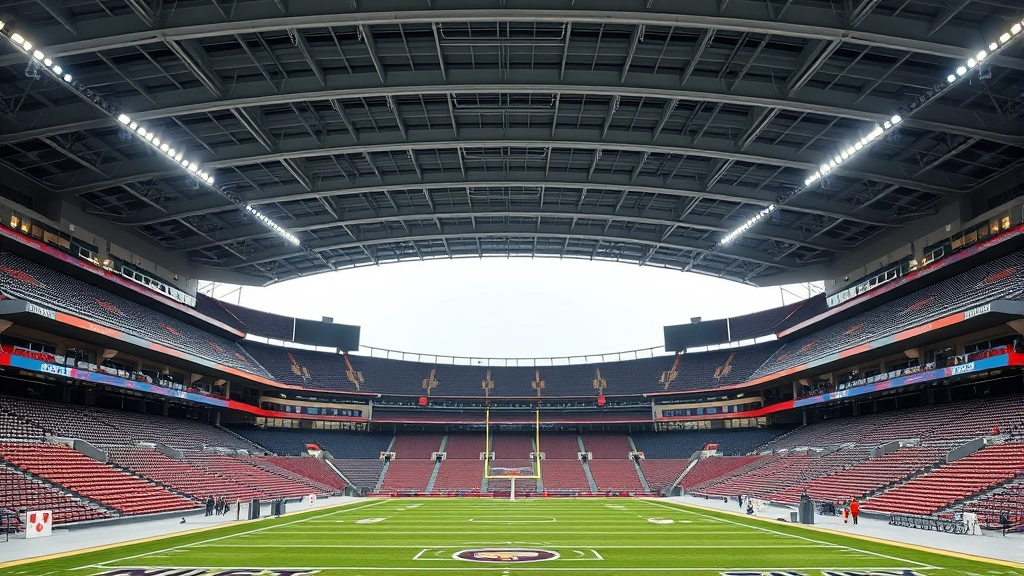
The Taylor Inquiry’s recommendations led to the most comprehensive overhaul of stadium safety standards ever undertaken. One of the most significant changes was the gradual elimination of standing-room-only terraces in major football stadiums. The all-seating requirement, particularly for top-division clubs in England, represented a seismic shift in how football matches were experienced. This change alone fundamentally altered crowd dynamics and eliminated the type of dangerous pen configurations that contributed to the Hillsborough disaster.
Capacity management became a central focus of reform efforts. Stadiums implemented sophisticated ticketing systems, turnstile upgrades, and more precise crowd monitoring. The lessons learned directly influenced how venues manage admission, with new protocols ensuring that areas never become dangerously overcrowded. Modern stadiums now employ structural engineering standards that account for crowd behavior and pressure distribution in ways that were not considered before Hillsborough.
Emergency access and egress routes were completely redesigned. Stadiums began implementing wider exits, better signage, and clearer emergency procedures. The concept of “crowd management” evolved from basic turnstile operations to sophisticated science involving crowd flow modeling, risk assessment, and dynamic response systems. Check out our Peak Play Arena Blog for more insights on how modern sports facilities operate.
Police and steward training protocols underwent radical transformation. Rather than viewing crowds as potential threats to be controlled through force, the new approach emphasized understanding crowd psychology and facilitating safe movement. This cultural shift in how authorities approached crowd management has had lasting benefits far beyond football stadiums, influencing concert venues, festivals, and other large gatherings worldwide.
Architectural Innovations Following Hillsborough
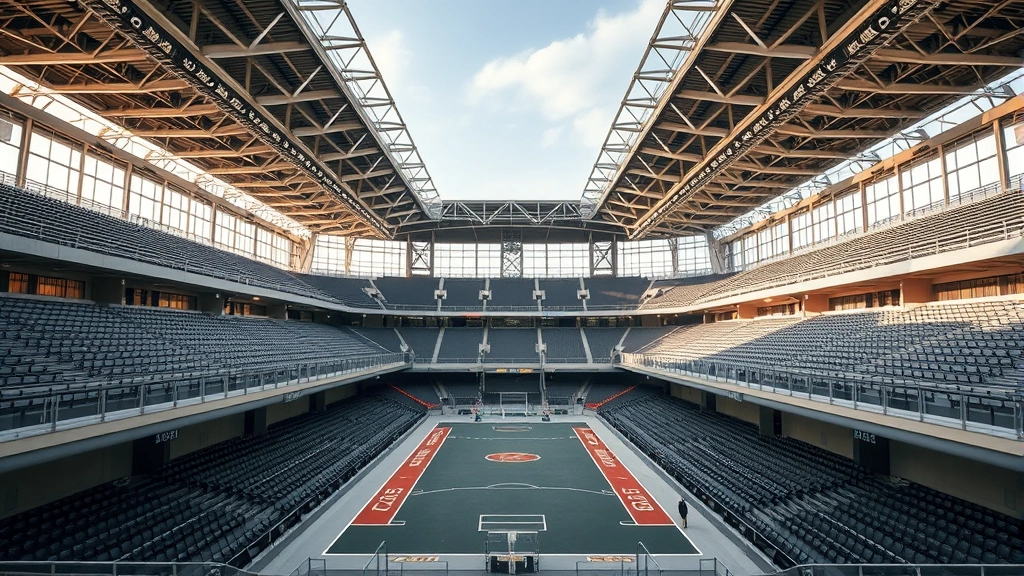
The architectural changes implemented following the Hillsborough disaster represented a complete reimagining of stadium design principles. Engineers and architects began incorporating crowd safety as a primary design consideration, not an afterthought. The removal of dangerous pen configurations meant redesigning entire sections of stadiums, a costly but essential undertaking.
Modern stadiums now feature improved sight lines that help stewards monitor crowd conditions more effectively. Barrier placement has been revolutionized to facilitate rather than impede crowd movement. The days of creating human pens where people could be trapped have ended, replaced by designs that allow people to move freely and distribute their weight across wider areas.
Capacity limits became more scientifically determined, based on actual crowd flow analysis rather than arbitrary figures. Stadiums invested in better ventilation systems, improved amenities, and more spacious concourses that allow crowds to move without dangerous compression. These changes sometimes reduced stadium capacity, but the safety benefits far outweighed the loss of ticket revenue.
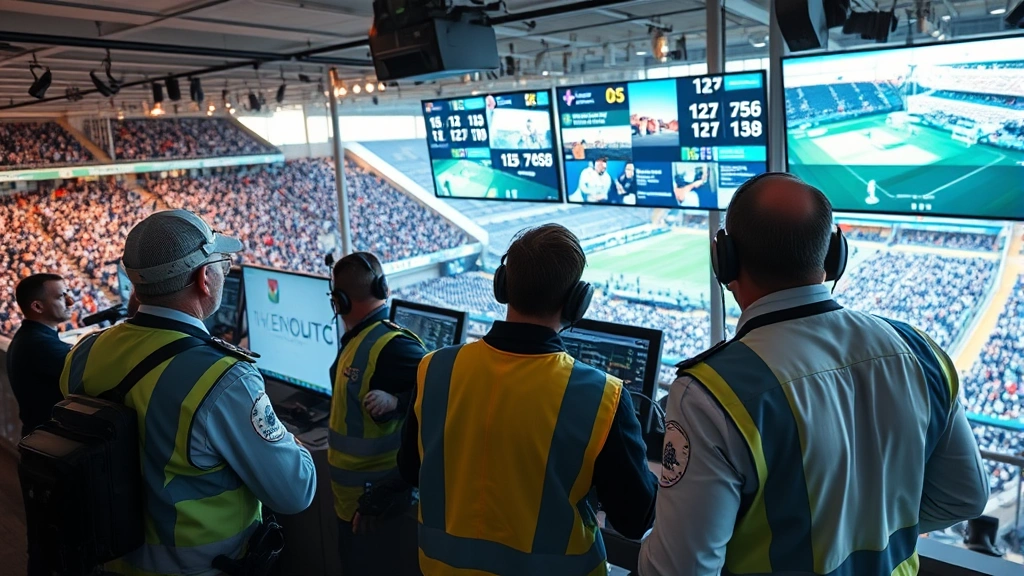
The implementation of modern safety features like CCTV systems, real-time crowd monitoring technology, and communication systems between stewards and emergency services became standard. These technological innovations allow stadium operators to detect and respond to dangerous crowd conditions before they escalate into emergencies. Modern control rooms can now monitor dozens of camera feeds simultaneously, identifying potential problems in real time.
Accessible emergency routes became a non-negotiable requirement. Every seat in a modern stadium must have a clear path to safety, with adequate width and proper signage. Evacuation procedures are tested regularly, and staff are trained extensively in crowd management protocols. These architectural and operational innovations have made modern stadiums exponentially safer than their predecessors.
Global Impact on Sports Venues Worldwide
While the Hillsborough disaster occurred in England, its impact rippled across the globe. Sports venues worldwide recognized that the dangers identified in Sheffield could exist in any stadium where crowds gathered. International sporting bodies began implementing safety standards inspired by the Taylor Inquiry’s recommendations.
Major sporting events like the Olympics, World Cup, and international championships all incorporated Hillsborough lessons into their planning and operations. Venues hosting these events implemented all-seating requirements, improved crowd management protocols, and enhanced emergency response systems. The disaster became a cautionary tale that unified the global sports community around safety priorities.
Different countries adapted the lessons in ways appropriate to their contexts. Some nations implemented strict all-seating requirements, while others developed more flexible approaches that maintained standing areas but with significantly improved safety measures. Regardless of the specific implementation, the fundamental principle remained the same: crowd safety must be the paramount consideration in stadium design and operations.
The influence extended to non-football venues as well. Concert halls, music festivals, and other large gathering spaces began implementing crowd management principles derived from Hillsborough research. The disaster’s legacy helped establish crowd science as a legitimate field of academic study, with universities around the world now offering courses on crowd dynamics and safety management. For more context on sports history, explore our Sports Trivia Questions and Answers section.
Modern Stadium Safety Standards and Best Practices
Today’s stadium safety standards represent the culmination of decades of learning from the Hillsborough disaster and other incidents. The American College of Sports Medicine and similar organizations worldwide have developed comprehensive guidelines for venue safety. These standards cover everything from structural integrity to crowd management to emergency response protocols.
All-seating requirements in major league stadiums have become the norm in most developed nations. This single change eliminated the most dangerous crowd configurations while maintaining the capacity to host large events. Seats also provide better comfort and allow for more accurate capacity management, as each person has an assigned location.
Modern crowd management employs sophisticated data analysis and real-time monitoring. Stewards are positioned strategically throughout venues, equipped with communication devices that allow them to report conditions to central control rooms. If crowd density in any area approaches dangerous levels, management can immediately implement measures like closing entry gates or opening additional exits to redistribute the crowd.
Emergency response protocols are now extensively tested and regularly updated. Stadiums conduct evacuation drills, train staff continuously, and maintain relationships with local emergency services. First aid stations are strategically positioned throughout venues, and medical personnel are on-site during all events. The integration of medical response with crowd management has significantly improved outcomes in the rare situations where emergencies do occur.
Technology plays an increasingly important role in modern stadium safety. CCTV systems with AI-powered crowd density analysis can identify dangerous situations before they develop. Mobile apps allow attendees to report safety concerns directly to management. Weather monitoring systems help predict and prepare for conditions that might affect crowd behavior. These technological advances would have been impossible before Hillsborough highlighted the critical need for better monitoring and communication.
The Lasting Legacy of Hillsborough
The Hillsborough disaster’s legacy extends far beyond stadium safety, touching on issues of justice, accountability, and societal responsibility. For decades, families of victims fought for complete accountability and recognition of what had happened. Their determination led to inquiries that continued decades after the initial tragedy, eventually resulting in criminal charges against match officials and police officers involved in the disaster.
The disaster became a powerful symbol of the importance of prioritizing human safety over economic considerations. While implementing all-seating requirements and safety improvements cost stadiums millions of pounds, the football industry recognized that no amount of ticket revenue justified risking lives. This fundamental shift in values has influenced not just sports but broader attitudes about public safety and corporate responsibility.
Memorials to the 97 victims serve as permanent reminders of the importance of safety vigilance. The Shankly Gates at Liverpool Football Club’s Anfield stadium bear the names of those who died, ensuring that their memory inspires continued commitment to safety. Annual commemorations keep the lessons of Hillsborough alive in the consciousness of the football community and the public.
The disaster also highlighted the importance of listening to eyewitness accounts and victims’ voices in safety investigations. Survivors and families provided crucial testimony that helped investigators understand exactly what had happened and why. This recognition of victims’ perspectives has influenced how subsequent disasters are investigated and how safety improvements are designed.
Perhaps most importantly, Hillsborough demonstrated that tragedy can catalyze positive change. The comprehensive reforms implemented following the disaster have prevented countless potential disasters at stadiums and other venues worldwide. While the loss of 97 lives can never be justified or compensated, the commitment to transforming safety practices in their memory represents a powerful legacy. For more information about football history and modern sports operations, visit our College Football Predictions and High School Football Scores pages.
The Hillsborough disaster remains relevant today as a reminder that safety requires constant vigilance, investment, and a willingness to challenge established practices. As new venues are built and existing ones are upgraded, the principles established in response to Hillsborough continue to guide decision-making. The disaster’s impact on stadium safety is perhaps the most significant positive legacy that could emerge from such a tragedy—a legacy that continues to save lives decades later.
FAQ
How many people died in the Hillsborough disaster?
97 people died as a result of the Hillsborough disaster on April 15, 1989, with a 98th victim, Andrew Devine, passing away in 2021 from injuries sustained during the crush. The victims ranged in age from 10 to 67 years old.
What was the main cause of the Hillsborough disaster?
The primary cause was a catastrophic crush in the Leppings Lane terrace caused by a combination of factors: overcrowding, inadequate crowd management, poor stadium design with dangerous pen configurations, and the decision to open exit gates that funneled additional supporters into an already dangerously packed area.
What changes did Hillsborough lead to in football stadiums?
Major changes included the implementation of all-seating requirements in top-division stadiums, improved emergency access and egress routes, better crowd management protocols, enhanced communication systems between stewards and emergency services, and more sophisticated capacity management and monitoring systems.
How did the Taylor Inquiry influence stadium safety?
The Taylor Inquiry provided detailed recommendations that became the foundation for comprehensive stadium safety reforms. Its findings led to the all-seating requirement, better architectural design standards, improved emergency procedures, and new approaches to crowd management based on scientific understanding of crowd dynamics.
Has Hillsborough influenced safety at non-football venues?
Yes, the lessons from Hillsborough have been applied to concert venues, festivals, and other large gathering spaces worldwide. The disaster helped establish crowd science as an academic field and influenced international safety standards for any venue hosting large crowds.
What technology is now used to prevent crowd disasters?
Modern stadiums employ CCTV systems with AI-powered crowd density analysis, real-time monitoring of crowd conditions, mobile apps for reporting safety concerns, weather monitoring systems, and sophisticated communication networks that allow stewards to respond immediately to developing problems.


