
Waiver Wire Week 3 Picks: Expert Insights for Fantasy Football Success
Week 3 of the fantasy football season is your golden opportunity to capitalize on early-season surprises and pivot away from underperforming draft picks. The waiver wire is where championships are won, not lost, and this week presents several compelling targets that could transform your roster. Whether you’re streaming defenses, hunting for breakout running backs, or searching for wide receiver depth, the pickings are rich with potential game-changers who’ve earned increased opportunity through performance or circumstance.
The key to waiver wire dominance is understanding opportunity, matchups, and the delicate balance between upside and consistency. After two weeks of data, we can identify which players are seeing increased snap counts, target shares, and red zone touches—the true indicators of fantasy relevance. This guide breaks down the most valuable waiver wire targets heading into Week 3, organized by position and backed by expert analysis.

Running Back Targets: Finding the Next Bellcow
Running back depth is the foundation of any championship fantasy team, and Week 3 waiver wire activity should focus on identifying players poised to handle increased workload. After two weeks, snap count trends become increasingly reliable indicators of usage patterns. Look for backs who’ve increased their carries week-over-week, especially those in offenses struggling with passing efficiency or facing upcoming defenses that rank poorly against the run.
The most valuable targets are change-of-pace backs who’ve earned more touches through superior performance or injury to the starter. These players often go unnoticed because they weren’t drafted, but their opportunity is real and measurable. Check your league’s fantasy football sleepers for additional context on undervalued options. Pay special attention to backfields where the primary back has fumbled, averaged fewer than 4 yards per carry, or is dealing with soft tissue injuries that may linger.
Volume is king in fantasy football, and running backs who touch the ball 15+ times per game in Week 1 and Week 2 are candidates for consistent fantasy production. Compare their snap counts to their teammates—if a backup is playing 30% of snaps, he’s in position for a significant role. Consider the team’s offensive line quality, recent injuries, and upcoming schedule. A backup running back facing the league’s worst run defense in Week 3 becomes exceptionally valuable on the waiver wire.
Wide Receiver Sleepers: Exploiting Target Share Growth
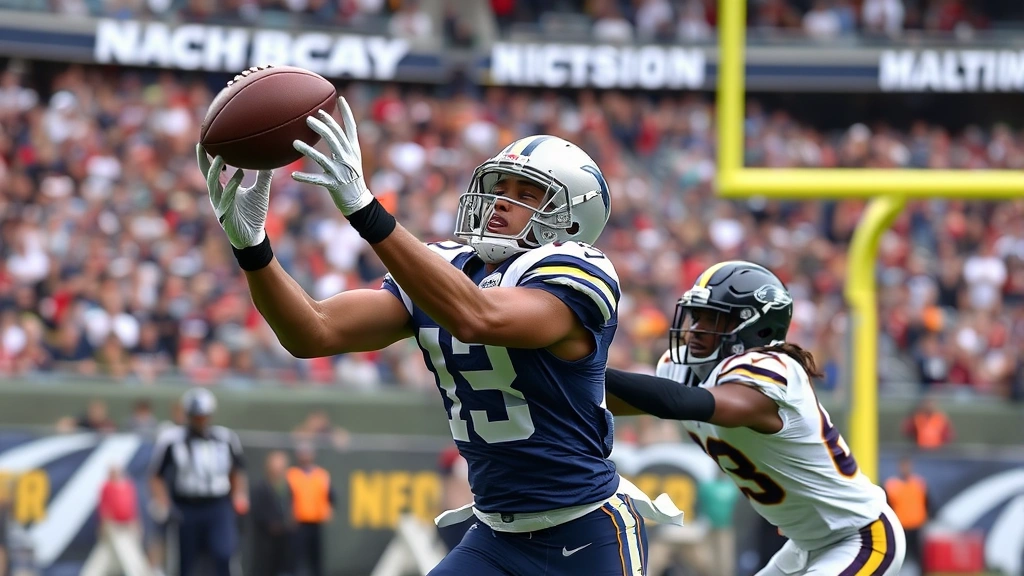
Wide receiver is the deepest position in fantasy football, which means the waiver wire is consistently loaded with receivers who are gaining traction in their respective offenses. Target share is the most predictive metric for wide receiver success—players receiving 20%+ of their team’s targets are positioned for consistent production regardless of catch rate variance.
Week 3 is ideal for identifying receivers whose target share increased from Week 1 to Week 2, signaling that the offensive coordinator is growing confident in their abilities. New players entering the lineup due to injury or scheme adjustments often experience immediate target bumps. Additionally, receivers with favorable upcoming matchups—facing cornerbacks ranked in the bottom third of the league—deserve priority on the waiver wire.
The fantasy football rest of season rankings can help you identify which receivers have the most favorable remaining schedule. Slot receivers in PPR leagues are particularly valuable because their target volume tends to be consistent and high. Check if any receivers have moved into the slot recently, as this typically correlates with increased touches. Young receivers entering their second or third season sometimes experience breakout weeks as offensive coordinators gain confidence—these are your diamonds in the rough on the waiver wire.
Don’t overlook receivers on high-powered offenses that are winning games convincingly. Teams that are ahead in games throw more passes, and receivers on these teams see increased target opportunities. Conversely, receivers on struggling offenses may see volume but face negative game script where their team is playing from behind with limited time for passing plays.
Tight End Opportunities: Navigating a Volatile Position
Tight end is historically the most volatile position in fantasy football, making waiver wire pickups critical for sustained success. After two weeks, you can identify tight ends whose snap counts and target share suggest they’re becoming featured components of their offense. The position rewards opportunity above all else—a tight end playing 80%+ of snaps with 8+ targets is viable, while a part-time player with limited touches is not.
Focus on tight ends who’ve increased their snap percentage from Week 1 to Week 2, especially if they’re in offenses with productive passing games. Red zone target share is particularly important at tight end, as many of these players score the majority of their fantasy points through touchdowns. A tight end with 2-3 red zone targets per game is more valuable than one with 8 targets in non-scoring situations.
Injuries at the position create immediate opportunities—backup tight ends who enter the lineup as the primary pass catcher often see dramatic usage increases. These situations are ideal for waiver wire targeting because the opportunity is guaranteed and immediate. Additionally, tight ends on teams with inefficient passing attacks may see more volume simply because the offense is forced to lean on check-downs and short passing routes.
Defense and Special Teams Streaming: Weekly Matchup Exploitation
Defense streaming is one of the most underutilized strategies among casual fantasy players, yet it’s a consistent source of weekly points for competitive teams. Rather than holding a defense, identify which defenses face the worst passing or rushing offenses in Week 3 and prioritize those matchups. Defenses facing quarterbacks who’ve thrown multiple interceptions or teams with inefficient running attacks are prime targets.
Look at offensive efficiency metrics rather than just raw statistics. A team averaging 2.5 yards per carry against a defense that allows 4.8 yards per carry is a strong matchup, but only if the defense has the personnel to exploit it. Consider defensive rankings, injury status, and upcoming bye weeks when making streaming decisions. A defense in a bye week should never be rostered; instead, identify the next available matchup-based option.
Special teams scoring, particularly kicker performance, is influenced by offensive efficiency and red zone frequency. Kickers on high-scoring offenses that efficiently move the ball into the red zone are more valuable than those on struggling teams. Defense scoring is more volatile, but consistent matchup-based decisions outperform holding a single defense across multiple weeks with unfavorable matchups.
Injury-Driven Pickups: Capitalizing on Circumstance
Injuries create opportunity in fantasy football, and the waiver wire immediately reflects these changes. When a starting player is ruled out for Week 3, their backup becomes significantly more valuable. The key is identifying which backup roles translate to meaningful fantasy production. Not all backups are created equal—some are change-of-pace specialists or defensive specialists, while others are true fill-in starters.
Monitor injury reports throughout the week, particularly on Tuesday and Wednesday when official designations are announced. A player ruled out for Week 3 creates immediate clarity about who will assume their role. Additionally, watch for players dealing with soft tissue injuries that may linger or worsen—these players are candidates for reduced snaps even if they’re technically available to play.
The most valuable injury-related pickups are those where the backup is a true starter-quality player. If a team’s #1 running back is injured and replaced by a former first-round pick, that backup becomes a league-winning pickup. Conversely, if the backup is a career backup or late-round pick, the production ceiling is lower. Research the backup’s history, draft capital, and role in the offense before committing waiver wire resources.
Waiver Wire Strategy and Positioning: Maximizing Your Moves
The waiver wire process varies by league, but understanding your league’s specific rules is critical for success. First-come-first-served leagues reward activity and quick decision-making, while inverse-order and FAAB (Free Agent Acquisition Budget) leagues reward strategic planning and resource management. Identify your league’s system and adjust your approach accordingly.
In FAAB leagues, establishing a budget framework is essential. Allocate approximately 30-40% of your total budget for high-impact pickups, reserving the remainder for streaming options and late-season depth. Avoid spending your entire budget in Week 3; the waiver wire remains active through the entire season, and future opportunities will emerge.
Priority and inverse-order waiver systems reward patience and strategic thinking. If you’re low on the waiver order, target players in the second or third tier of value rather than competing for consensus top targets. These mid-tier pickups often provide excellent value and face less competition. Additionally, consider your roster construction when making claims—filling a position of need is more valuable than stashing a backup at a position where you have depth.
Network with other league members and pay attention to their roster construction. If you know a league member is weak at tight end, they may use significant waiver resources on that position, allowing you to prioritize other positions. This meta-analysis of league tendencies provides valuable information for strategic waiver wire positioning.
Set up alerts for injury reports, snap count updates, and target share changes. Real-time information is critical for waiver wire success, particularly in leagues where moves are processed immediately. Follow beat reporters for your favorite teams, subscribe to injury report services, and check Peak Play Arena Blog for updated weekly analysis and recommendations.
Document your waiver wire picks and their outcomes. Over a full season, you’ll identify patterns in which positions provide the best value, which offenses produce consistent fantasy output, and which backup roles translate to meaningful production. This historical data becomes invaluable for making informed decisions in future seasons and throughout the current season as circumstances change.
Remember that the waiver wire is not a one-time event in Week 3—it’s an ongoing process throughout the season. The most successful fantasy managers are those who remain active, adapt to changing circumstances, and consistently identify undervalued opportunities. Week 3 pickups should be evaluated not just for immediate impact but for their role in your team’s long-term success and remaining schedule.
FAQ
What’s the best strategy for FAAB waiver wire spending in Week 3?
Allocate 30-40% of your total FAAB budget for Week 3 pickups, prioritizing players with clear increased opportunity and favorable upcoming schedules. Reserve the remaining budget for streaming options and future high-impact pickups. Research which players your league mates are likely targeting and consider contrarian picks in positions where league competition is lower.
How do I identify which backup running backs will produce fantasy points?
Focus on snap count percentage (aim for 40%+ of team snaps), carry share (15+ carries per game), and red zone touches (2+ per game). Compare these metrics to the starter’s usage and evaluate the team’s recent offensive efficiency. Additionally, check the backup’s draft capital and historical role—former high-round picks typically outperform late-round options.
Should I prioritize matching up defenses or holding a consistent defense through Week 3?
Streaming defenses based on matchups outperforms holding a single defense in most cases. Identify defenses facing the worst passing or rushing offenses and prioritize those matchups. However, if you’ve drafted an elite defense with favorable upcoming matchups, you may consider holding rather than streaming.
What metrics matter most for evaluating wide receiver waiver wire targets?
Target share (20%+ is ideal), red zone target share, snap count percentage (60%+), and upcoming schedule are the most predictive metrics. Additionally, monitor whether target share is increasing week-over-week, signaling growing offensive coordinator confidence. In PPR leagues, slot receivers with consistent volume are particularly valuable.
How early should I submit waiver claims for Week 3?
Submit claims as early as your league allows. In first-come-first-served leagues, immediate submission is critical. In inverse-order and FAAB leagues, submit claims after analyzing all available information and comparing your budget allocation strategy. Most leagues process waivers on Tuesday morning, so claims should be submitted by Monday night at the latest.


