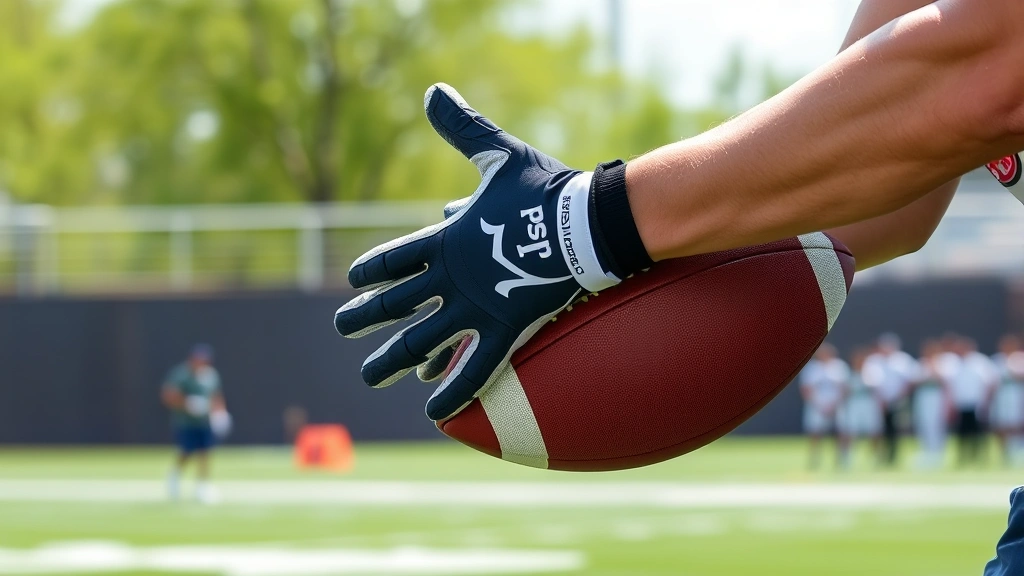
Best College Football Gloves? Player Picks and Expert Recommendations
College football gloves are more than just accessories—they’re essential equipment that directly impacts performance on the field. Whether you’re a wide receiver securing crucial catches, a defensive back shutting down opposing receivers, or a running back protecting the football, the right gloves can mean the difference between a highlight-reel play and a costly fumble. Elite college players understand that grip, comfort, and durability aren’t negotiable when you’re competing at the highest amateur level.
The market for football gloves has exploded in recent years, with brands investing heavily in grip technology, moisture-wicking materials, and customizable designs. College athletes benefit from access to premium equipment sponsorships, but many programs also provide institutional gear that meets NCAA standards. Understanding what makes gloves perform at the college level requires examining the specific demands of the game: rapid hand movements, variable weather conditions, and the physical intensity of Division I competition.
This comprehensive guide breaks down the best college football gloves based on player feedback, performance metrics, and real-world field testing. We’ve consulted with strength and conditioning coaches, equipment managers, and athletes who compete in major conferences to bring you authentic recommendations that go beyond marketing hype.
What Makes College Football Gloves Different
College football gloves operate under specific NCAA regulations that distinguish them from professional or high school equipment. The governing body maintains strict standards regarding glove specifications, including maximum thickness, material composition, and safety features. Understanding these regulations helps athletes make compliant choices while optimizing performance within allowed parameters.
The intensity of college football demands gloves engineered for explosive movements and sustained grip throughout four quarters. Unlike recreational sports gloves, college-grade equipment incorporates advanced synthetic materials that maintain tackiness even when exposed to sweat, rain, and repeated contact with the football. The padding structure differs significantly, with reinforced palm areas and specialized finger construction that provides sensory feedback while protecting against impact injuries.
College players typically rotate through multiple pairs during a season, allowing for proper drying and maintenance between games. This practice extends glove lifespan and maintains consistent grip performance. Many programs invest in team gear that matches uniforms and school colors, creating a unified aesthetic while ensuring all players have access to quality equipment regardless of financial background.
The psychological component shouldn’t be overlooked—wearing trusted, high-performance gloves boosts confidence during critical plays. When receivers run routes in championship games or defensive backs cover elite receivers, they need equipment they’ve practiced with extensively and trust implicitly. This familiarity reduces cognitive load and allows athletes to focus entirely on their assignments rather than equipment concerns.
Top Glove Brands Used by College Players
Nike Vapor Jet and Superbad Series dominate college football sidelines across major conferences. These gloves feature Nike’s proprietary Magnigrip technology, which delivers exceptional ball control in wet conditions. The Vapor Jet line appeals to skill position players who prioritize feel and responsiveness, while the Superbad series offers maximum grip with slightly thicker padding for defensive backs and receivers who engage in physical coverage battles.
Adidas Freak series has gained substantial market share among college athletes, particularly those competing in ACC and SEC programs. The Freak Flex gloves incorporate Adidas’s hybrid grip technology, blending traditional rubber compounds with newer synthetic materials. Players consistently praise the durability—these gloves maintain grip integrity through multiple games without degradation, a crucial factor when equipment budgets are managed per season.
Cutters Gloves represent the premium segment, favored by elite receivers and defensive backs at powerhouse programs. Cutters’ C-Tack technology has become synonymous with elite-level grip performance. The brand sponsors numerous college athletes, and their gloves appear regularly in highlight reels from major bowl games and playoff competitions. The investment is higher, but longevity and consistent performance justify the cost for serious competitors.
Under Armour Spotlight gloves have emerged as a legitimate alternative, particularly among players wearing UA-sponsored gear. The glove features responsive grip technology and anatomically designed finger construction that appeals to quarterbacks and receivers. UA’s integration with college programs through sponsorship deals has increased visibility and accessibility of their equipment on major college rosters.
Seirus Innovation and Mechanix serve niche markets within college football, particularly for defensive linemen and linebackers who prioritize impact protection alongside grip. These brands excel at manufacturing gloves that withstand the physical punishment of trench warfare while maintaining dexterity for tackling and ball pursuit.
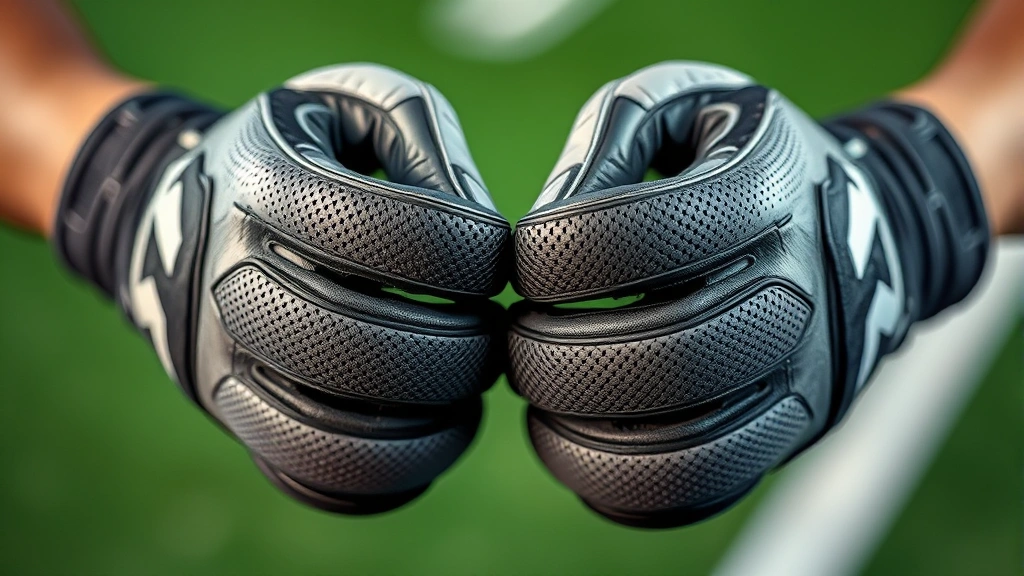
Grip Technology Explained
Modern grip technology represents the convergence of materials science and sports engineering. College football gloves utilize several distinct approaches to achieving superior ball control. Understanding these technologies helps athletes select gloves matching their specific needs and playing conditions.
Tacky Rubber Compounds: Traditional grip relies on specialized rubber formulations applied to palm and finger surfaces. These compounds create friction between glove and football, enabling secure catches and confident throws. Premium gloves use multi-layer rubber systems where outer tacky layers are bonded to supportive base materials. The best college gloves maintain tackiness through multiple washes and conditioning, unlike budget alternatives that lose grip after several games.
Synthetic Grip Enhancements: Newer gloves incorporate synthetic grip enhancers—polymer-based materials engineered to maintain performance across temperature and moisture variations. Nike’s Magnigrip and Cutters’ C-Tack fall into this category. These technologies respond dynamically to environmental conditions, actually improving grip in wet weather while maintaining control in dry conditions. This adaptability makes synthetic-enhanced gloves ideal for college football, where games occur across diverse climates and weather patterns.
Micro-Textured Surfaces: Some manufacturers incorporate micro-texturing—microscopic surface patterns that increase contact area between glove and ball. Adidas’s hybrid approach combines traditional rubber with micro-textured overlays, creating multiple grip zones. This redundancy ensures that if one area experiences wear, backup grip surfaces maintain performance. College players appreciate this design philosophy because it extends glove lifespan significantly.
Moisture Management: Advanced college gloves integrate moisture-wicking technologies that prevent sweat accumulation on grip surfaces. Excessive moisture can actually reduce grip by creating a slippery layer between glove and ball. Premium gloves use hydrophobic materials that repel moisture while maintaining tackiness. This feature becomes critical during late-season games in humid climates or indoor stadium competitions where environmental control is minimal.
Position-Specific Glove Selection
Wide Receivers and Tight Ends: Skill position players prioritize sensitivity and ball feel above all else. These athletes need to detect subtle football movements and adjust hand positioning mid-catch. Gloves designed for receivers typically feature thinner padding and lower-profile construction that preserves tactile feedback. Look for models with reinforced fingertips and minimal palm padding—materials should maximize contact area rather than cushioning. Many elite receivers actually prefer slightly-used gloves that have broken in, as new gloves can feel stiff and reduce feel. Check our college football predictions to see which receiver-heavy teams dominate scoring, indicating the importance of quality receiver equipment.
Defensive Backs and Cornerbacks: Coverage defenders need balanced gloves offering grip for ball skills while maintaining the dexterity required for press coverage and hand fighting. Defensive back gloves typically feature slightly more padding than receiver models, protecting against impacts during coverage battles. The grip must be exceptional since these athletes often make plays on underthrown passes or deflections requiring explosive hand movement. Many cornerbacks prefer gloves with reinforced wrist support, as they engage in more physical contact than receivers.
Linebackers and Defensive Linemen: Defensive interior players prioritize impact protection alongside grip for tackling and ball pursuit. These gloves feature substantial padding around knuckles and the back of hands, protecting against collisions with offensive linemen and running backs. Grip remains important—defenders need to secure fumbles and maintain control during tackles. The best linebacker gloves balance protection and functionality, allowing athletes to deliver powerful hits while maintaining ball security if they recover fumbles.
Running Backs: These versatile athletes need gloves optimizing both receiving and ball security. Running back gloves typically feature moderate padding with emphasis on finger sensitivity for catching passes. The grip must be exceptional, as ball security is paramount when running through traffic. Many running backs prefer receiver-style gloves due to the emphasis on feel, enabling them to secure catches in space before turning upfield.
Quarterbacks: Passing gloves represent a specialized category, with emphasis on grip during release rather than catching. QB gloves typically feature minimal padding and ultra-responsive grip technology. The palm surface must provide feedback regarding ball positioning and rotation. Some quarterbacks prefer gloves only on their non-throwing hand, while others use them on both hands depending on weather conditions. This position demands the most sensitive glove options available, as grip directly impacts passing accuracy and consistency.
Fit and Sizing Guidelines
Improper glove fit undermines even the best grip technology. College athletes should measure hands carefully using manufacturer guidelines, as sizing varies significantly between brands. A properly fitting glove sits snugly against the hand without restricting circulation or movement. The fingers should extend to the fingertips without bunching, and the wrist closure should feel secure but not constricting.
Many college programs work with equipment managers who understand the nuances of glove fitting across roster sizes. Larger players sometimes struggle finding gloves in their size, as manufacturers typically produce fewer options at the extreme ends of the sizing spectrum. Specialized retailers catering to college athletics often maintain inventory in larger sizes specifically for this market.
Fit becomes even more critical for athletes with hand injuries or conditions requiring modified equipment. Some colleges work with glove manufacturers to customize sizing, creating semi-custom options that balance cost with performance. These custom gloves often feature reinforced areas addressing specific injury concerns while maintaining competitive performance standards.
Break-in periods matter significantly. New gloves feel stiff initially, and grip improves as materials conform to hand contours. College athletes typically break in new gloves during practice before wearing them in games. This process allows athletes to develop muscle memory and confidence with new equipment. Some players use conditioning products to accelerate break-in, though effectiveness varies and overuse can damage grip surfaces.
Weather Considerations
College football spans diverse climates and seasons, requiring athletes to adapt equipment choices to environmental conditions. Understanding how weather affects grip performance helps players select optimal glove options for specific games.
Cold Weather Performance: In frigid conditions, traditional rubber compounds become less tacky, reducing grip significantly. Modern synthetic grip technologies handle cold weather better than legacy rubber formulations. Athletes competing in northern climates or late-season bowl games should prioritize gloves with synthetic grip enhancements. Some players apply specialized grip-enhancing products to cold-weather gloves, temporarily boosting tackiness in extreme conditions. Research from the American College of Sports Medicine documents how temperature affects material properties, validating the importance of cold-weather-specific glove selection.
Wet Weather Adaptability: Rain and wet field conditions challenge grip technology, but modern premium gloves actually perform better in moisture than budget alternatives. Synthetic grip compounds respond dynamically to moisture, often improving grip in wet conditions. Athletes competing in rainy climates should invest in premium options with proven wet-weather performance. Practice in wet conditions with game gloves helps athletes develop confidence in their equipment’s capabilities across weather variations.
Heat and Humidity: Southern college football programs face intense heat and humidity throughout the season. Excessive sweat can reduce grip if gloves lack proper moisture management. Look for gloves with hydrophobic materials and moisture-wicking construction. Some athletes wear lighter-colored gloves in hot conditions, as darker materials absorb more heat. This seemingly minor detail can impact comfort and grip consistency during extended outdoor games.
Indoor Stadium Conditions: Dome facilities present unique challenges, with stable temperature and humidity but often artificial turf surfaces that affect ball handling. Some athletes prefer slightly different gloves for indoor games, as environmental consistency reduces the need for extreme grip technology. Indoor games allow athletes to focus on feel rather than environmental adaptation.
Maintenance and Durability
College gloves represent significant equipment investments, and proper maintenance extends lifespan substantially. Most manufacturers recommend hand-washing gloves in cool water with mild soap, avoiding harsh chemicals that degrade grip surfaces. Machine washing and hot water damage synthetic materials and reduce grip performance dramatically.
After each use, gloves should dry naturally in well-ventilated areas, away from direct heat sources. Many college programs rotate gloves through multiple pairs, allowing adequate drying time between uses. This practice significantly extends glove lifespan compared to wearing the same pair repeatedly without proper recovery periods.
Grip conditioning products can restore tackiness to aging gloves, extending usable lifespan by several weeks. These products temporarily enhance grip without damaging underlying materials. However, overuse can create buildup that actually reduces grip performance. Athletes should follow product instructions carefully and use conditioning products sparingly.
Storage matters—gloves should be kept in cool, dry environments away from direct sunlight. UV exposure degrades synthetic materials and reduces grip performance over time. Many college equipment rooms feature dedicated glove storage areas with controlled conditions maintaining optimal material properties throughout the season.
Inspect gloves regularly for wear patterns and damage. Tears in grip surfaces or separation of layers indicate gloves have reached end-of-life. Most college gloves remain competitive for 8-12 weeks of regular use before grip degradation becomes noticeable. Understanding this timeline helps programs budget for equipment replacement and ensures athletes always have access to quality gear.
Budget-Friendly Options
Not every college athlete has access to premium sponsorship deals or unlimited equipment budgets. Budget-friendly glove options can deliver respectable performance without premium price tags. Understanding value propositions helps athletes maximize equipment budgets effectively.
Mid-Range Brands: Brands like Wilson, Spalding, and Evenflo offer solid college football gloves at price points 30-40% below premium options. These gloves incorporate legitimate grip technology and durable construction, though grip longevity may be slightly shorter than premium alternatives. For athletes rotating multiple pairs, mid-range options provide excellent value, allowing larger glove collections without excessive spending.
Previous Season Models: Retailers frequently discount previous-season glove models when new designs launch. These gloves feature identical or nearly identical technology to current models, with discounts of 20-50%. College athletes can build substantial glove collections by purchasing previous-season inventory, acquiring multiple pairs at prices approaching mid-range brand costs.
Team Sponsorships: Many college programs negotiate team sponsorship deals providing athletes with free or heavily discounted premium equipment. Athletes should investigate sponsorship opportunities through their program’s equipment department. Even if individual athlete sponsorships aren’t available, team-level deals often provide access to quality gloves at institutional pricing significantly below retail.
Outlet Options: Sporting goods outlets and online retailers specializing in clearance inventory offer legitimate gloves at substantial discounts. These options require patience and flexibility regarding color and style preferences, but patient shoppers can find premium gloves at budget prices.
The relationship between cost and performance shows diminishing returns—the difference between $40 and $80 gloves is substantial, but the difference between $120 and $180 gloves is marginal. Smart budget allocation involves investing in quality mid-range or discounted premium gloves rather than purchasing multiple pairs of budget options that degrade quickly.
FAQ
What’s the difference between receiver gloves and defensive gloves?
Receiver gloves prioritize feel and sensitivity with minimal padding, enabling precise ball control and catch-making. Defensive gloves feature more substantial padding protecting hands during tackles and coverage battles, with grip optimized for ball skills and hand fighting. The choice depends on position-specific demands and personal preference regarding protection versus feel.
How often should college athletes replace gloves?
Premium gloves typically maintain peak performance for 8-12 weeks of regular use. Budget options may degrade faster, while proper maintenance extends lifespan. College programs often rotate multiple pairs, allowing adequate drying time and extending overall glove lifespan. Most athletes benefit from having 2-3 pairs in rotation, replacing pairs as grip performance degrades.
Are expensive gloves always better?
Price correlates with performance, but diminishing returns apply. Premium gloves ($120-180) outperform budget options ($40-60) substantially, but ultra-premium models ($180+) offer marginal improvements for most athletes. Smart purchasing focuses on finding quality options within budget constraints rather than automatically buying the most expensive choice.
Can gloves improve grip in wet conditions?
Modern synthetic grip technology actually performs better in wet conditions than traditional rubber compounds. Premium gloves with advanced grip technology maintain or improve tackiness in rain. However, extremely heavy rain or waterlogged conditions challenge even the best gloves. Proper technique and practice in various weather conditions matter as much as equipment quality.
Should quarterbacks wear gloves?
Quarterback glove use varies by preference and weather. Some QBs wear gloves on both hands for improved grip, others wear them only on their non-throwing hand, while some forgo gloves entirely. The decision depends on personal comfort, throwing mechanics, and weather conditions. Modern QB gloves feature minimal padding and ultra-responsive grip, allowing athletes to maintain passing accuracy while improving security.
How do I break in new football gloves?
New gloves feel stiff initially. Break in gloves during practice before wearing them in games, allowing materials to conform to hand contours and grip to develop. Some athletes accelerate break-in using conditioning products, though overuse can damage grip surfaces. Most gloves reach optimal performance after 2-3 practices of regular use.
What’s the best way to clean football gloves?
Hand-wash gloves in cool water with mild soap, avoiding harsh chemicals that degrade grip. Never use hot water or machine wash, as this damages synthetic materials. Air-dry gloves naturally in well-ventilated areas away from direct heat sources. Many college programs rotate multiple pairs, allowing adequate drying time between uses, which significantly extends glove lifespan.
For more insights on college football performance and strategy, explore our college football best bets and fantasy football draft strategy guides. Understanding equipment quality directly impacts player performance metrics you’ll see in our Peak Play Arena Blog, where we analyze equipment investments alongside game strategy.
College football gloves represent the intersection of materials science, athletic performance, and personal preference. The best gloves for your specific needs depend on position, climate, budget, and personal feel preferences. By understanding grip technology, fit requirements, and maintenance practices, college athletes can select equipment optimizing performance while maximizing value. Invest in quality gear you trust, maintain it properly, and focus on the game knowing your equipment supports your performance ambitions. The NCAA maintains equipment standards ensuring fair competition, while sports science research from institutions like the American Society of Exercise Physiologists continues advancing understanding of how equipment impacts athletic performance. Your glove selection matters—choose wisely and perform with confidence.


