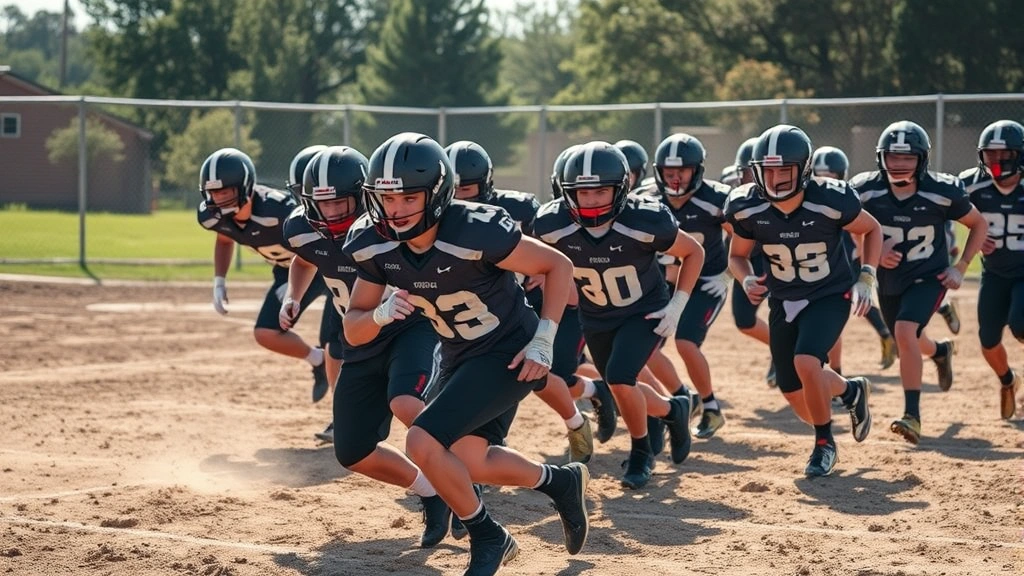
GHSA Playoffs: Boost Performance with These Tips
The Georgia High School Association (GHSA) football playoffs represent the pinnacle of high school athletic competition. When the stakes are highest and every play matters, athletes who’ve optimized their physical and mental preparation dominate the field. Whether you’re a player, coach, or parent supporting a team through this critical season, understanding how to maximize performance during playoff time can be the difference between advancing and going home.
The playoff atmosphere intensifies everything—pressure, expectations, and physical demands all amplify simultaneously. Your body and mind must be primed for this challenge. This comprehensive guide reveals science-backed strategies that elite athletes use to perform at their absolute peak when it matters most. From recovery protocols to nutrition timing, mental conditioning to injury prevention, we’ll explore every dimension of playoff readiness that separates championship teams from the rest.
Optimize Your Training Load Before Playoffs
As GHSA playoffs approach, many coaches and athletes make a critical mistake: they increase training volume and intensity right when it matters most. Research from the American College of Sports Medicine (ACSM) demonstrates that strategic tapering—a planned reduction in training load—significantly improves performance in competition.
The concept of tapering isn’t about losing fitness; it’s about allowing your nervous system and muscles to fully recover while maintaining the adaptations you’ve built. During the two to three weeks leading into playoff competition, gradually reduce training volume by 40-60% while maintaining exercise intensity. This means fewer repetitions and shorter practice sessions, but maintaining the speed and explosiveness of movements.
Key tapering principles for GHSA football:
- Reduce overall practice time by 30-50% in the final two weeks
- Maintain high-intensity, sport-specific movements at full speed
- Eliminate excessive strength work that causes muscle soreness
- Focus on skill refinement rather than new skill acquisition
- Incorporate more recovery days between intense sessions
Your strength and conditioning program should shift from building new strength to maintaining current levels. Heavy compound lifts can be reduced in volume, focusing instead on movement quality and explosive power. Check out our Peak Play Arena Blog for additional training insights throughout the season.
The taper period is also ideal for addressing any movement imbalances or weaknesses that might compromise performance. Work with your strength coach to identify and correct these issues while you have recovery capacity available.
Master Advanced Recovery Techniques
Recovery isn’t passive rest—it’s an active process that determines whether your training investments pay dividends on game day. Elite athletes treat recovery with the same intensity as training itself. The playoff schedule often compresses multiple games into short windows, making recovery between contests absolutely critical.
Evidence-based recovery modalities include:
- Cold water immersion: Research demonstrates 10-15 minute ice baths at 50-59°F reduce inflammation and accelerate recovery when performed within 15 minutes post-exercise
- Active recovery: Light movement on off-days enhances blood flow and removes metabolic waste without creating additional fatigue
- Compression therapy: Graduated compression garments and pneumatic compression devices reduce swelling and improve circulation
- Contrast water therapy: Alternating between hot and cold water stimulates circulation and reduces soreness
- Foam rolling and myofascial release: Systematic soft tissue work improves mobility and reduces muscle tension
The timing of recovery interventions matters significantly. Post-game recovery should begin immediately, with cold water immersion, stretching, and rehydration within the first 30 minutes. Learn more about preventing sports injuries through comprehensive recovery strategies.
Sleep remains the most powerful recovery tool available, yet it’s often overlooked. During intense playoff schedules, prioritize sleep quality and quantity above almost everything else. Aim for 8-10 hours nightly, with consistency in sleep and wake times supporting your circadian rhythm.
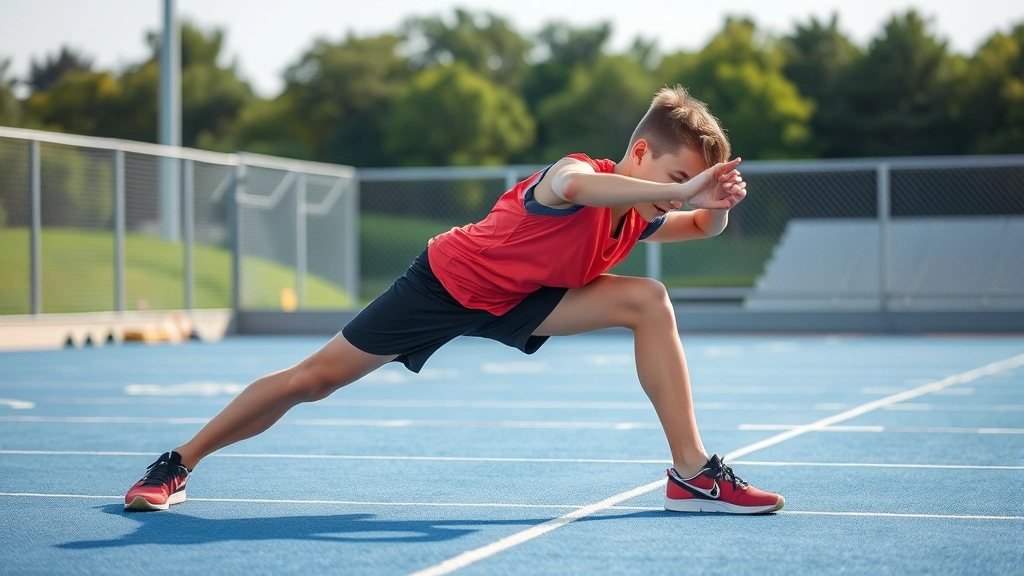
Fuel Your Body for Peak Performance
Nutrition timing and composition dramatically influence your capacity to train hard and recover quickly. During GHSA playoff season, your dietary approach should shift from general health maintenance to performance optimization. Every meal becomes a strategic tool for supporting your athletic demands.
Pre-game nutrition (2-3 hours before competition): Consume 1-4 grams of carbohydrates per kilogram of body weight, focusing on easily digestible sources like white rice, pasta, bagels, or sports drinks. Include moderate protein (15-25 grams) and minimal fiber and fat to prevent gastrointestinal distress.
Intra-game fueling: For games lasting over 60 minutes, consume 30-60 grams of carbohydrates per hour through sports drinks, gels, or easily digestible foods. This maintains blood glucose levels and delays fatigue onset.
Post-game recovery nutrition: Within 30-60 minutes of competition, consume a meal containing 1-1.2 grams of carbohydrates per kilogram of body weight plus 0.25-0.3 grams of protein per kilogram. This combination maximizes glycogen resynthesis and muscle protein synthesis. A chocolate milk, turkey sandwich, or sports recovery drink works effectively.
Hydration deserves equal emphasis. Begin games fully hydrated, drink 400-800 mL of fluid per hour during competition (adjusted for sweat rate and environmental conditions), and rehydrate with sodium-containing beverages post-competition. Sodium enhances fluid retention and stimulates thirst.
Micronutrient status also impacts performance. Ensure adequate iron, zinc, magnesium, and antioxidant intake through varied whole foods. Many high school athletes operate with suboptimal micronutrient status that compromises immune function and recovery capacity.
Mental Preparation and Visualization
The mental dimension of playoff performance determines whether athletes execute their training under pressure. Research in sports psychology demonstrates that visualization and mental rehearsal activate similar neural pathways as actual physical practice, preparing your brain for successful performance.
Effective visualization techniques:
- Practice 5-10 minutes daily in a quiet environment
- Visualize specific game scenarios you’ll encounter—not just success, but also how you’ll respond to adversity
- Engage all senses: see the field, hear the crowd, feel your muscles engaging, sense your confidence
- Use first-person perspective, experiencing the game through your own eyes
- Include emotional components—feel the confidence and composure you want to demonstrate
Develop a pre-game routine that activates your optimal mental state. This might include specific breathing patterns, positive self-talk, or listening to particular music. The consistency of this routine signals to your nervous system that it’s time to perform, activating the focus and intensity you’ve cultivated.
Goal-setting during playoffs should focus on process goals (execution-based) rather than outcome goals (winning-based). You control your effort, technique, and decisions; you don’t fully control the outcome. Focusing on controllable factors reduces anxiety and improves performance.
Team cohesion and communication amplify individual mental preparation. Teams that establish clear communication protocols and demonstrate mutual support perform significantly better under playoff pressure. Foster this culture throughout the season, so it’s automatic during high-stress competitions.
Injury Prevention Strategies
Playoff season is when athletes push hardest, yet it’s also when injuries most devastate team success. Strategic injury prevention—integrated throughout your training program—protects your most valuable assets: your athletes.
Movement quality assessment should identify athletes with excessive movement dysfunction. Common issues include poor hip mobility, weak glute activation, inadequate ankle stability, and faulty landing mechanics. These dysfunctions predict injury risk and respond well to targeted intervention.
Evidence-based injury prevention components:
- Dynamic warm-up: 10-15 minutes of movement-based preparation activates muscles, increases core temperature, and establishes proper movement patterns
- Strength training emphasis: Eccentric strength (lengthening under load) protects against hamstring and ACL injuries common in football
- Proprioceptive training: Balance and stability exercises enhance neuromuscular control and ankle/knee stability
- Mobility work: Systematic flexibility training maintains joint range of motion necessary for athletic movements
- Sport-specific conditioning: Training that replicates playoff competition demands prepares tissues for actual game stress
Visit our guide on how to avoid sports injuries for comprehensive prevention strategies. Proper warm-up protocols alone reduce injury risk by 20-30% according to sports medicine research.
Overtraining represents a significant injury risk during playoffs. Monitor athletes for signs of excessive fatigue, mood disturbance, elevated resting heart rate, or persistent soreness. These indicate insufficient recovery and elevated injury risk. Address these promptly through increased rest, reduced training volume, or professional medical evaluation.

Sleep Optimization for Athletes
Sleep represents your most powerful performance-enhancement tool, yet many athletes compromise this critical recovery window through poor sleep habits. During GHSA playoff season, sleep quality and quantity directly correlate with performance capacity, decision-making speed, and injury risk.
Target 8-10 hours nightly during playoff season, with consistency in sleep schedule supporting your circadian rhythm. Consistent sleep and wake times regulate hormone production, including cortisol and growth hormone—both essential for recovery and performance.
Sleep optimization strategies:
- Maintain consistent sleep/wake times even on weekends
- Sleep in a cool (65-68°F), dark, quiet environment
- Eliminate screens 60-90 minutes before bed; blue light suppresses melatonin production
- Avoid caffeine after 2 PM; caffeine’s half-life extends 5+ hours
- Limit alcohol, which disrupts sleep architecture despite inducing drowsiness
- Avoid large meals 2-3 hours before sleep
- Consider strategic napping (20-30 minutes) in early afternoon to supplement nighttime sleep
Sleep deprivation impairs cognitive function, reaction time, and decision-making—all critical for playoff success. Even one night of poor sleep reduces reaction time by 10-20% and increases injury risk substantially. Protect sleep as fiercely as you protect training.
Some athletes benefit from sleep supplements like magnesium glycinate (300-400 mg) or melatonin (0.5-3 mg), though whole-food approaches should be primary. Consult with your sports medicine professional before supplementing.
Game Day Preparation Protocol
Game day execution determines whether your preparation translates into performance. Develop a systematic preparation protocol that begins hours before kickoff, establishing optimal physical and mental conditions.
Pre-game protocol timeline:
- 3-4 hours before: Consume your pre-game meal with adequate carbohydrates, moderate protein, and minimal fiber/fat
- 2-3 hours before: Final hydration window; consume 400-600 mL of fluid containing carbohydrates and electrolytes
- 60-90 minutes before: Begin your pre-game mental routine; visualization, positive self-talk, team unity activities
- 30 minutes before: Start your dynamic warm-up; 10-15 minutes of movement-based preparation activating muscles and nervous system
- 15 minutes before: Sport-specific movements at game-speed intensity; throws, sprints, agility drills
- Final 5 minutes: Team gathering, coach final instructions, mental focus activation
Your pre-game warm-up should progressively increase intensity, beginning with light movement and progressing to sport-specific movements at competition speed. This prepares your nervous system, increases muscle temperature, and establishes proper movement patterns.
During competition, maintain hydration and fuel intake according to your predetermined plan. Don’t experiment with new nutrition or hydration strategies on game day. Everything should be practiced and proven during training.
Between-game recovery during multi-game playoff weekends becomes critical. Prioritize immediate post-game recovery (cold water immersion, rehydration, nutrition), then focus on sleep quality and active recovery the following day. Check high school football scores to track your team’s progress through the playoff bracket.
Many athletes find value in reviewing game film immediately post-competition to identify what worked and what needs adjustment. However, balance this with adequate mental recovery; spending excessive time analyzing poor performance can create anxiety and reduce confidence.
FAQ
How much should I reduce training before GHSA playoffs?
Reduce training volume by 40-60% during the final 2-3 weeks while maintaining exercise intensity. This allows recovery while preserving fitness and explosive power. The exact reduction depends on your training history and current fatigue levels.
What’s the best recovery method for football players?
Sleep remains the most effective recovery tool, but combining sleep with active recovery, cold water immersion, compression therapy, and proper nutrition creates a comprehensive recovery strategy. Prioritize sleep first, then layer additional modalities based on your schedule and resources.
How important is nutrition timing during playoffs?
Nutrition timing significantly impacts recovery and performance. Post-game nutrition within 30-60 minutes and pre-game nutrition 2-3 hours before competition represent critical windows. Missing these windows compromises your recovery capacity and game-day performance.
Can visualization really improve playoff performance?
Yes. Research demonstrates visualization activates similar neural pathways as actual practice. Daily 5-10 minute visualization sessions, especially focusing on specific game scenarios and proper decision-making, improve performance under pressure.
What’s the most common injury prevention mistake?
Many programs neglect movement quality assessment and correction. Identifying athletes with movement dysfunctions and addressing these through targeted training prevents most preventable injuries. Also, inadequate warm-up protocols significantly increase injury risk.
How does sleep affect playoff performance?
Sleep deprivation reduces reaction time by 10-20%, impairs decision-making, and increases injury risk substantially. Target 8-10 hours nightly during playoffs. Even one poor sleep night meaningfully compromises performance capacity.
Should I try new supplements during playoffs?
No. Never experiment with new supplements, nutrition, or hydration strategies during playoff competition. Everything should be tested and proven during training. Playoff time is for executing proven strategies, not experimenting.
How do I handle pressure during GHSA playoff games?
Develop a consistent pre-game routine that activates your optimal mental state. Focus on process goals (controllable factors) rather than outcome goals. Practice breathing techniques and positive self-talk during training so these become automatic under pressure.


