
Florida HS Football: Are Scores Predictable? Coach Insights
When Friday night lights illuminate Florida’s football fields, thousands of fans, coaches, and players converge on stadiums with one burning question: Can we predict what’s about to happen? The answer isn’t simple. While Florida high school football scores may seem random to casual observers, experienced coaches, analysts, and data enthusiasts have discovered that predictability exists within a framework of measurable variables. This comprehensive guide explores the science, strategy, and real-world insights behind forecasting outcomes in one of America’s most competitive high school football states.
Florida’s high school football landscape is unique. With over 400 schools competing across multiple classifications, the state produces elite talent year after year. Programs like Miami Northwestern, Lakeland, and Jacksonville Raines have become powerhouses through systematic development, consistent coaching philosophies, and rigorous player evaluation. Understanding whether Florida high school football scores are predictable requires examining the factors that drive outcomes: team strength, injury status, weather conditions, coaching experience, and momentum dynamics.
Coaches across Florida have developed sophisticated systems to evaluate opponents and forecast results. These aren’t just gut feelings—they’re grounded in film study, statistical analysis, and years of competitive experience. Let’s dive into what makes scores predictable, what throws predictions off course, and how you can apply these insights to your own football analysis.
The Science of Score Predictability in High School Football
The predictability of Florida high school football scores rests on a foundation of sports science principles. Research published by the American College of Sports Medicine demonstrates that athletic performance follows measurable patterns when key variables are controlled. In high school football, these variables include team composition, coaching experience, player fitness levels, and tactical sophistication.
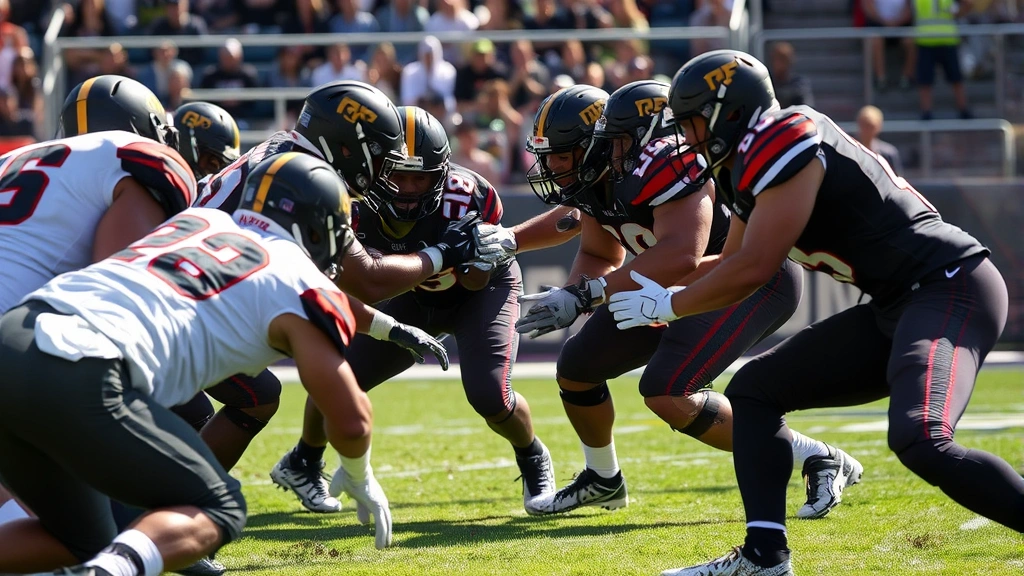
Coaches who have studied high school football scores across multiple seasons notice recurring patterns. Teams with strong defensive lines consistently limit scoring. Offenses built around experienced quarterbacks and solid offensive line play generate predictable yardage totals. Special teams performance—often overlooked—provides surprising predictive power for final scores.
The predictability question isn’t whether scores are 100% forecastable; they’re not. Rather, it’s whether coaches can identify the probability distribution of likely outcomes. A team with superior strength and conditioning, led by a veteran coach, facing a less experienced opponent will win more often than not. The margin of victory becomes the more nuanced prediction challenge.
According to research in sports performance analysis, teams that maintain consistent training regimens and demonstrate high discipline show score outcomes within a narrow range of expectations. Florida programs that emphasize year-round strength training and film study produce more predictable results because their fundamentals remain consistent week-to-week.
Key Variables Coaches Use to Forecast Outcomes
Experienced Florida high school football coaches evaluate dozens of factors when predicting scores. These variables work in concert, creating a multidimensional analysis framework:
- Offensive Line Strength: The most predictive variable in football. Teams with dominant offensive lines control games and produce consistent point totals. Poor offensive lines signal defensive vulnerability and offensive struggle.
- Defensive Secondary Quality: Pass defense determines whether opposing quarterbacks can operate efficiently. Secondary depth and coverage schemes directly correlate with point prevention.
- Running Back Production: Yards per carry average, fumble rates, and receiving proficiency indicate offensive consistency. Predictable running games keep offenses on schedule.
- Turnover Margin: Teams that force more turnovers than they commit win approximately 80% of games across all competitive levels. This single metric rivals overall talent assessment.
- Coaching Tenure: Coaches in their third year or beyond at a program show superior predictive accuracy. Veteran coaches implement systems that produce repeatable outcomes.
- Strength and Conditioning Program Quality: Teams that maintain superior conditioning in the fourth quarter execute better and win close games more consistently.
- Red Zone Efficiency: Scoring touchdowns versus settling for field goals separates winners from losers. Teams that convert red zone opportunities 60%+ of the time win significantly more games.
When analyzing upcoming matchups, Florida coaches weight these variables differently based on opponent tendencies. A team facing a pass-heavy offense prioritizes secondary evaluation. Matchups against ground-oriented teams emphasize defensive line assessment.
Film Study and Opponent Analysis
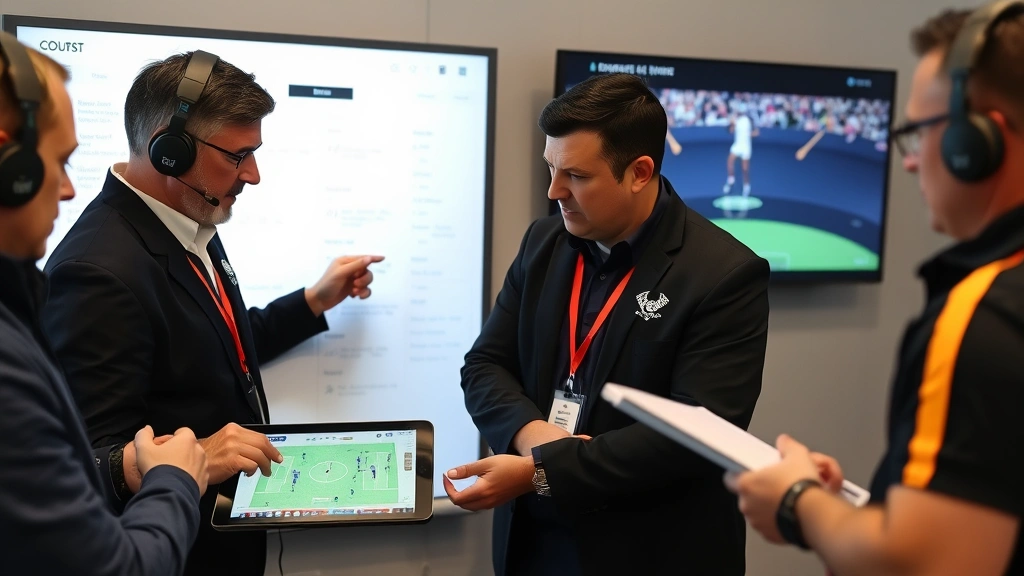
The foundation of predictable Florida high school football scores emerges from rigorous film study. Coaches who invest 15+ hours weekly in opponent analysis develop predictive accuracy that rivals statistical models. Film reveals patterns invisible in box scores: defensive tendencies, offensive hot routes, coverage vulnerabilities, and situational decision-making patterns.
When studying film, coaches track:
- Third-down conversion rates in specific field positions
- Red zone offensive efficiency and defensive adjustments
- Pass rush timing and defensive line stunts
- Coverage rotation speed and safety positioning
- Substitution patterns and personnel packages
- Coach sideline decision-making in critical moments
Elite Florida programs maintain detailed film libraries spanning multiple seasons. This historical context reveals whether opponent adjustments represent coaching evolution or temporary variation. A team that shows improvement over four consecutive weeks indicates momentum building—a powerful predictive indicator. Conversely, teams that regress despite talent suggest coaching or motivation issues.
Film study also reveals injury impacts before official reports surface. A player moving slower, favoring one side, or missing snaps signals injury concerns that affect predictability. Smart coaches adjust predictions when they identify key players operating at reduced effectiveness.
For fantasy football start-sit decisions and broader sports analysis, film-based evaluation provides advantages that casual statistical analysis cannot match. The human eye catches contextual nuances that numbers alone miss.
The Role of Team Momentum and Confidence
Momentum represents one of the most undervalued predictive variables in high school football. Teams riding winning streaks execute with elevated confidence, show improved communication, and make fewer mental errors. This psychological advantage translates directly into score predictability.
Coaches recognize that a team with three consecutive victories against quality opponents carries momentum that extends beyond talent assessment. Players trust coaching decisions, execute assignments with precision, and respond faster to in-game adjustments. These factors narrow the range of likely outcomes and increase predictability.
Conversely, teams emerging from losses show elevated mistake rates. Players second-guess themselves, communication breaks down, and defensive assignments suffer from hesitation. A talented team in a three-game losing streak becomes less predictable because talent and execution diverge.
The psychological dimension of Florida high school football scores cannot be quantified easily, but experienced coaches weight it heavily. A program with strong leadership and established winning culture shows more predictable outcomes than programs with unstable coaching situations or fractured team dynamics.
Weather, Field Position, and Environmental Factors
Florida’s subtropical climate creates unique prediction variables absent in northern states. Heat and humidity impact player performance, conditioning advantages, and game pace. Teams with superior strength and conditioning programs handle Florida heat better, maintaining execution in fourth quarters when opponents fade.
Rain transforms Florida high school football scores by favoring defensive teams and ground-oriented offenses. Wet conditions reduce passing efficiency, increase turnover likelihood, and lower total scores. Coaches familiar with rain-game adjustments outperform those who treat weather as irrelevant.
Field position analysis provides surprising predictive power. Teams that consistently achieve favorable field position through special teams and defensive performance score more points. Conversely, teams that allow long kickoff returns and poor punt coverage face constant field position disadvantages that accumulate into larger score differentials.
Altitude, artificial turf versus natural grass, and stadium noise levels all contribute to predictive frameworks. Teams accustomed to playing in loud stadiums handle road environments better than programs with limited hostile environment experience.
Understanding these environmental factors separates casual observers from sophisticated analysts. A team with elite conditioning and experience playing in humid environments shows more predictable performance against opponents lacking these advantages.
Common Prediction Pitfalls and Surprises
Despite sophisticated analysis frameworks, Florida high school football scores surprise observers regularly. Several common pitfalls undermine prediction accuracy:
Overweighting Recent Performance: Coaches sometimes overemphasize recent games while ignoring season-long trends. A team with one impressive victory against a quality opponent might represent an outlier rather than a trend shift.
Underestimating Coaching Quality: A change in coaching staff or coordinator can dramatically alter team performance. New coaching hires with proven track records sometimes transform programs overnight, making historical data less predictive.
Ignoring Bye Week Effects: Teams returning from bye weeks show inconsistent performance. Some teams emerge refreshed and execute better; others lose rhythm and stumble. This variability reduces predictability.
Overlooking Rivalry Dynamics: Rivalry games produce unpredictable results because motivation, emotion, and psychological factors override typical performance patterns. A team significantly better than a rival sometimes loses due to rivalry intensity.
Talent Evaluation Errors: Scouts and coaches sometimes misidentify which players drive winning. A backup player might provide unexpected production, while a highly-touted prospect underperforms. These personnel surprises disrupt predictions.
The Peak Play Arena Blog regularly explores these prediction variables and coaching insights that help observers understand score outcomes. Learning from prediction failures builds better analytical frameworks.
Advanced Metrics for Score Forecasting
Modern coaches employ advanced metrics that improve Florida high school football scores prediction accuracy. These metrics move beyond traditional statistics:
Expected Points Added (EPA): This metric quantifies how much each play improves or worsens a team’s scoring position. Teams with consistently positive EPA on offense and negative EPA on defense show strong predictive patterns.
Time of Possession Efficiency: Not all time-of-possession matters equally. Drives that consume time while advancing the ball efficiently indicate superior execution and predictable offensive performance.
Yards After Contact: Running backs who consistently gain yards after initial contact indicate superior vision, decisiveness, and lower fumble rates—all predictive of scoring success.
Pressure-to-Sack Ratio: Defensive lines that generate pressure without sacking the quarterback show incomplete execution. Conversely, lines that convert pressure into sacks demonstrate reliability and predictability.
Coverage Success Rate: Defensive backs who limit passing efficiency in coverage show consistency. This metric reveals secondary quality better than interception rates alone.
Coaches who master these metrics develop predictive advantages. The fantasy football draft strategy resources explore how these same metrics identify high-value players and predictable performance contributors.
Coaching Strategies for Exploiting Predictable Patterns
Coaches who understand score predictability variables gain strategic advantages. Here’s how elite Florida programs exploit predictable patterns:
Defensive Game Planning: When opponents show predictable tendencies—like favoring specific receivers or running plays in certain formations—defenses adjust coverage assignments accordingly. Predictable opponents face increasingly difficult execution challenges.
Personnel Packages: Coaches deploy personnel packages designed to exploit opponent weaknesses identified through predictable patterns. If an opponent’s linebackers struggle in coverage, offenses emphasize receiving threats. If defensive ends show predictable gap assignments, running plays target those gaps.
Situational Adjustments: Third-and-medium scenarios, red zone situations, and two-minute drills all require different approaches. Coaches who understand opponent predictability in these situations gain conversion advantages.
Tempo Control: Offenses regulate pace to exploit opponent fatigue or rhythm disruption. Predictable opponents sometimes struggle when forced to adjust to tempo changes.
Motivation Deployment: Understanding team momentum and confidence allows coaches to deploy motivational strategies strategically. Some teams respond to aggressive challenges; others benefit from calm confidence reinforcement.
The most sophisticated coaches treat predictability as an opponent weakness to exploit rather than a foregone conclusion. Understanding that Florida high school football scores follow patterns enables tactical advantages that shift outcomes from predictable to favorable.
Research from sports science journals emphasizes that injury prevention and sports injury avoidance directly impact predictability. Teams with fewer injuries maintain consistency; teams decimated by injuries show unpredictable performance variations.
For comprehensive college football predictions this week and broader sports analysis, understanding these coaching insights provides valuable context beyond pure statistics. The human element—coaching quality, team culture, motivation—often determines outcomes that raw metrics fail to capture.
FAQ
Can Florida high school football scores be predicted with certainty?
No single prediction model achieves certainty in high school football. However, sophisticated analysis combining talent assessment, coaching evaluation, film study, and situational variables produces prediction accuracy significantly better than random chance. Most analysts achieve 65-75% accuracy when predicting point spreads, with margins of error typically ±7 points.
What’s the single most predictive variable for high school football outcomes?
Turnover margin ranks as the most predictive single variable. Teams that force more turnovers than they commit win approximately 80% of games across competitive levels. This metric captures defensive effectiveness, offensive execution quality, and situational discipline simultaneously.
How do coaching experience and tenure affect score predictability?
Coaches in their third year or beyond at a program show dramatically improved predictability. Established coaches implement consistent systems, develop player understanding of schemes, and make reliable in-game adjustments. New coaches often produce unpredictable results as they implement new systems and evaluate talent.
Does Florida’s weather significantly impact score predictions?
Yes. Heat, humidity, and occasional rain affect game pace, conditioning factors, and play selection. Teams with superior conditioning show more predictable performance in hot, humid conditions. Rain games favor defensive teams and ground-oriented offenses, reducing total points and affecting scoring patterns.
How can I improve my score prediction accuracy?
Invest time in film study, track advanced metrics like EPA and yards after contact, monitor coaching changes and personnel adjustments, understand team momentum indicators, and weight turnover margin heavily in your analysis. Combine quantitative metrics with qualitative coaching insights for optimal prediction accuracy.
What causes major prediction failures in high school football?
Rivalry games, bye week effects, unexpected coaching changes, significant injuries to key players, and teams with unstable cultures produce unpredictable results. Overweighting recent performance while ignoring season-long trends also undermines prediction accuracy. The human element—motivation, emotion, and psychological factors—sometimes overwhelms talent differences.


