
Start or Sit Decisions? Expert Advice Inside
Making lineup decisions in fantasy football can feel like navigating a minefield. Every week, thousands of managers face the same agonizing question: should I start this player or bench them? The difference between a championship season and a disappointing finish often comes down to these crucial start-or-sit calls. Whether you’re a seasoned veteran or new to the game, understanding the framework for these decisions can transform your fantasy football experience from stressful guesswork into confident, data-driven choices.
The fantasy football landscape changes rapidly. Injuries emerge unexpectedly, weather patterns shift matchups, and unexpected breakout performances reshape the entire league narrative. In this comprehensive guide, we’ll explore the expert strategies, analytical approaches, and psychological principles that separate elite fantasy managers from the rest. By the time you finish reading, you’ll have a toolkit of proven methods to evaluate your fantasy football roster with confidence and precision.
Matchup Analysis: The Foundation of Smart Decisions
The most critical element in any start-or-sit decision is understanding the matchup your player faces. This goes far beyond simply knowing which teams are playing; it requires deep analysis of defensive strengths, weakness patterns, and historical performance data. Elite fantasy managers spend considerable time studying defensive statistics because they understand that context transforms raw player talent into fantasy points.
When evaluating matchups, focus on these key defensive metrics: points allowed per game at the specific position, red zone defense efficiency, and performance against similar player archetypes. A running back with elite athleticism might struggle against a defense that excels at gap discipline, while a receiver with exceptional route-running ability might thrive against a secondary missing its top cornerback. The fantasy football draft strategy you employed early in the season should inform how you evaluate these matchups now.
Consider also the context of the defensive matchup. Are they playing a division rival with extra motivation? Is this a team fighting for playoff positioning? Desperation often changes how aggressively defenses play. Additionally, examine historical head-to-head records between the specific teams, as some matchups produce consistent patterns that persist across multiple seasons.
Research from the American College of Sports Medicine demonstrates that understanding opponent tendencies provides significant competitive advantages in predicting performance outcomes. By studying defensive film and statistical trends, you’re essentially removing emotion from the equation and replacing it with objective analysis.
Injury Reports and Availability Confirmation
Nothing derails a start-or-sit decision faster than an unexpected injury announcement on Sunday morning. Successful fantasy managers treat injury reports with the same seriousness that professional teams do. This means checking multiple reliable sources throughout the week, understanding the NFL’s official injury report protocol, and recognizing which injuries typically impact performance most severely.
The official NFL injury report, released daily during the week, provides standardized information about player availability. However, experienced managers know that the report’s language carries specific meanings. A player listed as “questionable” on Friday’s report has a significantly different probability of playing than one listed as “doubtful.” Similarly, understanding which injuries are chronic versus acute helps predict whether a player will be effective if they do suit up.
Create a system for tracking injury developments. Set phone alerts for your key players, follow team beat writers on social media, and check official team announcements before making final roster decisions. The time investment pays enormous dividends when you avoid starting a player who’s unexpectedly inactive or benching someone who suits up and performs at their peak level.
Physical conditioning research indicates that players returning from injury often operate at reduced efficiency for multiple weeks, even after receiving medical clearance to play. This means a star player returning from a serious injury might warrant benching in favor of a healthy backup, at least temporarily, until they regain full effectiveness.
Volume Metrics and Target Share Analysis
Fantasy football ultimately boils down to opportunity. A player can possess elite talent, but if they’re not receiving sufficient volume—touches for running backs, targets for receivers, snap counts for any position—they won’t produce significant fantasy points. This is why volume metrics represent perhaps the most predictive indicator of future performance.
For wide receivers, track target share (percentage of team targets), air yards share, and red zone target percentage. These metrics reveal whether the coaching staff trusts a player and how often they’re being featured in the game plan. A receiver with 25% target share in an offense averaging 40 passing attempts per game will reliably produce opportunities for fantasy points, regardless of whether they’re currently riding the bench in your lineup.
Running back analysis requires examining carry share alongside receiving opportunities. An elite athlete receiving only eight carries per game won’t outscore a less talented back receiving eighteen carries. Volume is destiny in fantasy football, and this principle should anchor every start-or-sit decision you make. Check recent trends in volume before games; a player whose touches have been declining over three consecutive weeks is trending toward a sit, while someone whose volume is increasing represents a compelling start candidate.
Snap count percentage provides another crucial volume indicator. A cornerback or safety might not accumulate many tackles, but if they’re on the field for 95% of defensive snaps, they’re likely to produce consistent fantasy value. Similarly, offensive linemen’s snap counts predict injury risk and opportunity for their position-mates.
Trend Analysis and Recent Performance
Fantasy football operates on momentum and trend lines. A player’s performance over the past two to three weeks often predicts near-term production better than their season-long average. This is why successful managers constantly update their evaluations, treating the season as a series of mini-seasons rather than one static competition.
Examine scoring trends across recent weeks. Has your player’s production been increasing, decreasing, or remaining stable? More importantly, understand why the trend exists. A declining trend might reflect reduced volume, tougher matchups, or coaching adjustments. Conversely, an increasing trend might indicate a player gaining the coaching staff’s trust, improving chemistry with quarterbacks, or benefiting from injury-depleted defenses facing them.
Game script also influences trend analysis significantly. A player on a team that’s consistently trailing by significant margins will see different volume distributions than one whose team maintains close games. Teams trailing often abandon the run game, reducing running back touches while increasing passing volume. This creates predictable weekly trends that savvy managers exploit for start-or-sit advantages.
Compare recent performance against upcoming schedule difficulty. If a player has been trending upward against elite defenses, they’re likely to explode against weaker opponents. Conversely, a player struggling against average defenses will probably suffer against elite defensive units. This comparative framework helps you identify breakout weeks before they happen.
Weather Factors and Environmental Conditions
Weather represents one of the most underutilized factors in fantasy football decision-making. Professional meteorology and sports science research consistently demonstrate that weather conditions significantly impact player performance, yet many casual managers ignore this variable entirely. Elite managers treat weather data with the same rigor they apply to injury reports.
High winds (typically above 15 mph) dramatically increase interception rates and reduce passing accuracy. Quarterbacks and their receivers face substantially higher difficulty completing passes in windy conditions, making them less attractive starts. Conversely, running backs often benefit from wind-heavy games because defenses must account for reduced passing efficiency.
Heavy precipitation—rain or snow—similarly impacts passing games while potentially benefiting ground-based attacks. However, extreme cold can reduce football grip quality for all players, potentially affecting both running and passing effectiveness. The ideal scenario for most offenses is mild temperatures with low wind, while extreme conditions favor ground-heavy game plans.
Check weather forecasts throughout the week, paying particular attention to Friday and Saturday updates that provide the most accurate predictions. Many fantasy managers make their final start-or-sit decisions Sunday morning, but weather forecasts can shift, so maintaining flexibility until game time proves valuable. Some platforms now integrate weather data directly into their player recommendations, making this analysis more accessible to all skill levels.
Bye Weeks and Schedule Stacking
Understanding bye week schedules prevents the roster catastrophe of starting multiple players from the same team during their bye week. More strategically, savvy managers exploit bye week schedules by trading for players whose bye weeks have already passed, securing playoff flexibility.
Beyond basic bye week avoidance, sophisticated managers analyze schedule strength across the fantasy season’s final weeks. If your team’s core players face elite defenses during weeks 15-17, you might consider trading for players whose schedules feature weaker opponents during the crucial playoff period. This long-term scheduling perspective separates championship teams from first-round exits.
Stack analysis involves intentionally pairing players from the same team—typically a quarterback with their top receiver or running back. This strategy maximizes upside in high-scoring games because both players benefit from scoring plays. However, stacking requires confidence in both players’ start-or-sit status, making it a high-variance strategy best employed selectively.
The college football predictions landscape often mirrors professional strategy, and many of the same scheduling principles apply across different football levels. Understanding these patterns helps you recognize emerging trends in professional football as well.
Expert Decision-Making Frameworks
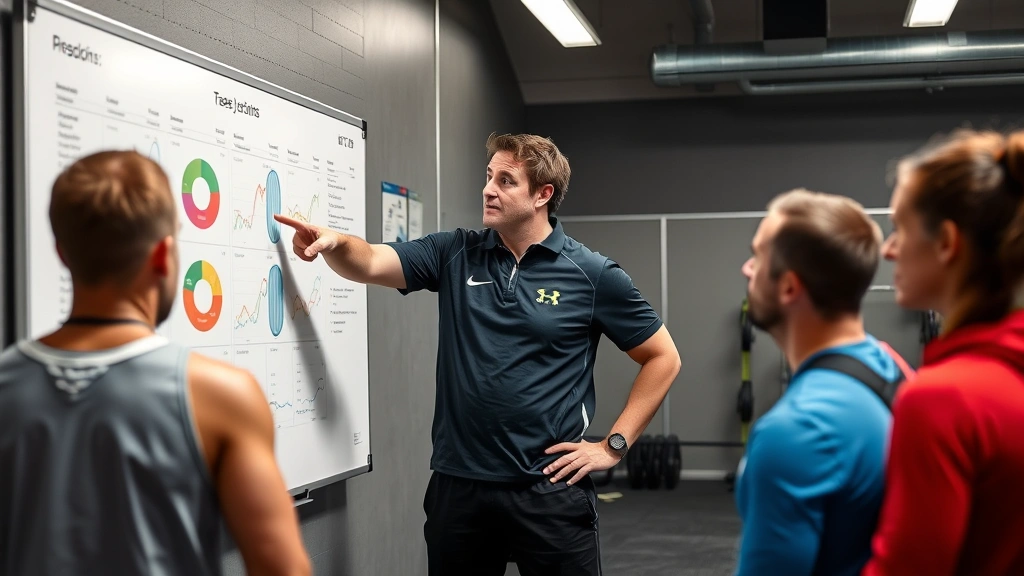
Elite fantasy managers employ structured decision frameworks rather than relying on gut instinct. These frameworks provide consistency and remove emotional bias from the process. One popular approach involves creating a scoring rubric where each factor—matchup difficulty, volume trends, injury status, weather conditions—receives weighted points. Players exceeding a certain threshold earn starts, while those falling below get benched.
Another framework involves establishing player tiers within each position. Tier One players almost always start regardless of matchup. Tier Two players start against weak defenses but sit against elite units. Tier Three players require exceptionally favorable circumstances to earn starts. This tiered approach removes decision paralysis by establishing clear guidelines before emotions come into play.
The “start your studs” principle remains foundational to successful fantasy management. Your first-round picks and elite performers deserve starts in nearly all circumstances. Reserve your most agonizing start-or-sit decisions for mid-tier players where the decision actually impacts your fantasy outcome significantly. Spending mental energy debating whether to start your league’s consensus top-three player represents wasted cognitive resources.
Successful managers also maintain written records of their start-or-sit decisions and outcomes. This documentation reveals personal biases—maybe you consistently underestimate certain players or overvalue matchup difficulty. Over time, this self-awareness leads to improved decision-making and fewer regrettable benching decisions.
Psychological Factors in Start-or-Sit Decisions
Fantasy football decision-making involves significant psychological components. Recency bias—overweighting recent performances while ignoring longer-term trends—leads managers to overreact to single bad games. A star player’s one poor performance shouldn’t trigger an immediate bench decision, yet countless managers make this error weekly.
Conversely, the sunk cost fallacy causes managers to continue starting underperforming draft picks simply because they invested significant capital acquiring them. This emotional attachment clouds objective judgment. Sometimes the correct decision involves benching your second-round pick in favor of a waiver wire pickup simply because current circumstances favor the latter.
Loss aversion—the tendency to feel losses more acutely than equivalent gains—often leads to overly conservative start-or-sit decisions. Managers bench productive players to avoid the potential regret of them underperforming, missing out on their upside. Balancing risk-aversion with upside potential requires acknowledging these psychological tendencies and actively working against them.
The Journal of Sports Medicine and Physical Fitness explores how cognitive biases influence sports-related decision-making. Understanding these psychological principles helps fantasy managers make more objective choices aligned with actual probability rather than emotional preference.
Championship-Level Start-or-Sit Strategy
As you progress through the fantasy season toward playoffs, start-or-sit decisions become increasingly consequential. Championship teams employ slightly different logic during the fantasy playoffs compared to the regular season. Risk tolerance shifts based on playoff seeding and remaining schedule strength.
During playoff weeks, managers often employ “championship upside” strategies, starting players with high-ceiling potential even if their floor seems lower. This reflects the understanding that close fantasy contests get decided by ceiling performances, not floor consistency. A player with 8-25 point upside becomes more attractive than one offering 10-14 point consistency, because the game’s outcome might hinge on maximizing total points.
Conversely, if you’re facing a heavily favored opponent, you might employ boom-or-bust strategies with players offering extreme variance. This leverages the mathematics of underdog positions, where predictable consistency won’t generate enough points to win, so maximizing ceiling potential becomes rational.
The sports betting odds and Vegas lines often provide valuable context for playoff strategy. Understanding how professional oddsmakers evaluate matchups helps fantasy managers calibrate their own expectations and identify spots where Vegas might be undervaluing or overvaluing specific players.

Tools and Resources for Start-or-Sit Analysis
Modern fantasy managers benefit from incredible technological resources. Platforms like FantasyPros aggregate expert opinions, providing consensus rankings and expert disagreement metrics. High disagreement often signals ambiguous situations where your unique insight might provide advantage.
Advanced analytics sites offer detailed matchup analysis, injury probability models, and weather impact predictions. These resources remove guesswork from the equation, replacing it with data-driven insights. Successful managers combine these technological tools with personal analysis, using technology to augment rather than replace critical thinking.
The Peak Play Arena Blog provides ongoing analysis and strategy content that helps managers stay current with evolving league trends. Additionally, exploring the high school football scores and college landscape helps identify emerging talent and understand how players develop before reaching professional levels.
Create your own tracking spreadsheets documenting weekly decisions. Record who you started, who you benched, the matchup details, and the outcome. Over time, this documentation reveals patterns in your decision-making and highlights areas for improvement. Championship-level managers treat this analysis seriously, understanding that marginal improvements compound into significant seasonal advantages.
Common Start-or-Sit Mistakes to Avoid
Even experienced managers fall into predictable traps. The most common mistake involves making changes too late in the week. While flexibility until Sunday morning provides value, constantly tinkering with your lineup introduces unnecessary risk. Establish a decision deadline—perhaps Saturday evening—and commit to your choices unless genuinely significant new information emerges.
Another prevalent error involves overcomplicating analysis. Sometimes the simplest explanation—your elite player faces a weak defense and should start—represents the correct answer. Overthinking can transform straightforward decisions into paralyzing confusion. Trust your initial instinct when it aligns with objective data.
Failing to differentiate between matchup difficulty and matchup favorability creates another common pitfall. A tough matchup doesn’t automatically warrant benching a player; instead, it should slightly decrease their projected scoring. Only bench if superior alternatives exist and the projected point differential justifies the switch.
Finally, many managers fail to account for game environment and context. A player facing a soft defense but whose team is heavily favored might see reduced volume due to game script. Conversely, underdogs often see inflated passing volume. Understanding these contextual factors prevents projection errors.
FAQ
What’s the most important factor in start-or-sit decisions?
Matchup difficulty and volume opportunity represent the two most critical factors. A player receiving high volume against weak competition represents an automatic start, while someone with declining volume faces benching regardless of their talent level. These factors matter more than any other individual variable.
Should I ever bench my first-round pick?
Rarely, but occasionally yes. If your first-round pick is injured, severely decreasing in volume, or facing an absurdly difficult matchup, starting them anyway might represent a mistake. However, these situations are genuinely rare. Most weeks, your elite picks deserve to play regardless of matchup difficulty.
How early in the week should I make final decisions?
Make preliminary decisions early (Tuesday-Wednesday) using available information, but maintain flexibility through Saturday evening. Wait until Friday night for final injury confirmations and weather updates. Sunday morning changes should only occur for truly significant developments like unexpected injuries or major weather shifts.
What role should Vegas lines play in my decisions?
Vegas lines provide valuable context about expected game scripts and scoring environment, but shouldn’t dictate individual player decisions. Use lines to understand whether your team will likely pass or run, but evaluate players within that context rather than making decisions based solely on line movement.
How do I handle bye week conflicts?
Never start multiple players from the same team during their bye week. Plan ahead by examining bye week schedules during draft season and making strategic trades to ensure roster flexibility. During bye weeks, prioritize starting your best non-bye players over questionable bye-week-affected players.
Should I follow expert consensus rankings?
Use expert consensus as a baseline rather than gospel. When your evaluation significantly differs from expert consensus, deeply examine why. If your reasoning is sound and data-backed, trust your analysis. However, when you lack strong conviction, expert consensus provides valuable validation.


