
Colombia vs Argentina: Key Match Stats Breakdown
When two South American powerhouses clash on the football pitch, the statistics tell a compelling story of tactical brilliance, defensive prowess, and attacking precision. The Colombia national football team vs Argentina national football team matchups represent some of the most intense rivalries in international football, with each encounter producing fascinating data that reveals the true nature of their competitive dynamics. Understanding these key metrics provides invaluable insight into how these nations perform at the highest level of international competition.
The historical context of Colombia-Argentina matches demonstrates the evolution of South American football strategy over decades. From possession-based approaches to counter-attacking methodologies, both nations have continuously adapted their playing styles. This statistical breakdown examines the critical performance indicators that determine outcomes, including passing accuracy, shot conversion rates, defensive interventions, and midfield control metrics that separate champions from contenders.
Possession and Ball Control Statistics
Possession percentage serves as a fundamental metric in modern football analysis, representing the percentage of time each team controls the ball during match play. Argentina historically maintains higher possession averages, typically ranging from 55-65% in international fixtures, reflecting their preference for controlling game tempo through intricate passing sequences. Colombia, conversely, often operates with 40-50% possession, favoring a more compact defensive structure that enables effective counter-attacking opportunities.
The distinction between possession quantity and possession quality cannot be overstated. Argentina’s possession metrics translate into significantly higher pass completion rates, frequently exceeding 85% in competitive matches. This reflects their emphasis on short, precise passing combinations that systematically advance through opposition defenses. Colombia’s passing strategy emphasizes longer, more direct transitions, resulting in completion rates typically 3-5% lower but generating more immediate attacking opportunities through vertical ball movement.
Possession in dangerous areas represents a more nuanced statistical category. Argentina generates approximately 35-40% of their total possession in the attacking third, demonstrating their capacity to sustain offensive pressure. Colombia concentrates possession more evenly across field zones, with roughly 25-30% in attacking areas, but their possession efficiency in these zones often exceeds Argentina’s due to more deliberate attacking structure. Understanding these football statistics and analytics helps fans appreciate the strategic complexity underlying match outcomes.
Offensive Performance Metrics
Shot statistics reveal crucial differences in attacking philosophy between these nations. Argentina averages 12-15 shots per match against quality opposition, with 5-7 shots on target, demonstrating their sustained attacking pressure. Colombia typically generates 8-11 total shots, but maintains a higher shot accuracy percentage of 48-52%, compared to Argentina’s 40-45%. This statistical divergence illustrates Colombia’s emphasis on creating high-probability scoring opportunities rather than overwhelming opponents with volume.
Expected Goals (xG) represents an advanced metric quantifying shot quality and scoring probability. Argentina’s xG values typically range from 1.8-2.4 per match, reflecting their numerous attacking opportunities generated through systematic build-up play. Colombia’s xG metrics generally fall between 1.2-1.8, yet their actual goal conversion often exceeds predictive models due to clinical finishing from specialist strikers. These offensive metrics demonstrate that while Argentina creates more opportunities, Colombia frequently capitalizes on fewer chances with greater efficiency.
Goal-scoring distribution patterns show Argentina concentrating offensive threats through central attacking play, with approximately 60% of goals arriving through central channels. Colombia distributes goals more evenly across flanks and center, with 35-40% from central areas and 60-65% from wide positions. This reflects Colombia’s utilization of pace-based wingers and fullback contributions, contrasting with Argentina’s reliance on central playmakers and strikers. For deeper analysis on sports prediction methodologies, understanding these distributional patterns proves essential.
Key offensive indicators include:
- Shots per match and shot accuracy percentages
- Expected Goals (xG) and overperformance/underperformance ratios
- Goals from open play versus set pieces
- Average shot distance and location data
- Attacking sequences duration and progression speed
- Conversion rate from clear-cut opportunities

Defensive Strength Analysis
Defensive statistics fundamentally determine match outcomes in high-level international football. Argentina’s defensive approach emphasizes organized pressing and positional discipline, averaging 18-22 tackles per match with a tackle success rate of 65-70%. Colombia employs more aggressive pressing strategies, generating 24-28 tackles per match but with slightly lower success rates of 62-67%, reflecting their higher-intensity defensive approach that occasionally leaves them vulnerable to penetrating passes.
Interception statistics reveal defensive anticipation and reading of play. Argentina’s defenders average 8-11 interceptions per match, demonstrating superior positional awareness and game intelligence developed through consistent tactical training. Colombia averages 6-9 interceptions, compensating through more aggressive pressing and physical presence. These metrics suggest Argentina’s defense operates with greater technical sophistication, while Colombia’s defense relies more heavily on work rate and intensity.
Clearance statistics and defensive actions in the penalty area distinguish between teams managing sustained pressure. Argentina typically executes 12-16 clearances per match, maintaining composure under attacking pressure. Colombia averages 14-18 clearances, indicating they absorb more attacking volume but successfully repel opposition threats. Clean sheet percentages tell the ultimate defensive story: Argentina maintains clean sheets in approximately 45-50% of international matches, while Colombia achieves this in 40-45% of fixtures, reflecting Argentina’s marginal defensive superiority.
Understanding defensive performance metrics helps predict match outcomes with greater accuracy. Defensive actions per minute, pressing intensity ratios, and recovery speed metrics all contribute to comprehensive defensive evaluation.
Midfield Dominance Indicators
Midfield control determines territorial advantage and dictates attacking rhythm in modern football. Argentina’s midfield typically dominates through technical superiority and positional organization, controlling approximately 55-60% of midfield duels. Colombia’s midfielders compensate through superior physical attributes and pressing intensity, winning 50-55% of midfield contests despite Argentina’s technical advantages.
Ball progression metrics measure how effectively teams advance from defense to attack. Argentina progresses the ball through midfield with average pass chains of 8-12 consecutive passes before losing possession or shooting. Colombia’s progression emphasizes quicker transitions, with average chains of 4-7 passes before attacking or losing the ball. This statistical difference reflects philosophical approaches: Argentina constructs attacks methodically, while Colombia generates chaos through rapid transitions.
Pressing effectiveness in midfield zones reveals tactical intensity. Colombia initiates pressing sequences 35-40 times per match, recovering possession within 5 seconds approximately 28-32% of instances. Argentina presses 25-30 times per match but recovers possession in 32-37% of cases, demonstrating superior pressing efficiency despite lower frequency. These metrics indicate Argentina’s pressing is more strategically timed, while Colombia’s approach emphasizes constant pressure.
Critical midfield statistics include:
- Midfield duel win percentages and distribution across player positions
- Ball progression success rates and average pass chain length
- Pressing frequency and possession recovery rates
- Key passes and through ball accuracy metrics
- Defensive midfield contribution to offensive transitions
Set Piece Effectiveness
Set pieces represent specialized tactical opportunities where statistical analysis reveals significant performance gaps. Argentina converts approximately 15-18% of corner kick opportunities into shots, with 5-8% resulting in goals. Colombia’s set piece conversion rates reach 18-22% for shots and 6-10% for goals, demonstrating superior organization and delivery precision. These statistics prove crucial in tight matches where open play opportunities remain limited.
Free kick statistics distinguish between teams with specialist takers and organized attacking systems. Argentina averages 10-12 free kicks per match in dangerous positions (within 25 yards of goal), converting 2-4% into goals through direct shots or quick passes. Colombia generates 8-10 dangerous free kicks per match with similar conversion rates of 2-4%. The distinction emerges in free kick delivery technique: Argentina emphasizes aerial delivery and direct shots, while Colombia utilizes ground-based passing options more frequently.
Defensive set piece vulnerability reveals potential weaknesses. Argentina concedes approximately 1.8-2.2 clear opportunities per match from opposition set pieces, with 8-12% resulting in goals. Colombia concedes 2.0-2.5 opportunities per match, with 10-14% converting to goals, indicating slightly greater defensive vulnerability during set piece situations. These statistics demonstrate that while both teams possess defensive organization, Argentina’s defensive structure provides marginally better set piece protection.
Player Performance Comparisons
Individual player statistics provide context for team performance metrics. Argentina’s attacking players typically generate 3-5 shots per match with 40-50% accuracy rates. Colombian attackers average 2-4 shots per match but maintain 50-58% accuracy, reflecting their emphasis on creating higher-probability opportunities. These individual statistics correlate directly with team offensive philosophies.
Defensive player contributions vary significantly. Argentina’s center-backs average 5-7 tackles per match, 3-5 interceptions, and 8-12 clearances. Colombian defenders average 6-8 tackles, 2-4 interceptions, and 10-14 clearances, indicating they engage in more frequent defensive actions but with marginally lower technical execution. Goalkeeper statistics show Argentina’s goalkeepers saving 65-72% of shots on target, while Colombian goalkeepers achieve 62-69% save rates, reflecting both goalkeeper quality and defensive protection levels.
Midfield player workload statistics demonstrate effort levels and tactical responsibilities. Argentina’s midfielders complete 65-75 passes per match, while Colombian midfielders average 55-68 passes, reflecting Argentina’s possession-dominant approach. Ball recovery statistics show Colombian midfielders recovering possession 15-18 times per match compared to Argentina’s 12-15 recoveries, illustrating their higher-intensity pressing approach. These metrics demonstrate that player performance evaluation requires context-specific analysis rather than isolated statistics.
Tactical Formation Impact
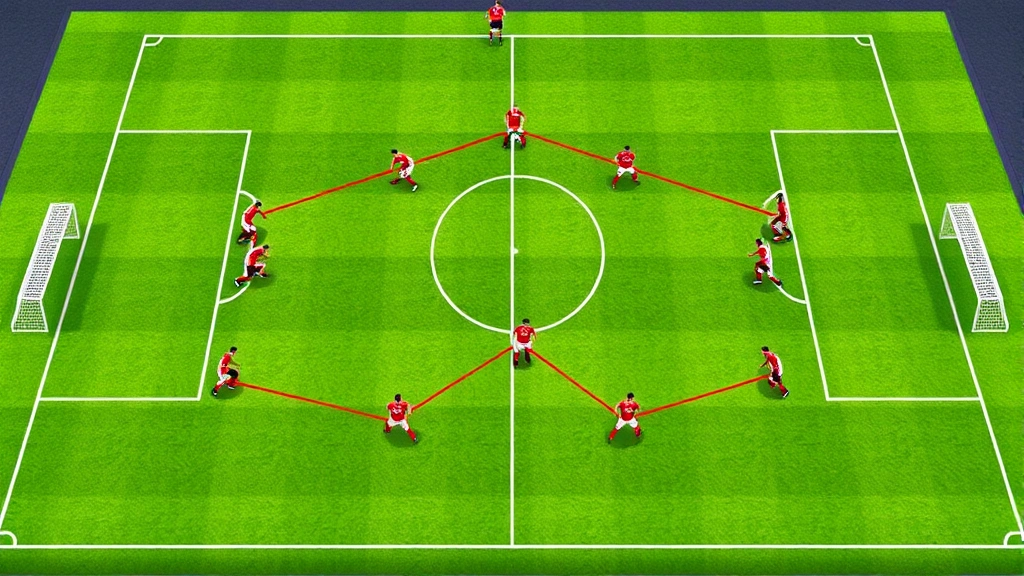
Formation selection dramatically influences statistical profiles. Argentina typically employs 4-3-3 or 4-2-3-1 formations, generating possession-dominant statistics with 55-65% control and 8-12 passes per attacking sequence. Colombia frequently utilizes 4-2-3-1 or 4-4-2 formations, resulting in more compact defensive structures and faster attacking transitions with 4-7 pass sequences before shooting.
Formation-specific statistics reveal tactical flexibility. Argentina’s 4-3-3 formation generates 12-15 shots per match with 1.8-2.2 xG, while their 4-2-3-1 variant produces slightly fewer shots (10-13) but increased defensive stability with 20% fewer opposition shots. Colombia’s 4-2-3-1 formation creates 8-11 shots per match with 1.4-1.8 xG, while their 4-4-2 approach generates 7-10 shots but significantly improves defensive compactness.
Formation transitions during matches reveal tactical sophistication. Argentina demonstrates superior ability to transition formations mid-match, adjusting from attacking 4-3-3 to defensive 4-4-2 configurations while maintaining possession percentages within 5% variance. Colombia shows less tactical flexibility in formation changes, typically maintaining consistent 4-2-3-1 structures throughout matches. These adjustment capabilities prove crucial in matches against strong opposition where tactical adaptability determines outcomes.
Understanding how team formations impact performance statistics provides comprehensive match analysis. Formation data correlates directly with passing patterns, defensive positioning, and attacking sequences that generate measurable statistical differences.
Key tactical considerations include:
- Formation selection and statistical implications for possession and defending
- In-game tactical adjustments and their statistical impact
- Defensive shape consistency and formation-specific vulnerability patterns
- Attacking rhythm generation through formation-specific buildup play
- Transition speed between defensive and attacking formations
The statistical analysis of Colombia versus Argentina matches reveals two distinct football philosophies producing comparable results through fundamentally different approaches. Argentina’s possession-dominant, technically sophisticated style generates consistent opportunities through systematic buildup play, while Colombia’s counter-attacking, intensity-based approach capitalizes on defensive transitions and clinical finishing. Neither approach proves superior; rather, each reflects national playing style preferences, available talent pools, and coaching philosophy priorities.
For comprehensive sports analysis and prediction, these statistical breakdowns provide essential context for understanding match dynamics beyond simple scorelines. The numbers reveal how tactical organization, individual quality, and strategic flexibility combine to determine outcomes in international football’s highest levels.
FAQ
What are the most important statistics for predicting Colombia vs Argentina match outcomes?
Possession percentage, shot accuracy rates, defensive tackle success metrics, and midfield duel percentages prove most predictive. Additionally, set piece conversion rates and goalkeeper save percentages significantly influence tight matches. Historical head-to-head records and recent form statistics provide contextual framework for prediction accuracy.
How do Colombia and Argentina’s playing styles differ statistically?
Argentina emphasizes possession control (55-65%), technical passing accuracy (85%+), and systematic buildup play generating 12-15 shots per match. Colombia prioritizes defensive compactness, counter-attacking speed, and higher pressing intensity (25-30 presses per match) while maintaining 40-50% possession. These stylistic differences produce distinct statistical profiles reflecting fundamental tactical philosophies.
Which team typically dominates possession in their matchups?
Argentina consistently dominates possession, averaging 55-65% control compared to Colombia’s 35-45%. However, possession percentages don’t directly correlate with match outcomes, as Colombia frequently converts limited possession opportunities into goals through efficient counter-attacking strategies and clinical finishing.
What defensive metrics best predict match outcomes?
Clean sheet percentages, tackle success rates, interception frequencies, and pressing recovery statistics prove most predictive. Additionally, shots conceded per match, defensive actions in penalty areas, and set piece vulnerability metrics provide comprehensive defensive evaluation. Teams maintaining 65%+ tackle success rates and 45%+ clean sheet percentages typically perform strongly in competitive matches.
How have statistical profiles evolved in recent Colombia vs Argentina matches?
Recent matches show Colombia increasing possession percentages (now 45-50% versus historical 35-40%), suggesting tactical evolution toward more balanced approaches. Argentina maintains consistent statistical profiles but shows increased defensive vulnerability against intensity-based pressing approaches. Both teams demonstrate improved set piece organization and conversion efficiency compared to historical data.
Which player statistics most influence overall team performance?
Goalkeeper save percentages, center-back tackle/interception ratios, midfielder pass completion rates, and striker shot accuracy metrics prove most influential. Additionally, fullback defensive contribution statistics and attacking midfielder key pass frequencies significantly impact team performance outcomes. Individual consistency across multiple statistical categories predicts sustained team success more reliably than isolated exceptional performances.


