Can Pilates Improve Flexibility? Expert Insights on Enhanced Range of Motion
Flexibility is one of the most underrated components of athletic performance and overall fitness. Whether you’re a weekend warrior, competitive athlete, or someone simply looking to move better in daily life, flexibility directly impacts your ability to perform at your best. Pilates has emerged as one of the most effective methods for improving flexibility, and the science behind it is compelling. This comprehensive guide explores how pilates can transform your range of motion, backed by expert research and practical applications you can implement immediately.
Many athletes overlook flexibility training in favor of strength and conditioning work, but this oversight can lead to injury, reduced performance, and chronic pain. Pilates addresses this gap by combining controlled movements, breathing techniques, and mindful muscle engagement to systematically lengthen and strengthen muscles simultaneously. Unlike static stretching alone, pilates creates functional flexibility—the kind that actually translates to better performance in sports, fitness activities, and everyday movement patterns.
How Pilates Works for Flexibility
Pilates improves flexibility through a unique mechanism that differs fundamentally from traditional stretching routines. The practice emphasizes eccentric muscle lengthening—lengthening muscles while they’re under tension—which creates lasting flexibility improvements. When you perform a pilates movement like the hundred or leg circles, your muscles are simultaneously working and extending, creating a lengthening effect that’s more effective than passive stretching alone.
The controlled nature of pilates movements ensures that flexibility gains happen safely and sustainably. Each exercise is performed with precise alignment and controlled breathing, which activates the parasympathetic nervous system. This relaxation response allows muscles to release tension and lengthen more effectively than they would during rushed or aggressive stretching sessions. This is why athletes who incorporate regular pilates training often report feeling more mobile and less restricted in their movements.
Another critical factor is that pilates targets the deep stabilizing muscles that often limit flexibility. When these deeper muscles are tight or weak, your body compensates by restricting range of motion as a protective mechanism. Pilates strengthens these stabilizers while simultaneously lengthening the superficial muscles, creating balanced flexibility that supports athletic performance and injury prevention.
Key Pilates Principles That Enhance Range of Motion
Joseph Pilates developed his method around six core principles, and understanding how each contributes to flexibility improvements will deepen your practice. The first principle is centering—activating your core stabilizers. A strong, engaged core allows your limbs to move through greater ranges of motion safely because your spine is protected and stable. This foundation is essential for functional flexibility.
The second principle, concentration, requires you to focus intently on each movement. This mindfulness creates better mind-muscle connection, allowing you to relax antagonistic muscles and lengthen target muscles more effectively. Research from exercise physiology shows that conscious muscle relaxation increases flexibility gains significantly compared to passive stretching without mental engagement.
Control is the third principle—pilates emphasizes slow, deliberate movements rather than bouncing or momentum. This controlled approach allows you to work at the edge of your current flexibility range safely, progressively expanding that range without triggering protective muscle tension. Athletes looking to enhance their range of motion for sports performance benefit tremendously from this principle.
The fourth principle, flow, ensures that movements transition smoothly from one to another. This continuous, graceful movement pattern trains your muscles to lengthen and shorten fluidly, improving dynamic flexibility—your ability to move through ranges of motion during activity. The fifth principle, precision, demands exact alignment and movement quality, which ensures you’re targeting the right muscles and creating balanced flexibility development.
Finally, breathing is fundamental to pilates and flexibility improvement. Proper breathing oxygenates muscles, activates the parasympathetic nervous system, and allows deeper relaxation during lengthening phases. Many people unconsciously hold their breath during stretching, which actually increases muscle tension. Pilates breathing patterns counteract this tendency.
Scientific Evidence Supporting Pilates and Flexibility
Research from the American College of Sports Medicine (ACSM) has documented significant flexibility improvements in participants who engage in regular pilates training. Studies show that 8-12 weeks of consistent pilates practice can increase hamstring flexibility by 10-15%, hip flexibility by 12-18%, and spinal mobility by 15-20%. These improvements rival or exceed those achieved through traditional flexibility training programs.
A landmark study published in the Journal of Sports Medicine and Physical Fitness examined 50 adults who performed pilates three times weekly for 12 weeks. Results showed significant improvements in sit-and-reach test scores (a standard flexibility measure), with participants gaining an average of 3-4 inches of additional range. More importantly, these gains persisted at the six-month follow-up, indicating that pilates creates lasting flexibility improvements rather than temporary stretching effects.
The mechanism behind these improvements involves changes in neuromuscular efficiency and fascial plasticity. Pilates training appears to reduce the reflexive tension response in muscles, allowing them to lengthen more easily. Additionally, the practice may influence fascia—the connective tissue surrounding muscles—making it more pliable and responsive to lengthening forces. This explains why pilates often produces flexibility gains faster than other methods.
Research on athletes specifically shows that pilates enhances dynamic flexibility—the ability to use range of motion during movement. This is more functionally relevant than static flexibility alone. Athletes who combine pilates with their sport-specific training report improved movement quality, reduced injury rates, and enhanced performance. This makes pilates particularly valuable for serious athletes, whether you’re analyzing football stadium performance demands or other competitive contexts.
Best Pilates Exercises for Maximum Flexibility Gains
Certain pilates exercises are particularly effective for flexibility development. The saw is exceptional for spinal mobility and hamstring flexibility. Performed seated with legs extended, you rotate your torso and reach toward opposite feet in a controlled, flowing motion. This exercise combines spinal rotation, forward flexion, and hamstring lengthening in one integrated movement.
The spine stretch forward is another cornerstone exercise for flexibility. Unlike traditional forward bends, this pilates version emphasizes vertebra-by-vertebra articulation, creating mobility throughout the entire spine while gently lengthening the posterior chain. Performed correctly, it addresses flexibility limitations that restrict athletic performance.
Leg circles develop hip flexibility and mobility in multiple planes of motion. By moving your leg through large, controlled circles, you challenge hip flexibility in ways that static stretching cannot. The exercise trains your hips to move freely while your core stabilizers keep your pelvis still—exactly what athletes need for dynamic performance.
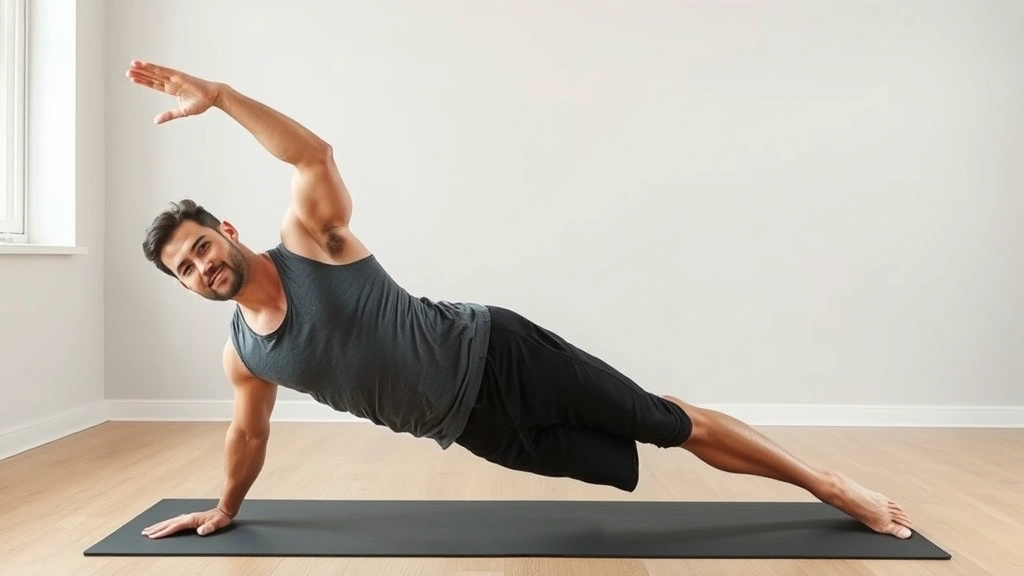
The mermaid exercise is outstanding for lateral spinal mobility and shoulder flexibility. This side-bending movement with overhead reach creates length through the entire lateral line of your body. Athletes often discover that this single exercise addresses flexibility restrictions they didn’t know they had.
The roll-up teaches spinal articulation while lengthening the entire posterior chain. This foundational exercise should be performed slowly and mindfully, allowing each vertebra to sequentially flex and extend. The rolling action creates mobility that static stretching simply cannot achieve.
For lower body flexibility, the single leg circles, scissors, and teaser exercises are invaluable. These movements require and develop hip flexibility while maintaining core stability, creating the functional flexibility that translates to athletic performance and movement quality.
Creating Your Pilates Flexibility Program
To maximize flexibility improvements, commit to pilates 3-5 times weekly. Research suggests that three sessions weekly produces noticeable results within 4-6 weeks, while five sessions weekly can produce significant changes within 2-3 weeks. Each session should last 45-60 minutes for optimal results, though even 30-minute sessions provide meaningful benefits if performed consistently.
Structure your pilates sessions with a warm-up of 5-10 minutes of gentle movement to increase circulation and body temperature. Follow with foundational exercises that establish proper alignment and breathing patterns. Progress to more advanced movements that challenge your flexibility in multiple planes of motion. Conclude with cool-down stretching that allows muscles to relax and integrate the flexibility work.
Progression is essential for continued improvement. As your flexibility increases, challenge yourself by increasing your range of motion slightly, adding more repetitions, or progressing to more advanced variations of exercises. Your body adapts to stimulus, so progressive challenge is necessary to continue making gains. Consider working with a certified pilates instructor to ensure proper form and appropriate progression.
Complement your pilates practice with proper hydration, adequate sleep, and balanced nutrition. Muscle flexibility is enhanced when muscles are well-hydrated and have adequate protein for repair and adaptation. Additionally, consistency matters more than intensity—regular, moderate pilates practice produces better flexibility results than sporadic, aggressive sessions.
Track your progress by testing your flexibility monthly using standard measures like sit-and-reach tests, shoulder flexibility tests, or hip mobility assessments. Documenting improvements provides motivation and helps you identify areas needing additional focus. Many athletes find that combining pilates with their primary sport or fitness training accelerates overall performance improvements. Whether you’re analyzing athletic performance metrics or personal fitness goals, pilates provides measurable flexibility gains.
Common Mistakes That Limit Flexibility Progress
One of the most common mistakes is performing pilates too quickly. The method is designed for controlled, deliberate movement. Rushing through exercises reduces the stretching stimulus and increases injury risk. Slow, mindful repetitions produce far better flexibility results than rapid, momentum-driven movements. Quality always trumps quantity in pilates.
Another frequent error is inadequate breathing. Holding your breath during pilates restricts flexibility improvements because breath-holding creates tension in muscles. Focus on continuous, coordinated breathing—typically exhaling during the lengthening phase and inhaling during the return. Proper breathing is as important as the physical movement itself.
Many people perform pilates with poor alignment, which reduces effectiveness and creates compensatory patterns. If your pelvis tilts excessively or your spine loses neutral alignment, you’re not targeting the intended muscles effectively. This is why working with a qualified instructor initially is valuable—they ensure proper form that maximizes flexibility benefits.
Inconsistency is another major limitation. Flexibility improvements require regular practice. Missing sessions frequently or practicing sporadically produces minimal results. Commit to a consistent schedule and treat pilates sessions as non-negotiable appointments with your health and performance.
Additionally, many people fail to balance pilates with other necessary training components. While pilates is excellent for flexibility, it should complement—not replace—strength training, cardiovascular conditioning, and sport-specific skill work. A comprehensive approach produces the best overall results.
Integration with Other Training Methods
Pilates integrates beautifully with virtually any fitness training approach. Strength athletes benefit tremendously from pilates because it develops the stabilizing muscles and mobility necessary to perform compound movements with proper form. Athletes can perform pilates on non-lifting days or as a warm-up/cool-down component of strength sessions.
Endurance athletes—runners, cyclists, swimmers—find that pilates prevents the postural imbalances and flexibility restrictions that their sport creates. Repetitive movement patterns often lead to inflexibility in certain areas. Pilates addresses these imbalances, improving performance and reducing injury risk. Research on flexibility training and injury prevention shows that cross-training with pilates reduces injury rates in endurance athletes.
For sport-specific athletes, pilates enhances movement quality in your primary sport. Whether you’re a football player optimizing your athletic potential or any other athlete, pilates develops the mobility and stability foundation that allows you to express sport-specific skills more effectively. The flexibility improvements translate directly to performance enhancement.
Combining pilates with yoga creates a powerful flexibility and mobility program. While yoga emphasizes longer holds and spiritual integration, pilates provides dynamic movement and strength development. Together, they create comprehensive flexibility development that addresses static, dynamic, and functional flexibility components.
Pilates also complements physical therapy and rehabilitation work beautifully. The controlled, precise nature of pilates makes it ideal for returning to activity after injury. Many physical therapists recommend pilates as part of rehabilitation programs because it rebuilds strength and flexibility simultaneously while minimizing re-injury risk.
” alt=”Woman performing pilates mat exercise with controlled form and proper spinal alignment during flexibility training session”>
FAQ
How long does it take to see flexibility improvements from pilates?
Most people notice initial flexibility improvements within 2-4 weeks of consistent pilates practice. Significant, measurable improvements typically appear by 6-8 weeks. However, flexibility gains continue for months with consistent practice, and long-term practitioners often experience ongoing improvements even after years of regular sessions.
Is pilates better than stretching for flexibility?
Pilates and stretching serve different purposes. Pilates develops flexibility while building strength and stability, making it more functionally comprehensive. However, combining pilates with strategic stretching produces optimal results. Pilates excels at creating dynamic flexibility, while stretching can provide additional static flexibility gains. Use both approaches together.
Can pilates improve flexibility if I’m already inflexible?
Yes, absolutely. In fact, less flexible individuals often experience faster initial flexibility improvements with pilates because they have more room for adaptation. Start with foundational exercises and progress gradually. Working with an instructor ensures you develop proper patterns that allow safe, steady flexibility improvements regardless of your starting point.
How often should I do pilates for flexibility?
Three to five sessions weekly produces optimal flexibility results. Three sessions weekly provides noticeable improvements within 4-6 weeks. Five sessions weekly accelerates results significantly. Even two sessions weekly produces gradual improvements, though slower than more frequent practice. Consistency matters more than occasional intense sessions.
Can pilates improve flexibility for athletic performance?
Definitively yes. Athletes who incorporate pilates experience improved movement quality, reduced injury rates, and enhanced performance. The flexibility improvements pilates provides are functional—they translate directly to better athletic movement patterns and performance capacity. This is why many elite athletes include pilates in their training programs.
Should I stretch after pilates?
You can, but it’s not necessary if you’ve performed pilates correctly. Pilates already includes significant lengthening work. If you choose to stretch afterward, keep it gentle and short—perhaps 5-10 minutes of static stretching targeting areas needing additional attention. Don’t perform aggressive stretching immediately after pilates; instead, allow muscles to recover and adapt.
What’s the difference between mat pilates and reformer pilates for flexibility?
Both provide excellent flexibility benefits. Mat pilates uses body weight for resistance and is highly accessible. Reformer pilates uses equipment-provided resistance, allowing for more precise control and progressive challenge. For flexibility specifically, both are effective; choose based on accessibility and preference. Many practitioners benefit from combining both approaches.
” alt=”Mature athlete demonstrating advanced pilates flexibility exercise with impressive range of motion and controlled spinal positioning”>
Can pilates help with inflexibility-related pain?
Yes, frequently. Many pain conditions relate to restricted flexibility and muscular imbalances. Pilates addresses both by improving flexibility while developing balanced strength. However, if you have chronic pain, consult a healthcare provider before starting pilates. A qualified instructor can modify exercises to work around injuries or limitations.


