
Pitt State Football: Coach Insights on Training Excellence and Player Development
Pitt State football has established itself as a powerhouse in Division II athletics, and much of that success stems from the innovative training methodologies implemented by the coaching staff. The Gorillas’ commitment to evidence-based strength and conditioning programs has transformed how athletes prepare for competition at the collegiate level. By combining cutting-edge sports science with proven coaching wisdom, Pitt State has created a blueprint for athletic excellence that extends far beyond the gridiron.
The training philosophy at Pitt State emphasizes the integration of physical preparation, mental resilience, and tactical acumen. Coaches recognize that modern football demands athletes who possess exceptional strength, explosive power, cardiovascular endurance, and injury resilience. This comprehensive approach has positioned Pitt State athletes as some of the most well-conditioned competitors in Division II football, consistently delivering performances that capture national attention and conference championships.
The Foundation of Pitt State’s Training Philosophy
The coaching staff at Pitt State football understands that championship-caliber performance requires a systematic, science-driven approach to athlete development. The foundation of their training philosophy rests on several core principles: progressive overload, individual assessment, and sport-specific adaptation. Rather than implementing generic training programs, Pitt State coaches conduct comprehensive evaluations of each athlete’s baseline fitness level, movement patterns, and performance metrics to create personalized training trajectories.
Coach insights reveal that the most critical element of any training program is consistency combined with intelligent periodization. The Gorillas’ strength and conditioning coaches structure training cycles to peak at optimal times during the season, ensuring athletes maintain peak performance when it matters most. This approach requires meticulous planning, continuous data collection, and willingness to adjust protocols based on athlete response and injury status.
The program emphasizes that training at Pitt State isn’t merely about lifting heavier weights or running faster miles. Instead, it focuses on developing functional strength and power that directly translates to on-field performance. Every exercise, drill, and conditioning session is designed with football-specific demands in mind, ensuring that the training environment mirrors the demands athletes will face during competition.
Strength and Power Development Programs
Strength development forms the cornerstone of Pitt State football’s training regimen. The coaching staff implements a periodized strength training program that progresses through distinct phases: anatomical adaptation, hypertrophy, maximum strength, and power development. This systematic approach ensures athletes build the foundational strength necessary to withstand the physical demands of collegiate football while developing the explosive power required for superior athletic performance.
The program utilizes compound movement patterns as primary training tools. Exercises like squats, deadlifts, bench press variations, and Olympic lifts dominate the training protocols because they recruit multiple muscle groups simultaneously and develop the neuromuscular coordination essential for football performance. Coaches at Pitt State understand that effective football training must emphasize movements that mimic on-field demands.
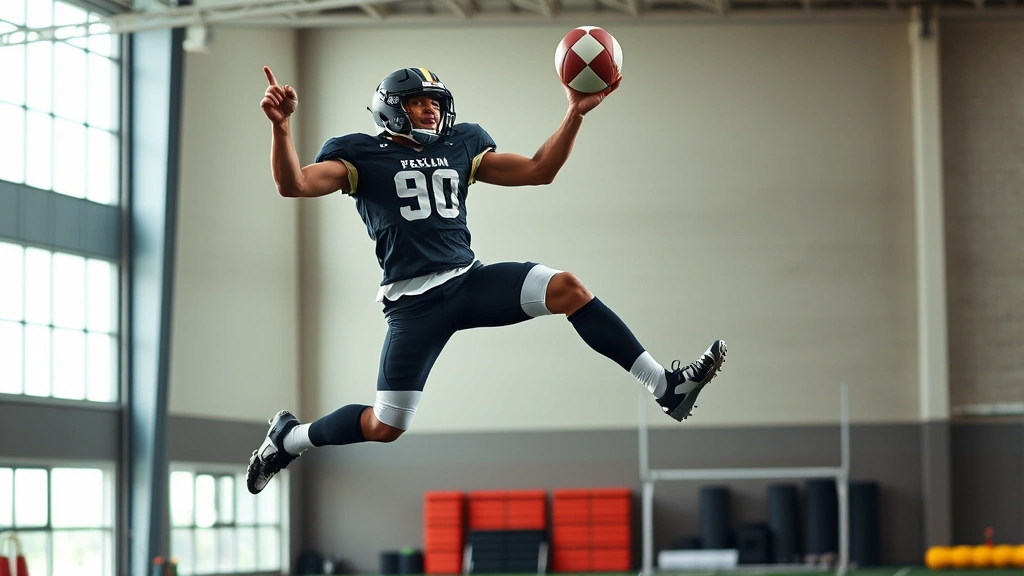
Power development receives particular emphasis in the Pitt State program. The coaching staff recognizes that football success depends on explosive movements—accelerating off the line, jumping to contest passes, and delivering powerful tackles. To develop this explosive capability, training incorporates plyometric exercises, Olympic lifting variations, and ballistic movements performed at maximal velocity. Athletes engage in controlled jump training, medicine ball throws, and speed-strength combinations that enhance their ability to generate force rapidly.
Individual strength standards guide progression within the program. Rather than prescribing identical weights for all athletes, Pitt State coaches establish position-specific strength benchmarks. Offensive and defensive linemen pursue different strength targets than skill position players, reflecting the distinct physical demands of their respective positions. This individualized approach ensures every athlete develops the specific strength qualities necessary for positional excellence.
Speed, Agility, and Explosive Movement Training
Speed and agility represent critical performance variables in modern football. The Pitt State coaching staff has invested significantly in developing athletes’ ability to accelerate, decelerate, and change direction with precision and explosiveness. These capabilities separate elite performers from average athletes and directly correlate with college football success.
The speed development program at Pitt State emphasizes proper running mechanics as the foundation. Coaches conduct movement assessments to identify biomechanical inefficiencies that might limit speed potential. Once baseline mechanics are established, training progresses through acceleration development, maximum velocity training, and sport-specific speed work. Athletes perform low-volume, high-intensity sprint intervals that develop the nervous system’s capacity to generate maximal force in minimal time.
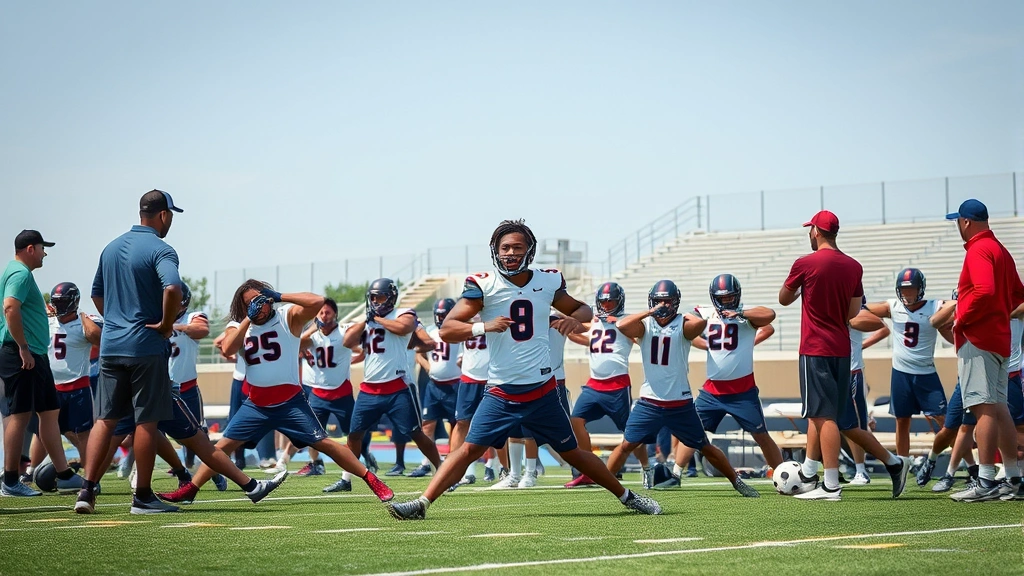
Agility training differs distinctly from speed work. While speed involves linear acceleration and deceleration, agility requires rapid directional changes in response to external stimuli. Pitt State implements agility drills that combine footwork precision with decision-making demands. Athletes navigate cone courses, respond to coaching cues, and perform reactive drills that challenge their ability to decelerate and redirect their momentum efficiently. This training directly translates to on-field performance where football demands frequent directional changes and reactive movements.
The program integrates lateral movement development, recognizing that football involves substantial lateral motion. Defensive backs must transition laterally while maintaining vision downfield. Offensive linemen must move laterally to engage defenders. Training incorporates lateral shuffle variations, lateral bounds, and side-step drills that develop the strength and coordination necessary for efficient lateral movement.
Conditioning and Cardiovascular Excellence
Cardiovascular conditioning at Pitt State football transcends traditional long-distance running. The coaching staff recognizes that football demands unique conditioning characteristics: repeated high-intensity efforts interspersed with brief recovery periods. Rather than developing pure aerobic capacity, Pitt State conditioning emphasizes the energy systems most relevant to football performance.
The program implements interval-based conditioning that mirrors football’s metabolic demands. Athletes perform repeated high-intensity efforts lasting 30-90 seconds followed by incomplete recovery periods. This approach develops the body’s ability to perform maximally despite accumulated fatigue—a critical requirement during four-quarter football competition. Coaches monitor work-to-rest ratios meticulously, ensuring conditioning sessions provide appropriate stimulus without excessive fatigue that might compromise recovery.
Position-specific conditioning receives significant attention. Linemen require different conditioning demands than skill position players. Defensive backs must maintain high-intensity efforts throughout games, while linemen experience more frequent recovery periods between plays. Pitt State’s coaching staff tailors conditioning protocols to these position-specific demands, ensuring each athlete develops the precise conditioning characteristics necessary for positional success.
Environmental training also features prominently in the Pitt State approach. Athletes train in varied conditions—heat, humidity, altitude variations—to develop physiological adaptations that enhance performance during competition. This exposure to diverse environmental stressors builds resilience and prepares athletes for the unpredictable conditions they’ll encounter during games.
Injury Prevention and Recovery Protocols
Coach insights at Pitt State emphasize that preventing injuries represents one of the most important aspects of any training program. The coaching staff implements comprehensive injury prevention strategies that address movement quality, tissue resilience, and load management. By prioritizing injury prevention, Pitt State maintains roster health and ensures athletes remain available for competition throughout the season.
The program begins with movement screening assessments that identify biomechanical vulnerabilities and movement limitations. Athletes with asymmetries, restricted mobility, or movement dysfunction receive targeted corrective exercises that address underlying issues before they progress to injury. This proactive approach prevents many common football injuries before they occur.
Load management represents another critical component of injury prevention. Pitt State coaches carefully monitor training volume and intensity, ensuring progressive increases that allow the body to adapt without exceeding tolerance limits. The coaching staff tracks metrics like weekly volume, session intensity, and recovery status to optimize the balance between stimulus and stress. This data-driven approach prevents injuries effectively while maximizing training adaptations.
Recovery protocols receive equal emphasis to training stimulus. Pitt State athletes engage in structured recovery practices including adequate sleep, nutrition optimization, and recovery modalities like foam rolling, stretching, and massage. Coaches recognize that adaptation occurs during recovery periods, not during training sessions. By prioritizing recovery, athletes maximize training benefits and maintain readiness throughout the season.
Nutrition and Performance Optimization
Nutrition represents a cornerstone of the Pitt State football training philosophy. The coaching staff works closely with sports dietitians to ensure athletes consume appropriate nutrients in optimal quantities and timing. Proper nutrition supports training adaptations, enhances recovery, and maintains energy availability for optimal performance.
The program emphasizes individualized nutrition planning. Rather than prescribing identical meal plans, Pitt State nutrition specialists assess each athlete’s energy requirements, body composition goals, and performance objectives. Linemen requiring significant muscle mass receive different nutritional guidance than skill position players focused on speed and agility. This personalized approach ensures each athlete receives the specific nutritional support necessary for their position and goals.
Nutrient timing receives significant attention. Athletes consume specific nutrient combinations around training sessions to support performance, minimize muscle breakdown, and optimize recovery. Pre-training nutrition provides energy and mental focus. Post-training nutrition delivers carbohydrates and protein to replenish glycogen and support muscle protein synthesis. This strategic nutrition timing enhances training effectiveness and accelerates adaptation.
Hydration protocols ensure athletes maintain optimal fluid status before, during, and after training and competition. Proper hydration supports cardiovascular function, thermoregulation, and cognitive performance—all critical for football excellence. Coaches monitor hydration status and educate athletes about individualized fluid replacement strategies.
Mental Training and Psychological Resilience
Coach insights at Pitt State recognize that physical training represents only one component of athletic excellence. Mental training and psychological resilience separate elite performers from average athletes. The coaching staff implements comprehensive mental training programs that develop focus, confidence, resilience, and competitive mindset.
The program emphasizes goal-setting frameworks that provide clear direction and motivation. Athletes establish specific, measurable, achievable, relevant, and time-bound (SMART) goals for both individual and team performance. Regular goal review and progress assessment maintain motivation and accountability throughout the season. This goal-oriented approach aligns individual efforts with team objectives and fosters commitment to excellence.
Visualization and mental rehearsal techniques help athletes prepare for competition mentally. Athletes visualize successful performances, mentally execute plays, and visualize overcoming challenges. This mental practice activates similar neural pathways as physical practice, enhancing performance readiness and confidence. Pitt State coaches recognize that team bonding and mental preparation work synergistically to enhance performance.
Stress management and resilience training prepare athletes for the psychological demands of competitive football. Coaches teach breathing techniques, mindfulness practices, and stress-management strategies that help athletes maintain composure during high-pressure situations. This psychological preparation translates directly to improved performance under competitive stress.
Leadership development represents another critical component of mental training. Coaches identify potential leaders and provide mentorship that develops their ability to inspire, motivate, and guide teammates. Strong leadership creates a culture of excellence where athletes push each other toward higher performance standards. This team-wide commitment to excellence generates momentum that extends throughout seasons and across years.
The Pitt State football program demonstrates that championship performance requires integration of physical training, nutrition, injury prevention, and mental preparation. No single element guarantees success; rather, excellence emerges from systematic attention to all performance variables. Coach insights consistently emphasize that sustained success requires unwavering commitment to continuous improvement, evidence-based practices, and athlete-centered coaching that develops whole athletes, not merely physical specimens.
FAQ
What makes Pitt State football’s training program different from other Division II programs?
Pitt State emphasizes individualized, science-backed training that combines periodized strength development, sport-specific conditioning, and comprehensive injury prevention. The program prioritizes data collection and continuous adjustment based on athlete response, rather than implementing generic training protocols. Additionally, the integration of mental training with physical preparation sets Pitt State apart from many competitors.
How does Pitt State periodize training throughout the season?
The coaching staff implements distinct training phases: off-season development focusing on strength and power, pre-season conditioning and skill refinement, and in-season maintenance emphasizing recovery while maintaining performance. This periodization ensures athletes peak during competition while maintaining injury resilience throughout the demanding football season.
What role does nutrition play in Pitt State athletes’ performance?
Nutrition supports all training adaptations and recovery processes. Pitt State works with sports dietitians to provide individualized nutrition plans that account for position-specific demands, body composition goals, and energy requirements. Strategic nutrient timing around training sessions optimizes performance and accelerates adaptation.
How does Pitt State prevent injuries in football athletes?
The program combines movement screening to identify biomechanical vulnerabilities, corrective exercise protocols to address deficiencies, careful load management to avoid overtraining, and comprehensive recovery practices. This multi-faceted approach prevents injuries before they occur while maintaining roster health throughout the season.
What external resources inform Pitt State’s training approaches?
The coaching staff consults research from American College of Sports Medicine (ACSM), reviews peer-reviewed sports science journals, and collaborates with exercise physiology experts. This commitment to evidence-based practice ensures training protocols reflect current scientific understanding rather than outdated methodologies.
How do Pitt State coaches develop mental resilience in athletes?
The program incorporates goal-setting frameworks, visualization techniques, stress-management training, and leadership development. Coaches recognize that mental preparation deserves equal emphasis as physical training, and systematic mental training enhances performance under competitive pressure.


