
Ohio State Football: Coach Fitness Secrets – Elite Training Methods Revealed
Ohio State football coaches have built one of the most dominant programs in collegiate athletics through meticulous attention to player conditioning, strength development, and recovery protocols. The Buckeyes’ coaching staff understands that championship-caliber performance isn’t achieved through talent alone—it requires a comprehensive fitness philosophy that transforms athletes into unstoppable forces on the field. This article explores the science-backed training methodologies, nutritional strategies, and mental conditioning techniques that have made Ohio State a perennial powerhouse in college football.
The commitment to athletic excellence at Ohio State extends far beyond the practice field. Coaches work in collaboration with sports science experts, nutritionists, and strength and conditioning specialists to create individualized programs that maximize each player’s potential while minimizing injury risk. Whether you’re an aspiring athlete, a coach looking to elevate your program, or simply curious about elite-level training methods, understanding Ohio State’s fitness approach provides invaluable insights into what separates championship teams from the rest.
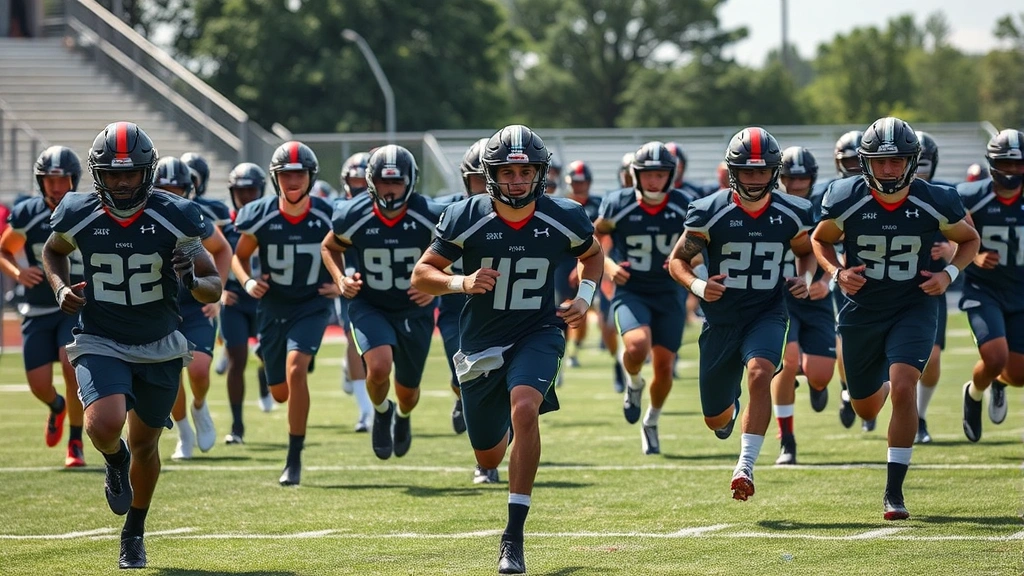
Strength and Conditioning Philosophy at Ohio State
The Ohio State football coaching staff operates from a foundational belief that comprehensive strength development forms the cornerstone of injury prevention and performance enhancement. Under the direction of strength coaches who study exercise physiology and sports science extensively, the Buckeyes implement periodized training cycles that align with the competitive season, ensuring players peak during crucial moments while avoiding overtraining.
Ohio State coaches prioritize compound movement patterns—squats, deadlifts, bench presses, and Olympic lifts—because these exercises recruit multiple muscle groups simultaneously and develop functional strength applicable to football-specific demands. Rather than isolating individual muscles, the program emphasizes integrated kinetic chain development, where athletes learn to generate force from the ground up, transferring power through their core and into their upper body or lower body depending on the movement.
The coaching philosophy recognizes that eccentric strength training (the lengthening phase of muscle contractions) plays a critical role in injury prevention. By controlling deceleration and managing impact forces, players develop resilience against the sudden directional changes and collision forces inherent in football. This approach aligns with research from the American College of Sports Medicine, which emphasizes eccentric loading for tendon and ligament strengthening.
Coaches also implement unilateral training extensively, meaning single-limb exercises like single-leg squats, single-arm presses, and split squats. This methodology addresses muscular imbalances that develop from sport-specific movement patterns and ensures no weak links exist in the kinetic chain. Football demands asymmetrical forces—a linebacker’s plant-and-cut movement, for instance—so training must reflect these real-world demands.
Advanced Training Methodologies
Ohio State’s coaching staff employs several advanced training methodologies that have evolved from decades of sports science research and practical field experience. These methods distinguish elite programs from average ones and contribute directly to the Buckeyes’ competitive advantage.
Velocity-Based Training (VBT) represents one of the most significant innovations in Ohio State’s strength program. Rather than prescribing repetitions based on percentage of one-rep max, coaches use devices that measure bar velocity during lifts. When velocity drops below a predetermined threshold, the set ends, ensuring players always work within optimal intensity zones. This approach prevents overtraining, reduces injury risk, and maximizes strength adaptations. Research published in sports science journals demonstrates that velocity-based training produces superior strength gains compared to traditional rep-based programming.
The Buckeyes implement contrast training methods, pairing heavy strength exercises with explosive plyometric movements. For example, a player might perform heavy back squats followed immediately by box jumps. The heavy load potentiates the nervous system, enhancing the explosive response during the plyometric movement. This neurological enhancement translates directly to improved athletic performance on the field, where explosive power often determines success in critical moments.
Metabolic conditioning at Ohio State goes beyond traditional cardio. Coaches design sport-specific conditioning circuits that replicate the physiological demands of football—short, intense efforts followed by incomplete recovery periods, mirroring the stop-and-start nature of the sport. Rather than running long distances, players perform interval-based conditioning that develops both aerobic and anaerobic capacity while maintaining sport specificity. Check out our comprehensive guide on how to avoid sports injuries for additional injury prevention strategies.
The coaching staff also incorporates accommodating resistance through bands and chains that increase resistance at the top of lifts where athletes are strongest. This method maximizes force production throughout the entire range of motion and challenges the nervous system in unique ways. Studies from exercise physiology research confirm that accommodating resistance develops greater strength gains in explosive athletes compared to traditional barbell training alone.
Movement quality assessment precedes every training session. Coaches use detailed movement screening protocols to identify movement dysfunctions, asymmetries, or limitations that might predispose athletes to injury. If a player demonstrates poor ankle mobility, hip stability, or thoracic spine rotation, coaches address these limitations through targeted mobility work before introducing complex strength movements. This proactive approach prevents injuries before they occur.
Nutrition and Recovery Protocols
Ohio State football coaches understand that training stimulus only represents half the equation—recovery and nutrition determine whether adaptations occur. The program employs full-time sports nutritionists who work with individual players to optimize dietary intake based on body composition goals, training phase, and position-specific demands.
Macronutrient periodization forms a cornerstone of Ohio State’s nutritional strategy. During heavy strength phases, coaches increase protein intake to support muscle protein synthesis and repair. Carbohydrate intake varies based on training intensity and volume—higher on intense training days, lower on recovery days. This strategic approach to nutrition prevents excessive fat gain while supporting performance, keeping players lean and explosive throughout the season. Research from sports nutrition journals confirms that periodized nutrition produces superior body composition and performance outcomes compared to static dietary approaches.
The Buckeyes implement strategic supplementation based on scientific evidence. While whole foods form the foundation, specific supplements like creatine monohydrate, beta-alanine, and caffeine have robust research support for enhancing strength, power, and endurance. Coaches ensure all supplements meet stringent purity standards and comply with NCAA regulations, protecting player health while gaining legitimate competitive advantages.
Sleep optimization receives equal attention to training and nutrition. Coaches educate players about sleep hygiene, recommend consistent sleep schedules, and monitor sleep quality through wearable technology. Most research indicates elite athletes require 8-10 hours of quality sleep nightly for optimal recovery and adaptation. Ohio State’s coaching staff recognizes that sleep represents the most powerful recovery tool available.
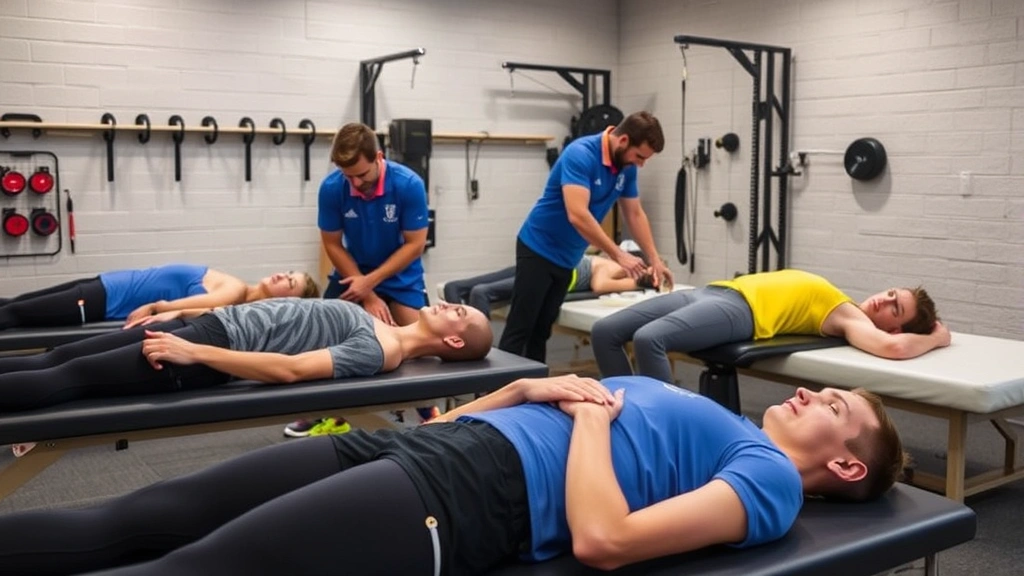
Active recovery modalities including contrast water therapy, compression therapy, and soft tissue mobilization accelerate recovery between training sessions. Coaches integrate these methods strategically rather than using them indiscriminately, understanding that recovery tools must serve specific purposes within the overall training plan.
Sport-Specific Performance Enhancement
Ohio State coaches tailor training interventions to position-specific demands, recognizing that a lineman requires different fitness attributes than a cornerback. This position-specific training philosophy ensures each athlete develops the precise fitness qualities demanded by their role.
Linemen prioritize maximal strength and power development, with training centered on heavy compound lifts and explosive movements that generate force rapidly. Coaches emphasize lower body strength for pad level advantages, core stability for maintaining position, and upper body power for shedding blocks. Conditioning focuses on repeated short bursts of maximal effort, reflecting the demands of line play.
Linebackers and defensive backs require exceptional lateral quickness, acceleration, and deceleration ability. Training emphasizes single-leg stability, rotational power, and rapid directional changes. Coaches implement extensive lateral movement training, including lateral lunges, lateral bounds, and lateral shuffle variations that develop the specific movement patterns demanded at these positions.
Skill position players (receivers, running backs, quarterbacks) prioritize acceleration, maximum velocity, and change-of-direction ability. Training includes extensive sprint mechanics work, acceleration development from various starting positions, and agility ladder drills. Coaches understand that the first 10 yards often determine success in the passing game, so acceleration training receives disproportionate emphasis.
All positions benefit from comprehensive injury prevention training that addresses movement quality, muscular balance, and tissue resilience. The coaching staff implements evidence-based injury prevention protocols that reduce anterior cruciate ligament injuries, hamstring strains, and other common football injuries. When you understand how to avoid sports injuries, you protect your career and maximize longevity in the sport.
Technology and Data Analytics
Modern Ohio State football coaches leverage cutting-edge technology to monitor athlete fitness, track training loads, and predict injury risk. Wearable devices continuously collect data on heart rate variability, sleep quality, movement patterns, and training intensity, providing objective metrics that inform coaching decisions.
Force plate analysis during strength exercises measures power output, force production, and movement symmetry. Coaches use this data to identify athletes who need additional technique work, detect early signs of fatigue or overtraining, and quantify strength improvements over time. This objective measurement replaces subjective perception, ensuring training adjustments rest on solid evidence rather than intuition.
Video analysis software allows coaches to assess movement quality during training and competition. High-speed cameras capture sprint mechanics, jump technique, and movement patterns, revealing inefficiencies or technique flaws that might limit performance or increase injury risk. Coaches provide real-time feedback based on objective video evidence, accelerating athlete development.
Readiness assessments utilizing various biometric markers help coaches determine whether athletes are adequately recovered for intense training. If an athlete’s heart rate variability, resting heart rate, or grip strength indicates insufficient recovery, coaches reduce training intensity or prioritize recovery modalities. This data-driven approach prevents overtraining while maintaining training stimulus.
The college football landscape continues evolving with technological advancement, and Ohio State remains at the forefront of innovation. Coaches who embrace data analytics gain measurable competitive advantages over programs that rely solely on traditional methods.
Mental Toughness and Psychological Conditioning
Ohio State coaches recognize that mental toughness separates championship teams from pretenders. While physical conditioning receives obvious emphasis, psychological conditioning receives equal attention through structured mental training programs.
Coaches implement visualization techniques where athletes mentally rehearse successful performances. Research in sports psychology demonstrates that vivid mental imagery activates similar neural pathways as actual physical performance, enhancing skill development and competitive confidence. Ohio State athletes spend dedicated time visualizing successful plays, comebacks, and championship moments.
Stress inoculation training exposes athletes to controlled stressors during training that simulate competitive pressure. Coaches create challenging training scenarios with specific performance standards and consequences, helping athletes develop psychological resilience. When game situations arise, athletes have previously experienced similar psychological stress, reducing anxiety and enhancing performance.
Goal-setting frameworks provide athletes with clear performance targets. Rather than vague aspirations, coaches work with athletes to establish specific, measurable, achievable, relevant, and time-bound (SMART) goals. This approach creates accountability and provides objective measures of progress, maintaining motivation throughout long seasons.
Mindfulness and meditation practices help athletes manage anxiety, improve focus, and accelerate recovery. Research confirms that mindfulness training reduces stress hormones, improves sleep quality, and enhances emotional regulation. Ohio State’s coaching staff recognizes that mental health directly impacts physical performance.
The coaching culture emphasizes accountability and ownership, where athletes understand that their individual fitness choices directly impact team success. This culture transforms fitness from an external requirement into an internal commitment, producing superior adherence and results. When athletes internalize the importance of their personal fitness, motivation becomes intrinsic rather than imposed.
Understanding the comprehensive nature of Ohio State’s coaching approach—combining strength training, nutrition, recovery, sport-specific conditioning, technology, and mental preparation—reveals why the program consistently produces elite athletes. To explore similar strategic approaches in fantasy football, check out our fantasy football draft strategy guide that emphasizes data-driven decision making.
FAQ
What makes Ohio State football coaches’ training methods superior to other programs?
Ohio State coaches combine evidence-based training methodologies with meticulous attention to individual athlete needs. The program integrates strength training, sport-specific conditioning, advanced nutrition, recovery protocols, and psychological conditioning into a comprehensive system. Additionally, the coaching staff continuously studies exercise physiology research and adapts methods based on scientific evidence rather than tradition alone. This commitment to innovation and individualization produces measurable results in player development and injury prevention.
How important is nutrition in Ohio State’s fitness program?
Nutrition receives equal emphasis to training, as coaches understand that proper fueling supports adaptation to training stimulus. Sports nutritionists work with individual players to optimize macronutrient intake based on training phase, position demands, and body composition goals. Periodized nutrition ensures athletes receive adequate calories and nutrients to support performance while maintaining lean muscle mass. Without strategic nutrition, even the most sophisticated training programs fail to produce optimal results.
What role does technology play in Ohio State football coaching?
Technology enables objective measurement of athlete fitness, training loads, and readiness. Wearable devices, force plates, and video analysis software provide data that informs coaching decisions. Rather than relying on subjective observation, coaches use objective metrics to identify optimal training intensity, detect overtraining, and prevent injuries. This data-driven approach represents a significant competitive advantage in modern college football.
How do Ohio State coaches develop mental toughness?
Coaches implement structured mental training including visualization, stress inoculation, goal-setting, and mindfulness practices. Athletes mentally rehearse successful performances, experience controlled stress during training, establish specific performance goals, and practice meditation. This comprehensive psychological conditioning produces athletes who perform optimally under pressure and maintain motivation throughout long seasons.
Can athletes outside Ohio State apply these training methods?
Absolutely—the principles underlying Ohio State’s training philosophy apply universally. Athletes at any level can benefit from periodized strength training, sport-specific conditioning, strategic nutrition, adequate recovery, and mental training. While resources vary between programs, the fundamental principles of training science remain constant. Any athlete committed to excellence can implement these methods within their available resources. For additional insights into athletic development, explore our Peak Play Arena Blog for comprehensive sports training articles.
What is velocity-based training and why do Ohio State coaches use it?
Velocity-based training measures the speed at which athletes move during strength exercises rather than prescribing set repetitions. When bar velocity drops below a threshold, the set ends, ensuring athletes work within optimal intensity zones. This approach prevents overtraining, reduces injury risk, and maximizes strength adaptations. Coaches gain objective feedback about fatigue levels and training readiness, allowing precise programming adjustments that traditional rep-based training cannot provide.


