
Best Core Workouts? Fitness Coach Insights for Maximum Strength and Performance
Your core is the foundation of every athletic movement, explosive power generation, and injury prevention strategy. Whether you’re an elite athlete competing at the collegiate level—like the intense competitors we see in Peak Play Arena’s sports coverage—or someone committed to personal fitness transformation, core strength determines your success. Fitness coaches across the nation emphasize that a properly developed core isn’t just about visible abs; it’s about functional strength that translates to real-world athletic performance and everyday resilience.
The science is clear: your core muscles stabilize your spine, transfer force between your upper and lower body, and maintain postural integrity during high-intensity activities. When football players execute powerful tackles or maintain balance during complex footwork patterns, their core muscles are working overtime. This comprehensive guide reveals the best core workouts backed by exercise physiology research and proven by elite strength coaches who train competitive athletes.
Understanding Core Anatomy and Function
Before diving into the best core workouts, you must understand the anatomical structures you’re training. Your core comprises multiple muscle groups working synergistically: the rectus abdominis (the visible six-pack muscle), external and internal obliques (rotational and lateral stability), transverse abdominis (the deepest abdominal layer providing spinal stability), and the erector spinae (posterior chain support). Additionally, your diaphragm, pelvic floor muscles, and multifidus contribute to core stability and function.
According to research published by the American College of Sports Medicine (ACSM), core stability training improves athletic performance, reduces injury risk, and enhances movement quality across all sports. The transverse abdominis, in particular, acts like a corset around your midsection, providing crucial stability during explosive movements. When you’re executing high-intensity activities—whether it’s the demanding physicality required in competitive football or intense training sessions—this muscle group prevents excessive spinal motion and protects your lower back from injury.
The core also plays a vital role in force transfer. During athletic movements, power generated from your legs must transfer efficiently through your trunk to your upper body. A weak core creates a “broken chain,” reducing power output and increasing injury risk. Elite athletes understand that how to avoid sports injuries starts with building a bulletproof core foundation.
Essential Core Exercises Every Athlete Should Master
The Plank and Its Variations
The plank remains the gold standard for core activation and endurance building. This isometric exercise engages all core muscles simultaneously while teaching proper spinal alignment. Standard planks should be performed with a straight line from your head to heels, shoulders directly over wrists, and neutral spine position. Hold for 30-60 seconds initially, progressing to 2-3 minutes as strength improves. Variations amplify results: side planks target obliques and lateral stability, while dynamic planks with shoulder taps or arm reaches add anti-rotation demands. Research from exercise physiology journals confirms planks activate the rectus abdominis, obliques, and transverse abdominis more effectively than traditional crunches.
Dead Bugs
This exercise teaches core stability while moving your extremities—mimicking real athletic demands. Lie supine with arms extended toward the ceiling and knees bent at 90 degrees. Slowly lower your right arm overhead while straightening your left leg, maintaining contact with the floor. Return to start and repeat on the opposite side. Dead bugs develop anti-extension stability, critical for preventing lower back strain during explosive movements. Perform 3 sets of 12-15 repetitions per side, focusing on movement quality over speed.
Pallof Presses
Named after physical therapist John Pallof, this anti-rotation exercise builds exceptional core stability. Using a cable machine or resistance band anchored at chest height, stand perpendicular to the anchor point. Hold the handle at your chest with both hands, then press straight forward, resisting the urge to rotate toward the anchor. This movement pattern mirrors real-world demands where your core must resist rotational forces. Perform 3 sets of 12-15 repetitions per side, progressively increasing resistance as strength improves.
Bird Dogs
Starting on all fours, extend your right arm forward while straightening your left leg backward, creating a straight line from fingertips to heels. Hold briefly, then return to start. Alternate sides with controlled movements. Bird dogs develop contralateral core stability—the ability to stabilize your spine when opposite limbs move independently. This translates directly to athletic performance where your body constantly manages asymmetrical movements. Perform 3 sets of 10-12 repetitions per side.
Ab Wheel Rollouts
Advanced athletes should incorporate ab wheel rollouts for extreme core activation. Starting on knees, hold an ab wheel and roll forward, extending your body while maintaining neutral spine. Roll back to start using core strength. This exercise demands tremendous anti-extension strength from your core muscles. Begin with partial range of motion, progressing to full-body rollouts over weeks. Perform 3 sets of 8-12 repetitions, prioritizing form over repetitions.
Hanging Leg Raises
Hanging from a pull-up bar with straight arms, raise your legs until they’re parallel to the ground (or higher for advanced athletes). Lower with control. This exercise builds exceptional lower abdominal and hip flexor strength. The hanging position also provides spinal decompression benefits. Perform 3 sets of 10-15 repetitions, maintaining strict form without swinging.
Advanced Core Training Protocols
Once you’ve mastered fundamental core exercises, advanced protocols amplify results. Anti-rotation training develops the core’s ability to resist unwanted spinal rotation—essential for athletes experiencing lateral forces. Landmine rotations, cable chops, and Pallof presses variations challenge the core under load while moving through multiple planes of motion.
Stability ball training creates unstable surfaces forcing your core to work harder for stabilization. Perform push-ups with your feet on a stability ball, achieving greater core activation than traditional push-ups. Stability ball pike-ups, where you roll an ab wheel under your feet while in plank position, combine anti-extension demands with instability for maximum core engagement.
Rotational medicine ball exercises develop power and dynamic stability. Standing with feet shoulder-width apart, hold a medicine ball at chest height and explosively rotate, releasing the ball against a wall. Catch the rebound and immediately rotate in the opposite direction. These exercises build functional core strength that translates to sports performance, crucial for understanding athletic demands similar to competitive collegiate athletics like LSU Tigers and Arkansas Razorbacks football matchups.
Weighted core training progresses your strength development. Weighted planks with a plate on your back, loaded carries where you hold heavy dumbbells while walking, and weighted ab wheel rollouts all increase resistance, forcing greater muscle recruitment. Progressive overload remains essential—gradually increase weight or difficulty every 2-3 weeks.
Programming Your Core Workouts Effectively
Effective core training requires strategic programming, not random exercises. Frequency matters: train your core 3-5 times weekly, incorporating variety to address all movement patterns. A sample weekly structure includes: Monday (anti-extension focus with planks and ab wheel rollouts), Wednesday (anti-rotation focus with Pallof presses and cable chops), and Friday (dynamic stability with medicine ball rotations and hanging leg raises).
Volume and intensity progression drive adaptation. Begin with 3 sets of 8-12 repetitions for most exercises, increasing volume by 10% every 2-3 weeks. Progress intensity through increased resistance, reduced rest periods, or advanced variations. Never sacrifice form for increased difficulty; proper technique maximizes muscle activation and injury prevention.
Integration with total body training ensures balanced development. Compound movements—squats, deadlifts, bench presses—naturally activate your core. Supplement these with dedicated core work addressing specific weaknesses. Athletes focused on performance improvements, like those tracking high school football scores and collegiate athletic metrics, understand that balanced training prevents imbalances causing injury.
Consider periodization strategies aligning core training with your sport’s demands. During off-season, emphasize strength and hypertrophy with weighted exercises and higher volume. During in-season, shift toward maintenance and stability work, reducing volume while maintaining intensity. This approach prevents overtraining while keeping core strength peak-ready.
Core Training for Injury Prevention
A robust core serves as your body’s injury prevention system. Lower back pain affects millions, yet research demonstrates that core training significantly reduces lower back pain incidence by stabilizing the spine during daily activities and athletic movements. The transverse abdominis and multifidus, when properly developed, protect your spine from excessive motion and shear forces.
Spinal stability training teaches your nervous system to maintain neutral spine position under load. Exercises emphasizing neutral spine—planks, dead bugs, bird dogs—develop neuromuscular patterns protecting your back during heavy lifting and explosive movements. This is particularly important for understanding how to avoid sports injuries at all competitive levels.
Anterior chain stability prevents excessive lumbar extension. Many athletes develop lower back pain from anterior chain weakness allowing excessive spinal extension during movements. Anti-extension exercises—planks, ab wheel rollouts, dead bugs—strengthen the anterior core, balancing posterior chain strength and maintaining spinal health.
Rotational control prevents twisting injuries common in multi-directional sports. Anti-rotation training with Pallof presses and cable chops teaches your core to resist unwanted rotation, reducing injury risk during cutting, planting, and explosive directional changes.
Nutrition and Recovery for Core Development
Core strength development extends beyond exercise into nutrition and recovery domains. Protein intake supports muscle protein synthesis, essential for building stronger core muscles. Consume 0.7-1.0 grams of protein per pound of body weight daily, distributed across meals. Adequate protein, combined with resistance training, maximizes muscle development and strength gains.
Micronutrient sufficiency supports muscle function and recovery. Magnesium, potassium, and calcium facilitate muscle contraction and relaxation. Zinc supports protein synthesis and testosterone production. Vitamin D influences muscle function and recovery. Ensure your diet includes nutrient-dense whole foods: lean proteins, colorful vegetables, whole grains, healthy fats, and fruits.
Hydration status affects muscle performance and recovery. Even mild dehydration impairs strength and endurance. Drink 50% of your body weight in ounces of water daily, increasing intake during intense training. Monitor urine color—pale yellow indicates proper hydration.
Sleep and recovery are non-negotiable. During sleep, your body releases growth hormone, facilitates muscle protein synthesis, and consolidates motor learning. Aim for 7-9 hours nightly, maintaining consistent sleep schedules. Poor sleep impairs recovery, increases injury risk, and reduces strength gains from training.
Active recovery strategies enhance adaptation between intense training sessions. Light walking, gentle yoga, foam rolling, and mobility work promote blood flow, reduce soreness, and improve movement quality. Schedule active recovery days between intense core training sessions, facilitating faster recovery and greater long-term progress.

” alt=”Fitness coach demonstrating core stability exercise with athlete in gym environment” />
Core Training Across Different Sports
Core training requirements vary by sport. Football athletes, whether competing at collegiate levels or pursuing fantasy football draft strategy based on athlete metrics, require explosive rotational power and anti-rotation stability. Implement explosive medicine ball exercises, landmine rotations, and Pallof presses emphasizing power development.
Combat sports athletes need exceptional anti-rotation strength resisting opponent forces. Emphasize heavy Pallof presses, cable chops, and dynamic stability work. Gymnasts require anti-extension strength and mobility. Prioritize planks, ab wheel rollouts, and hollow body holds. Runners benefit from rotational control and anterior-posterior stability. Incorporate anti-rotation training and dynamic stability work preventing injury during repetitive running.
Golf athletes, covered extensively in our guide on how to improve your golf swing, require rotational power and anti-lateral flexion stability. Medicine ball rotations, Pallof presses, and loaded carries develop the explosive rotational power needed for powerful drives while maintaining stability throughout the swing.
Common Core Training Mistakes to Avoid
Prioritizing appearance over function: Endless crunches won’t build a strong, functional core. Crunches primarily target the rectus abdominis while neglecting deeper stabilizer muscles and other core components. Adopt multi-planar, functional exercises addressing all core functions.
Neglecting the posterior chain: The back extensors are core muscles too. Incorporate planks, dead bugs, and bird dogs addressing posterior core strength. Neglecting posterior chain development creates imbalances causing lower back pain.
Sacrificing form for volume: Performing 100 sloppy crunches provides less benefit than 20 strict planks. Prioritize movement quality, proper breathing, and neutral spine position. Quality consistently outperforms quantity in strength development.
Ignoring rotational demands: Anti-rotation exercises deserve equal emphasis with anti-extension work. Most sports involve rotational demands, making rotational core strength essential for performance and injury prevention.
Inconsistent training: Core strength develops through consistent effort. Train your core 3-5 times weekly without exception. Sporadic training produces minimal results; consistency drives transformation.
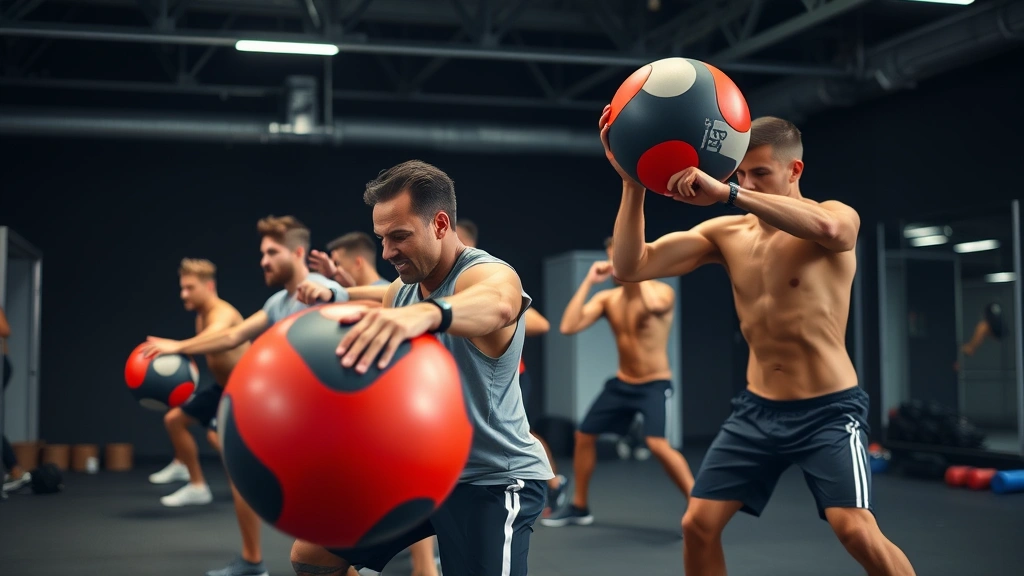
” alt=”Athletes performing dynamic core stability exercise with medicine ball in professional training facility” />
Measuring Core Strength Progress
Tracking progress motivates continued effort and demonstrates training effectiveness. Plank hold duration provides simple progress measurement. Record your maximum plank hold duration monthly. Most athletes should progress from 60 seconds to 2-3 minutes over 8-12 weeks of consistent training.
Exercise progression indicates strength improvement. Successfully performing advanced variations—full ab wheel rollouts, weighted planks, or single-leg dead bugs—demonstrates genuine strength development. Gradually progressing to harder variations ensures continued adaptation.
Resistance increases in weighted core exercises indicate strength gains. Track the weight used in weighted planks, weighted ab wheel rollouts, and loaded carries. Progressively increasing resistance every 2-3 weeks demonstrates measurable strength development.
Movement quality improvements in sport-specific activities indicate functional gains. Athletes report improved jumping height, faster sprints, more powerful throws, and better balance during cutting movements. These real-world performance improvements validate core training effectiveness.
FAQ
How often should I train my core?
Train your core 3-5 times weekly, incorporating variety. You can perform core exercises daily since they’re lower impact than heavy resistance training, but ensure you’re addressing different movement patterns and functions each session.
Can I get visible abs without core training?
Visible abs result from low body fat percentage combined with abdominal muscle development. Core training builds muscle, but achieving visible abs requires a caloric deficit achieved through nutrition. Train your core for strength and function; achieve visible abs through proper nutrition.
Are crunches effective for core development?
Crunches offer limited benefits. They primarily target the rectus abdominis while neglecting deeper stabilizer muscles and other core functions. Multi-planar exercises like planks, dead bugs, and Pallof presses provide superior results.
How long until I see core strength improvements?
Neurological improvements occur within 2-3 weeks. You’ll notice improved movement quality and stability. Structural strength and muscle development take 4-8 weeks with consistent training. Visible muscular development requires 8-12 weeks combined with proper nutrition.
Should I perform core training before or after workouts?
Perform dedicated core training as separate sessions or after primary workouts. If training after compound movements, your core will already be fatigued. Dedicated sessions allow maximum effort and intensity. For injury prevention, core work before heavy lifts ensures proper stabilization.
Can core training alone improve athletic performance?
Core training significantly enhances performance, but shouldn’t replace total body training. A strong core complements comprehensive strength training, sport-specific skills, and conditioning. Balanced training produces optimal results.
What’s the best core exercise?
No single “best” exercise exists. Effective core training incorporates multiple exercises addressing different functions: anti-extension (planks), anti-rotation (Pallof presses), and dynamic stability (medicine ball exercises). Variety ensures comprehensive development.
How does core training prevent injuries?
A strong core stabilizes your spine, maintains proper movement patterns, and transfers force efficiently through your body. This reduces excessive spinal motion, prevents imbalances, and protects against injury during daily activities and athletic movements.


