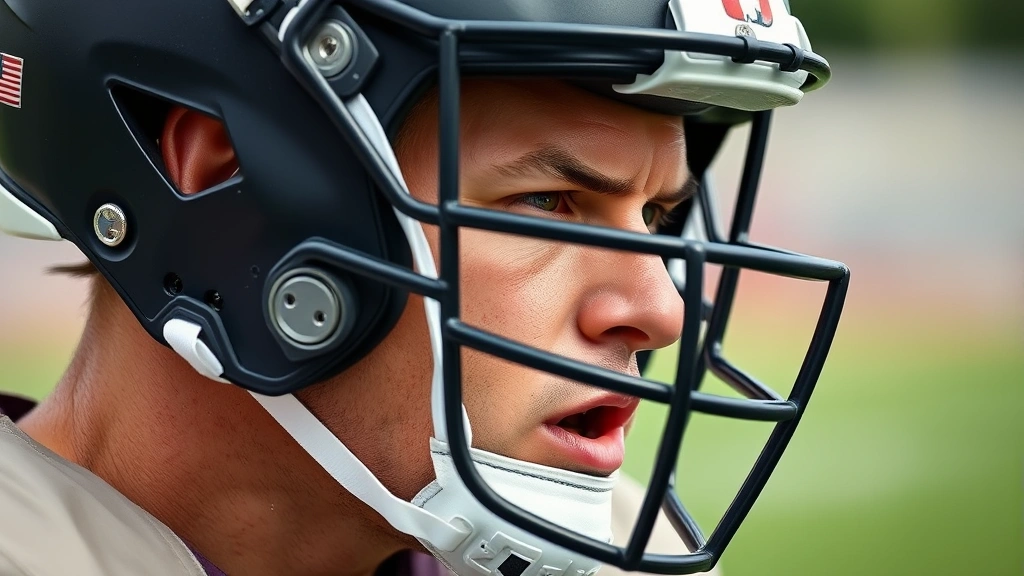
Guardian Caps: Are They Football’s Future? Expert Insight
The evolution of football safety technology has reached a critical inflection point. Guardian caps represent one of the most significant innovations in protective equipment since the modern helmet became standard, offering a revolutionary approach to mitigating head injuries that plague the sport at every level. These specialized protective devices, designed to absorb and disperse impact forces, are reshaping conversations around player safety and the long-term viability of America’s favorite game.
As concussion awareness reaches unprecedented levels and lawsuits against the NFL continue to mount, guardian caps have emerged as a tangible solution that coaches, parents, and medical professionals are seriously considering. But are they truly the future of football, or merely a stopgap measure? This comprehensive guide examines the science, expert opinions, and practical implications of guardian caps in modern football.
What Are Guardian Caps and How Do They Work
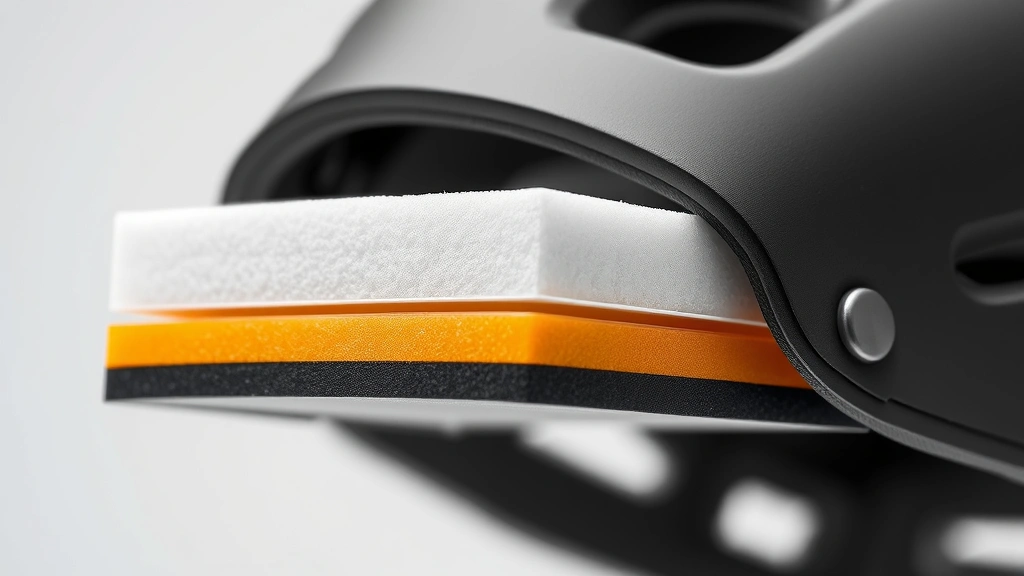
Guardian caps are external protective padding systems that attach to the outside of traditional football helmets. Unlike integrated helmet designs, these caps add an additional layer of shock-absorbing material—typically composed of specialized foam and gel compounds—that sits between the helmet exterior and incoming impacts. The concept is straightforward yet elegant: by increasing the distance between the collision point and the player’s head, guardian caps reduce the acceleration forces that reach the brain.
The primary guardian cap on the market features a distinctive bulbous design that extends approximately 1-2 inches beyond the helmet’s surface. This extra material doesn’t just absorb energy passively; it’s engineered to spread impact forces across a wider surface area, reducing peak pressure concentrations. Think of it like the difference between catching a baseball with your bare hand versus using a glove—the glove doesn’t prevent all impact, but it distributes force in a way that prevents injury.
Installation is remarkably simple. The cap uses a secure attachment system that fits over existing helmets without requiring modification or replacement. This plug-and-play approach has made adoption significantly easier than it would be if players needed entirely new headgear. For parents concerned about how to avoid sports injuries, guardian caps represent an immediately actionable protective measure.
The material composition is crucial to understanding their function. Advanced foam compounds are engineered to compress upon impact, absorbing kinetic energy that would otherwise transmit to the skull and brain. Gel-based layers work in concert with these foams, providing both immediate dampening and gradual energy dissipation. This multi-layer approach ensures protection across a spectrum of impact velocities and angles.
The Science Behind Impact Protection
Understanding the biomechanics of head injuries in football requires examining how impacts cause damage. When a player’s head experiences sudden acceleration or deceleration, the brain—suspended in cerebrospinal fluid—moves within the skull. This movement, called translational acceleration, causes shearing forces that can damage neural connections and lead to concussions. Linear acceleration (straight-line impact) and rotational acceleration (twisting forces) both contribute to injury risk.
Research published in the American College of Sports Medicine journals has documented that reducing acceleration forces by even 10-15% can significantly lower concussion risk. Guardian caps achieve this by extending the impact absorption distance. When a linebacker collides with a running back, the cap’s materials begin compressing immediately, slowing the rate at which forces reach the helmet’s rigid shell and ultimately the player’s head.
Biomechanical testing using headform models (artificial heads fitted with sensors) has demonstrated that guardian caps reduce peak acceleration forces by 10-20% depending on impact type and location. While this might seem modest, the relationship between impact force and injury risk is non-linear—small reductions in peak acceleration can yield disproportionately large reductions in concussion probability.
The effectiveness varies by impact scenario. Guardian caps perform exceptionally well against linear impacts (front-to-back or side-to-side collisions) but are less effective against rotational forces. This limitation has spurred ongoing research into cap designs that better address rotational mechanisms. Some newer iterations incorporate materials specifically engineered to resist twisting motions, though these remain in development stages.
Temperature and environmental factors also influence guardian cap performance. The foam and gel materials maintain their protective properties across typical playing conditions, though extreme heat can slightly reduce effectiveness. Manufacturers continue refining material science to ensure consistent performance regardless of weather conditions.
Guardian Caps in the NFL and College Football
The National Football League’s adoption of guardian caps began gradually but has accelerated significantly. While the NFL didn’t mandate their use, an increasing number of players have voluntarily adopted them, particularly those playing high-contact positions like linebacker, defensive end, and fullback. This grassroots adoption demonstrates genuine player confidence in the technology.
College football programs have been more aggressive in promoting guardian cap usage. Major universities, recognizing both the safety benefits and the liability implications, have made them available to all players. Some programs encourage their use for specific positions, while others have made them mandatory during certain practice situations. This variable adoption approach reflects ongoing uncertainty about whether caps should be universally required or remain optional.
High-profile players wearing guardian caps has normalized their use across football culture. When star players at prestigious programs wear protective equipment, younger athletes take notice. This trickle-down effect has been crucial in overcoming initial resistance based on appearance or perceived “softness.” The stigma that once surrounded additional protective gear is gradually eroding as evidence accumulates and peer adoption increases.
Coaching staff perspectives have evolved considerably. Initially skeptical about any equipment that might slow players down or affect helmet fit, many coaches now recognize that protecting players’ brains directly supports their long-term performance. A player sidelined by concussion misses games and practices; protecting against that outcome makes both medical and competitive sense.
Check out our comprehensive guide to fantasy football draft strategy to understand how player availability and health impact team composition—a direct parallel to how head injuries affect real football rosters.
Youth Football and High School Adoption
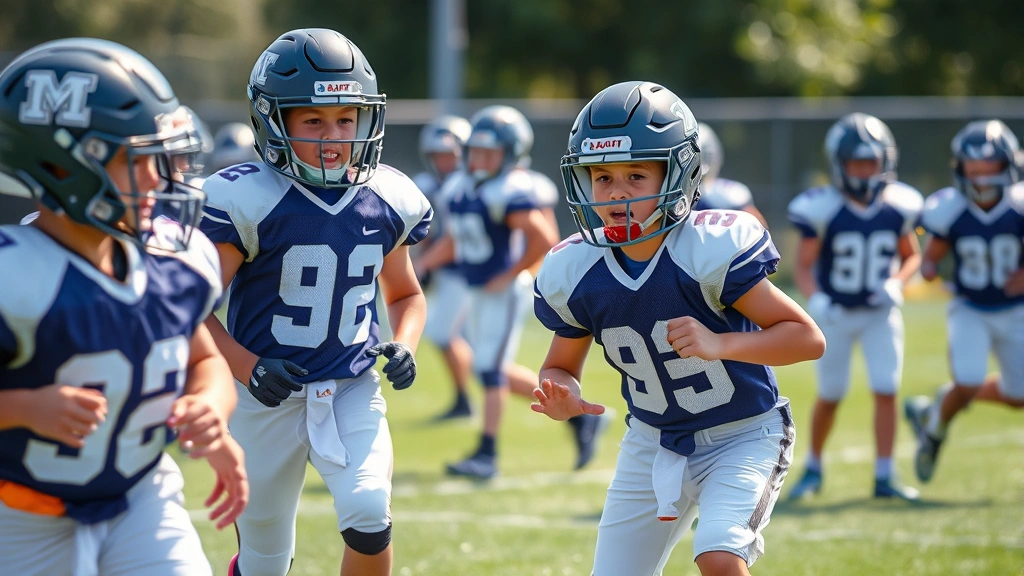
Youth and high school football represent the most critical battlegrounds for guardian cap adoption. These developmental levels are where most concussions occur and where long-term neurological consequences are most concerning. Young brains are still developing, making them potentially more vulnerable to impact-related injuries. Parents at these levels have become increasingly vocal advocates for any protective measure that might reduce risk.
High school athletic associations have begun addressing guardian caps through equipment regulations. Some states have approved them as standard protective equipment, while others maintain more restrictive policies. This regulatory fragmentation creates challenges for manufacturers and confusion for parents trying to ensure their children have access to the best available protection.
Youth football organizations have embraced guardian caps more enthusiastically than traditional governing bodies. Pop Warner and other youth leagues recognize that parents are their customers and that offering the latest safety technology attracts participation. This market-driven approach has accelerated innovation and made guardian caps more accessible to younger players.
The psychological benefit for parents cannot be overlooked. Even if guardian caps provide only modest protection, the knowledge that their child is wearing the most advanced available equipment provides significant peace of mind. This psychological dimension drives adoption independently of pure biomechanical effectiveness.
Our article on high school football scores tracks performance data across programs—many of which are now implementing guardian cap programs as part of their safety protocols.
Effectiveness Data and Research Findings
Laboratory testing using sophisticated headform instrumentation has provided the most rigorous data on guardian cap effectiveness. These studies employ specialized dummies equipped with accelerometers that measure forces transmitted to the “head” during controlled collisions. Results consistently show 10-20% reductions in peak acceleration depending on impact characteristics.
Real-world epidemiological data is harder to obtain but increasingly available. Programs that have tracked concussion rates before and after implementing guardian caps have reported modest but measurable reductions. One NCAA study found a 15% reduction in diagnosed concussions among players wearing guardian caps, though the sample size and study duration limit definitive conclusions.
The challenge with epidemiological data lies in controlling variables. Concussion rates depend on numerous factors: coaching philosophy regarding contact in practice, baseline fitness levels, player experience, and reporting culture. Programs with strong guardian cap adoption might simultaneously implement other protective measures, making it difficult to isolate the cap’s specific contribution.
Long-term studies examining neurological outcomes remain limited. Researchers are beginning to track biomarkers of brain injury in guardian cap wearers versus non-wearers, looking for evidence of reduced cumulative neural damage. These studies will provide more definitive answers but require years of follow-up data.
Independent testing by organizations like the CDC’s HeadSUP initiative has validated manufacturer claims while identifying specific scenarios where caps perform best. These findings help players and programs make informed decisions about when and how to use the technology most effectively.
Limitations and Ongoing Debates
Despite promising developments, guardian caps have significant limitations that prevent them from being a complete solution. Their modest effectiveness against rotational forces—the mechanism most closely associated with concussions—means they address only part of the injury puzzle. Some biomechanics researchers argue that focusing exclusively on guardian caps diverts attention from more fundamental changes needed in football.
Comfort and fit concerns persist for some players. The added bulk and weight affect helmet balance and field of vision for certain individuals. While manufacturers have worked to minimize these issues, some players simply prefer traditional helmets. Forcing adoption on uncomfortable players could backfire, leading to improper use or abandonment of the protective equipment.
The false security problem represents a genuine concern. If players, coaches, or parents believe guardian caps provide more protection than they actually do, they might take more risks or reduce other protective measures. This compensatory behavior could paradoxically increase injury risk. Education about realistic capabilities is essential when implementing guardian caps.
Cost remains a barrier to universal adoption. Guardian caps add $300-500 to equipment costs, a significant expense for youth programs operating on limited budgets. This creates equity issues where wealthier programs can provide better protection than underfunded ones.
Some experts argue that addressing rule changes and coaching culture might prevent more injuries than any equipment modification. Reducing full-contact practices, enforcing existing rules against dangerous hits, and teaching proper tackling technique might yield greater injury reductions than guardian caps. This debate isn’t settled—the answer likely involves multiple approaches working together.
The regulatory landscape remains uncertain. Different organizations have different standards and requirements, creating confusion about whether guardian caps meet official specifications. Standardization across football governing bodies would facilitate more rapid and uniform adoption.
The Future of Football Safety Equipment
Guardian caps represent an important incremental step, but they’re unlikely to be the final answer to football safety challenges. The future likely involves multiple technological and procedural innovations working in concert. Smarter helmets with built-in sensors could provide real-time data about impacts, allowing coaches and medical staff to make informed decisions about player safety. Integration with wearable technology could track cumulative impact exposure over time.
Materials science advances promise even more effective protective compounds. Researchers are exploring programmable materials that adjust stiffness based on impact speed and direction. Graphene and other advanced materials might eventually provide superior protection in packages lighter and more comfortable than current options.
Artificial intelligence could revolutionize injury prevention by analyzing movement patterns and identifying players at elevated risk for certain injuries. Predictive analytics might eventually allow preventive interventions before injuries occur.
Rule modifications will likely play an increasingly important role. The NFL and other governing bodies continue refining rules to eliminate dangerous play while preserving the sport’s competitive nature. Guardian caps work best as part of a comprehensive safety strategy that includes rule enforcement, coaching education, and equipment innovation.
Improved concussion protocols and baseline testing ensure that when injuries do occur, they’re recognized and managed appropriately. Guardian caps prevent some injuries, but sophisticated medical protocols manage those that still happen.
The evolution of football safety mirrors broader trends in sports medicine. Just as sports team bonding activities have evolved to emphasize player welfare alongside performance, safety equipment development reflects a growing recognition that protecting players enhances rather than detracts from the sport.
Looking at college football predictions for coming seasons, the conversation increasingly includes player safety as a factor in program success and recruitment. This cultural shift suggests that safety will remain a central concern driving innovation and policy decisions.
The peer-reviewed literature on sports injury prevention continues expanding. Research published in Sports Medicine journals demonstrates that multi-modal approaches—combining equipment innovation, rule changes, and coaching education—produce superior outcomes compared to single interventions. Guardian caps fit into this broader framework as one valuable tool among several.
International perspectives on football safety offer additional insights. Rugby, which shares many similarities with American football, has implemented its own protective equipment innovations and rule modifications. Comparative analysis of different sports’ approaches to head injury prevention enriches the conversation and suggests best practices.
The role of technology companies and equipment manufacturers will expand significantly. Companies investing in protective equipment research recognize that safety sells—both to organizations concerned about liability and to parents and players prioritizing wellbeing. This commercial incentive accelerates innovation cycles.
Policy discussions at the highest levels of football governance increasingly reference guardian caps and other emerging technologies. The NFL’s safety committee, NCAA rules committees, and high school athletic associations are all actively monitoring developments and considering their implications for the sport’s future.
FAQ
Do guardian caps prevent all concussions?
No. Guardian caps reduce impact forces by 10-20%, which decreases concussion risk but doesn’t eliminate it. They’re most effective against linear impacts and less effective against rotational forces. Concussion prevention requires multiple strategies working together.
Are guardian caps required in the NFL?
Guardian caps are not currently mandated in the NFL, though their use is permitted and increasingly common. Individual players choose whether to wear them based on personal preference and position-specific risk assessment.
Can guardian caps affect a player’s performance?
Modern guardian caps are designed to minimize performance impact, though some players report slight differences in helmet balance or field of vision. For most players, any performance effects are negligible compared to safety benefits.
How much do guardian caps cost?
Guardian caps typically cost $300-500, representing a significant but manageable addition to equipment expenses for most programs. Bulk purchasing can reduce per-unit costs.
Are guardian caps approved by athletic governing bodies?
Approval varies by organization. The NFL permits them, many NCAA programs allow or encourage them, and some high school athletic associations have approved them. Regulations continue evolving as research accumulates.
What’s the long-term outlook for guardian caps?
Guardian caps will likely remain part of the protective equipment landscape, though they may be supplemented or eventually replaced by more advanced technologies. Their current role as an effective, accessible protective measure is secure, even if they’re not the ultimate solution to football safety challenges.
How do guardian caps compare to other protective equipment innovations?
Guardian caps address impact force reduction effectively but don’t address all injury mechanisms. Combined with improved helmets, rule enforcement, coaching education, and medical protocols, they form a comprehensive safety approach. No single intervention solves football’s injury challenges.


