
Is Football Good Cardio? Expert Insights on Cardiovascular Benefits
Football stands as one of the most demanding sports on the planet, requiring explosive power, tactical intelligence, and relentless endurance. But beyond the competitive thrill and strategic gameplay, a crucial question emerges for fitness enthusiasts and athletes alike: Is football actually good cardio? The answer is an emphatic yes—but understanding the science behind it reveals just how comprehensive football’s cardiovascular benefits truly are.
Whether you’re a weekend warrior looking to boost your fitness levels or an aspiring athlete seeking to understand the physiological demands of the sport, football delivers cardiovascular training that rivals traditional steady-state cardio and high-intensity interval training (HIIT). The sport combines aerobic conditioning with anaerobic bursts, creating a complete cardiovascular workout that strengthens your heart, improves oxygen utilization, and builds exceptional endurance. In this comprehensive guide, we’ll explore the science-backed evidence showing why football is an elite cardio option and how you can maximize these benefits.
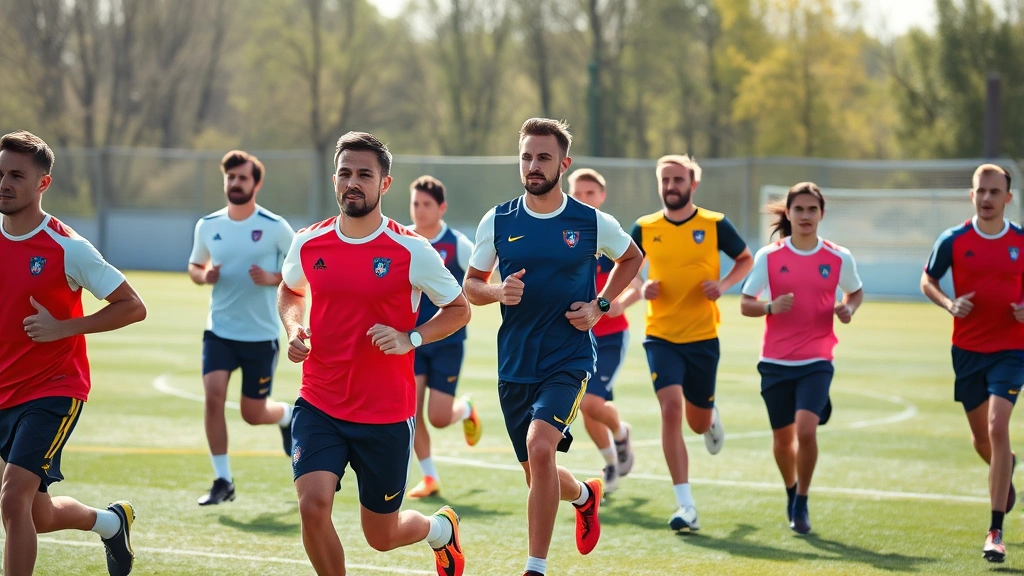
The Cardiovascular Demands of Football
Football is fundamentally a sport of constant motion and variable intensity. Players don’t simply jog at a steady pace—they accelerate explosively, decelerate rapidly, change direction abruptly, and sustain intense effort throughout the match. This dynamic nature makes football an exceptional cardiovascular challenge that engages multiple energy systems simultaneously.
Research from the American College of Sports Medicine demonstrates that football players maintain an average heart rate between 80-90% of their maximum during competitive play. This elevated heart rate response occurs because players must constantly transition between walking, jogging, sprinting, and tactical repositioning. A midfielder, for example, might sprint 40 yards to intercept a pass, jog back to position, walk briefly while the ball is elsewhere, then immediately accelerate again—all within minutes.
The beauty of football’s cardiovascular demand lies in its unpredictability. Unlike running on a treadmill where you control the pace, football forces your cardiovascular system to adapt continuously. Your heart must respond instantly to game situations, building remarkable cardiac efficiency and improving your body’s ability to deliver oxygen to working muscles under varying conditions.
Professional footballers cover between 8-13 kilometers (5-8 miles) per match, depending on their position. Midfielders typically cover the most distance, followed by defenders, with forwards covering slightly less ground but often at higher intensities. This substantial distance covered at varying intensities creates a powerful cardiovascular stimulus that strengthens your heart and improves overall fitness.

Heart Rate Zones During Play
Understanding heart rate zones helps explain why football delivers such comprehensive cardio benefits. Sports science research identifies five distinct heart rate zones, each providing different physiological adaptations:
- Zone 1 (50-60% max HR): Recovery and light activity—minimal during football
- Zone 2 (60-70% max HR): Aerobic base building—brief walking periods
- Zone 3 (70-80% max HR): Aerobic endurance—sustained jogging between plays
- Zone 4 (80-90% max HR): Threshold training—the dominant zone during football
- Zone 5 (90-100% max HR): Maximum effort—sprints and explosive movements
Football’s unique advantage is that it naturally cycles through these zones throughout a match. Players spend most time in Zones 3-4, building exceptional aerobic capacity, while regularly touching Zone 5 during sprints and competitive plays. This varied stimulus is superior to monotonous steady-state cardio because it prevents adaptation plateaus and challenges multiple metabolic pathways.
Your cardiovascular system becomes increasingly efficient at extracting and utilizing oxygen when exposed to this varied stimulus. This translates to improved VO2 max (the maximum amount of oxygen your body can utilize), enhanced mitochondrial density in muscle cells, and stronger heart contractions—all hallmarks of excellent cardiovascular fitness.
Aerobic vs. Anaerobic Benefits
Football uniquely develops both aerobic and anaerobic fitness, something few activities accomplish as effectively. Understanding this dual benefit explains why football enthusiasts develop superior cardiovascular health compared to those doing only traditional cardio.
Aerobic Benefits: The sustained effort throughout a 90-minute match trains your aerobic system—the energy pathway that uses oxygen to produce energy. This develops your cardiovascular base, improves endurance, and enhances your ability to sustain moderate-to-high intensity efforts. Studies show football players demonstrate VO2 max values comparable to or exceeding elite distance runners, despite the sport’s intermittent nature.
Anaerobic Benefits: The repeated sprints and explosive movements train your anaerobic system—the energy pathway that produces power without relying on oxygen. This system is crucial for short bursts of maximum effort and builds lactate threshold (the intensity level at which lactate accumulates faster than your body can clear it). Higher lactate threshold means you can sustain harder efforts before fatigue sets in.
The synergy between these systems is remarkable. Aerobic fitness supports your ability to recover between anaerobic efforts, while anaerobic training improves your capacity to produce power. Football players naturally develop both simultaneously, creating comprehensive cardiovascular adaptation that translates to real-world fitness benefits far beyond the pitch.
Research published in sports science journals demonstrates that intermittent exercise like football produces superior cardiovascular adaptations compared to continuous moderate-intensity exercise. The repeated high-intensity efforts trigger greater increases in mitochondrial enzyme activity and capillary density—the structures responsible for delivering oxygen to muscle cells.
Comparison to Traditional Cardio
How does football stack up against traditional cardio options like running, cycling, or rowing? The evidence is compelling: football delivers superior cardiovascular benefits while being significantly more engaging and enjoyable.
vs. Steady-State Running: While jogging builds aerobic base, it lacks the anaerobic stimulus and variety that football provides. A 60-minute run at consistent pace elevates heart rate predictably, but football’s variable intensity creates greater cardiovascular adaptations. Studies show interval-based activities like football produce superior improvements in VO2 max and cardiac function compared to steady-state running of equivalent duration.
vs. HIIT Workouts: High-intensity interval training effectively builds anaerobic capacity, but often lacks the sustained aerobic stimulus football provides. Football essentially combines HIIT principles with extended aerobic efforts, creating a more complete cardiovascular workout. Additionally, football’s sport-specific movements build functional fitness beyond pure cardiovascular conditioning.
vs. Cycling: While cycling is excellent low-impact cardio, it’s less demanding on your cardiovascular system than football. Cycling doesn’t require the rapid acceleration/deceleration cycles or the multi-directional movements that challenge your heart and vascular system as thoroughly as football does.
The psychological advantage of football cannot be overlooked. Traditional cardio requires significant mental discipline to maintain, while football’s competitive and social nature makes the intense effort feel enjoyable rather than like work. This adherence advantage means people are more likely to sustain football participation long-term, maximizing cumulative cardiovascular benefits.
Calorie Burn and Metabolic Impact
Football’s cardiovascular benefits extend directly to calorie expenditure and metabolic health. A 90-minute football match burns 400-1000+ calories depending on body weight, intensity level, and position played. For comparison, steady-state jogging at moderate pace burns roughly 400-600 calories in 60 minutes—football is remarkably efficient.
The calorie burn continues long after the match ends, thanks to elevated post-exercise oxygen consumption (EPOC), commonly called the “afterburn effect.” Football’s high-intensity efforts create a larger EPOC response than steady-state cardio, meaning your metabolism remains elevated for hours after play concludes. This contributes significantly to weight management and body composition improvements.
Beyond simple calorie counting, football improves metabolic health markers including insulin sensitivity, resting metabolic rate, and blood lipid profiles. The varied intensity and repeated high-intensity efforts trigger adaptive responses in your muscles that improve glucose utilization and fat oxidation—critical factors for metabolic health and disease prevention.
Research demonstrates that people who engage in sport-based activities like football show superior metabolic health markers compared to those doing equivalent traditional cardio. The competitive and social aspects may enhance adherence, but the variable intensity stimulus itself produces superior metabolic adaptations.
Long-Term Cardiovascular Health
The cardiovascular benefits of football extend far beyond immediate fitness improvements. Regular football participation produces lasting adaptations that enhance long-term heart health and reduce disease risk.
Chronic football participation strengthens your heart muscle, improving its ability to pump blood efficiently. This increased cardiac output means your heart delivers more oxygen with fewer beats, reducing resting heart rate and decreasing cardiac workload during daily activities. Elite footballers often have resting heart rates in the 40-50 bpm range compared to 60-80 bpm in sedentary populations—a significant indicator of cardiovascular efficiency.
Football participation also improves endothelial function—the health of blood vessel linings. Healthy endothelial function reduces atherosclerosis risk, improves blood flow regulation, and lowers blood pressure. The repeated stress on blood vessels during football’s intense efforts triggers adaptations that strengthen vessel walls and improve their responsiveness to blood flow demands.
Blood pressure improvements are particularly notable. Studies show that regular football participation reduces both systolic and diastolic blood pressure, with some research indicating improvements comparable to pharmaceutical interventions. This cardiovascular benefit alone significantly reduces heart disease and stroke risk.
Cholesterol profiles improve substantially with regular football participation. HDL (“good”) cholesterol increases while LDL (“bad”) cholesterol decreases—exactly the opposite of what occurs with sedentary lifestyles. These lipid profile improvements reduce cardiovascular disease risk substantially.
Maximizing Football’s Cardio Benefits
While football inherently provides excellent cardiovascular stimulus, specific strategies maximize these benefits. Understanding how to optimize your football training ensures you gain maximum cardio improvements.
Position Selection: Different positions demand varying cardiovascular intensities. Midfielders experience the highest cardiovascular demand due to constant movement across the pitch. If cardiovascular development is your primary goal, positioning yourself centrally maximizes the stimulus. However, all positions provide significant cardio benefits—defenders make explosive sprints, forwards require high-intensity bursts, and goalkeepers develop cardiovascular fitness through different movement patterns.
Match Intensity: Play in competitive matches that push your effort level. Casual kickabout sessions provide moderate cardio stimulus, but competitive play where you’re genuinely trying to win creates the high-intensity efforts necessary for maximum cardiovascular adaptation. The competitive environment naturally drives higher effort levels.
Consistent Participation: Frequency matters tremendously. Playing once weekly provides cardiovascular benefits, but twice or more weekly accelerates adaptations. Consistency allows your cardiovascular system to progressively adapt, continuously improving fitness rather than plateauing.
Supplementary Training: Combine football with targeted cardiovascular training to accelerate adaptations. Sprint intervals, tempo runs, or sport-specific conditioning drills enhance the cardiovascular stimulus beyond match play alone. This supplementary work ensures well-rounded cardiovascular development.
Training Strategies for Enhanced Results
Maximize your football cardio benefits by implementing strategic training approaches that complement match play.
Pre-Season Conditioning: Before the competitive season begins, build your aerobic base with extended running sessions, cycling, or swimming. This foundation prepares your cardiovascular system for the intense demands of competitive football. Spend 4-6 weeks building aerobic capacity before transitioning to sport-specific training.
In-Season Maintenance: During the competitive season, maintain cardiovascular fitness with 1-2 supplementary sessions weekly. These might include tempo runs (sustained effort at lactate threshold intensity), sprint intervals, or sport-specific conditioning drills. These sessions prevent fitness decline and continue driving adaptations.
High-Intensity Interval Training: Incorporate HIIT workouts that mimic football’s intensity profile. Alternate 30-second maximum efforts with 90-second recovery periods, repeating for 15-20 minutes. This develops anaerobic capacity and lactate threshold while improving your ability to recover between intense efforts—critical football demands.
Sport-Specific Conditioning: Design drills that combine cardiovascular demand with football-specific movements. For example, execute repeated sprints with directional changes, or practice high-intensity passing combinations that demand constant movement. These drills develop cardiovascular fitness while improving football-specific skills simultaneously.
Recovery Emphasis: Cardiovascular adaptations occur during recovery, not during exercise itself. Prioritize adequate sleep (7-9 hours nightly), proper nutrition, and active recovery sessions. Easy walking, light swimming, or gentle yoga on rest days enhances blood flow and supports adaptation processes.
Injury Prevention and Safety
While football provides exceptional cardiovascular benefits, understanding injury prevention ensures you can sustain participation long-term and maximize cumulative health benefits. Check out our comprehensive guide on how to avoid sports injuries for detailed prevention strategies.
Proper Warm-Up: Begin every session with 10-15 minutes of dynamic warm-up. This gradually elevates heart rate, increases blood flow to working muscles, and prepares your neuromuscular system for intense effort. Proper warm-up reduces injury risk while improving performance.
Progressive Training Load: Increase training intensity and volume gradually. Rapid increases in training demand overwhelm your body’s adaptation capacity, increasing injury risk. Follow the 10% rule: increase weekly training volume by no more than 10% from week to week.
Technique Focus: Maintain proper running mechanics, kicking technique, and movement patterns throughout training. Fatigue compromises technique, increasing injury risk. When technique degrades, reduce intensity or take a break. Quality always trumps quantity.
Strength Training: Complement football training with 2-3 weekly strength sessions. Stronger muscles, tendons, and joints resist injury better. Focus on exercises that strengthen the core, hips, and legs—areas that experience high demand during football.
Equipment Quality: Invest in proper football accessories including well-fitting cleats, shin guards, and appropriate clothing. Quality equipment reduces injury risk and improves performance, making your cardio training more effective and safer.
Medical Clearance: If you have any cardiovascular concerns, pre-existing conditions, or are returning from injury, obtain medical clearance before beginning intense football training. A sports medicine professional can assess your readiness and provide personalized recommendations.
For additional resources on sports training and health, explore the Peak Play Arena Blog for comprehensive fitness guidance and football insights.
FAQ
Is football better cardio than running?
Football provides superior cardiovascular adaptations compared to steady-state running because it combines aerobic stimulus with anaerobic efforts and varied intensity. While running builds aerobic base effectively, football develops both aerobic and anaerobic fitness simultaneously, making it more comprehensive. However, both activities complement each other well—combining running with football training optimizes cardiovascular development.
How often should I play football to improve cardiovascular fitness?
Playing 2-3 times weekly produces optimal cardiovascular adaptations for most people. Once weekly provides benefits but produces slower progress. More than 3 times weekly risks overtraining without additional recovery. Supplement match play with 1-2 additional conditioning sessions weekly for accelerated improvements.
Can beginners develop cardiovascular fitness through football?
Absolutely. Beginners should start with lower-intensity play and gradually increase effort as fitness improves. Begin with casual recreational matches, then progress to more competitive play as your cardiovascular system adapts. Within 4-6 weeks of regular participation, you’ll notice significant fitness improvements.
What is the ideal heart rate zone for football training?
During football, you’ll naturally spend most time in zones 3-4 (70-90% maximum heart rate), which optimally develops cardiovascular fitness. Don’t worry about staying in specific zones—football’s variable nature automatically cycles through appropriate intensities. Focus on playing hard during competitive situations and recovering during lower-intensity periods.
Does football improve VO2 max?
Yes, regular football participation significantly improves VO2 max—the maximum amount of oxygen your body can utilize. Studies show football players develop VO2 max values comparable to elite endurance athletes despite the sport’s intermittent nature. The varied intensity stimulus produces superior VO2 max improvements compared to steady-state cardio alone.
How does football compare to gym cardio?
Football provides superior cardiovascular stimulus compared to most gym cardio equipment because it demands rapid acceleration/deceleration, directional changes, and multi-planar movements that challenge your cardiovascular system more thoroughly. Treadmills, ellipticals, and stationary bikes are effective but less demanding than sport-based activity. Combining both approaches optimizes fitness.
Can I develop cardiovascular fitness playing casual football?
Yes, even casual football provides cardiovascular benefits, though less intensely than competitive play. Casual matches still elevate heart rate substantially and provide aerobic stimulus. However, competitive play produces faster fitness improvements due to higher intensity. If you’re playing casually, supplement with additional conditioning work for optimal cardiovascular development.
What positions provide the best cardio workout?
Midfielders experience the highest cardiovascular demand due to constant movement between defense and attack. However, all positions provide excellent cardio benefits—defenders make explosive sprints, forwards sustain high-intensity efforts, and goalkeepers develop cardiovascular fitness through different movement patterns. Choose your position based on preference; all develop cardiovascular fitness effectively.


