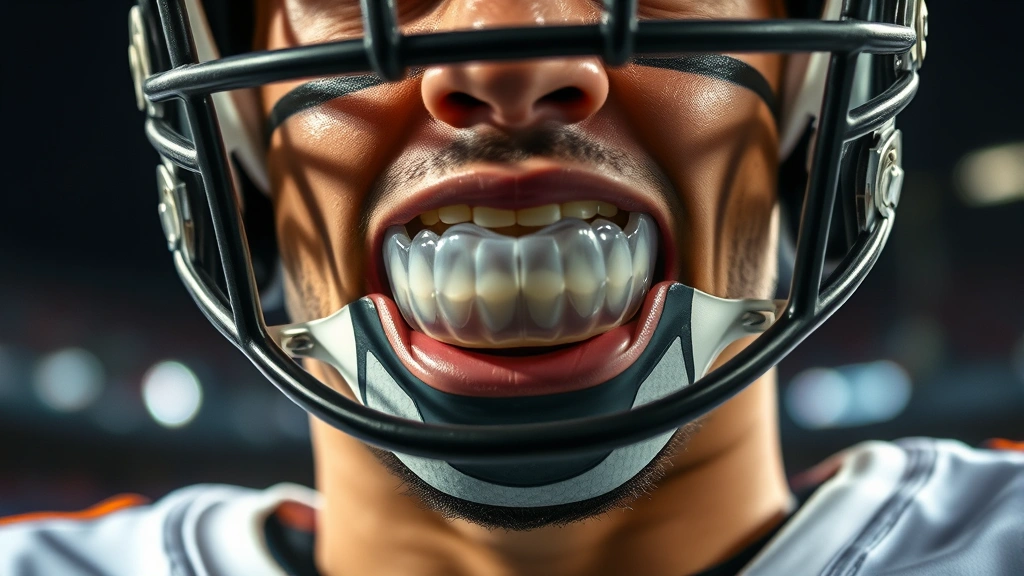
Best Football Mouth Guard? Dentist’s Recommendations for Maximum Protection
Your smile is one of your most valuable assets, and on the football field, it’s also one of your most vulnerable. A single collision without proper protection can result in broken teeth, jaw fractures, or soft tissue damage that requires expensive dental work and months of recovery. This is why choosing the best football mouth guard isn’t just about comfort—it’s about preserving your oral health while maximizing your athletic performance.
As dental professionals consistently recommend, a quality mouth guard is non-negotiable protective equipment for any football player, whether you’re playing at the high school, college, or professional level. The right mouth guard absorbs and distributes impact forces, reducing the risk of dental injuries by up to 60% compared to playing without one. In this comprehensive guide, we’ll explore the different types of football mouth guards available, what dentists recommend, and how to choose the perfect one for your needs.
Types of Football Mouth Guards
Understanding the different types of mouth guards available is the first step toward making an informed decision. Each type offers distinct advantages and trade-offs in terms of protection, comfort, and cost.
Stock Mouth Guards are pre-formed and ready to wear straight out of the package. They’re the most affordable option, typically costing $5-$15, making them accessible for youth players and recreational athletes. However, dentists often caution against relying solely on stock guards because they offer minimal customization. The fit is one-size-fits-most, which means gaps between your teeth and the guard can compromise protection. Many players find them uncomfortable and tend to remove them during play.
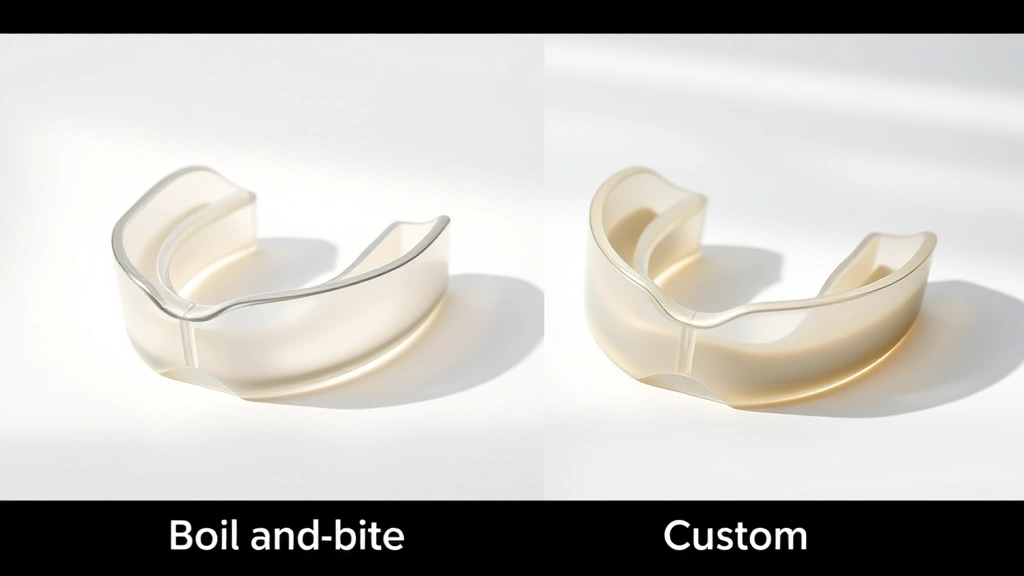
Boil-and-Bite Mouth Guards represent a middle ground in the mouth guard spectrum. You soften the thermoplastic material in hot water, then bite into it to create a custom impression of your teeth. These guards cost between $15-$30 and provide significantly better protection than stock options because they conform to your unique dental anatomy. The American College of Sports Medicine acknowledges boil-and-bite guards as a reasonable option for athletes seeking improved fit without professional fitting costs.
Custom-Made Mouth Guards are fabricated by dental professionals using precise impressions of your teeth and bite. A dentist or orthodontist takes a mold, which is then sent to a laboratory where technicians create a guard tailored exactly to your mouth’s dimensions. While these cost $300-$500, they represent the gold standard in protection and comfort. Custom guards distribute impact forces more effectively because they fit perfectly against every tooth surface.
Custom-Made vs. Store-Bought Options
The debate between custom and store-bought mouth guards often comes down to your level of commitment and budget. For serious football players—especially those competing at higher levels—dentists almost universally recommend custom-made guards.
Custom mouth guards offer superior protection because they’re fabricated to precise specifications based on your individual bite pattern and tooth alignment. If you have crowns, bridges, or orthodontic appliances, a custom guard can be designed to accommodate these without compromising fit. The material thickness can also be optimized; thicker sections provide extra cushioning in high-impact zones while thinner areas improve comfort and breathability.
Store-bought options work adequately for casual recreational players or those just starting in football. Boil-and-bite guards, in particular, can be molded at home with simple instructions. Many high school athletes use these successfully, especially when they’re diligent about proper fitting. The key is ensuring the guard stays in place during play and doesn’t shift or fall out when you speak or breathe.
Consider your situation: Are you playing youth football casually, or are you a starting varsity player with college recruitment on the horizon? Do you have existing dental work or orthodontia? Are you prone to jaw clenching or teeth grinding? These factors should influence your choice. While selecting protective gear like football jerseys, don’t skimp on oral protection—it’s equally important.
Key Features Dentists Look For
When recommending mouth guards to their athletic patients, dentists evaluate several critical features that separate quality products from inferior ones.
Material Composition matters significantly. The best football mouth guards use ethylene vinyl acetate (EVA) or similar high-grade polymers that provide excellent shock absorption. These materials maintain their protective properties across temperature variations and don’t degrade quickly with regular use and cleaning. Avoid guards made from thin, flimsy plastics that crack easily or lose their shape.
Thickness and Density directly correlate with protection level. Reputable manufacturers use materials that are at least 3-4mm thick in critical areas. Thicker isn’t always better everywhere—you need strategic thickness where impacts occur most frequently while maintaining breathability. A well-designed guard balances protection with comfort.
Retention and Stability determine whether your guard stays put during play. The guard should fit snugly around your back molars and upper teeth without requiring constant adjustment. Some advanced designs include straps that attach to your helmet facemask, preventing loss during tackles or collisions. This feature is invaluable for serious players.
Breathing and Speech Capability significantly impact whether you’ll actually wear the guard consistently. A guard that restricts airflow forces you to choose between protection and performance. Quality designs incorporate channels that allow air to flow naturally while maintaining contact with your teeth. You should be able to communicate with teammates without difficulty.
Visibility and Peripheral Vision matter more than many players realize. Your guard shouldn’t extend so far that it limits your field of view. This is especially important for defensive players who need to track the ball and react to plays developing across the field.
Top-Rated Football Mouth Guard Brands
Several brands have earned recognition from dental professionals and athletes for consistent quality and protection standards.
Shock Doctor is arguably the most popular brand among football players at all levels. Their Gel Max line combines gel technology with a firm shell, providing excellent shock absorption. Many players appreciate the variety of colors and designs available, and the brand offers both boil-and-bite and custom options. Shock Doctor guards typically retain their shape well after extended use.
Safejawz specializes in custom-made guards and has gained popularity among serious athletes. Their custom guards feature innovative materials engineered specifically for contact sports. Players report excellent comfort during extended wear, and the brand offers designs that work well with braces and other orthodontic appliances.
Venum produces high-quality mouth guards favored by combat sports athletes but increasingly used in football. Their guards feature excellent ventilation and a secure fit. The brand is known for durability and maintaining protective properties through multiple seasons.
Opro manufactures guards ranging from boil-and-bite options to professional custom designs. Dental professionals often recommend Opro for their attention to material science and impact protection. Their custom guards are particularly popular among elite athletes.
When evaluating brands, check for certifications and standards compliance. Look for products tested to American Dental Association specifications or similar international standards. This ensures the product has undergone rigorous testing for impact resistance and safety.
Proper Fit and Comfort Guidelines
Even the best-designed mouth guard fails if it doesn’t fit properly or if discomfort prevents you from wearing it consistently.
For boil-and-bite guards, follow instructions carefully. The water temperature is critical—too hot and you’ll burn your mouth; too cool and the material won’t mold properly. Most instructions recommend water around 160-180°F. Bite firmly for 20-30 seconds, creating a deep impression of your upper teeth. Once cooled, test the fit: the guard should stay in place when you open your mouth without using your hands to hold it.
Your custom guard fitting appointment with a dentist is crucial. The professional will take precise impressions, discuss your specific needs, and potentially adjust the final product for optimal comfort. This appointment is an investment in protection that pays dividends throughout your football career.
The guard should feel snug but not painfully tight. You shouldn’t experience jaw soreness after wearing it for 30-60 minutes. If you do, the fit needs adjustment. Proper guards allow you to speak relatively clearly and breathe normally through your mouth.
Practice wearing your guard during non-competitive activities first. Wear it during practice for a week or two before game day. Your mouth needs time to adjust to the sensation, and you need time to develop the habit of keeping it in place during play. This gradual introduction prevents the frustration of game-day discomfort.
Care and Maintenance Tips
Proper care extends your mouth guard’s lifespan and maintains its protective properties. Neglecting maintenance can cause material degradation that compromises protection.
Daily Cleaning should happen immediately after use. Rinse your guard with cool water and brush it gently with a soft toothbrush. This removes saliva, sweat, and bacteria that accumulate during play. Don’t use hot water, which can warp thermoplastic materials.
Storage requires a ventilated case that allows air circulation. Never store a wet guard in a sealed container—this promotes mold and bacterial growth. Keep your guard away from direct sunlight and heat sources like car dashboards or radiators, which can deform it.
Weekly Deep Cleaning involves soaking your guard in a denture cleaner solution or a mixture of equal parts white vinegar and water for 15-20 minutes. This removes stubborn bacteria and keeps your guard fresh. Rinse thoroughly before use.
Inspection should be part of your routine. Check monthly for cracks, tears, or areas where the material has become thin or brittle. If you notice significant damage, it’s time for replacement. A compromised guard provides inadequate protection.
Replacement Schedule depends on usage intensity. Most mouth guards last 1-3 seasons with proper care. If you’re a starting player getting significant contact, plan on annual replacement. Recreational players might stretch usage to two years if the guard remains in good condition.
Impact on Athletic Performance
Beyond protection, a quality mouth guard can actually enhance your athletic performance by boosting confidence and reducing anxiety about injury.
When you’re wearing a high-quality, well-fitting mouth guard, you can focus entirely on the game rather than worrying about dental injury. This psychological benefit shouldn’t be underestimated. Players report improved concentration and more aggressive play when they know their teeth are protected.
Some research suggests that proper jaw alignment—which custom guards provide—can enhance oxygen intake and reduce muscle fatigue. While more studies are needed, the mechanism makes sense: if your jaw is properly supported and aligned, your body expends less energy maintaining neck and jaw tension.
Additionally, wearing a visible mouth guard sends a message to opponents and teammates alike: you’re serious about this sport. It’s part of your game-day preparation ritual, along with developing strategic approaches to competition.
For quarterbacks and skill position players, a guard with minimal bulk and excellent visibility is particularly important. You need to see the field clearly and communicate effectively with your team. Modern guard designs have made significant advances in this area, allowing even premium protection without the bulkiness of older models.

Defensive players benefit from guards that stay securely in place during intense contact. The helmet attachment options available on some premium guards are particularly valuable for defensive linemen and linebackers who experience frequent tackles.
FAQ
Do I really need a mouth guard for football?
Absolutely. Football is a contact sport with significant risk of facial and dental injury. Most injuries occur without warning, and dental damage is expensive and permanent. A quality mouth guard is essential protective equipment, not optional.
Can I wear a mouth guard with braces?
Yes, but you need a specially designed guard. Custom guards can be fabricated to accommodate brackets and wires. Some athletes use guards with a protective liner specifically designed for orthodontia. Never force a standard guard over braces.
How much should I spend on a mouth guard?
Budget depends on your commitment level. Recreational players can start with a $15-30 boil-and-bite guard. Serious athletes should invest $300-500 in a custom guard that provides superior protection and lasts multiple seasons. It’s insurance for your smile.
Will a mouth guard affect my speech?
Quality guards minimize speech impact. You may notice slight changes initially, but most players adapt within days. Practice speaking and communicating during training so you’re comfortable by game day.
How do I know if my guard fits properly?
A proper-fitting guard stays in place when you open your mouth without using your hands to hold it. It shouldn’t cause jaw soreness after 30-60 minutes of wear. If you experience discomfort or the guard keeps shifting, it needs adjustment.
Can I share a mouth guard with a teammate?
No. Mouth guards are personal protective equipment. Sharing spreads bacteria and viruses. Additionally, a guard molded to one person’s mouth won’t fit another properly, compromising protection for both players.
How often should I replace my mouth guard?
Replace your guard annually if you’re a starting player with significant contact. Recreational players might extend usage to 2-3 years if the guard remains in good condition. Inspect regularly for cracks or material degradation.
What’s the difference between upper and lower mouth guards?
Most guards protect the upper teeth, which are more vulnerable in football. Lower guards are less common but can be beneficial for players with existing lower dental work or those who prefer additional protection. Some athletes wear both, though this is less typical.
Can I wear a mouth guard while wearing a helmet?
Yes, and you should. A mouth guard fits inside your mouth while your helmet protects your head. They work together as part of a complete protective system. Some advanced guards include helmet attachment straps for additional security.


