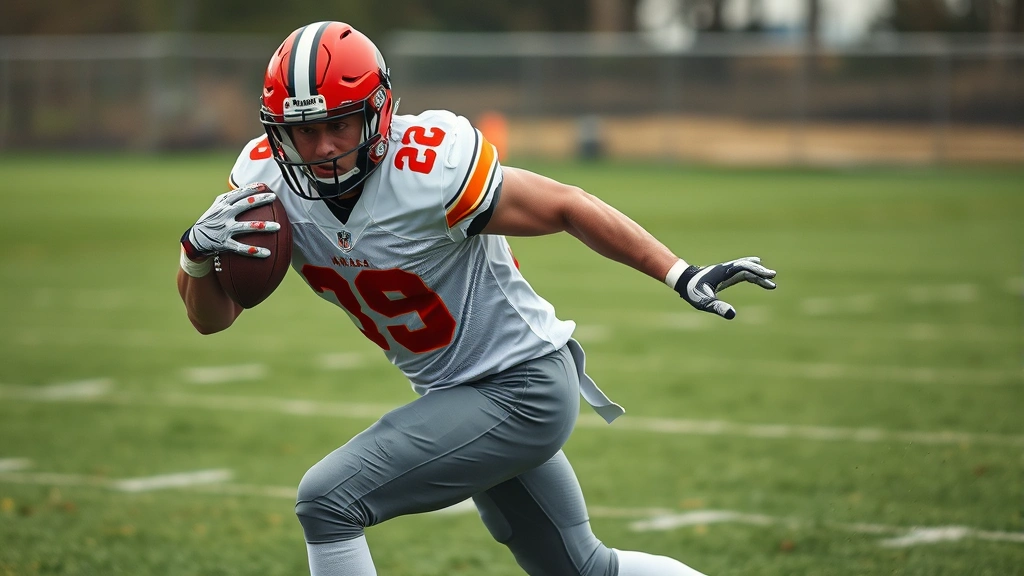
Best Football Gear? Coach Recommendations for Peak Performance
When it comes to dominating on the football field, talent and training are only half the battle. The right football accessories can make the difference between an average performance and an exceptional one. After years of coaching experience and working with elite athletes, I’ve learned that quality gear isn’t just about looking good—it’s about function, durability, and giving yourself every competitive advantage.
In this comprehensive guide, I’ll break down the essential football gear that coaches recommend, based on real-world performance data and athlete feedback. Whether you’re a high school player, college prospect, or fantasy enthusiast looking to understand the equipment professionals use, this guide covers everything you need to know about selecting gear that delivers results.
Footwear and Cleats: The Foundation of Your Game
Your feet are everything in football. From explosive first steps to directional changes at full speed, quality cleats are non-negotiable. I recommend athletes invest in at least two pairs: one for firm ground (FG) surfaces and one for soft ground (SG) conditions. This isn’t luxury—it’s smart equipment management that prevents injuries and maximizes performance.
When selecting cleats, focus on fit first. A poorly fitting cleat will cause blisters, reduce agility, and compromise your game. Look for brands that offer multiple width options and break-in periods. The cleat stud configuration matters significantly—longer studs provide better traction in wet conditions, while shorter studs prevent your foot from catching on dry turf.
Consider ankle support levels based on your position. Linemen and linebackers benefit from higher-cut designs that provide lateral stability during contact. Skill position players often prefer lower cuts for increased ankle mobility. Research from the American College of Sports Medicine shows that proper footwear reduces lower extremity injury risk by up to 30% when combined with appropriate conditioning.
I’ve seen too many athletes waste money on flashy cleats that don’t match their foot shape or playing style. Visit a specialty sports retailer where staff can analyze your gait and recommend options based on biomechanics. This investment—typically $120-$180 for quality cleats—pays dividends throughout the season.
Protective Gear and Body Armor
Safety should never be compromised for style or comfort. Protective equipment isn’t just regulation—it’s your insurance policy against career-altering injuries. Modern football armor has evolved dramatically, offering better protection with less bulk than equipment from just five years ago.
A quality helmet is paramount. It should fit snugly without gaps, with the face mask positioned two fingers’ width above your eyebrows. Helmets need recertification annually and replacement every 10 years. Look for models with modern shell technology and padding systems that absorb impact effectively. Research published in sports medicine journals demonstrates that newer helmet designs reduce concussion risk when combined with proper tackling technique.
Shoulder pads deserve serious consideration. Defensive linemen and linebackers need robust protection with extended arm coverage, while receivers and defensive backs prefer lighter designs for mobility. Ensure your shoulder pads distribute impact across a wide surface area rather than concentrating force on small areas.
Additional protective items I recommend:
- Rib protectors for linemen and ball carriers
- Knee and elbow pads for all positions
- Mouthguards (custom-fitted for superior protection and comfort)
- Neck rolls to reduce cervical spine stress
- Glutes and hip pads for running backs and defensive backs
When evaluating football training resources, ensure they emphasize proper equipment fitting alongside technique. Poorly fitted protective gear creates false confidence and actually increases injury risk by restricting movement patterns.
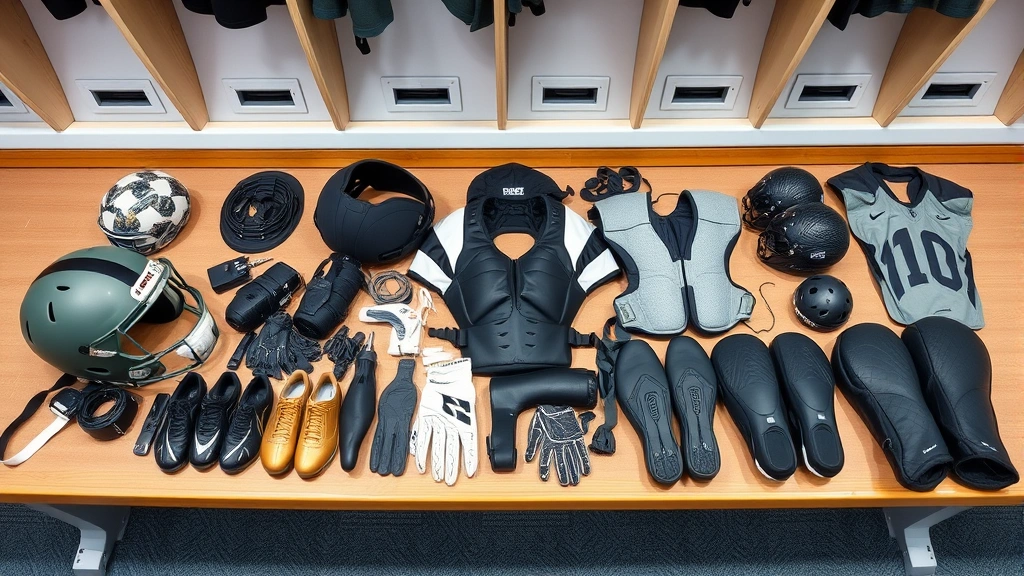
Compression Wear and Recovery Apparel
Compression technology has revolutionized how athletes recover and perform during competition. Compression garments aren’t just for show—they’re backed by substantial research demonstrating benefits for blood flow, muscle stabilization, and recovery acceleration.
During games, compression sleeves and tights reduce muscle vibration, which decreases fatigue and improves proprioception. Athletes report better body awareness and reduced muscle soreness with consistent compression wear. Post-game compression (worn for 2-4 hours after competition) accelerates lactate removal and enhances recovery by improving circulation to worked muscles.
I recommend compression gear that provides 20-30 mmHg of pressure—this range is optimal for athletic performance without restricting blood flow. Ensure proper fit; too tight causes problems, while too loose provides no benefit. Quality materials like nylon-spandex blends maintain compression through repeated washing.
Layering strategy matters in football. Wear moisture-wicking base layers under your uniform to manage sweat and maintain body temperature regulation. In cold conditions, thermal compression wear prevents muscle stiffness while keeping you mobile and reactive.
Recovery apparel extends beyond compression. Invest in quality warm-up suits, recovery tights, and temperature-appropriate outerwear. Your body performs better when it’s properly prepared and protected from environmental stress.
Performance Accessories and Training Tools
Beyond what you wear during games, training accessories dramatically impact your development. Football training equipment should focus on sport-specific movements and skill development. When reviewing draft strategies and player evaluation, remember that the best professionals invested heavily in development tools during their careers.
Essential training accessories include:
- Agility ladder and cones for footwork drills that improve lateral movement and acceleration
- Resistance bands for sport-specific strength work and injury prevention
- Weighted vests for developing explosive power in running and jumping
- Medicine balls for core strength and rotational power development
- Sleds and push harnesses for building drive-phase explosiveness
- Blocking pads and shields for contact simulation and technique refinement
Quality training gear from reputable manufacturers lasts years and provides consistent resistance for progressive overload. Cheap alternatives wear out quickly and don’t provide reliable feedback for technique assessment.
Incorporate technology tools like speed and agility radar guns to track your progress objectively. The National Strength and Conditioning Association emphasizes data-driven training, and inexpensive velocity trackers provide the metrics needed to optimize your program.
Gloves and Hand Protection
Hand protection and grip optimization separate elite players from the rest. Football gloves have evolved into sophisticated equipment that enhances performance while protecting against injury. Receivers need gloves with superior grip technology, while linemen prioritize protection and grip strength in contact.
Grip materials matter immensely. Silicone and synthetic grip palms provide superior ball security in wet conditions. Test multiple brands because grip preferences vary individually—what works perfectly for one player might feel wrong for another. High-end gloves ($60-$100) offer superior grip retention through repeated use and washing.
Glove fit is critical. Too loose causes bunching and reduces dexterity; too tight restricts blood flow and reduces grip sensitivity. Your gloves should feel like a second skin, not a constraint. Many elite receivers wear custom-fitted gloves tailored to their hand dimensions.
Protection features vary by position. Linemen benefit from reinforced knuckle padding and wrist support, while skill position players prefer minimal padding for maximum ball feel. Some players use hybrid designs that balance protection and sensitivity.
Consider having multiple pairs of gloves—different conditions call for different grip profiles. Sticky weather gloves work best in rain, while all-weather options provide versatility. When checking player evaluation resources, remember that equipment choices reveal how seriously athletes take their craft.
Hydration and Nutrition Gear
Performance extends beyond physical equipment to fueling and hydration systems. Hydration accessories directly impact stamina, cognitive function, and recovery. Dehydration impairs performance by 20-30% according to sports science research, making proper hydration critical.
Quality water bottles with measurement markings help athletes track intake. During practice and games, aim for 8-10 ounces of fluid every 15-20 minutes, adjusted for temperature and intensity. For competitions lasting over 60 minutes, electrolyte drinks provide necessary sodium replacement that water alone cannot supply.
Invest in cooling towels for hot-weather practices. These specialized towels reduce core temperature and accelerate recovery between intense efforts. Strategic cooling during halftime or practice breaks maintains performance consistency and reduces heat illness risk.
Nutrition carriers and meal prep containers ensure you’re fueling appropriately before and after training. Elite athletes treat nutrition with the same precision as training, using insulated containers that maintain food temperature and quality. The International Society of Sports Nutrition provides evidence-based guidelines for timing and composition of pre- and post-workout meals.
Recovery nutrition is often overlooked but crucial. Consume 20-40 grams of protein and carbohydrates within 30-60 minutes post-workout to maximize adaptation. Proper nutrition gear—shaker bottles, meal prep containers, coolers—makes consistent fueling convenient and effective.
FAQ
What’s the most important football accessory to invest in first?
Cleats and a proper helmet are your foundation. These directly impact performance and safety. Once you have quality footwear and head protection, add position-specific protective gear. When developing your game, reference position-specific performance data to understand what elite players prioritize.
How often should I replace football gear?
Cleats typically last one season with proper care. Protective padding should be replaced annually or when showing compression loss. Helmets require replacement every 10 years and recertification annually. Compression wear lasts 2-3 years with proper care. Gloves usually require replacement mid-season depending on use intensity.
Can expensive gear really improve my performance?
Quality gear improves performance through reliability, fit, and durability—not magic. Expensive doesn’t always mean better; instead, focus on fit, material quality, and position-specific features. A $150 cleat that fits perfectly outperforms a $200 cleat that doesn’t match your foot shape. Research and testing matter more than price.
What gear do professional players use?
Professional athletes use custom-fitted gear from major manufacturers. Many have sponsorships that provide equipment, but they choose based on actual performance benefits, not marketing. The gear they wear is available to consumers, though pros often get custom modifications and early access to new technology.
How do I know if my gear fits properly?
Proper fit means no gaps, no restriction of movement, and no discomfort during activity. Have someone else watch your movement in full gear—you shouldn’t have mobility limitations or compensatory movements. Visit specialty retailers where staff can assess fit professionally rather than relying on online sizing charts alone.
Should I buy new gear every season?
Not necessarily. Quality gear is an investment. Replace items when they show wear, compression loss, or fit changes. Cleats need annual replacement, but protective gear and apparel can last multiple seasons with proper care. When evaluating player development, understand that consistency in equipment supports consistency in performance.
What’s the difference between practice and game gear?
Game gear should be your best equipment—properly fitted, tested, and reliable. Practice gear can be slightly less expensive but should still meet quality standards. Never wear untested gear in competition. Many athletes wear game gear for practices leading up to competition to ensure complete familiarity.


