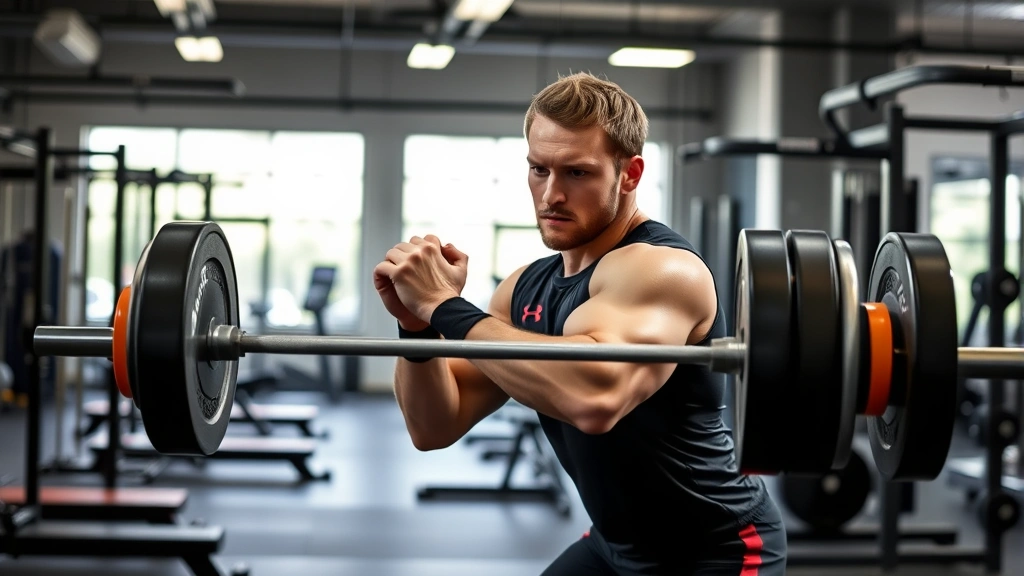
Blake Bortles’ Fitness Routine: QB Insights for Peak Athletic Performance
Blake Bortles, the former NFL quarterback who played for multiple teams including the Jacksonville Jaguars and Los Angeles Rams, has built a reputation not just for his arm strength but for his commitment to rigorous physical conditioning. Throughout his professional career, Bortles demonstrated that elite football performance requires far more than natural talent—it demands a disciplined approach to training, nutrition, and recovery. His fitness journey offers valuable insights for athletes at all levels who aspire to compete at the highest echelons of sport.
The quarterback position demands exceptional cardiovascular endurance, explosive lower body power, shoulder stability, and mental resilience. Bortles’ training philosophy reflects these demands, incorporating periodized strength training, sport-specific conditioning, and injury prevention protocols that align with modern sports science principles. Whether you’re a football enthusiast looking to understand elite athlete training or an aspiring quarterback seeking to elevate your game, Bortles’ approach provides a comprehensive blueprint for success. This guide explores the key components of his fitness regimen and how you can apply these principles to your own athletic development.
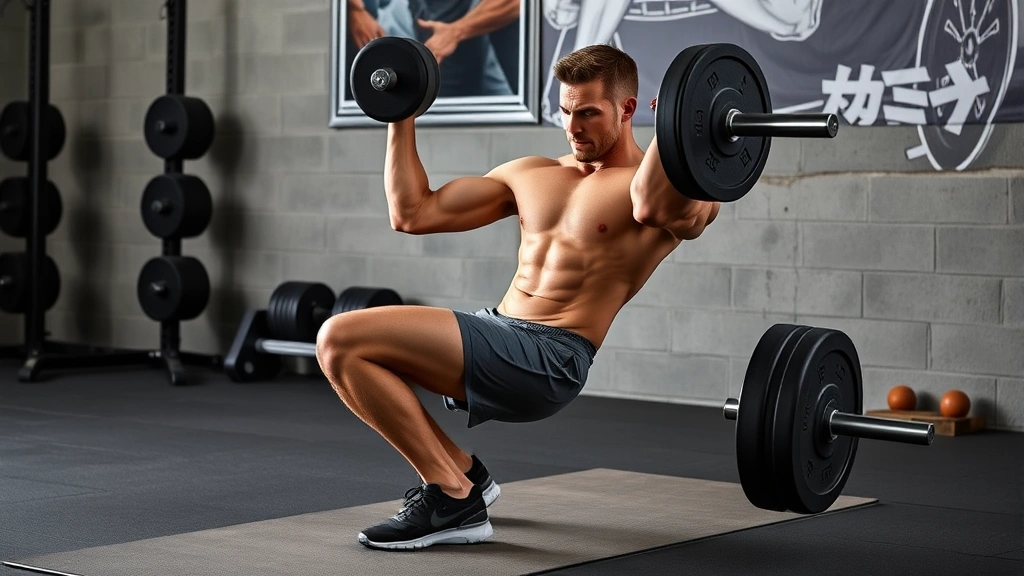
Strength Training Foundation for Quarterbacks
Blake Bortles’ strength training regimen forms the cornerstone of his athletic capabilities. Unlike running backs or wide receivers who prioritize explosive lateral movement, quarterbacks require balanced strength development that supports throwing mechanics, stability in the pocket, and resilience against defensive pressure. Bortles’ approach emphasizes compound movements that build functional strength applicable to game situations.
The foundation of his program includes traditional barbell exercises: squats, deadlifts, bench presses, and rows. These movements develop the posterior chain strength essential for generating throwing power. When a quarterback throws, the motion originates from the lower body and transfers through the core to the shoulder and arm. Without adequate posterior chain strength, a QB cannot maximize velocity or maintain accuracy under pressure. Bortles incorporates variations like trap bar deadlifts and front squats to address different strength angles and prevent muscular imbalances.
Bortles typically performs strength sessions 3-4 times weekly, following a periodized approach that varies between hypertrophy phases (8-12 repetitions), strength phases (3-6 repetitions), and power phases (explosive movements). This variation prevents adaptation plateaus and ensures continuous progress throughout the season and offseason. The emphasis remains on controlled movement quality rather than chasing maximum weights, recognizing that functional strength in sport requires neuromuscular coordination beyond raw force production.
Accessory work complements the main lifts, including single-leg exercises like Bulgarian split squats and single-leg Romanian deadlifts. These unilateral movements address strength imbalances between sides and improve proprioception—critical for maintaining stability when stepping up in the pocket to avoid pass rushers. Bortles also incorporates sled pushes and farmer carries, which build grip strength and core stability while mimicking the demands of maintaining pocket presence during extended plays.
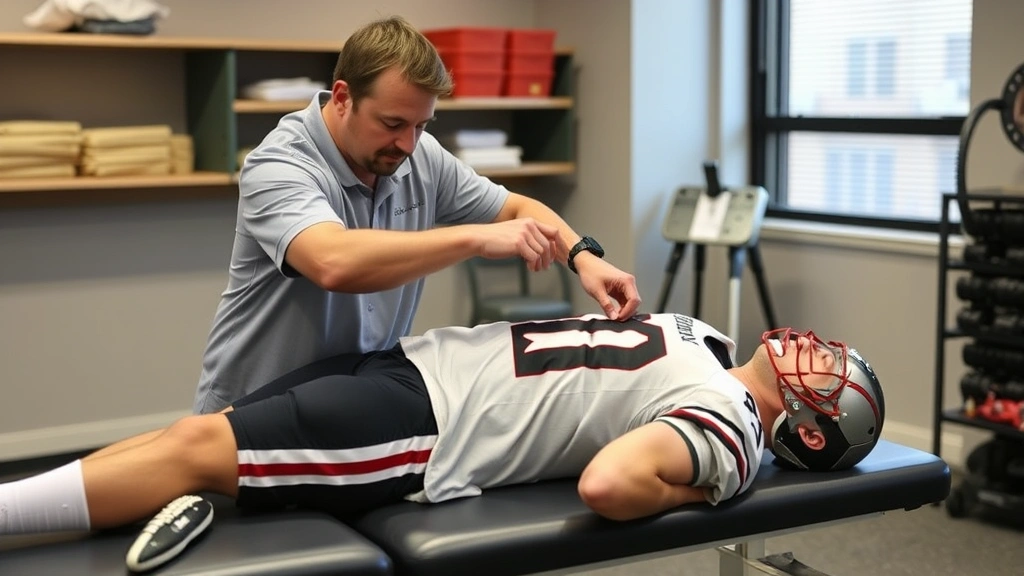
Cardiovascular Conditioning and Endurance
Professional quarterbacks face unique cardiovascular demands. Unlike position players who experience intermittent high-intensity efforts separated by huddles, QBs must maintain mental acuity and decision-making ability across four quarters of variable-intensity play. Blake Bortles’ conditioning program addresses this through strategic aerobic and anaerobic training.
Bortles incorporates steady-state aerobic work—typically 30-45 minutes of running or cycling at 60-70% max heart rate—2-3 times weekly during offseason preparation. This base-building phase establishes aerobic capacity and metabolic efficiency, allowing him to sustain performance throughout games without excessive fatigue affecting decision-making. During competitive seasons, aerobic maintenance becomes more critical as practice intensity naturally increases.
High-intensity interval training (HIIT) comprises another essential component, though applied strategically to avoid overtraining during the season. Bortles uses interval protocols like 30 seconds at 90% max effort followed by 90 seconds recovery, repeated 8-10 times. These sessions improve VO2 max and teach the body to recover quickly between plays—essential for maintaining explosive performance late in games when fatigue typically compromises athletic output.
Sport-specific conditioning drills simulate game scenarios: sprint-walk-sprint sequences mimicking play-to-play transitions, ladder drills combined with throwing mechanics, and shuttle runs that demand rapid directional changes. These drills bridge the gap between general fitness and football-specific demands, ensuring conditioning gains translate to on-field performance. Bortles emphasizes that conditioning should never compromise throwing mechanics—fatigue-induced mechanical breakdown leads to inaccuracy and increased injury risk.
Shoulder and Rotator Cuff Stability
The quarterback shoulder represents the most stressed joint in football, enduring tremendous forces during throwing while requiring stability to withstand collisions. Blake Bortles prioritizes shoulder health through comprehensive rotator cuff training and shoulder stability work that distinguishes his program from generic strength routines.
Bortles incorporates dedicated rotator cuff sessions 4-5 times weekly, performing exercises like band pull-aparts, face pulls, external rotations with dumbbells, and prone Y-T-W raises. These movements activate the infraspinatus, supraspinatus, and subscapularis—muscles critical for dynamic shoulder stability during throwing. The emphasis remains on higher repetitions (12-20) with moderate resistance, building muscular endurance rather than maximum strength.
Scapular stability receives equal attention through exercises targeting the serratus anterior and lower trapezius, which control scapular positioning throughout throwing motion. Push-up variations, particularly archer push-ups and wall slides, ensure the scapula maintains proper position, preventing impingement and reducing injury risk. Bortles performs these movements before main strength sessions, priming the stabilizer muscles for proper positioning during heavier compound movements.
Thoracic mobility work complements stability training, recognizing that restricted shoulder mobility often stems from thoracic spine stiffness. Bortles includes quadruped rotations, thoracic extensions over foam rollers, and sleeper stretches to maintain the mobility necessary for full throwing range of motion. This proactive approach prevents compensatory patterns that lead to chronic shoulder issues plaguing many veteran quarterbacks.
Throwing mechanics receive constant monitoring and refinement, as even minor technical deviations multiply across thousands of throws during a season. Bortles works with position coaches and sports medicine specialists to identify and correct mechanical inefficiencies before they create muscular imbalances or overuse injuries. This integrated approach—combining strength, stability, mobility, and technical work—represents the gold standard for quarterback shoulder health.
Core Strength and Lower Body Power
A quarterback’s core functions as the kinetic chain’s critical link, transferring force from the lower body through the trunk to the upper body during throwing. Blake Bortles’ core training extends beyond superficial ab exercises, encompassing deep stabilizer muscles and functional movement patterns.
Bortles performs anti-rotation exercises like Pallof presses and landmine rotations, which teach the core to resist rotational forces rather than simply generate movement. These exercises prove superior to traditional crunches for developing functional core strength applicable to football. Planks and side planks, performed with variations like single-arm reaches and leg lifts, build isometric stability essential for maintaining position in the pocket when absorbing hits.
Dead bugs and bird dogs address deep core stability and contralateral limb coordination, improving the ability to maintain neutral spine position during dynamic movement. Sled drags and weighted carries build core endurance, enabling sustained stability throughout four quarters of play. Bortles emphasizes that core training should challenge stability in multiple planes—not just frontal plane movements—reflecting the multidirectional demands of the quarterback position.
Lower body power development focuses on the explosive strength necessary for quick footwork in the pocket and the ability to generate throwing power. Bortles incorporates Olympic lifting variations—power cleans, power snatches, and push presses—performed with moderate loads emphasizing speed of movement. These ballistic movements train the nervous system to recruit muscle fibers explosively, translating to improved throwing velocity and quicker release.
Single-leg exercises like Bulgarian split squats and single-leg deadlifts build unilateral strength and stability, addressing the asymmetrical demands of the quarterback position. The dominant leg (back leg for right-handed QBs) generates significant throwing power, while the front leg provides stability. Bortles trains both legs thoroughly while accounting for position-specific demands, ensuring balanced development and reducing injury risk from muscular imbalances.
Box jumps and depth jumps develop lower body rate of force development, teaching muscles to generate maximum force in minimal time. These plyometric exercises improve jumping ability and quick-twitch muscle fiber recruitment, enhancing the explosive power necessary for extended plays requiring rapid footwork adjustments. Bortles performs plyometrics early in training sessions when the nervous system is fresh, maximizing quality and safety.
Sport-Specific Agility and Footwork
Elite quarterbacks possess exceptional footwork precision, enabling them to manipulate pocket position, execute play-action mechanics, and escape pressure without losing throwing mechanics. Blake Bortles dedicates substantial training time to footwork drills that develop the neuromuscular coordination distinguishing great quarterbacks from merely good ones.
Three-step, five-step, and seven-step drops receive constant repetition, performed at game speed with precise foot placement. Bortles works with position coaches to ingrain muscle memory, allowing him to execute these patterns automatically even under pressure. Ladder drills improve foot speed and coordination, while cone drills develop the ability to change direction rapidly without losing balance or throwing mechanics.
Play-action footwork drills combine running mechanics with throwing patterns, developing the deceptive footwork essential for play-action passes. Bortles practices simulating handoffs while maintaining proper arm position, then executing quick three-step drops for bootleg passes. These sport-specific drills ensure conditioning and footwork improvements translate directly to game performance.
Pocket movement drills develop the subtle lateral and backward movements necessary to evade pressure while maintaining throwing mechanics. Bortles practices stepping up in the pocket, sliding left and right, and moving backward while keeping his shoulders square and vision downfield. These movements require exceptional body control and spatial awareness, developed through thousands of repetitions in practice and training settings.
Agility ladder work, shuttle runs, and directional change drills improve the lateral speed and acceleration necessary for escaping pressure. Bortles emphasizes controlled deceleration, as explosive changes in direction demand eccentric muscle control preventing injuries. He incorporates directional changes from various starting positions—forward, backward, lateral—reflecting the unpredictable nature of game situations.
Nutrition and Recovery Strategies
Athletic performance extends far beyond the training facility; nutrition and recovery determine how effectively the body adapts to training stimulus. Blake Bortles maintains a disciplined approach to nutrition, recognizing that fuel quality directly impacts performance, body composition, and injury resilience.
Bortles follows a periodized nutrition plan that varies macronutrient composition based on training phase. During heavy strength phases, protein intake increases to support muscle protein synthesis, typically consuming 1.6-2.2 grams per kilogram of body weight daily. Carbohydrate intake scales with training volume and intensity, fueling high-intensity conditioning sessions while maintaining stable blood glucose for cognitive function. Fat intake remains consistent at 20-30% of total calories, supporting hormone production and nutrient absorption.
Meal timing receives attention, with Bortles consuming a carbohydrate and protein source within 30-60 minutes after training to initiate recovery. Pre-training nutrition emphasizes easily digestible carbohydrates and moderate protein, providing energy for performance without gastrointestinal distress. Throughout the day, he distributes protein intake across 4-5 meals, optimizing muscle protein synthesis above the threshold achievable through larger, infrequent meals.
Hydration management proves critical for maintaining cognitive function and physical performance. Bortles monitors urine color and body weight changes, adjusting fluid intake to maintain euhydration. During intense training sessions and games, he consumes electrolyte-containing beverages to maintain sodium balance and prevent hyponatremia, particularly important in hot climates where the Jacksonville Jaguars and other teams compete.
Micronutrient status receives attention through blood work and supplementation when necessary. Bortles maintains adequate vitamin D levels through supplementation and sun exposure, supporting bone health and immune function. Iron status receives monitoring, as inadequate iron impairs oxygen-carrying capacity and exercise performance. Antioxidant intake through whole foods supports recovery without excessive supplementation that may blunt adaptive responses.
Sleep represents perhaps the most underrated recovery tool, with Bortles prioritizing 7-9 hours nightly during the season and offseason. Sleep supports memory consolidation for learning plays and reads, hormone regulation affecting recovery, and immune function protecting against illness. Bortles maintains consistent sleep schedules, limiting blue light exposure before bed and creating optimal sleep environments supporting deep, restorative sleep.
Active recovery days incorporate light activity—walking, swimming, easy cycling—promoting blood flow and removing metabolic byproducts without imposing additional training stress. Bortles recognizes that aggressive training doesn’t build fitness; recovery between training sessions enables adaptation and improvement. This balanced approach to training and recovery prevents overtraining syndrome and maintains long-term athletic development.
Injury Prevention Techniques
Professional athletes operate in a precarious balance between pushing hard enough to improve and protecting long-term health. Blake Bortles incorporates comprehensive injury prevention strategies that extend career longevity and maintain performance consistency.
Movement screening and assessment identify movement compensations and mobility restrictions before they develop into injuries. Bortles undergoes periodic assessments evaluating hip mobility, thoracic rotation, ankle stability, and shoulder mechanics. When restrictions or asymmetries emerge, targeted mobility and stability work addresses them immediately, preventing cascading compensation patterns.
Eccentric training strengthens muscles through the lengthening phase, developing the strength necessary to control rapid movements and absorb external forces. Bortles incorporates eccentric-emphasized variations of main lifts—slowing the lowering phase of squats and deadlifts—building tendon and ligament resilience. This approach proves particularly valuable for injury-prone structures like the shoulder and knee, common injury sites in football.
Proprioceptive training develops the sensory awareness enabling rapid neuromuscular adjustments preventing injuries. Single-leg balance work, unstable surface training, and reactive drills improve proprioception and balance. Bortles performs these exercises regularly, particularly after lower body sessions when fatigue impairs proprioceptive acuity. This training reduces ankle sprains and knee injuries while improving movement quality.
Warm-up protocols receive careful attention, with Bortles performing dynamic mobility work and movement preparation before training. Rather than static stretching, he emphasizes dynamic stretches and mobility drills that prepare muscles and joints for upcoming activity. Post-training static stretching and foam rolling promote flexibility and reduce muscle soreness, supporting recovery for subsequent training sessions.
Load management remains critical, with Bortles and his coaching staff carefully monitoring training volume and intensity. Sudden increases in either variable dramatically increase injury risk; periodization and gradual progression prevent overuse injuries. During competitive seasons, practice intensity naturally increases, requiring careful management to prevent overtraining and associated injury risk.
Medical team collaboration ensures any emerging issues receive immediate attention. Bortles works closely with team physicians, athletic trainers, and physical therapists, reporting discomfort or movement changes immediately. Early intervention prevents minor issues from developing into major injuries requiring extended recovery. This proactive approach—emphasizing prevention over treatment—reflects the most effective injury management philosophy.
FAQ
What makes quarterback fitness different from other football positions?
Quarterbacks require unique fitness characteristics emphasizing shoulder stability, cognitive endurance, footwork precision, and throwing mechanics. While other positions prioritize explosive lateral movement or sustained high-intensity running, quarterbacks must maintain accuracy and decision-making ability across entire games. Blake Bortles’ training reflects these position-specific demands, incorporating shoulder health, core stability, and sport-specific conditioning distinct from typical football training.
How often should quarterbacks train per week?
Elite quarterbacks typically train 5-6 days weekly during offseason, balancing strength sessions (3-4x weekly), conditioning work (3-4x weekly), and sport-specific footwork drills (daily or near-daily). During competitive seasons, training frequency remains high but intensity decreases, maintaining fitness while managing fatigue from games and practices. Individual variation exists based on age, experience, and injury history, but consistent training without excessive rest days maintains the fitness necessary for peak performance.
How important is shoulder health for quarterbacks?
Shoulder health proves absolutely critical for quarterback longevity and performance. The shoulder endures tremendous forces during throwing—research indicates throwing velocities exceeding 60 mph place enormous stress on rotator cuff muscles and ligaments. Blake Bortles’ emphasis on rotator cuff training, scapular stability, and mobility work reflects the importance of proactive shoulder care. Shoulder injuries often require extended recovery, potentially ending seasons or careers; prevention through dedicated stability work represents the most effective approach.
Can recreational quarterbacks apply these training principles?
Absolutely. While professional athletes train at higher volumes and intensities, the fundamental principles Blake Bortles follows—periodized strength training, sport-specific conditioning, shoulder stability work, and injury prevention—apply to quarterbacks at all levels. High school and college quarterbacks benefit enormously from adopting these training methodologies, improving performance while building resilience against injury. The specific exercises, volumes, and intensities should be scaled appropriately, but the overall approach translates across competitive levels.
How does Blake Bortles balance training with game performance?
Bortles follows a periodized training approach that varies throughout the year. During offseason, training intensity and volume peak, building the fitness foundation necessary for competitive seasons. As the season approaches, training emphasizes maintenance and sport-specific work, reducing injury risk while preserving fitness. During competitive seasons, training focuses on recovery and maintenance, preventing overtraining while managing fatigue from games and practices. This periodized approach balances the competing demands of continuous improvement and competitive readiness.
What role does video analysis play in quarterback training?
Video analysis proves invaluable for identifying mechanical inefficiencies and movement compensations. Bortles regularly reviews video of his throws and footwork, comparing against optimal mechanics and identifying areas for improvement. This visual feedback enables precise corrections, preventing small mechanical deviations from becoming ingrained habits. Coaches use video to identify compensation patterns suggesting underlying strength, mobility, or stability limitations, directing training toward addressing root causes rather than surface symptoms.


