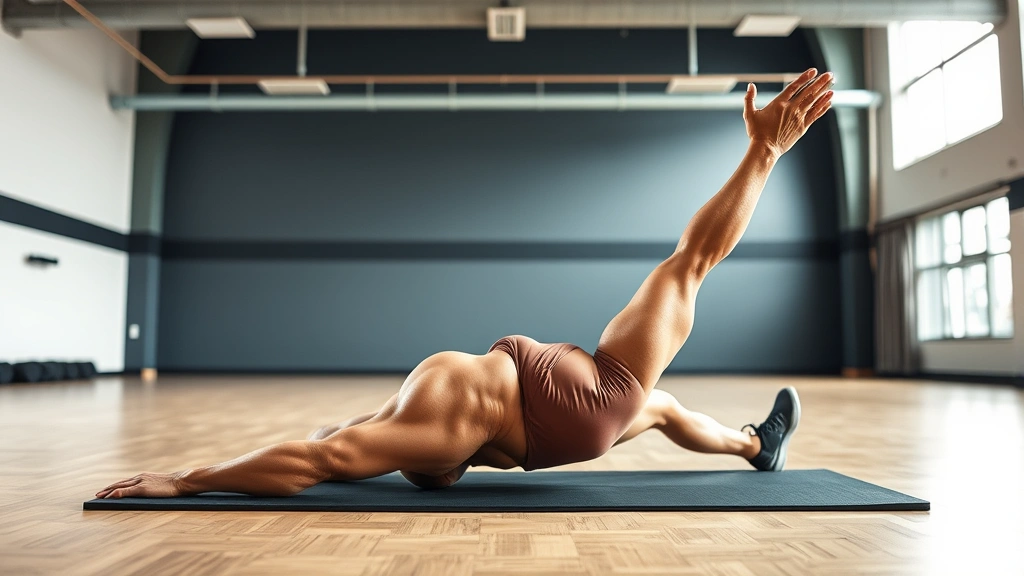
Top 10 Core Exercises: Physiotherapist’s Guide to Building Athletic Strength
Your core is the powerhouse of athletic performance, and this is especially true for football players preparing for professional opportunities. Whether you’re training like a prospect from the 2014 NFL football draft or simply looking to enhance your functional fitness, core strength forms the foundation of explosive movement, injury prevention, and sustained athletic excellence. A physiotherapist’s perspective reveals that core training extends far beyond six-pack aesthetics—it’s about creating stability, power transfer, and resilience through your entire midsection.
The core encompasses your abdominals, obliques, transverse abdominis, erector spinae, and deep stabilizing muscles that work synergistically to support spinal alignment, generate rotational power, and maintain postural integrity during dynamic athletic movements. When properly trained, these muscle groups reduce injury risk, enhance acceleration and deceleration capacity, and improve overall sports performance. This comprehensive guide explores the top 10 core exercises that physiotherapists recommend for athletes seeking measurable strength gains and functional movement improvements.

1. Dead Bug Exercise: Foundation of Core Control
The dead bug exercise represents one of the most fundamental yet profoundly effective core movements physiotherapists prescribe for developing neural control and muscular coordination. This exercise involves lying supine with arms extended toward the ceiling and hips and knees flexed to 90 degrees, then alternately extending opposite arm and leg while maintaining lumbar spine contact with the floor.
What makes the dead bug exceptional is its ability to teach the nervous system proper core engagement patterns without excessive load. As you extend your limbs, your deep abdominal muscles must contract to prevent spinal extension, creating awareness of neutral spine positioning. This proprioceptive feedback is invaluable for athletes who need to maintain core stability during complex movements like tackling in football or explosive directional changes.
Progression strategies include adding resistance bands around your feet, slowing the movement tempo to 5-second holds, or performing single-leg variations. Research from the American College of Sports Medicine emphasizes that mastering foundational exercises like the dead bug creates neuromotor patterns that transfer to advanced athletic movements. Perform 3 sets of 12-15 repetitions per side, focusing on controlled movement and constant floor contact.
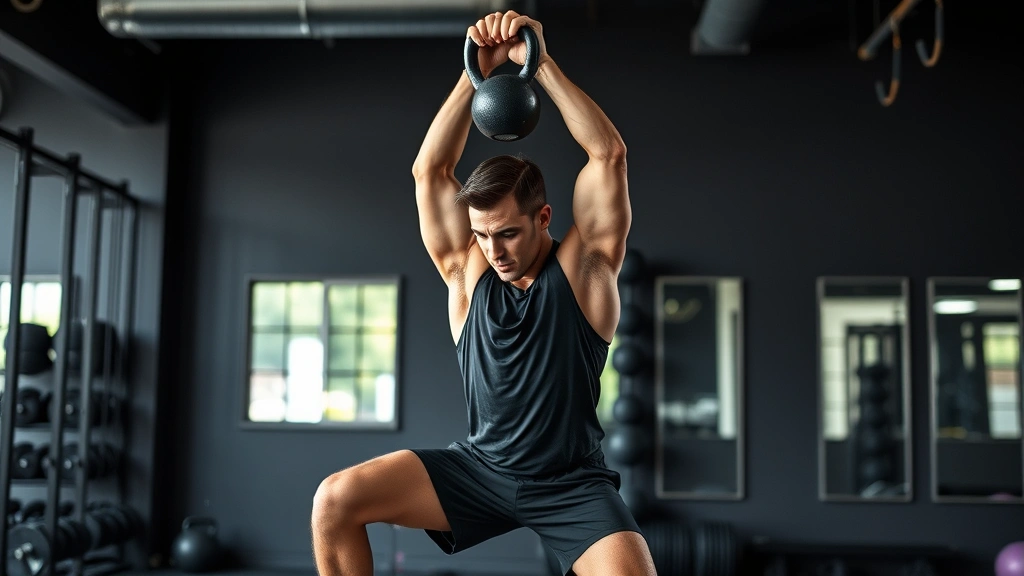
2. Pallof Press: Anti-Rotation Strength
Named after physical therapist John Pallof, this exercise specifically targets anti-rotational core strength—the ability to resist unwanted spinal rotation during lateral force application. Using a cable machine or resistance band anchored at chest height, you stand perpendicular to the anchor point with feet shoulder-width apart, holding the handle at your chest with both hands.
As you press the handle directly forward, your obliques and deep core stabilizers must contract intensely to prevent your torso from rotating toward the cable. This creates functional strength that directly transfers to sports movements requiring rotational stability, such as the explosive hip extension and rotational deceleration demanded by football players during cutting movements.
The Pallof press’s unique value lies in its emphasis on resisting movement rather than creating it—a principle called “anti-movement training” that physiotherapists recognize as crucial for injury prevention. Perform 3 sets of 10-12 presses per side with controlled breathing, maintaining perfect postural alignment throughout. As strength improves, increase cable weight or band resistance progressively.
3. Bird Dog Holds: Spinal Stability Mastery
The bird dog exercise combines contralateral limb extension with static holds, creating sustained core activation that builds both strength and endurance. Starting on hands and knees in a neutral spine position, you simultaneously extend your right arm forward and left leg backward, creating a straight line from fingertips to heel.
This movement pattern mimics numerous athletic scenarios where contralateral limb coordination prevents spinal rotation and maintains neutral alignment. The static hold component—typically 20-30 seconds per side—develops muscular endurance in your erector spinae, glutes, and deep core stabilizers. Physiotherapists particularly value bird dogs for developing the sustained stability required during prolonged athletic movements.
Advanced variations include adding resistance bands, performing dynamic arm and leg pulses while holding position, or transitioning between opposite-side holds without touching the ground. Perform 3 sets of 3-4 repetitions per side with 20-30 second holds, emphasizing perfect alignment and controlled breathing patterns.
4. Plank Variations: Isometric Core Endurance
The plank remains one of the most effective isometric core exercises because it engages your entire anterior core chain—rectus abdominis, transverse abdominis, and shoulder stabilizers—simultaneously. Standard planks involve holding a push-up position with forearms on the ground, maintaining perfect spinal alignment for maximum time duration.
What distinguishes advanced plank training is the systematic progression through variations that increase difficulty and address specific weakness patterns. Side planks target obliques and lateral core stability, essential for preventing sports injuries that occur during lateral movement demands. Plank with arm reaches add dynamic movement challenges while maintaining core stability, requiring sophisticated neuromuscular control.
Research published in the Journal of Physical Therapy Science demonstrates that progressive plank variations significantly improve athletic performance and core endurance capacity. Perform 3 sets of 45-60 second holds for standard planks, progressing to 30-45 seconds for dynamic variations. Focus on maintaining neutral spine position throughout, with hips neither sagging nor hiking excessively.
Consider incorporating plank variations into your training 4-5 times weekly, as the isometric nature allows for frequent training without excessive muscle damage. This consistency drives neural adaptation and muscular endurance improvements more effectively than occasional high-intensity efforts.
5. Ab Wheel Rollouts: Advanced Core Integration
The ab wheel rollout represents an advanced progression for athletes with established core strength, requiring exceptional eccentric control and dynamic stabilization. Kneeling on a mat with an ab wheel in hand, you roll forward by extending your arms, creating an extended body position that demands intense abdominal engagement to prevent lumbar hyperextension.
This exercise uniquely combines concentric and eccentric core loading, with the eccentric phase (rolling out) creating tremendous muscular stimulus. The movement demands rapid core stabilization adjustments as your body position changes, developing the dynamic stability required for explosive athletic movements. Physiotherapists recognize ab wheel rollouts as particularly valuable for developing advanced core strength that translates to powerful rotational movements in football.
Begin with wall-supported rollouts where you roll into a wall, limiting range of motion, then progress to full rollouts from a standing position as strength improves. Perform 3 sets of 6-10 repetitions, emphasizing controlled eccentric descent and explosive concentric return. This exercise should only be performed after establishing solid foundational core strength through earlier exercises in this progression.
6. Hanging Leg Raises: Dynamic Flexion Power
Hanging leg raises develop dynamic core strength through gravity-resisted abdominal flexion, requiring both strength and grip endurance. Hanging from a pull-up bar with arms fully extended, you raise your knees toward your chest, then lower with control, creating powerful concentric and eccentric abdominal contractions.
The gravitational challenge of this movement creates exceptional strength development in your rectus abdominis and hip flexors, while the hanging position demands core stability to prevent excessive swinging or momentum use. Advanced athletes perform straight-leg raises, which extend the lever arm and dramatically increase difficulty. Research from exercise physiology institutions emphasizes that hanging leg raises develop the explosive hip flexion and core strength crucial for athletic movements.
Begin with bent-knee raises, progressing to straight-leg variations as strength improves. Perform 3 sets of 8-12 repetitions with controlled movement, resisting the temptation to use momentum. If you lack access to pull-up bars, resistance bands can provide similar stimulus in a more controlled environment.
7. Landmine Rotations: Functional Rotational Strength
Landmine rotations develop rotational core strength using a barbell anchored in a landmine device or corner, creating movement patterns that directly transfer to athletic rotational demands. Standing perpendicular to the landmine with feet shoulder-width apart, you hold the barbell at chest height, then rotate explosively away from the anchor point and back with control.
The landmine’s arc of movement naturally constrains the barbell path, making rotations safer while allowing heavier loading than free-weight alternatives. This exercise specifically develops the explosive rotational power required for throwing movements, cutting changes of direction, and deceleration during rotational athletic demands. The anti-gravity component ensures maximal oblique and core engagement throughout the movement.
Perform landmine rotations for 3 sets of 8-10 explosive repetitions per side, emphasizing powerful concentric contractions paired with controlled eccentric returns. This exercise pairs excellently with other rotational movements to develop comprehensive rotational strength that enhances athletic performance.
8. Suitcase Carries: Lateral Stability and Grip
Suitcase carries—holding a heavy dumbbell or kettlebell at your side while walking—develop lateral core stability and grip endurance simultaneously. The asymmetrical loading creates an anti-lateral flexion demand, requiring your core to resist the rotational torque generated by unilateral weight. This trains the quadratus lumborum and lateral abdominal muscles intensely while maintaining upright posture.
What distinguishes suitcase carries from other unilateral exercises is their functional carryover to real-world athletic demands requiring core stability during asymmetrical loading scenarios. The continuous movement component also develops muscular endurance and cardiovascular capacity alongside strength gains. Physiotherapists recognize suitcase carries as exceptionally valuable for developing robust lateral stability that prevents common sports injuries.
Perform suitcase carries for 40-60 meter distances per side using heavy weights that challenge your stability without forcing postural collapse. Complete 3 sets per side, resting 60-90 seconds between sets. Progress by increasing weight or distance systematically as your lateral stability improves.
9. Copenhagen Adduction Exercise: Inner Unit Activation
The Copenhagen exercise, performed lying on your side with the bottom leg straight and top leg bent across your body supported on a bench, targets adductor muscles and the inner unit of your core. Lifting your bottom leg toward the ceiling against gravity and the resistance provided by your top leg creates intense adductor engagement that most athletes neglect in conventional training.
Research demonstrates that strong adductors contribute significantly to hip stability, injury prevention, and rotational power generation. The Copenhagen exercise activates these muscles more effectively than traditional movements, making it invaluable for comprehensive core development. Physiotherapists increasingly prescribe this exercise for athletes seeking injury prevention and performance enhancement.
Perform Copenhagen exercises for 3 sets of 12-15 repetitions per side with controlled movement, emphasizing the peak contraction at the top of each repetition. As strength improves, add ankle weights or resistance bands to increase difficulty. This exercise requires consistent training frequency—3-4 times weekly—to develop robust adductor strength.
10. Turkish Get-Up: Full-Body Core Integration
The Turkish get-up represents the pinnacle of core training complexity, requiring integrated strength, mobility, stability, and body awareness. Lying supine holding a kettlebell or dumbbell with one arm extended toward the ceiling, you progressively transition through multiple positions—rolling to elbow, pushing to hand, lunging, and finally standing—while maintaining the weight overhead.
This compound movement demands simultaneous core stability, shoulder strength, hip mobility, and body control throughout numerous positional transitions. The Turkish get-up develops functional strength that transfers directly to athletic demands requiring integrated movement patterns and core stability across multiple planes of motion. Physiotherapists recognize this exercise as exceptional for developing comprehensive athletic movement quality.
Begin with light weights, focusing on perfect technique through each position transition. Perform 3 sets of 3-5 repetitions per side, moving deliberately and maintaining constant awareness of core engagement. The Turkish get-up requires substantial practice to master, but the movement quality improvements justify the training investment.
FAQ
How frequently should I perform core exercises for optimal athletic development?
Physiotherapists recommend performing core exercises 4-6 times weekly, incorporating both heavy strength work (2-3 times weekly) and higher-repetition stability work (2-3 times weekly). This frequency allows adequate stimulus for adaptation while permitting sufficient recovery. Many athletes incorporate core work into warm-ups before primary training sessions, maximizing training efficiency.
Should core training replace traditional abdominal exercises like crunches?
Yes, modern physiotherapy emphasizes functional core exercises that develop stability and rotational control over isolated abdominal flexion movements. Traditional crunches create spinal compression and neglect the rotational and anti-movement demands of athletic performance. The exercises outlined in this guide provide superior functional transfer to athletic movements.
How long does it take to develop noticeable core strength improvements?
Most athletes experience measurable core strength improvements within 4-6 weeks of consistent training using progressive programming. However, significant functional improvements and athletic performance enhancements typically require 8-12 weeks of systematic progression. Patience and consistency prove more valuable than intensity in core development.
Can I perform all 10 exercises in a single training session?
While possible, this approach lacks specificity and creates excessive training volume. Instead, select 3-4 exercises per session emphasizing different core functions—for example, combining anti-rotation (Pallof press), dynamic strength (hanging leg raises), and stability (bird dogs) in one session. This structured approach maximizes adaptation and prevents overtraining.
How does core strength specifically improve football performance?
Strong core muscles enhance explosive power generation through proper force transfer from lower body to upper body, improve stability during cutting and direction changes, reduce injury risk during deceleration movements, and improve rotational power for throwing and striking movements. Athletes with superior core strength demonstrate measurable improvements in sprint acceleration, agility, and collision resistance.
Should I incorporate these exercises year-round or periodize them?
Periodization proves superior to year-round identical programming. During off-season phases, emphasize heavy strength development with lower repetitions. During competitive phases, focus on maintenance with higher-repetition stability work that develops endurance without creating excessive fatigue. This systematic periodization maximizes performance improvements while minimizing injury risk.
Are external weights necessary for effective core training?
While bodyweight exercises like planks and dead bugs provide excellent foundational training, progressive external loading accelerates strength development. Resistance bands, dumbbells, kettlebells, and cable machines allow systematic progression that bodyweight alone cannot provide. Incorporate external loading once foundational exercises become easy, typically after 4-6 weeks of consistent training.
The journey toward exceptional core strength requires systematic progression, consistent training frequency, and unwavering attention to movement quality. By implementing these 10 physiotherapist-recommended exercises into your training regimen, you’ll develop the functional core strength that enhances athletic performance, prevents injuries, and builds the stability foundation necessary for elite-level athletic achievement. Start with foundational exercises, progress systematically, and maintain consistency—your athletic performance improvements will reflect the dedication invested in comprehensive core development.
For additional athletic training insights, explore our Peak Play Arena Blog covering performance optimization strategies. Stay informed about emerging athletic talent by checking high school football scores and college football predictions. Discover how professional athletes prepare by reading about top 10 sports in the world and accessing best sports streaming sites for watching elite-level athletic performance.


